What will bring to the markets a US deal
New

What will bring to the markets a US deal

Freedom Curtalis' chances of a large, wide-scale recovery in case of reopening the Straits of Hormuz have probably declined over time, analysts estimate, although some markets as well as some assets, have greater margins of rise than others. According to Capital Economics, one of these assets that can benefit [...]

See more
How banks came to have 90 billion euros of bonds
New

How banks came to have 90 billion euros of bonds

By Nikos Kotsikopoulos The second largest asset of Greek banks after their loan portfolios is bonds. Banks increased these bonds and in 2025, and continued to increase them this year in the first quarter both Piraeus and Eurobank. In particular, in 2025 banks added EUR 10,6 billion [...]

See more
Berenberg: Why is he suggesting that investors build a portfolio with the strategy «shares, gold and bitcoin» | Economic News
New

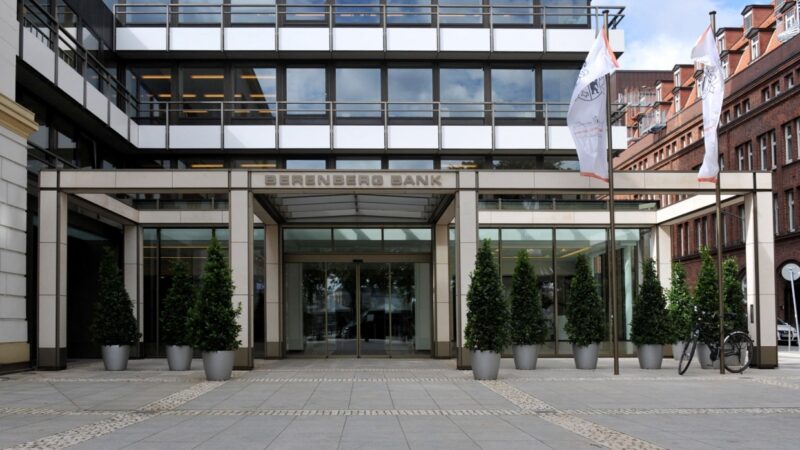
Berenberg: Why is he suggesting that investors build a portfolio with the strategy «shares, gold and bitcoin» | Economic News

German bank Berenberg recommends that investors direct 45% of their portfolios to gold, precious metals and bitcoin, 20% to commodities and 35% to shares, completely avoiding bonds. Strategic analysts, led by Jonathan Stubbs, argue that the environment of geopolitical instability, persistent inflation and high state debt favours this distribution. The bank estimates that a possible deal between Donald Trump and Shi Jinping within the next month could boost the stock markets, despite the six key risks it detects.

See more
Borrowing record in yuan by American banks
New

Borrowing record in yuan by American banks

American banks, starring Goldman Sachs, lend amounts-record to yuan, exploiting low interest rates and increased demand for offshore Chinese bonds. Bond issues «dim sum» in Hong Kong this year 300 billion yuan ($44 billion), more than twice as many as in 2025. Goldman Sachs draws 32.1 billion yuan, 10% of the total market, using yields of around 3%, compared to 1.75% in mainland China. Beijing strengthens the internationalisation of yuan, facilitating access to fixed income products through the Bond Connect program.

See more
EnglishenEnglishEnglish

Connection

Registration

Restore Password

Enter your alias or email address and you will be sent a link to create a new password.