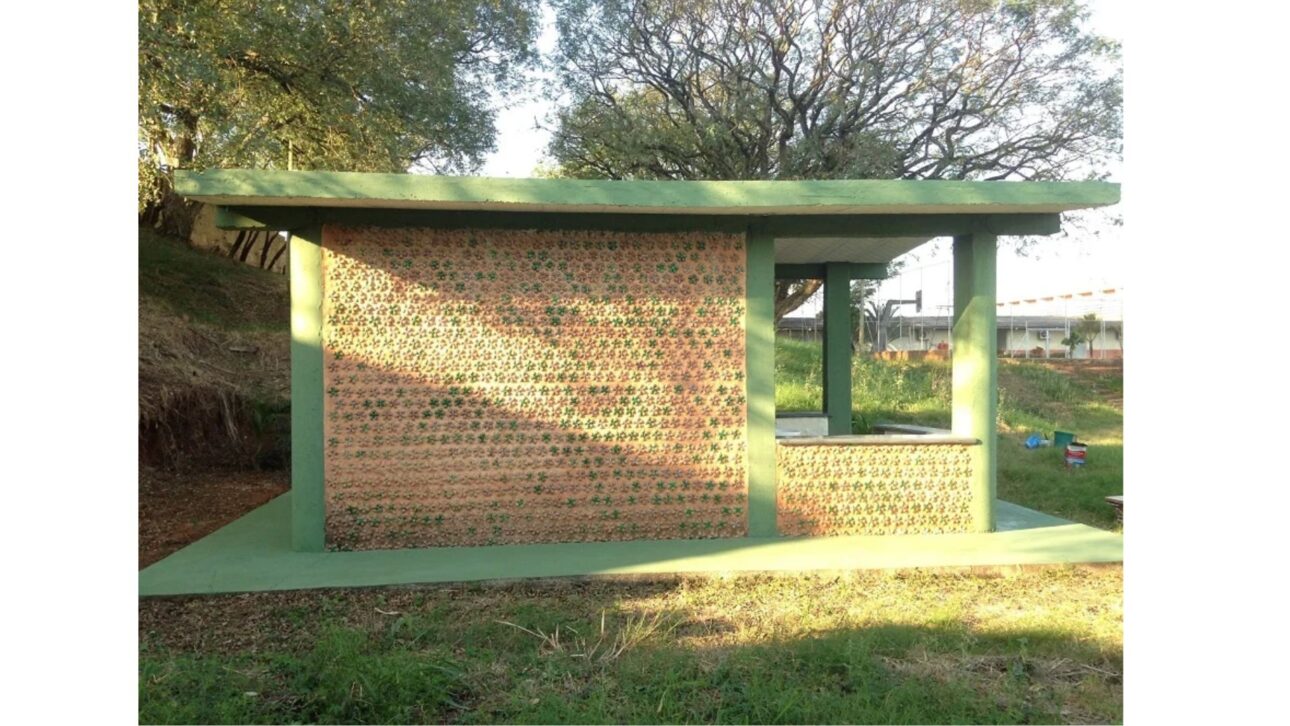
Construction was presented as an academic experiment combining recycling, lower cost and alternative construction.
Ten students in Brazil proved that a house can be built with materials that most would throw into the trash. Instead of bricks, they used 4,000 plastic PET bottles, filled with sand and cement, creating a small 24-square-metre residence inside São Paulo.
Project named CASA PET and developed by FATEC students at Presidente Prudente. The idea began in 2012 and took shape the following year, when the team won Instituto 3M award for university students. With the funding they received, students managed to convert the proposal into normal construction within the campus.
A house of bottles, from floor to roof
Construction had a total surface area 24 square meters and even included a small terrace. Plastic bottles were not used simply decoratively or as an experiment on a wall. They replaced the bricks in much of the construction, from the base to the roof, while the columns and the base bearing skeleton followed a more conventional construction logic.
The 4,000 PET bottles were filled with washed sand and a mixture of cement soil to gain weight, stability and durability. In this way, they were converted into building blocks that could be stacked and used like conventional materials. According to project people, construction was durable enough to compare with a common house, although it remained an experimental and academic work.
The most impressive element was cost. The house cost around 2,500 euros at present rate, that is about 30% less than a corresponding brick structure. The difference mainly arose from the reduction in the use of cement and conventional materials. For a house of the same size, a traditional construction would need about 10 cement sacks, while CASA PET needed four.
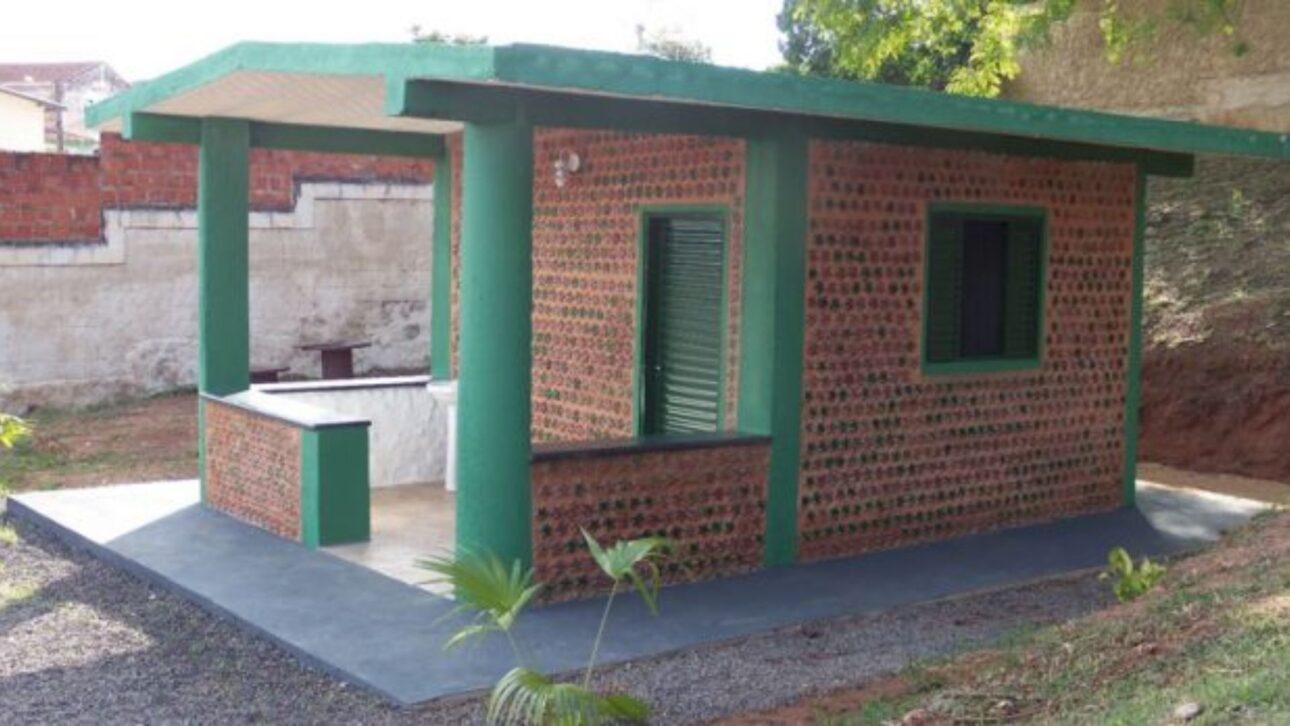
The group argued that the model could be an economic solution for people with low income, especially in areas where there is a need for cheaper housing and at the same time a problem with plastic waste management. It was not just an ecological message, but an attempt to show in practice that waste can gain construction value.
There was also a second important parameter: The temperature. The walls of the house were about 35 cm thick, much larger than an ordinary wall, and students appreciated that interior spaces could be up to 20% cooler. This, however, was something that had to be confirmed by measurements at the time and not a result that had already been fully proven.