
An important part of the project's commercial strategy is linked to the Golden Visa program. Despite changes to the residence permit scheme through investment, the possibility of integrating property from the conversion of old industrial facilities into dwellings with a minimum investment of EUR 250,000 continues.
One of the most recognizable industrial buildings in Piraeus is preparing to gain new life. The historic factory of the former Kerani tobacco industry, which remained inactive for nearly two decades, is converted into a large mixed-use complex centered on the residence, marking one of the most important urban regeneration interventions in the wider area.
Behind the project is the Canadian group Mercan Group, which promotes the project «Keranis Residences», an investment differentiated from the usual tourist developments in recent years, as it focuses on creating an organised residential core with commercial and professional uses.
At a time when the real estate market of Athens and Piraeus mainly turns to hotels, serviced apartments and short-term rental accommodation, the exploitation of the former Kerani factory aspires to restore permanent residence to the foreground and contribute to the revitalization of an area that for decades has been identified with deindustrialization.
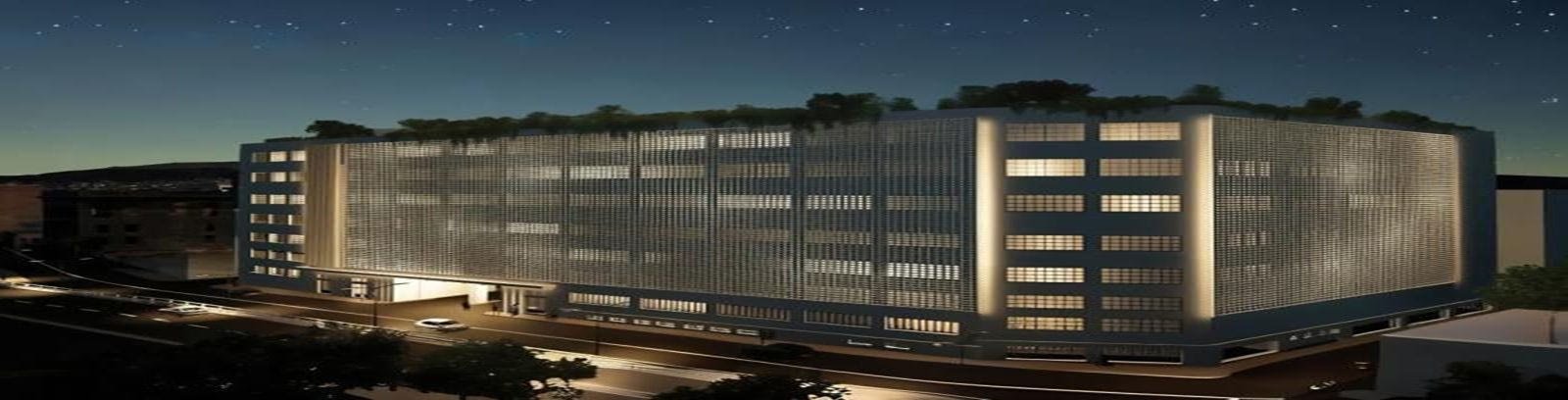
408 dwellings and new uses
The complex is developed at 37-39 Athens Avenue, at the entrance of Piraeus, and will occupy about 29,900 square meters. The plan provides for the creation of 408 fully furnished dwellings, commercial shops, catering areas, offices and leisure infrastructure.
The residences will range from studios 44 sq.m. to two bedroom apartments 69 sq.m., while the complex will feature rooftop garden, shared workplaces, gym, yoga room, wellness facilities, as well as social association spaces. At the same time, professional spaces, cafes, restaurants and supermarkets will be developed on the lower floors, creating an integrated urban living environment.
The role of Golden Visa
Of particular interest is the fact that an important part of the project's commercial strategy is linked to the Golden Visa programme. Despite changes to the residence permit scheme through investment, the possibility of integrating property from the conversion of old industrial facilities into dwellings with a minimum investment of EUR 250,000 continues.
Given that apartment prices start at this level, the project has attracted intense interest from foreign investors. According to market information, the ground floor and first floor dwellings have already been sold, while Mercan estimates that pre-sales could be completed before the end of the year.
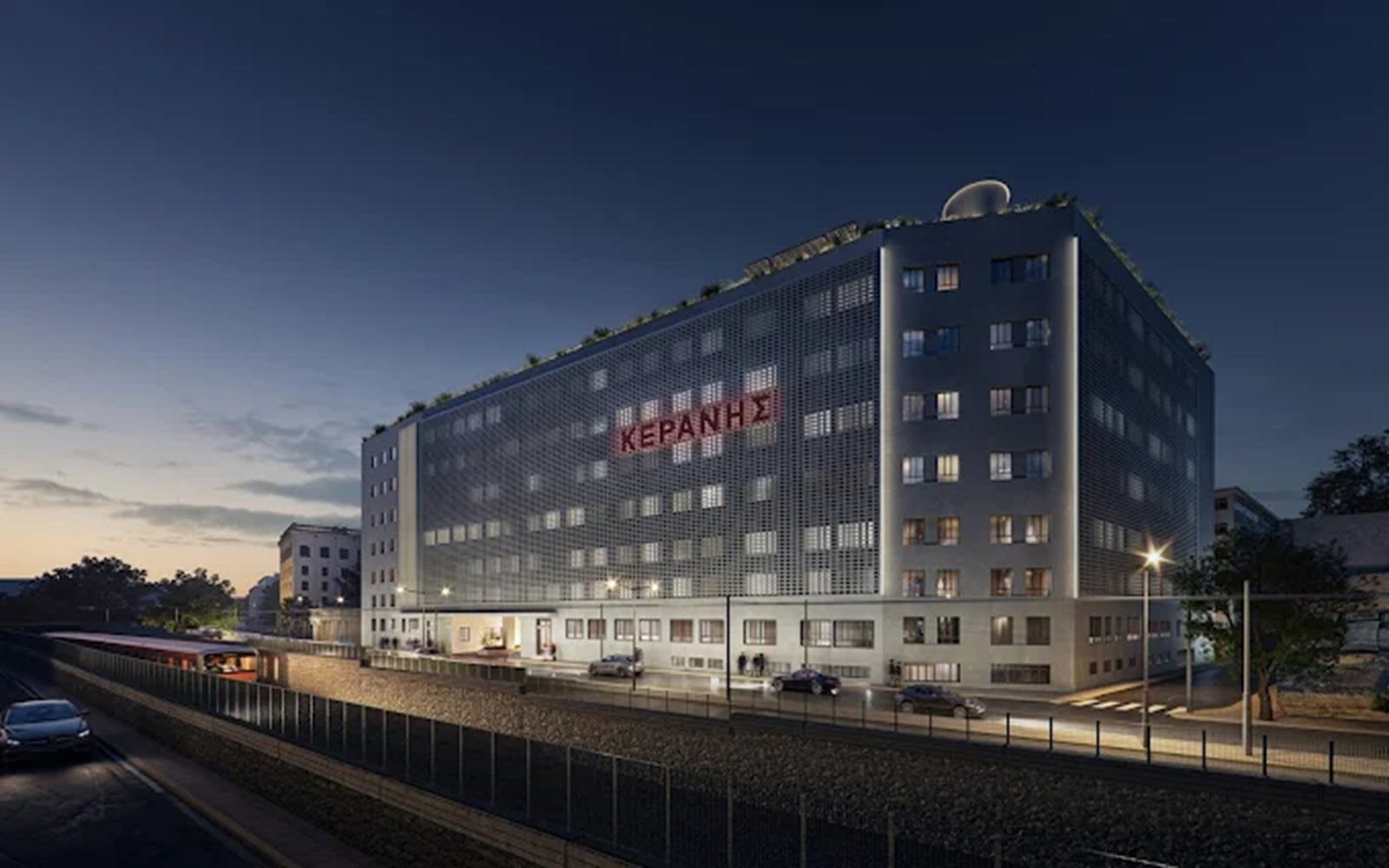
Delivery in 2028
The completion of the project is placed in the spring of 2028, with the construction being undertaken by White Stone, a company with experience in rebuilding and reusing industrial properties.
At the beginning of the work, Piraeus Mayor Giannis Moralis stressed the importance of using abandoned buildings that have remained inactive for decades, pointing out that this investment can contribute substantially to the transformation of the region.
For his part, Mercan Group president Jerry Morgan said that the Canadian group is already considering new investment opportunities in Greece, making the country's investment environment attractive. Keranis Residences is the company's second major project in the Greek market after the reconstruction of Corfu Acharavi Hotel in Corfu.
A building with nearly a century history
The importance of the project is not limited to its investment footprint. The Kerani building is one of the most important examples of industrial architecture in the country and is inextricably linked to the economic history of Piraeus.
The tobacco industry «G.A. Keranis S.A.» was founded in 1926 by George Keranis and Sophocles Flega, evolving into one of the largest companies in the industry in Greece. The Athens Avenue plant was built in 1933 and for decades it was a reference point for the city's industrial activity.
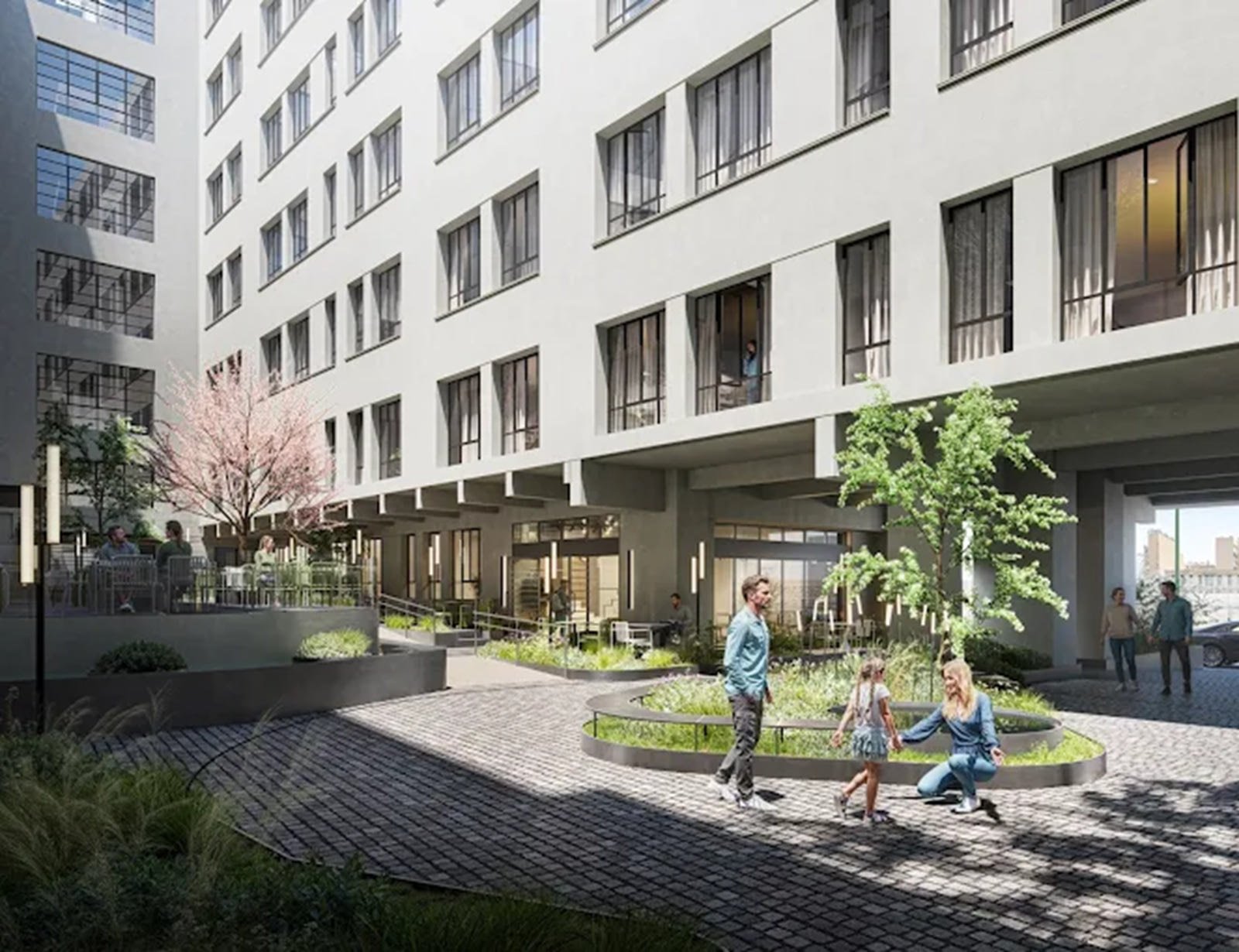
In its boom periods, the company employed about 2,500 workers, while a total of more than 24,000 people passed through its facilities during its operation. However, since the 1990s the gradual shrinking of its activity began, resulting in the definitive closure of the plant in 2007.
Years of inactivity and successive plans of exploitation were followed, including the transfer of the Piraeus courts to the property.
Today, almost twenty years after the lock, the historic building is preparing to regain an active role in the urban fabric of Piraeus. Its conversion into a modern complex of houses and services attempts to link the industrial heritage of the area to the needs of the modern city, bringing life back to one of the most iconic landmarks of the great port.

