
Snapshot
- After 100 days of war between the US and Israel against Iran, tension in the Middle East escalated with ballistic missile attacks and military operations from all sides.
- U.S. President Donald Trump urged Israeli Prime Minister Benjamin Netanyahu not to proceed with retaliation after an Iranian attack, creating a serious diplomatic dilemma for Israel.
- The truce that had been agreed between the US, Israel and Lebanon is shaken due to the Hezbollah attacks and its continued Iranian support, increasing the risk of wider conflict in the region.
- The US is lobbying Iran through the International Atomic Energy Agency for full transparency regarding its nuclear installations, while negotiations to end the war remain deadlocked.
- The United States Alliance
- Israel against Iran has suffered considerable damage, with Trump pursuing a persistent deal with Iran, despite disagreements and military tensions, leaving Israel in an uncertain position.
Snapshot powered by AI
See more Newsbomb articles when looking for news on Google
 Add as preferred source to Google results
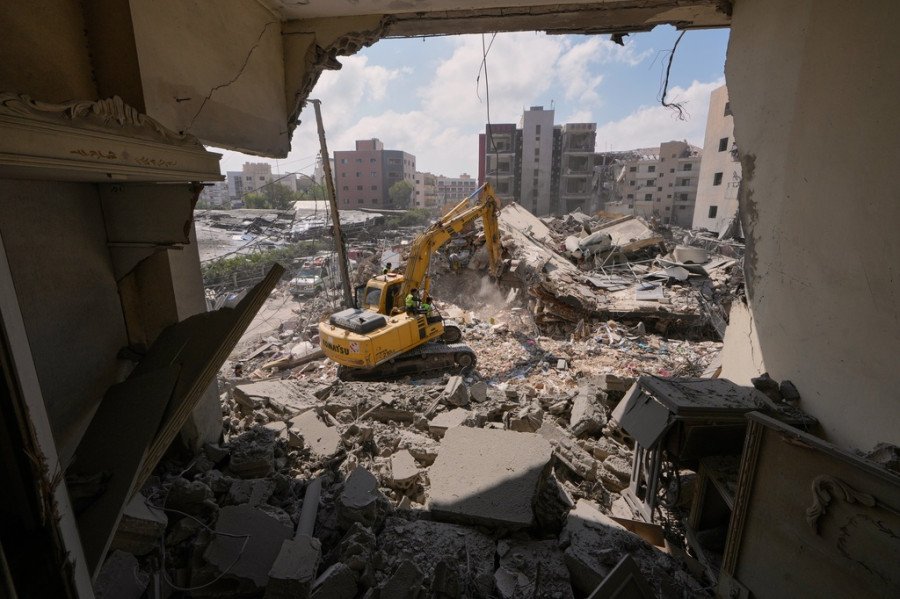
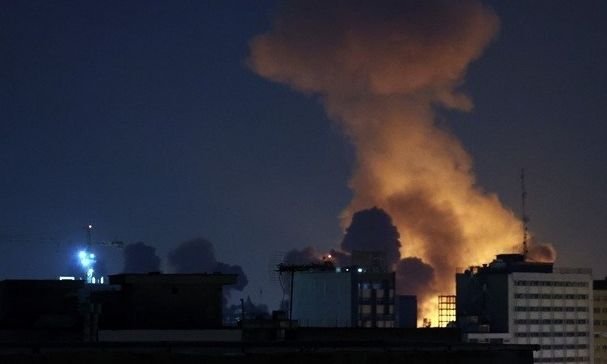
The Middle East truce is shaking again as Israel and Iran exchange attacks, at the worst escalation since the April truce. On Sunday evening (7/6) Iran launched a series of ballistic missiles to northern Israel, responding to Israeli blows that had preceded targets in Beirut and areas of Lebanon, where pro-Iran Hezbollah acts.
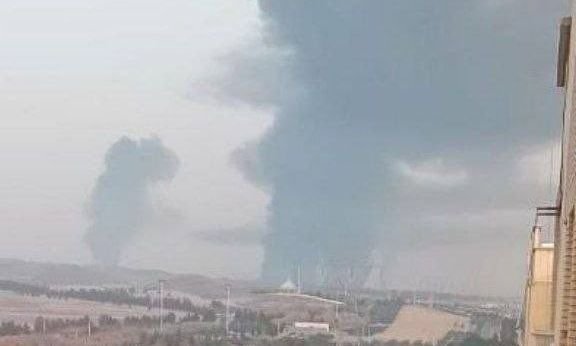
Tehran described its actions «retaliation» on Israeli military operations, warning that possible new escalation will meet «hard and wider answer». At dawn, Israeli armed forces announced that hit military targets in western and central Iran Despite the fact that American President Donald Trump had previously called Benjamin Netanyahu not to retaliate, according to an American official. At the same time he warned Iran to «returns» at the negotiating table.
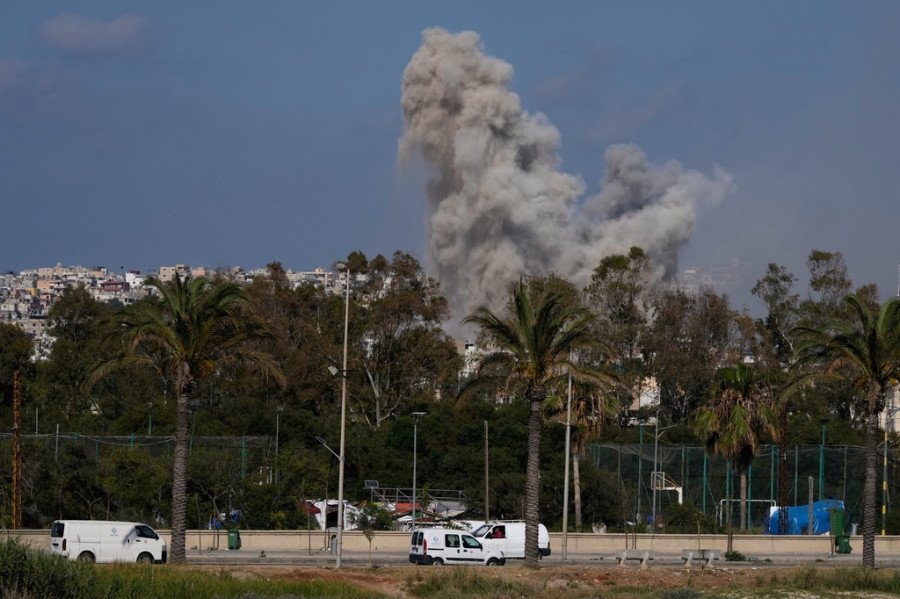
Israeli attack on Lebanon
AP
Prior to the escalation, Trump had told Financial Times that Israel should accept the agreement to which the US will end with Iran, saying «I decide everything». These comments followed further attacks in the Gulf region. Iran launched more missiles and drones to Kuwait and Bahrain, countries hosting U.S. military bases, including U.S. Navy regional headquarters. The US also launched attacks on Iranian radar facilities and drones which, as they claimed, They threatened ships in the Straits of Hormuz.
According to the Reuters news agency, the US is lobbying countries that are members of the International Nuclear Energy Agency to demand Iran make public details about its nuclear installations. Draft resolution calls on the 35 nations participating in the Governing Council of the International Atomic Energy Agency (IAEA), including Australia, to take «detailed information» on the damage to these nuclear installations and enriched uranium stored there.
Lebanon, key to the next day
Iran wants Israeli attacks against Hezbollah to end as a condition for any peace agreement with the US. But Trump already says he won't push it. The situation in Lebanon is causing serious concern, as the humanitarian crisis that has erupted continues to threaten lives throughout the economically affected country.
In the debate on whether Lebanon is a negotiating paper in a wider round of talks, this personal cost has often been unduly reduced. Beyond that, it also feeds a feverish political debate in Israel, as the country's politicians conflict in the light of the elections to be held in October .
The renewed truce, announced by the governments of the US, Israel and Lebanon last week, required Hezbollah to stop attacks on Israel. But it was almost doomed to failure given the organization's behavior, which is considered a terrorist in many countries of the world such as USA, Israel, Canada and Australia. This mixture of factors makes Lebanon a powder keg that could explode – even more dramatic and dangerous than it is now.
In March and April the US president and his superiors kept saying that the war in Iran would be a quick operation. «We could say four weeks, but it could be six, it could be eight, it could be three. Finally, We determine the rhythm and tempo», said U.S. Defence Minister Pete Hegseth in the first week of March.
Yesterday was the 100th day of the war. While the situation is very different from what we experienced in those early days, with the seemingly uninterrupted missile barrage and drones replaced by intermittent storms of attacks and counterattacks, The war continues.
Even the definitions in this war change. Trump was asked at the end of last week what he saw as a truce, after rocket attacks and drones in countries such as Kuwait and Bahrain. «In this part of the world, truce is when you shoot in a more moderate way»He was joking. The Wall Street Journal reported on Friday that Trump had told his assistants that he would not return to total war Unless American troops were killed in these «moderate» Fights.
The «syndromes» USA
While there is no doubt about the military power of the United States, the ability of the oppressive Iranian regime to resist Washington pressure is evident. His power, often exercised through violent repression of dissenters within his own population, is now directed to negotiations on a war-ending agreement with the United States, mediated by Pakistan.
The requirements it lays down, such as release of Iranian assets; They are rejected by Mr. Trump. On Sunday, prior to Iran's attacks on Israel, the US president told the US NBC network that asset release will only be considered after an agreement. «If they behave properly, if they do good work, we'll start talking.»He said.
A hundred days is the last milestone to go through without a deal. Trump's trip to China was the first, implied that he wanted it all to be over before he headed to Beijing. This week begins the World Football Cup, which is co-organized by the US. Iran is one of the teams to compete with, with its opening match on June 16 against Qui. Maybe Trump learns that the beginning of a war is much easier than its end, despite his repeated insistence be the greatest peacemaker in the world, analysts note.
After over three months of war, Trump faces increasing public anger, economic concerns and political reactions, without showing any agreement. Public opinion in the United States seems to be changing, with disappointment rising for inflation, rising prices and continued conflict. Critics say economic reality outweighs political messages. Even some Republicans have supported Trump's attempts to restrict powers, increasing the stakes in the face of mid-elections.
Times of Israel: The cooperation relationship that led to the war collapses
Telling Israel that it is best not to respond to an Iranian missile attack, the US president - who desperately wants an agreement with the Tehran regime - sets Netanyahu in front of a terrible dilemma.
A hundred days after they started the war together to abort Iran's nuclear weapons program, radically degrade its ballistic missile industry, end its support for the terrorist armies of Hezbollah and Hamas and create conditions for the regime's fall, The US-Israel alliance against the Islamic Republic arrived Sunday at its nadir.
With its northern part receiving relentless blows from Hezbollah in recent weeks, Israel resorted to a largely symbolic blow to the stronghold of the terrorist organization, Dahiye, in Beirut, for which it allegedly had not informed the Trump government in advance.
And, as he had warned, Iran responded by launching about 10 missiles in northern Israel — again sending this part of the country to rush into shelters, although it did not cause injuries or damage. But as Israel was preparing to «Answer dynamically» against Iran, in the words of an unnamed senior Israeli official, US President Donald Trump ordered Israel to reconsider.
Before even speaking to Prime Minister Benjamin Netanyahu, his partner 100 days ago, the president told his favorite Israeli journalist, Barack Ravid, that Israel better not fight back: «I'll call Bebe now and tell him not to react.», Trump assured. «Each of them made his own. Israel made its own attack and Iran made its own. We don't need another.».
Trump has repeatedly denied allegations that Netanyahu dragged him and the United States into the war. But has made it increasingly clear that he desperately wants to end it, Even without any of the stated US-Israel targets being achieved. He continues to insist that he pursues conditions to ensure that the regime never acquires nuclear weapons, but there is no guarantee of this in the leaked plans of the Memorandum of Understanding he is working on. And his explicit priority is to re-open the Hormuz and to mitigate global energy chaos that Tehran has created with great success.
Even at the time Iran was shooting at the north, Trump assured for the umpteenth time that it was days away from a deal with «two-person» Tehran status: «I'd say a deal would be signed on Monday, Tuesday or Wednesday next week.», claimed the president of the US. «And now this is happening.», complain.
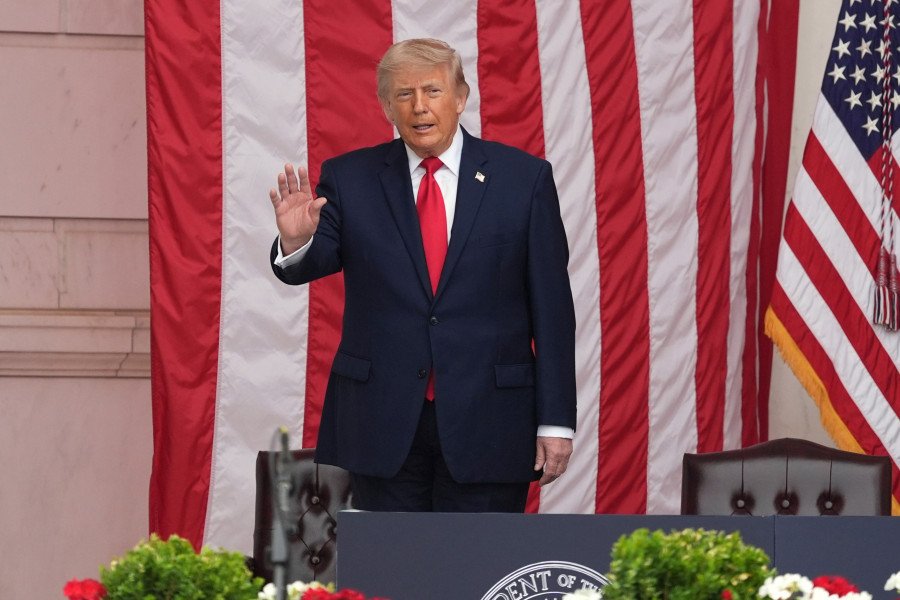
Η απαίτηση του Τραμπ να μην προβεί σε αντίποινα άφησε τον Νετανιάχου με μια τρομερή, φαινομενικά διπλή επιλογή. Θα μπορούσε πράγματι να παραδοθεί στην προεδρική υπαγόρευση και να συγκρατήσει τα πυρά του, καταστρέφοντας περισσότερο την αποτρεπτική ικανότητα του Ισραήλ έναντι μιας θριαμβευτικής Τεχεράνης, καθιστώντας το Ισραήλ αδύναμο στα μάτια της περιοχής και υπονομεύοντας σοβαρά την θεμελιώδη ανεξαρτησία του. Ή θα μπορούσε να αψηφήσει τον πρόεδρο των ΗΠΑ και να ξεκινήσει αυτό που σχεδόν σίγουρα θα μετατρεπόταν σε έναν κλιμακούμενο πόλεμο με το Ιράν, στον οποίο το Ισραήλ θα μπορούσε να βρεθεί εντελώς μόνο του.
Οι πρώτες αναφορές για την τηλεφωνική κλήση, και πάλι από τον Ραβίντ, υποδήλωναν ότι ο Νετανιάχου προσπάθησε μάταια να ξεπεράσει την αντίθεση του Τραμπ σε μια ισραηλινή αντεπίθεση και ότι οι ΗΠΑ πιστεύουν ότι ο Νετανιάχου δεν θα διατάξει επίθεση αντιποίνων στο εγγύς μέλλον.
Ο Μάικλ Όρεν, ο πρώην πρεσβευτής του Ισραήλ στις Ηνωμένες Πολιτείες, εικάζει ότι ο Νετανιάχου μπορεί επίσης να ζήτησε την υποστήριξη του Τραμπ για μια «κρυφή» επίθεση στο Ιράν για την οποία το Ισραήλ δεν θα διεκδικούσε εύσημα ή, εναλλακτικά, κάποιο είδος απτού οφέλους για την αυτοσυγκράτησή του, ίσως με τη μορφή των αμερικανικών βομβαρδιστικών B-2 stealth, μοναδικά ικανών να χτυπήσουν τις υπόγειες πυρηνικές εγκαταστάσεις του Ιράν σε μια μελλοντική ώρα ανάγκης. Ο πρωθυπουργός μπορεί επίσης να προσπάθησε, για άλλη μια φορά, να μεταπείσει τον Τραμπ από το είδος της άθλιας συμφωνίας για την οποία εργάζεται, βάσει της οποίας το Ιράν μπορεί να αναμένει αξιόπιστα ότι θα αποτρέψει οποιονδήποτε ουσιαστικό συμβιβασμό στην προσπάθειά του για πυρηνικά όπλα.
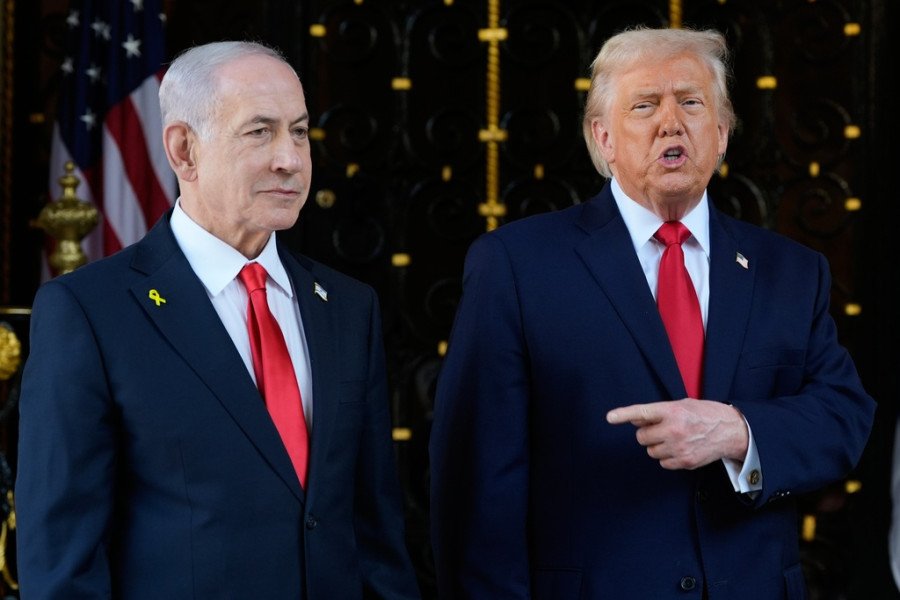
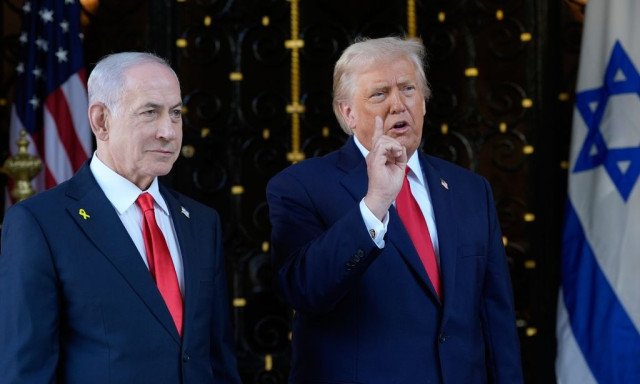
O πρόεδρος των ΗΠΑ, Ντόναλντ Τραμπ και ο Ισραηλινός πρωθυπουργός Μπενιαμίν Νετανιάχου
AP
Αλλά όλα αυτά φαίνονταν απίθανα. Ο Νετανιάχου βρέθηκε αντιμέτωπος με έναν πρόεδρο που δεν αμφισβήτησε ότι τον αποκάλεσε «τρελό» την περασμένη εβδομάδα και του είπε ότι όλοι τον μισούν και μισούν το Ισραήλ. Ένας πρόεδρος του οποίου οι εσωτερικές πολιτικές ανάγκες απαιτούν οτιδήποτε άλλο εκτός από κλιμάκωση. Ένας πρόεδρος σε πολύ κακή διάθεση.
Ένα βασικό ερώτημα τώρα είναι αν το καθεστώς αισθάνεται τόσο αισιόδοξο, τόσο θαρραλέο, ώστε να υπερβάλλει ακόμη και εναντίον ενός προέδρου των ΗΠΑ που επιθυμεί τόσο απροκάλυπτα μια διευθέτηση. Θα μπορούσε το Ιράν, δηλαδή, να απογοητεύσει τον Τραμπ σε τέτοιο βαθμό ώστε να τον αναγκάσει, ενάντια στη θέλησή του, να κάνει αυτό που έχει διατάξει τον Νετανιάχου να μην κάνει, και να αναζωπυρώσει την στρατιωτική εκστρατεία;
Με βάση τις προηγούμενες και τις τρέχουσες επιδόσεις, η Ισλαμική Δημοκρατία είναι πολύ έξυπνη για να κάνει αυτό το λάθος. Αυτό αφήνει έναν απογοητευμένο Αμερικανό πρόεδρο να παίζει τον ικέτη ενός διπρόσωπου Ιράν, με το Ισραήλ, με δεμένα τα χέρια, στη μέση. Σε μια άλλη από τις συνεντεύξεις του την Κυριακή, στους Financial Times , ο Τραμπ δήλωσε ότι αν δεν καταφέρει να καταλήξει σε συμφωνία με την Τεχεράνη, θα μπορούσε είτε «να αναλάβει την υπόλοιπη περιοχή που δεν φροντίσαμε στρατιωτικά» είτε να διατηρήσει τον τρέχοντα αποκλεισμό.
Αλλά ήταν σίγουρος για ένα πράγμα: Ο Νετανιάχου θα έπρεπε να αποδεχτεί οποιαδήποτε συμφωνία συμφωνούσε με το καθεστώς. «Δεν θα έχει άλλη επιλογή», είπε ο Τραμπ για τον Νετανιάχου. «Εγώ λαμβάνβω τις αποφάσεις. Εγώ λαμβάνω τις αποφάσεις». Όχι στο Ιράν, δεν είναι εκείνος που αποφασίζει, καταλήγουν οι Times of Israel.
Read more
LIVEBLOG: Απρόσμενη κλιμάκωση στη Μέση Ανατολή – Εκατέρωθεν χτυπήματα Ισραήλ και Ιράν
Ο Νετανιάχου αγνόησε το αίτημα του Τραμπ – Το Ισραήλ εξαπέλυσε επίθεση στο Ιράν
Τραμπ για Νετανιάχου: «Εγώ αποφασίζω, δεν έχει άλλη επιλογή από το να αποδεχθεί συμφωνία με το Ιράν»

