
The decision to replace our car with a thermal engine with a new one pure electric is a prospect that many avoid because of some beliefs they have about it, which prevent them from doing so.
As it turns out even now, that is, after at least a decade after the wider integration of electric cars into the market, the change is not simply about changing the internal combustion engine with an electric motor.
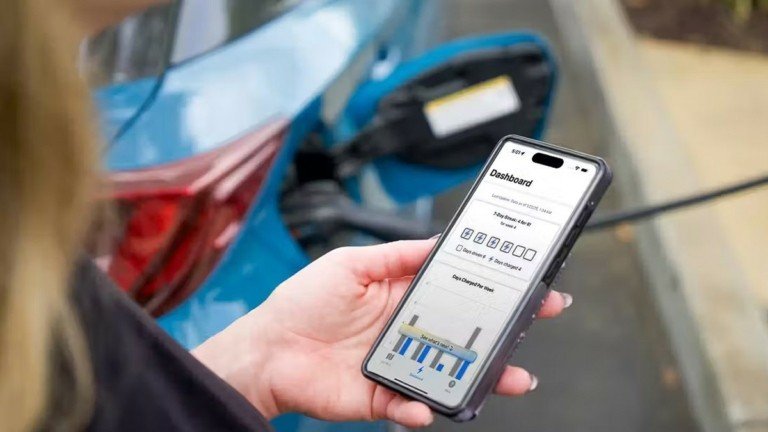
It implies something deeper and meaningful that is no other than corresponding change of attitude I would like to thank the rapporteur for his work. daily habits Our.
For example, charging the battery instead of standard fuel refuelling, monitoring the rate of remaining energy on the vehicle battery, instead of the fuel index and different programming when we are going to make a long trip.
The research carried out and published at times shows that those concerned and rejected the acquisition of a purely electric car have five main reasons and anxiety which prevents them from doing so.
1. «I won't know how to charge the car.»
Rather, it is the most common fear and at the same time the one that disappears faster than the owner in a purely electric motor. Many imagine a complicated process, with «Weird» cables and applications on the mobile phone that are not working properly.
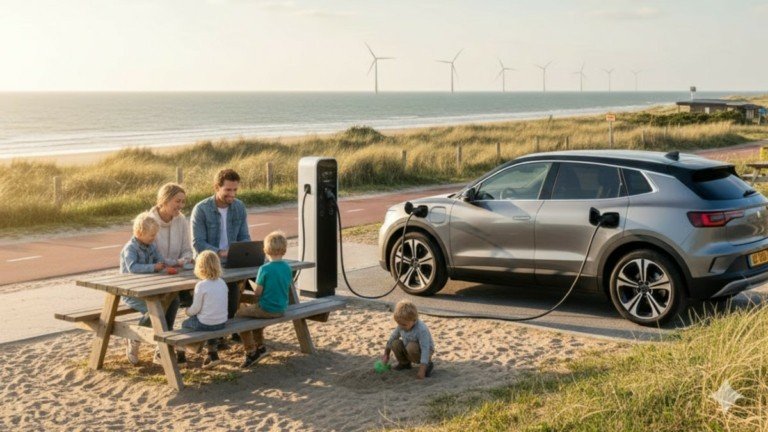
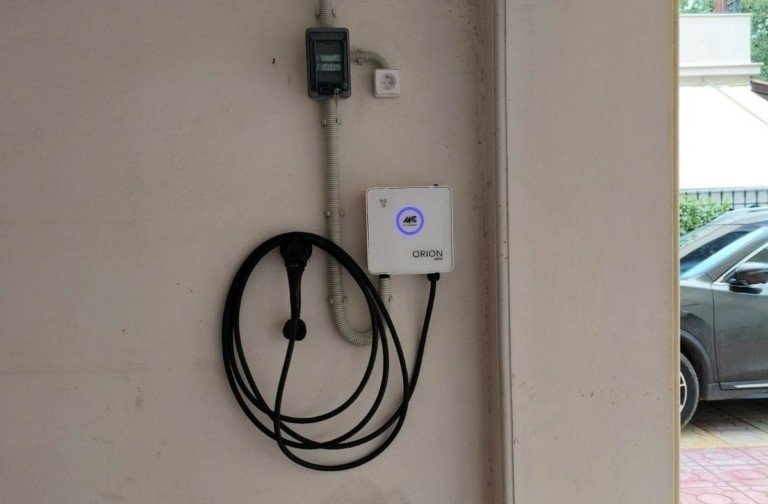
But reality is much simpler. If there is a private parking space and a home wallbox capacity of 7.4 kW, the vehicle is connected at night and is ready for use in the morning.
If private parking is not available, charging to a public charger is an easy process, corresponding to that in a wallbox.
The most interesting element is that daily car charging is not necessary. Most people do it once or twice a week if they travel daily from 50 to 80 km, On average. It is the equivalent of a visit to a fuel station every ten days.
On long trips, public couriers operate in a standard manner: Connecting the cable to the vehicle, identification by application or card and start charging. The fear of «I won't know what to do.» disappears usually after first use of a speed charger.
2. «I don't have enough autonomy for the car.»
The second greatest concern of those who avoid having a purely electric vehicle concerns the provision of autonomy until its forced charging.

Obviously, a distinction must be made between the standard maximum distance communicated by companies (by «WLTP») and that which is sufficient in real working conditions.
Is that a real problem? No, for 95%. daily movements, as it turns out. The three most important factors affecting real autonomy are the speed of motion (e.g. at 130 km/h energy consumption increases significantly over whether the driver chooses to move at 110 km/h), ambient temperature, (e.g. in winter autonomy can be reduced by 15%-20%) and of course The driving style.
The driver of a purely electric vehicle needs to adjust some of its habits that he had in his car with an internal combustion engine. However, this change in new data requires little time and is made easily.
3. «I'll stay out of battery on a long journey»
Research shows that it may be the most persistent fear, but also the most excessive.
Now, according to the information listed on its official platform «Register of Infrastructures and Power Market Entities» («MOTHER») in early 2026 the total number of public chargers in Greece There were 10,000..
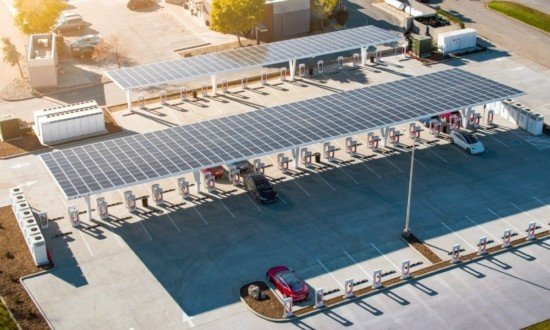
They are scattered into at least 3.818 locations throughout the Greek territory and their network is constantly expanding. In fact, on the highways there is a network of power chargers at least 150 kW and above, in particular in the Motor Service Stations (SCE), where charging takes a few minutes, i.e. enough to take a break and rest.
Of course, the fear that someone will stay on the road in an electric car is valid and comes mainly from its early years electric motor, when the available charging points were minimal and often out of service. But nowadays this has changed radically.
4. «The amount I will pay for charging is too expensive»
Now, that's not true, at least not as much as we think. Whether by charging to domestic supply or public chargers, the cost per time turns out it's smaller or almost the same. whether we were fueling a car with an internal combustion engine.
Indeed, as it turns out in practice, saving money from charging a purely electric vehicle is particularly important over time, especially for those travelling through more than 15,000 kilometers per year.
5. «My life as a guide will change a lot.»
This phrase-faith concerns more our incense and our established habits as guides than in essence.
Of course, we need to change some things and adapt to the reality of electric vehicles. But change is easier than we think and will not last more than a week.
In fact, we must To change our three habits: Don't press the right pedal constantly, get used to slowing down due to the regenerative braking system (or system) «one pedal drive», where there is) and activate – via the corresponding application on our smartphone – the air conditioning system before we board our car.
NEWS TODAY
Porsche Cayenne Electric in Greece (+ prices)
Audi revives the aerodynamic «arrow» of 326 km/h
Nissan prepares electricity with photovoltaics
Share it

