
The Iranian economy was under pressure even before the US and Israel decided to declare war in the Islamic Republic. He was dealing with recession, galloping inflation And a monetary crisis. So he would expect amid war, but also a naval blockade to be completely bent.
However, as Bloomberg points out, it has not yet reached a point of collapse, as Donald Trump expected. The news network explains the conditions and how the Iranian economy stays alive.
Crisis began before war
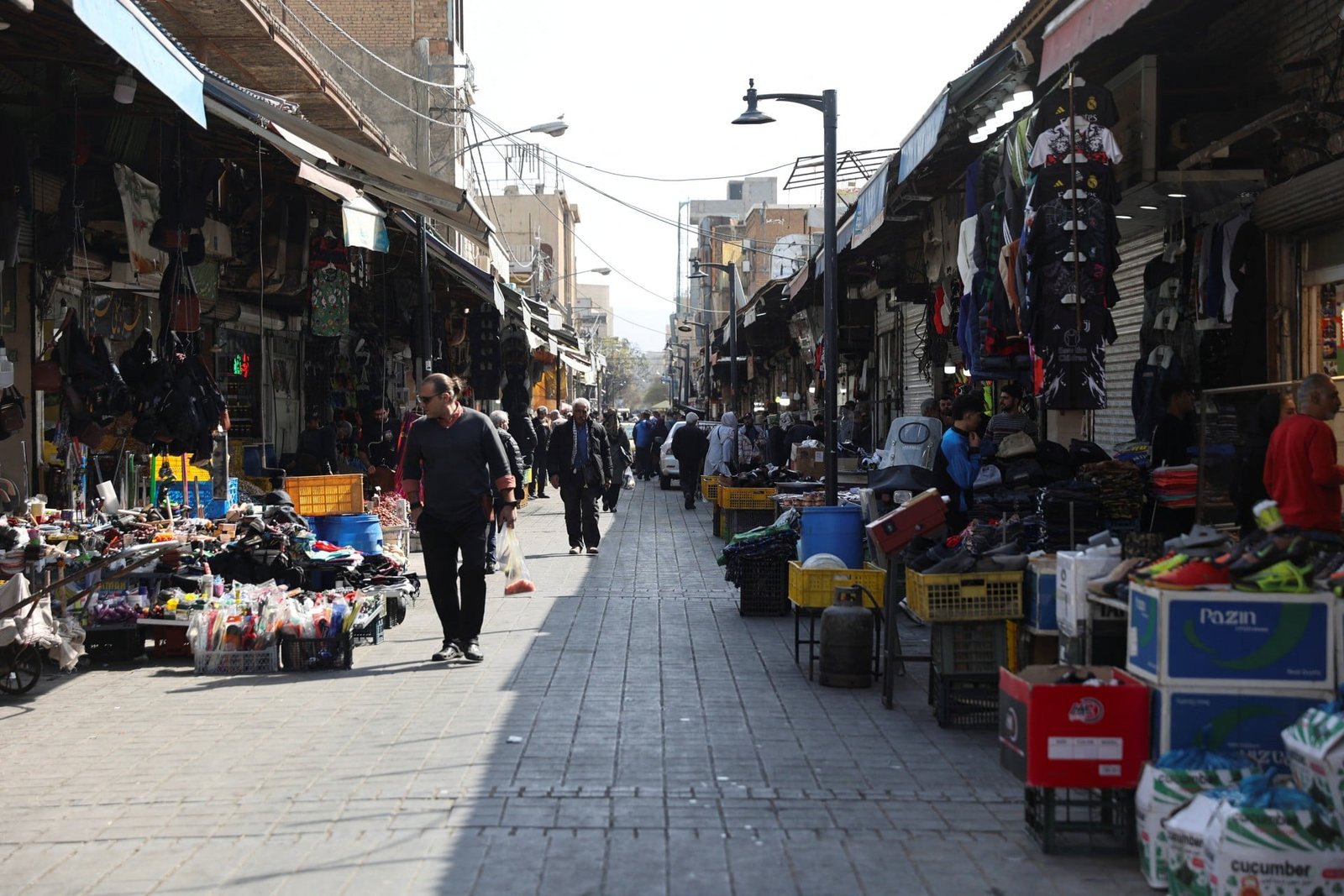
The daily lives of Iranians had become increasingly difficult long before the American and Israeli attacks. Prices of basic goods had been launched, making it increasingly difficult to buy meat, eggs, rice, and other essentials. Many households were forced to change eating habits, replacing meat with cheaper products.
The main cause was the dramatic reduction in export revenue and foreign exchange inputs after the reinstatement of American sanctions during Donald Trump's first presidency. The lack of dollars led to a collapse of the rial and a large increase in import costs.
The economy shrunk by 1.5% in 2025, while the government was faced with massive social reactions when the new dip of the national currency sparked a wave of protests.
Majid Asgaripour/WANA (West Asia News Agency) via REUTERS
What a burden the war had on the situation
American and Israeli bombings caused damage to homes, hospitals, schools, energy installations, refineries, fuel warehouses and steelworks.
According to Tehran, only the first six weeks of operations caused financial losses of about $ 270 billion. — This year's GDP is approaching.
Thousands of businesses closed, many permanently, while economic activity virtually froze for weeks. The International Monetary Fund predicts that in 2026 the economy will shrink by another 6.1%, recording the biggest recession in decades.
At the same time, inflation surged to 77%, while the rial retreated to new historically low. The lack of liquidity has led more and more households to payments markets even for basic services or products of everyday use.
A million jobs lost
The human cost of the economic crisis is becoming increasingly visible. Iranian media estimate that at least a million jobs have been lost since the start of the war.
Applications for unemployment benefit are increasing constantly, while the United Nations Development Programme warns that another 4.1 million people may go below the international poverty line.
In other words, nearly one in twenty Iranians are in danger of being in extreme economic distress due to the conflict.
The blow of exclusion in the Straits of Hormuz
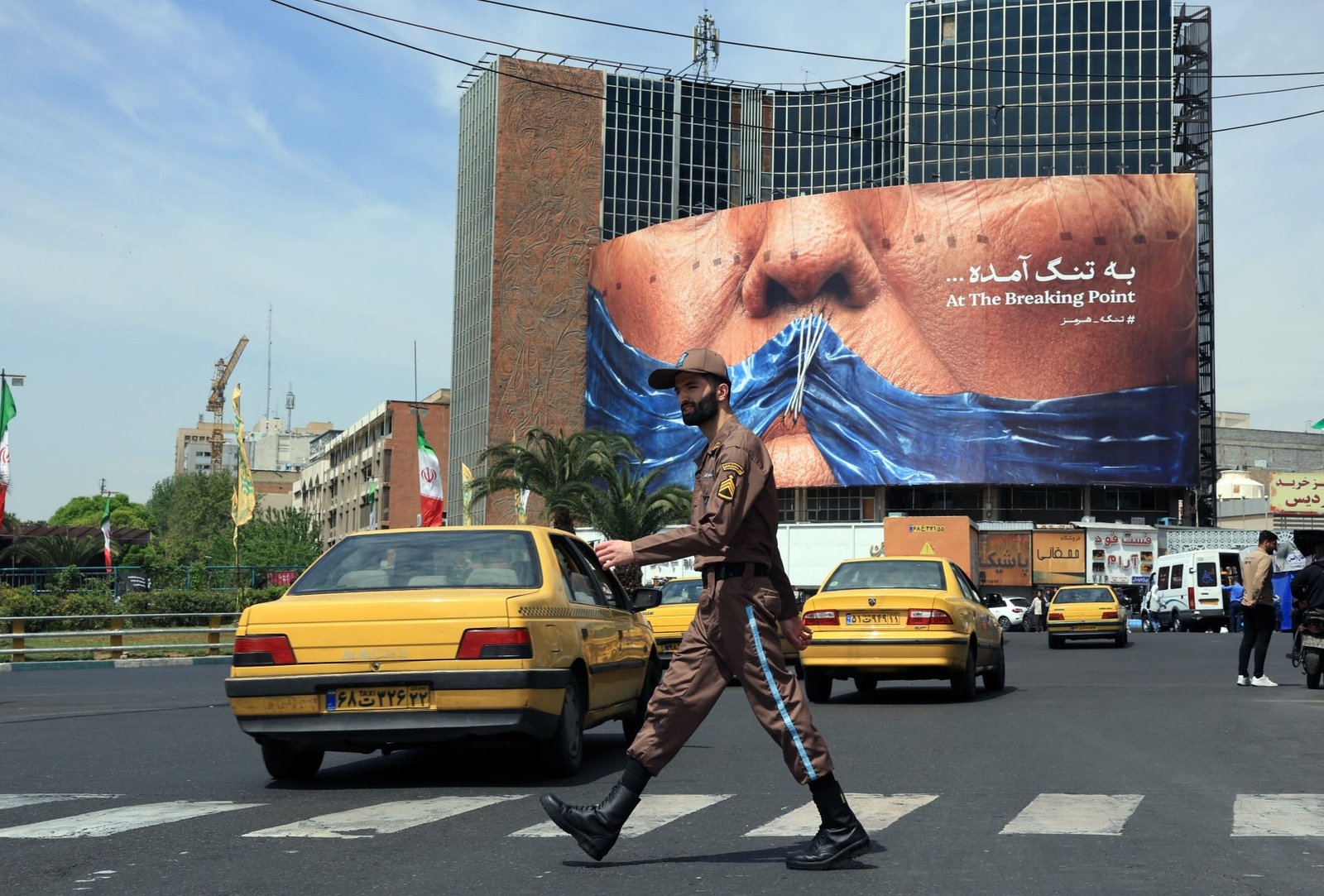
The biggest economic threat to Iran may come from the sea. Since mid-April, the American navy has been applying a blockade of ships heading for or leaving Iranian ports in the Persian Gulf, putting pressure on Tehran to reopen the Straits of Hormuz.
This development has drastically reduced exports of oil, petrochemical products and steel, depriving the country of valuable foreign currency revenue.
Production of crude oil declined in May to the lowest level in the last five years, while available exchange reserves are only sufficient for a few months of imports.
At the same time, import restrictions have created deficiencies in raw materials and commodities, affecting the food industry to processing.
ABEDIN TAHERKENAREH/EPA
The Internet became another victim
To the problems was added the extensive blackout online imposed by the government. For about three months, the majority of citizens had access only to state-controlled platforms and internal services. Business operators estimate that restrictions costed the economy from $30 to $40 million a day.
Although access was largely restored at the end of May, many restrictions still apply.
Why hasn't the economy collapsed?
The question that concerns analysts and markets is why the economy is still working. The answer lies in the peculiar «Resistance economy» which Iran has built for decades. The country has learned to operate under sanctions, trade blockades and international isolation. That's something Trump clearly didn't adequately calculate.
He has developed complex networks of patent companies to handle transactions, uses shadow tanker fleets for oil exports and has gained considerable experience in bypassing Western restrictions.
In addition, before the war he managed to significantly increase oil exports and benefit from the rise in international prices, creating an economic «pillow» which keeps on offering breaths.
At the same time, the government has banned exports of many commodities, giving priority to the domestic market, and is increasingly turning to alternative trade routes through Pakistan, Afghanistan, Russia and China.
The next day will be even harder
Even if a peace agreement is reached, reconstruction will take years and huge resources.
Tehran is calling for compensation for the disasters of the war and at the same time seeking to lift sanctions so that it can re-enter the international economy more smoothly. However, nothing guarantees that these demands will be accepted.
The biggest question ultimately concerns social endurance. Economic pressure increases the risk of new protests, but at present the regime seems to retain control. The bombardment scale has strengthened anti-Western feelings within the country, temporarily limiting pressure on the government.
Iran is currently in a delicate balance: strong enough to avoid collapse, but hurt enough to know that every additional month of war will make recovery harder and more expensive.
preferred source on Google
To show more articles by Maritime in your searches easily and quickly, you must add the site to your preferred sources. You can do it by going Here..

