
# Catalonia and the Netherlands: Alternative models to address the housing crisis
The housing crisis hits Europe with increased prices and fixed wages. In Greece the problem is exacerbated by the lack of new buildings and short term leases. In Catalonia an alternative model emerges: public-private partnership for economic, low-emission housing. The Cohabitac network manages 5,000 affordable homes, such as Adela Barquín with a rent of 500 euros versus an average of 1,193 euros in Barcelona. In the Netherlands, 30% of dwellings are social, with a unitary system controlling rents and state benefits for low-paid people.
Analyticalally:
The housing crisis threats to European foundations. Lack of social housing leads to price increases while wages remain stagnant and millions of people cannot secure affordable housing.
The alternative approach aimed at building sustainable and economic buildings, while seeking social equality and environmental protection
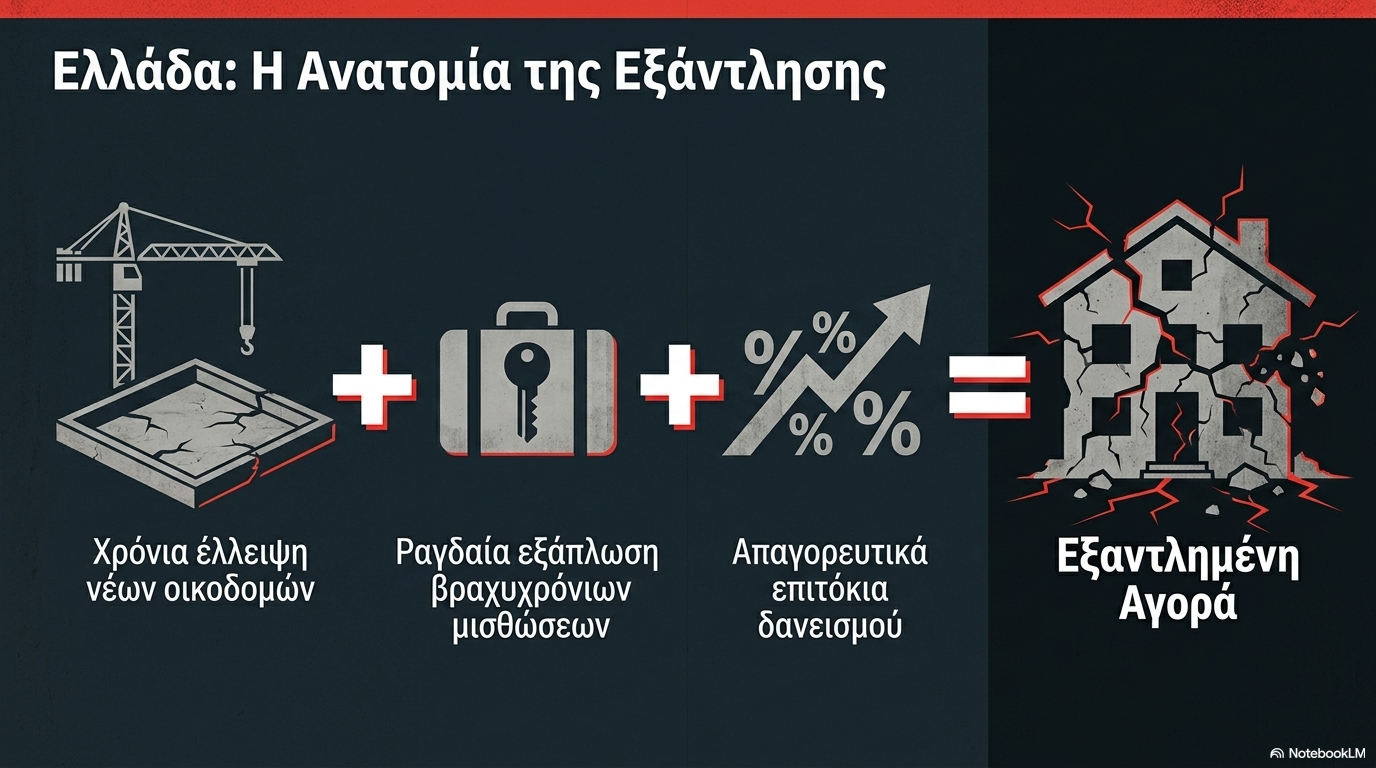
In Greece the phenomenon is powered by one «explosive» combination factors: the chronic lack of new buildings, the rapid spread of short-term leases that absorb the available stock and the increase in interest rates that make lending prohibitive for the average family.
With prices completely cut off from the level of basic wages, finding affordable housing resembles «treasure hunt» in an exhausted market.
An alternative system to housing crisis
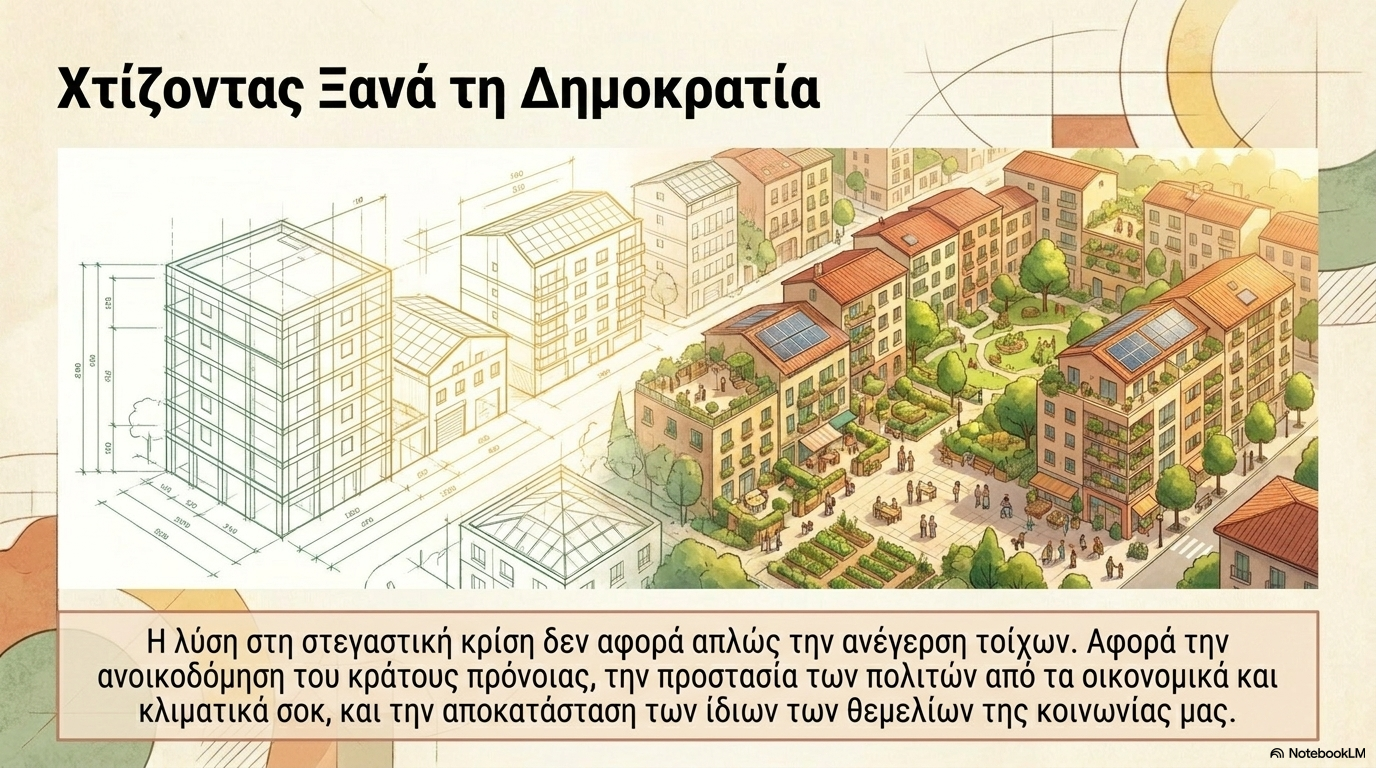
In Spain too, the problem is particularly acute. However, in Catalonia an alternative system emerges: a system that recognizes affordable housing as a human right, as a pillar of the welfare state and as a means to address inequality and climate change.
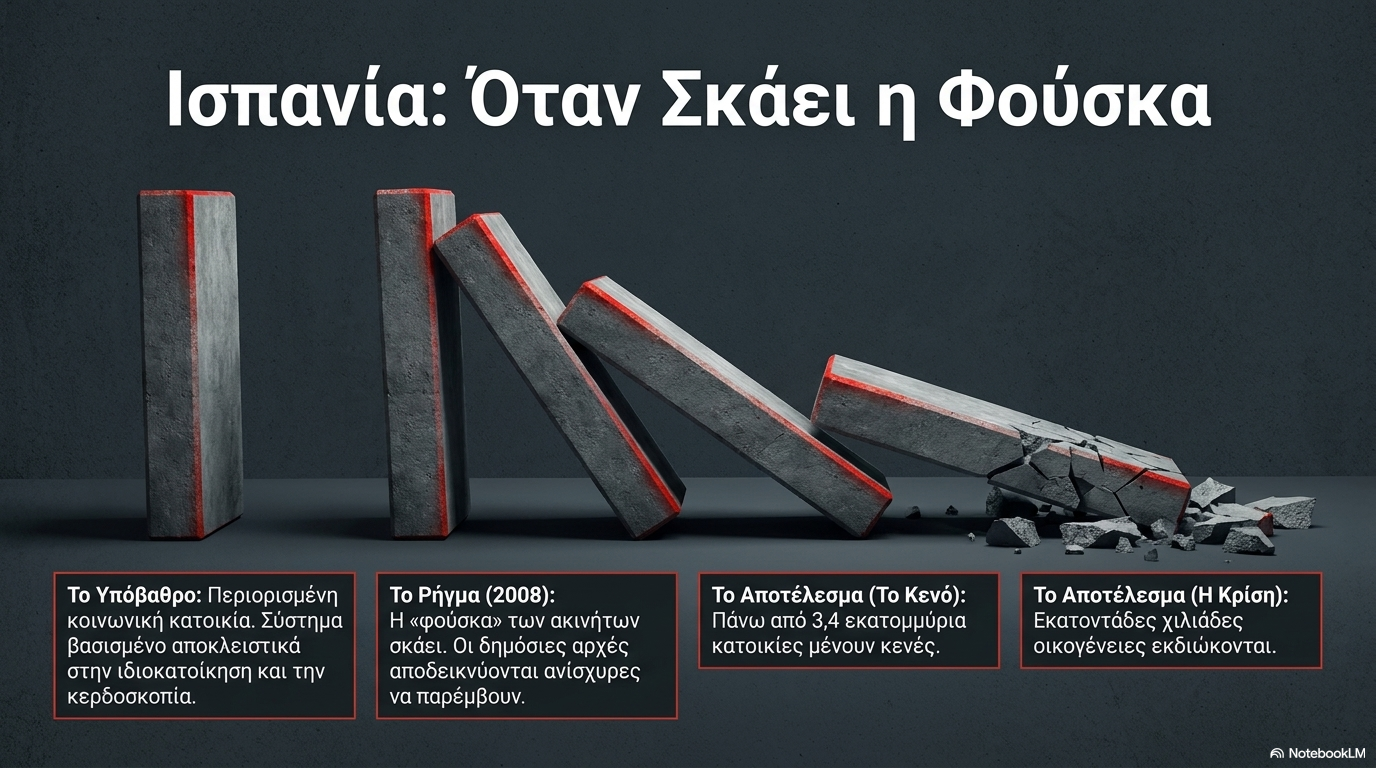
Spain's housing system, writes theconversation, has long been based largely on ownership. The limited number of social housing houses leaves public authorities limited scope to intervene against price increases. When the «bubble» real estate in the Iberian country broke down in 2008, a housing system based on speculation was revealed rather than stability. Over 3.4 million homes were left vacant and hundreds of thousands of families were expelled.
The effects of the financial crisis are still felt to date: reduced ownership has pushed more households into rental houses, increasing the pressure on rents.
Meanwhile, 80% of the tenants in Madrid and Barcelona are reporting serious problems with the situation of their homes. This results in a large number of people exposed to warmer summers, cold winters and increasing energy bills, while the poorest are the most exposed to these conditions.
One «fair» Answer
The «fair» Catalonia's response to the housing crisis is based on cooperation. Public authorities, non-profit actors, businesses and cooperatives share responsibility for building and refurbishing houses that are affordable, low carbon emissions and have a social impact.
In Barcelona, Casa Bloc is a residential complex dating back to the early 20th century. It was renovated by the non-profit housing organization Hàbitat3. The 17 apartments combine sustainability features, such as windows with triple glazing and shared heat pump, with social support for vulnerable families.
Adela Barquín, a complex of rented apartments for people over 65, promotes physical and social well-being. This includes designs that require minimal maintenance and are well studied to encourage movement and social activity. The building also uses passive heating and cooling systems extremely low energy consumption, which keep internal temperatures at comfortable levels. The cost for tenants is just 500 euros a month, which is less than half the average rent in Barcelona, which is 1.193 euros.
In the last decade, partnerships have been formalised through networks such as Cohabitac, a Catalan alliance of non-profit housing organizations that manages about 5,000 affordable housing. Cohabitac is now a reliable partner of public authorities.

Small scale model
Municipal authorities have played a central role. The public-social partnership of the municipality of Barcelona mobilises non-profit actors to develop and manage affordable housing on public land under long-term agreements.
Catalonia's housing system is remodeled as a social infrastructure for a time of low carbon emissions. This is supported by public policies and long-term investments, including a loan of EUR 31 million from the Council of Europe Development Bank.
The Catalan model is small-scale, but separate. It promotes partnerships between the public, private and social sectors with a view to reducing CO2 emissions and questions the perception that houses regard as financial assets rather than living areas.
In the capital of the Netherlands
The Netherlands «Answer» is often a reference point as the country has one of the largest social housing rates in Europe (approximately 30% of the total housing stock).
In Amsterdam, much of the residential stock belongs to cooperatives or entities with strong public participation, reducing dependence on purely private markets and providing more stable and lower cost options for residents.
How it works
The Netherlands uses a particle system to determine the value of a property. Each house gets points based on square, energy class, benefits and location. If the points are below a limit, the rent cannot exceed a certain amount.
The state directly helps low income tenants through monthly allowances. If rent is considered high in relation to income the state covers part of it, ensuring that housing costs remain sustainable.

