
Warning for popular pasta circulating on the Greek market – Exceeding limits on substances with possible carcinogenic effect
Alarm has meant to European food safety authorities, after the detection of high concentrations of dangerous chemical impurities in pasta with a risk category.potentially severe". The warning, issued by Germany through the Early Warning System for Food and Feed on 17 April 2026, says they are being traded to 23 countries, including Greece, where the product is sold to a large number of retail outlets, from large supermarket chains to electronic food distribution platforms and specialised international kitchen grocery stores.
Laboratory tests revealed increased levels of the substance 3-MCPD and fatty acid glycidyl estersIn particular, it was found that the levels of glycidol in total fat of the product exceed the maximum permitted limits laid down in European legislation. These substances are classified in industrial pollutants and form unintentionally during food processing, mainly in the process of refining plant oils at high temperatures. The EFSA has set a tolerated daily dose (TDI) for 3-MCPD at 2 μg/kg body weight. For Glycidol there is no safe dose and it is recommended to reduce its presence in food as much as possible.
Notification concerns instant noodles with chicken flavor Samyang carbonara and more specifically pasta Samyang Instant Noodles Scharfes Huhn Carbonara Cup in a package of 80 grams, with expiry date on 28 August 2026 and batch number HW3 (see photo below). Due to the popularity of the instant meals of this brand, consumers will be good to show increased attention and check the stocks already purchased, focusing on the lot number and the expiry date, as the trafficking of the species is extensive throughout the territory.
Chemical 3-monochloropropanediol (3-MCPD) and related substances called 3-MCPD esters are Infectious substances formed during food processing and are found in certain processed foods and vegetable oils, mainly palm oil. The 3-MCPD and its esters are formed unintentionally in these foods, especially during oil refining processes. The chemical also occurs as an infectious agent in rapeseed, soy, coconut, and sunflower seed. These oils are used as ingredients in various foods, ranging from biscuits to infant foods, mayonnaise and food supplements. EFSA expert group on impurities first assessed the potential risks of 3-MCPD in 2016, concluding that they are a public health concern because they are Genotoxic and carcinogenic, i.e. they can damage DNA and cause cancer.
European legislation, through Regulation 2023/915, sets strict ceilings for these substances. The presence of glycidol at levels above the legal limit is characterised by health authorities as a potentially serious risk, as this substance has been classified as possibly carcinogenic and genotoxic for humans. Consumption of products with such concentrations may have long-term health effects, affecting genetic material and increasing the likelihood of neoplastic diseases. 3-MCPD has also been associated in toxicological studies with kidney and reproductive damage when intake exceeds the specified tolerated daily dose. Crossing the limits means that product safety is not guaranteed and consumer exposure is deemed unacceptable by the scientific community.
Already in Germany and the Netherlands drastic measures have been taken, including the prohibition of sale, withdrawal from shelves and withdrawal from final consumers. Authorities call on citizens who have supplied this lot not to consume it and return it to the points of sale, as the risk of these substances is not eliminated by cooking or preparing the meal. Greece is one of the countries that have received the relevant notice for monitoring the case and taking the necessary control measures on the domestic market.
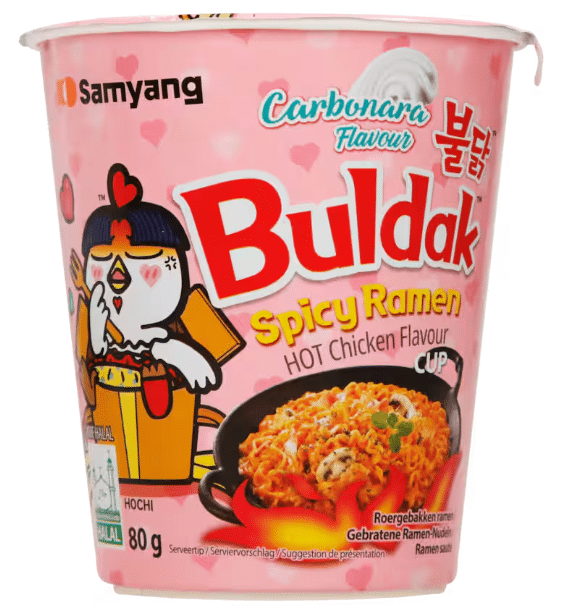
The photo of the momentary noodles the German authorities gave to the public.

