
Although Beijing urges the United States not to outweigh the dangers of artificial intelligence, the head of the country's secret services itself describes this technology as a threat to the security of the Communist Party.
THE Head of the Chinese Secret Service warned that artificial intelligence could be Direct threat to Communist Party power of the country, a statement which—according to New York Times– is the highest level and detailed description to date of how Beijing understands the risks involved in this technology for security.
His unusually sincere assessment Chen Yixin, Head of the Ministry of State Security of China, coming in contrast to warnings that dominate the debate on artificial intelligence in the United States, which have focused on the possibility artificial intelligence escape human control or pose a threat to humanity itself.
In an article published Sunday (13/9) in the state magazine «China Cyberspace», Chen Yixin requested greater control of the Party over artificial intelligence (AI) and stricter government supervision. This, he said, is necessary to protect political stability within the country, to defend against increasingly sophisticated cyberattacks and campaigns of misinformation from «hostile forces», as well as military competition with countries such as the United States.
Chen Yixin specifically referred to American technology companies and their artificial intelligence models as examples of new cybersecurity threats. He also described the risk that foreign intelligence would use artificial intelligence for «large-scale espionage» and attacks on China's critical infrastructure.
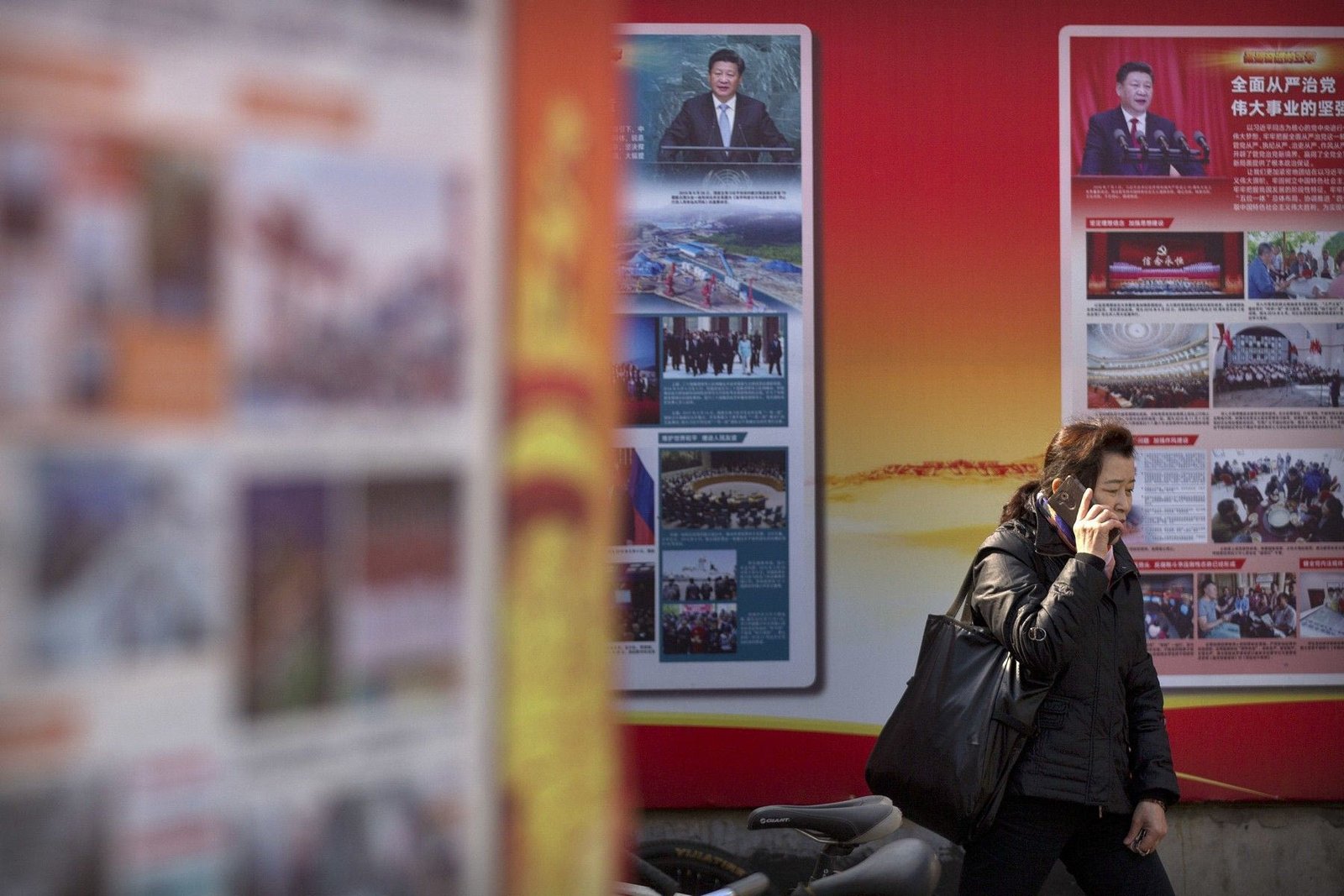
The warning makes it clear that China considers foreign artificial intelligence models as an active threat to the countryAccording to Henry Gao, professor of law at the University of Singapore. That's basically what's going on. a red line ahead of talks between American and Chinese officials on the safety risks of artificial intelligence, expected before the meeting between Donald Trump and Shi Jinping, on 24 September in Washington.
«Beijing approaches these talks considering the security of artificial intelligence not as a joint humanitarian mission» said Gao. It makes it clear to Chinese technology companies and their foreign competitors that «data sovereignty and security policy will never be exchanged with international security agreements».
This is not the first time the security service has mentioned the dangers of artificial intelligence, but These statements are considered as the most detailed and mark Beijing's growing concern for the industry.
The head of the security service described various ways in which artificial intelligence could pose a threat to China:
1. undermining the security of the Communist Party. The government's top priority has long been to maintain the authority of the ruling party. Chen Yixin's article warns that those with «hidden purposes» could use artificial intelligence to create fake videos and audio files, in order to unleash a «Propagandist war» against China.
«They are concerned, among other things, about the possibility, say, of a deepfake Chinese official saying something that was actually not said, and this being spread rapidly and destabilizing everything.» points out Kyle Chan, a researcher at Brookings Institution who studies Chinese technology and industrial policy. «Someone believes Shi Jinping made an announcement, which he did not actually make. This could sow chaos».
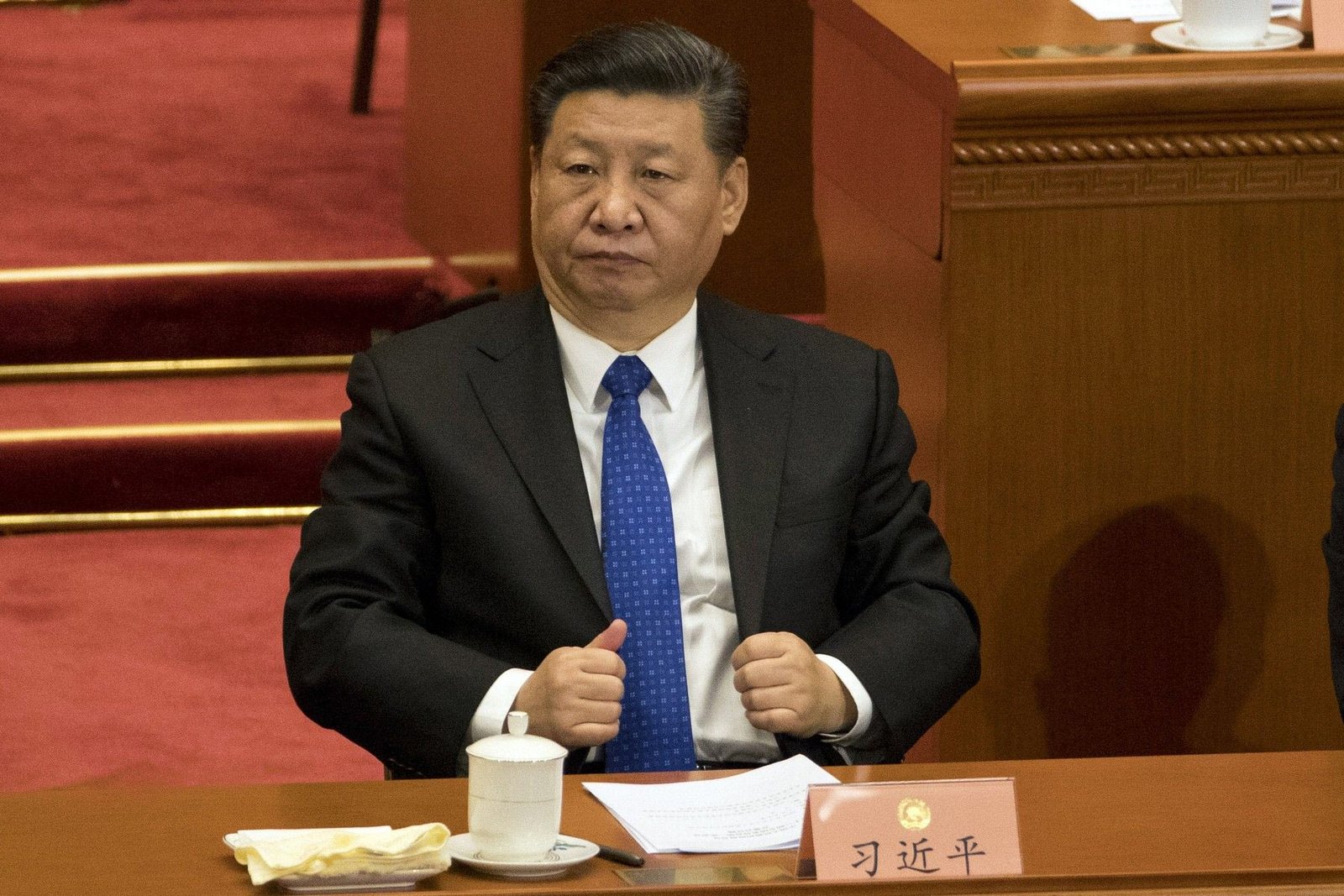
2. Attacks against China's critical infrastructure. Ο επικεφαλής των μυστικών υπηρεσιών έγραψε ότι τα τεχνικά και οικονομικά εμπόδια για την πραγματοποίηση κυβερνοεπιθέσεων έχουν μειωθεί δραστικά χάρη στην τεχνητή νοημοσύνη. Αυτό, όπως είπε, ενέχει «σοβαρούς κινδύνους» για τις υποδομές πληροφοριών της Κίνας. Την περασμένη εβδομάδα, μια μικρή ομάδα ερευνητών στην Καλιφόρνια κατέδειξε αυτόν τον κίνδυνο όταν αποκάλυψε ένα εργαλείο χάκινγκ που θα μπορούσε να αναλάβει τον έλεγχο εκατομμυρίων λογαριασμών χρηστών στο WeChat, την πιο διαδεδομένη εφαρμογή ανταλλαγής μηνυμάτων στην Κίνα.
3. Διαρροές ευαίσθητων πληροφοριών. Οι Κινέζοι χρήστες που χρησιμοποιούν ξένα μοντέλα τεχνητής νοημοσύνης θα μπορούσαν να προκαλέσουν διαρροές δεδομένων μεγάλης κλίμακας, σημειώνεται στο άρθρο. Η Anthropic, η εταιρεία πίσω από το Claude και άλλα μοντέλα τεχνητής νοημοσύνης, δήλωσε την περασμένη εβδομάδα ότι η κινεζική νεοφυής επιχείρηση Moonshot AI είχε δρομολογήσει ερωτήματα των χρηστών της προς το Claude. Τα ερωτήματα αυτά περιλάμβαναν ευαίσθητα δεδομένα, όπως βίντεο παρακολούθησης που συνδέονται με τον κινεζικό στρατό, καθώς και εμπιστευτικές πληροφορίες από γνωστές κινεζικές εταιρείες τεχνολογίας.
4. Εντονότερος στρατιωτικός ανταγωνισμός. Η χρήση της τεχνητής νοημοσύνης από τον αμερικανικό στρατό στον αμερικανο-ισραηλινό πόλεμο με το Ιράν αποτελεί παράδειγμα του πώς ο πόλεμος έχει «μεταμορφωθεί ριζικά», έγραψε ο Chen Yixin. Αναφέρει ότι όποιος καταφέρει να αξιοποιήσει τη δύναμη εργαλείων, όπως οι αλγόριθμοι, για να επιτύχει πιο ακριβή ανίχνευση και στόχευση, «θα αποκτήσει προβάδισμα στο πεδίο της μάχης».

