
Climate change did the «miracle» It is also in Italy that it threatens one of its most well-known products. Parmesan. The Emilia-Romania region, where the cheese industry Parmigiano Reggiano is based, has unprecedented weather conditions. Common heats.
The foundation of production for parmesan is the local grass – which becomes hay – with which cows producing the milk of the region feed exclusively. Because that is the only way the product is considered genuine, like all PDO products. And Italy climate change affects productivity.
Bars with open windows
A few decades ago, ranchers in Emilia-Romania, in summer evenings opened windows in the barns. So dairy cows cooled down.
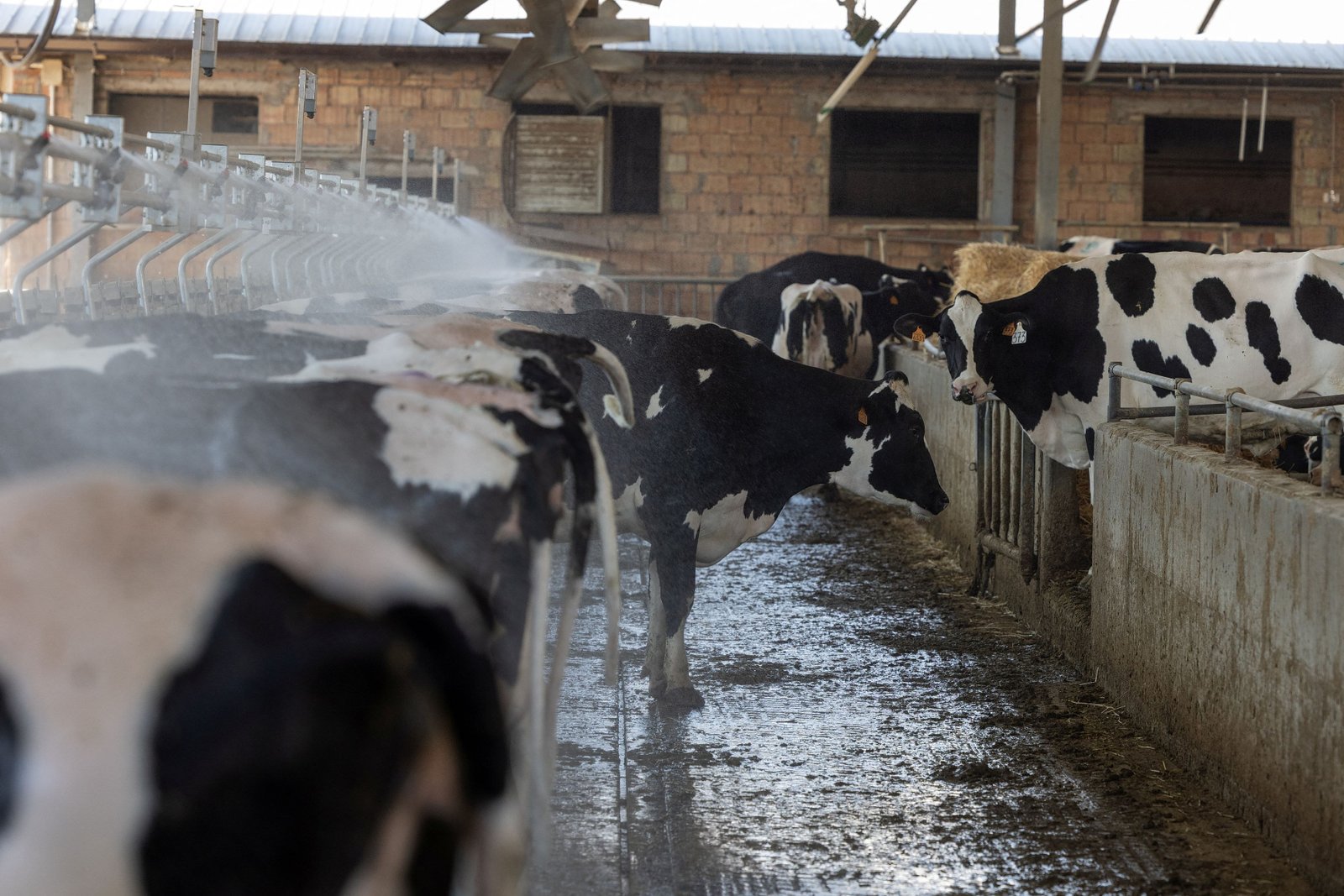
Dairy cows for parmesan in Modena / REUTERS/Matteo Minnella
Now, heat waves are common and windows remain open 24 hours a day. To protect their animals and precious milk.
Speaking to Reuters, Nikola Bertinelli, chairman of the Parmigiano Reggiano consortium, explains that «extreme heat affects the quality and quantity of milk». Bertinelli manages the dairy farm his family founded in 1895 on the outskirts of Parma.
When temperatures exceed 40 degrees Celsius, cows spend more time lying down, eating less and producing up to 10% less milk. The other ingredients contained in the original Reggiano parmesan are salt and rennet. Its production is only allowed in five provinces, mainly in Emilia-Romania.
«If it doesn't rain, the grass doesn't grow, it can't produce hay and it's impossible to get the milk needed to make cheese»Bertinelli says.
Air-conditioned barns...
Both Bertinelli and other ranchers have installed in his barns fans and hydronephrification systems. But air conditioning means increased energy costs.
Higher electricity bills are also paid by warehouse managers where cheese heads are placed. Their maturity lasts 12 months, minimum, and can reach three years or more.
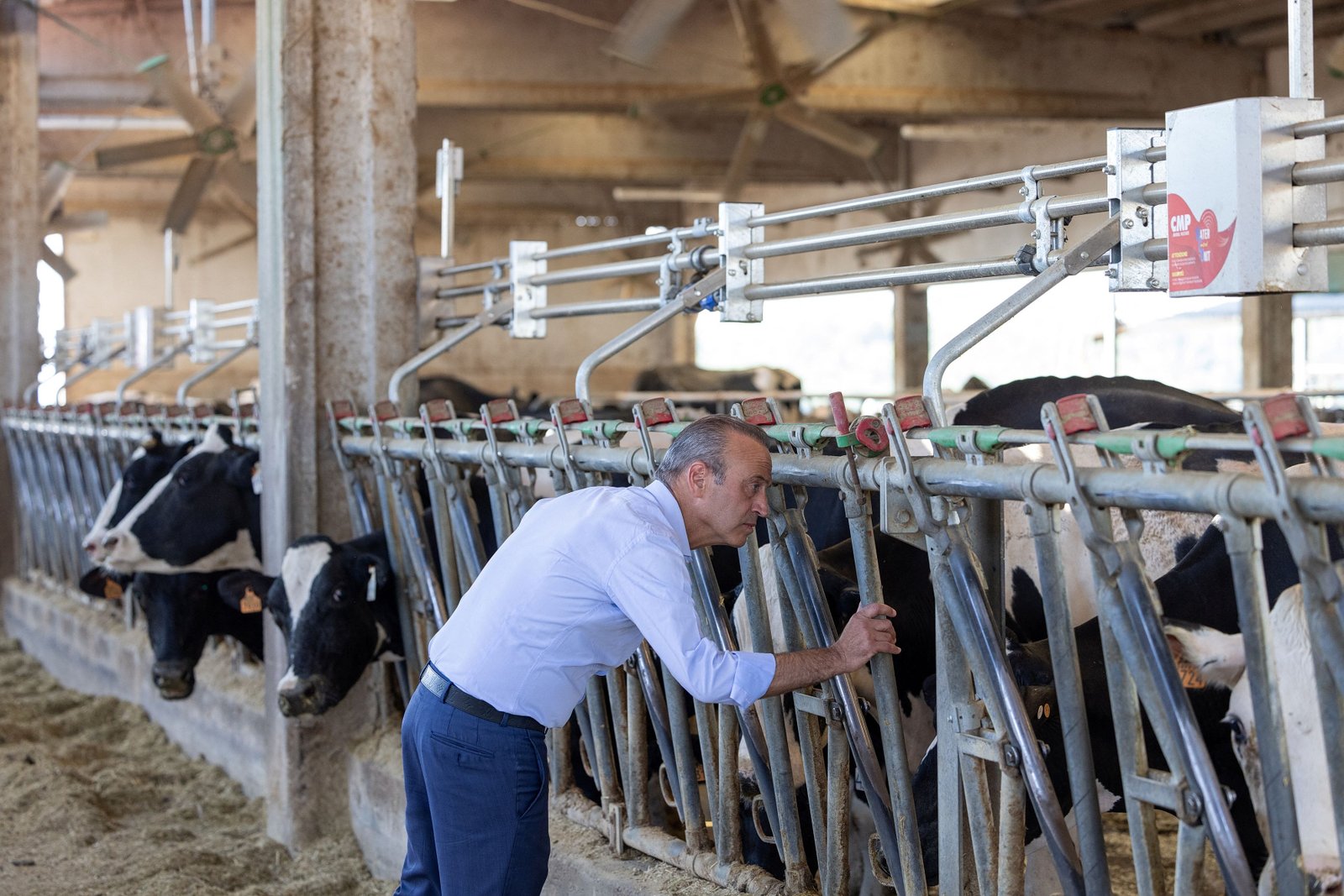
Nicola Bertinelli from Emilia-Romania / REUTERS/Matteo Minnella
Giancarlo Ravanetti, director of Magazzini Generali delle Tagliate (MGT), which is one of two companies managing the storage of cheese heads, explains: «During this year's fuel consumption increased by about 30%».
More than 500,000 parmesan heads Reggiano, with a total value of over 300 million euros, are stored in the company's two warehouses in Emilia-Pomania and Modena.
«To make our facilities as energy efficient as possible, we improved our cooling systems and boilers, upgraded the insulation of buildings and increased production of renewable energy sources», add.
The last generation to eat Reggiano parmesan
The warehouses in the area with controlled climate are sort of an institution. And they are known in their entirety as Parmesan Bank. Behind their walls, technology and tradition go along.
Each reggiano parmesan head is subjected to strict quality controls to exclude any defects. Even with X-ray scanner The cheese is checked weekly by experts who hit each wheel with small hammers, hearing of fault marks that may have developed during the maturation process. «The human factor remains the key and is the real power of the entire process», says Jancarlo Ravanetti.
Paolo Ganzerly, director of international sales to the GranTerre food group, noted:
«If extreme phenomena become longer and more pronounced, they will certainly have an impact on both the quantity and quality of milk. But above all it will lead to higher costs».
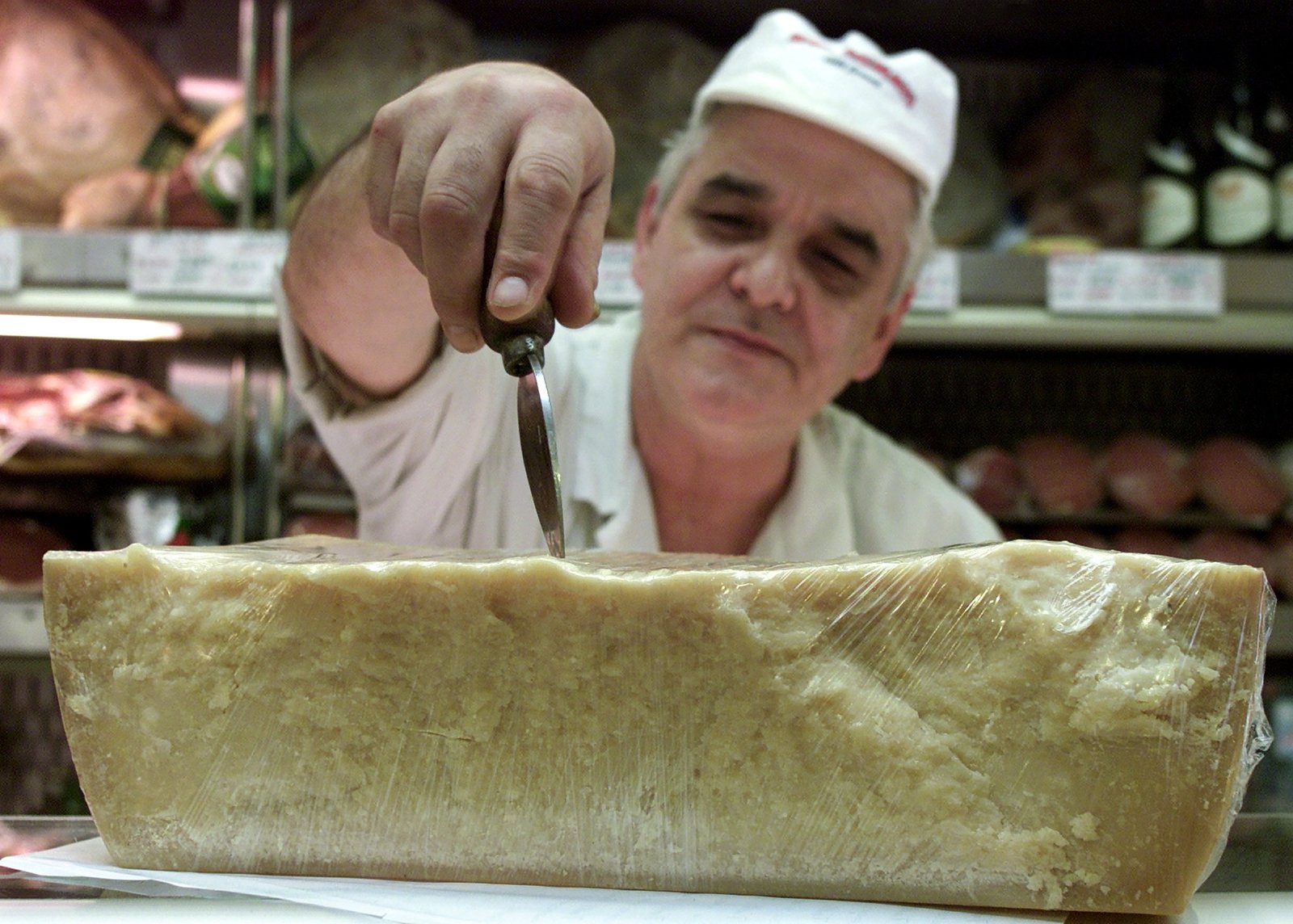
Rome: Grocery Cuts Parmesan / REUTERS/Alessia Pierdomenico
The Parmigiano Reggiano industry has some EUR 4.5 billion per year. It employs thousands and feeds the local economy.
In 2025, cheese exports accounted for more than 50% of Parmigiano Reggiano's global sales. The US was the largest foreign market.
Parmigiano Reggiano cheese «exists for more than 800 years», said Ganzerly. «We don't want to be the last generation to eat it.».
Source: Reuters

