
In a twist that few would expect for 2026, cabbage becomes trend and becomes increasingly popular on platforms such as Instagram and TikTok.
In fact, Pinterest highlighted it as the «It» Vegetable of the year, predicting that recipes and cabbage-based creations will dominate.
Despite his reputation as a «low» Vegetable, its popularity has a reasonable basis. «The cabbage is economical, flexible, delicious and full, but for years it did not have the attention it deserved», explains Nate Wood from Yale School of Medicine.
The most important thing is that it can offer impressive benefits to the microvioma of the intestine – the community of billions of microorganisms living in the digestive system.
Rich in fibre
One cup of raw cabbage contains about 2 grams of fiber. It may seem a small amount, but most people do not meet their daily needs (about 28 grams on a 2,000 calorie diet).
The cabbage fibers are mainly insoluble, contributing to the proper functioning of the intestine and to the feeling of saturation. But it also contains soluble fibers that help reduce cholesterol and better control sugar.
In addition, part of the fibres acts as prebiotic, «Food» for good bowel bacteria, enhancing digestion, immune and metal absorption.
Ideal for fermentation
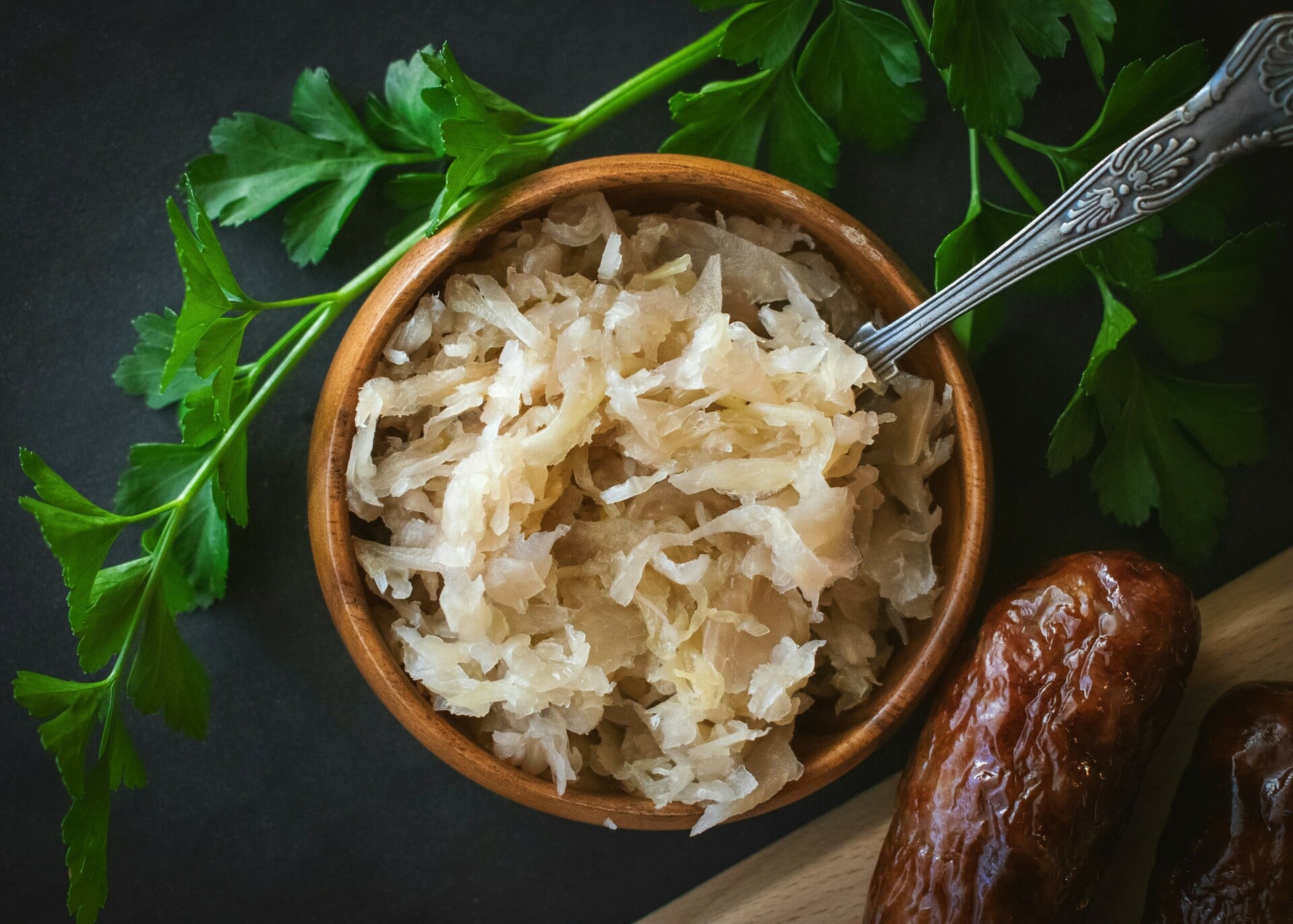
In forms such as sauerkraut and kimchi, cabbage is an excellent source of probiotics. These foods enhance the variety of microbiota, which is associated with better health and stronger immune systems.
«Eating fermented cabbage, you receive both good bacteria and their "food"», notes Wood.
 Facebook Twitter File photo: Unsplash
However, consumption should be done by measure – especially if you are not used to foods with many fibers – as it can cause bloating. The recommendation is to gradually increase the quantity.
Rich in micronutrients
The cabbage contains important nutrients such as vitamin C, vitamin K, vitamin B6 and folate. A cup of raw cabbage offers about 36 mg vitamin C – almost half the daily need.
At the same time, like many plant foods, it contains antioxidants that protect cells and are associated with lower inflammation and possibly reduced risk of chronic diseases.
In addition, it is particularly moisturizing, as it has a high water content and low levels of sodium, fat and calories.
How to fit it into your diet
The cabbage can be used in many recipes:
- Make a simple coleslaw salad and add it to tacos, burgers or sandwiches
- He used chopped cabbage instead of lettuce in salads or bowls. Add sour cabbage or kimchi for intense taste
- Bake it in the oven with olive oil and herbs
- Try red cabbage for more «soft» texture
Even if you don't like it, experts suggest you give him a second chance. — Changing variety or way of cooking can be viewed with another eye.
With information from The Washington Post

