
The real revolution in Artificial Intelligence will not just come from stronger language models, but once machines can take over and solve complex problems without human intervention or even without prior mandate. This appreciates the American Enterprise Institute executive, Michael Rubin, who, speaking to Liberal, describes a world in which AI could dramatically accelerate the discovery of cures, solve unresolved mathematical problems and transform entire professional branches.
At the same time, however, the American analyst warns that the same technology can radically change the war, with autonomous and increasingly smaller weapons systems, while seeing AI's global race evolve into a critical field of geopolitical power.
At the same time, it considers that Europe is in danger of losing even more ground against the USA and China, but leaving a window of optimism for Greece, which it considers capable of achieving multiple economic growth over the next decades.
Interview with Christos Th. Panagopoulos
Sir Rubin, over the last three years the discussion has revolved heavily around Productive Artificial Intelligence and large language models. However, if we look five or ten years ahead, what do you think will be «next big Thing» In Artificial Intelligence?
The gold standard will be the ability of Artificial Intelligence to solve extensive problems without human intervention or orders. For example, TN will really prove that it is a technology as important as the car, the phone or the internet when it will be able to plan medications or treatments for extremely rare diseases. Think of the desperate search, in the 1980s, of a drug that would cure him HIV and would reverse the AIDSIt took decades.
Imagine if researchers could let TN move to the unknown and limit that time to weeks, if not days. Many researchers also expect to see if TN, in itself, can solve mathematical problems of centuries, while computer developers are already discussing when TN will start facing autonomous problems that people have not assigned to solve.
In 2023 you wrote that Artificial Intelligence is a tool, but a tool that must be approached with caution. Today, however, we see systems that can design, use tools, perform actions and operate with ever greater autonomy. Is there a point where TN effectively ceases to be a passive tool and becomes an autonomous decision-making factor? And, if so, how should governments prepare for this transition?
Governments will probably give in to the desire to regulate TN, but can approach it in two different ways. Many Western governments, faced with a wave of public concern due to job losses and redundancies, will try to halt the progress of TN, while other governments may simply seek arrangements to direct research or limited energy resources in specific directions, for example in medical research or military autonomy.
Although the opposition to TN progress can be popular when the declared goal is to protect jobs and lifestyle, it is naive to believe that this will work. My doctoral thesis was about introducing the telegraph into the Middle East. There were many established interests in Persia, the Ottoman Empire and Saudi Arabia that opposed the new technology or tried to control it, but this never worked for long. The same can be said about television and the Internet. When I first visited Iraqi Kurdistan in 2000, university students attempted to restrict internet access. But there are always ways of bypassing and a technology, once developed, is rarely forgotten.
Instead of trying to freeze time, a more productive debate would be how to get those who cannot adapt to retirement out. — the western equivalent of the oldest generation of Soviets at the end of the Soviet Union — and at the same time how those who want to use IT platforms for new services or business routes will be strengthened. Mid-class ambitions may also change. There will be less need for primary care lawyers and doctors, but artisans — Electrical, hydraulic and carpenters, for example — may experience a revival in their prestige and rewards.
The greatest danger will be autonomous weapons that do not need human supervision. It may be easy in Europe and the United States to simply state that these should be banned, but what happens when Russia, North Korea, China or some uncontrolled groups develop them? It will not be enough to hideOur heads in the sand, just as it was not enough in the case of nuclear weapons.
You have previously argued that the United States has the strongest paper in Artificial Intelligence. However, recent developments show that the performance difference between the top American and Chinese TN models has decreased significantly. Do you still believe that the United States has a viable strategic advantage or could China win the race not necessarily by building the best model, but by quickly integrating TN into industry, defence and state functions?
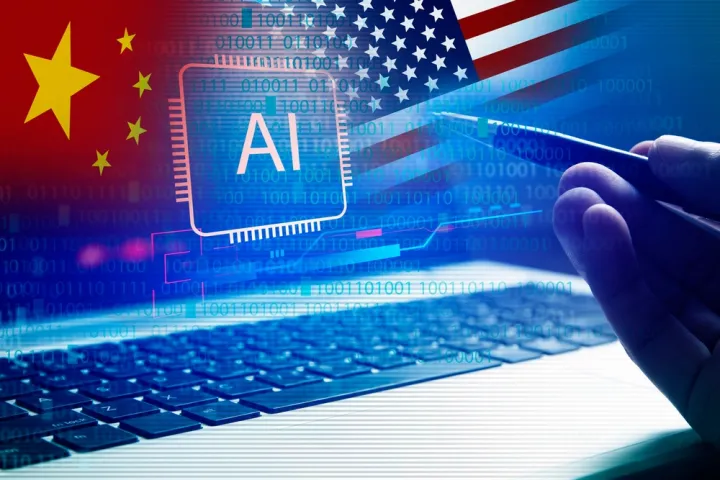
It's still too early to say. America still has the advantage of chips and computing power· China, however, has shown greater creativity in programming and has wider access to data on the education of its systems.
The real advantage China currently has over the West is its contempt for individual rights and environmental regulation. If huge power stations are needed to power up TN, Chinese leaders will not be particularly interested in what this can mean for neighbouring cities, while Western democracies should always listen to their societies.
What may therefore be needed is closer cooperation between the West and countries such as the United Arab Emirates, which have both space and energy resources to build huge data centerWithout having to worry about public dissent.
You have written extensively about Iranians drones and the incorporation of Artificial Intelligence into weapon systems. What will be the real revolution on the battlefield: a more advanced individual drone or thousands of relatively cheap autonomous systems that can communicate, select targets and operate as a cluster without constant human intervention? And how close are we to a world where TN compresses military decision-making time to such an extent that it becomes dangerous even for the great powers themselves?
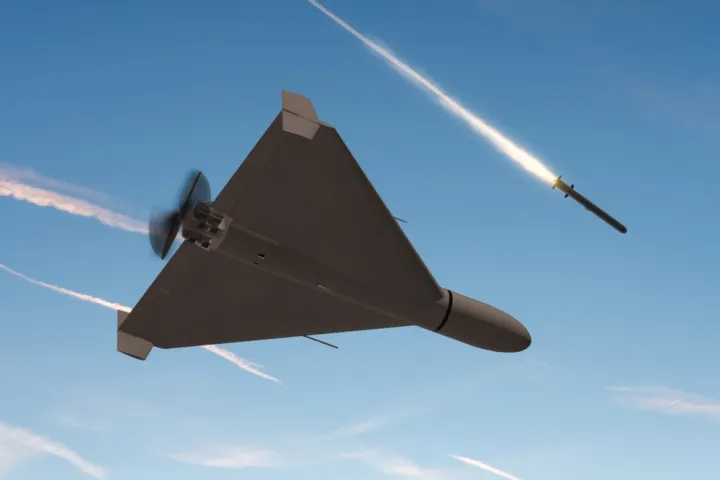
The largest is not necessarily better. What appears on the horizon is not just clusters drones, but also further reduction combined with personalization of weapons. Forget it. drones as tiny aircraft. Imagine, instead, drones Bomb size, programmed to pursue a particular person.
Imagine, for example, the Islamic Revolution Guard Corps launching an autonomous drone specifically targeting Donald Trump or Benjamin Netanyahu. Israel detected Iranian officials through Tehran traffic cameras. What if we networked mini-drones Can they do the same? What President Eisenhower called «Military industrial complex» will resist the end of multi-billion dollar aircraft or aircraft carriers, which take a decade to build.
Όμως η αδυναμία χωρών όπως οι Ηνωμένες Πολιτείες να προσαρμοστούν σε μια νέα γενιά πολέμου θα οδηγήσει τελικά στην ήττα τους. Τον Ιούνιο του 2026 περιηγήθηκα σε ένα μυστικό ουκρανικό εργοστάσιο drones και η ικανότητα του Κιέβου να παράγει πολλά drones ανά λεπτό είναι αυτό που ο υπόλοιπος κόσμος πρέπει πλέον να μιμηθεί.
Έχετε εξετάσει το ενδεχόμενο η Τεχνητή Νοημοσύνη να συμβάλει ακόμη και στην αποδυνάμωση του ιρανικού καθεστώτος. Την ίδια στιγμή, αυτές οι τεχνολογίες προσφέρουν στις αυταρχικές κυβερνήσεις πρωτοφανείς δυνατότητες επιτήρησης, προπαγάνδας, deepfakes και χειραγώγησης της πληροφορίας. Σε αυτή την αναμέτρηση, ποιος έχει τελικά το πλεονέκτημα: οι πολίτες που αποκτούν νέα εργαλεία για να παρακάμπτουν τον κρατικό έλεγχο ή οι κυβερνήσεις που αποκτούν ολοένα ισχυρότερα μέσα για να παρακολουθούν τους πολίτες και να διαμορφώνουν την αντίληψή τους για την πραγματικότητα;
Με μια πρώτη ματιά, οι άνθρωποι υποθέτουν ότι η ΤΝ θα ωφελήσει τους τυράννους. Αυτό είναι ασφαλώς το στοίχημα της Κίνας. Όμως δεν είμαι τόσο βέβαιος. Οι κυβερνήσεις προσπάθησαν να ελέγξουν πρώτα τον τηλέγραφο και στη συνέχεια το ραδιόφωνο και την τηλεόραση, αλλά η επιδίωξη της δημοκρατίας και της ελευθερίας είναι μια ισχυρή δύναμη. Τελικά, οι απλοί πολίτες και η κοινωνία των πολιτών χρησιμοποίησαν την ίδια τεχνολογία για να νικήσουν τους τυράννους. Το ίδιο συνέβη με το διαδίκτυο και, πιο πρόσφατα, με τα μέσα κοινωνικής δικτύωσης. Οι κυβερνήσεις μπορεί να επιχειρήσουν καταστολή, αλλά είτε μέσω VPN είτε μέσω Starlink, υπάρχει πάντα ένας τρόπος παράκαμψης.
Οι κυβερνήσεις μπορεί για μερικά χρόνια να φαίνεται ότι έχουν το πάνω χέρι, όμως πρέπει επίσης να ανησυχούν για εσωτερικές απειλές και για την πρόσβαση που αποκτούν όσοι βρίσκονται έξω από τον άμεσο έλεγχό τους. Η επιτήρηση μέσω ΤΝ μπορεί να μοιάζει αλάνθαστη, αλλά εμπιστεύομαι επίσης την ανθρώπινη ευρηματικότητα ότι θα βρει τρόπους να την υπερνικήσει. Το βλέπουμε ήδη στις Ηνωμένες Πολιτείες, για παράδειγμα, με τεχνολογίες που μπορούν να παρακάμπτουν συστήματα ανάγνωσης πινακίδων κυκλοφορίας, ακόμη και την αναγνώριση προσώπου.
Αν η Τεχνητή Νοημοσύνη εξελίσσεται από οικονομική τεχνολογία σε θεμελιώδες συστατικό της εθνικής ισχύος, μπορεί η Ευρώπη να αντέξει να παραμένει κυρίως ρυθμιστής της ΤΝ, ενώ οι Ηνωμένες Πολιτείες και η Κίνα ανταγωνίζονται στην ανάπτυξη μοντέλων, υποδομών, τσιπ, αυτόνομων πρακτόρων και ρομποτικής; Ή μήπως η τεχνολογική εξάρτηση κινδυνεύει σταδιακά να μετατραπεί σε στρατηγική και αμυντική εξάρτηση;
Έχω ήδη πει ότι φοβάμαι πως οι Ηνωμένες Πολιτείες θα μπορούσαν να μείνουν πίσω, επειδή η αμερικανική κυβέρνηση και κοινωνία είναι υπερβολικά άκαμπτες σε σύγκριση με νεότερα, πιο ευέλικτα κράτη όπως το Ισραήλ, η Κύπρος ή η Εσθονία. Αν όμως οι ΗΠΑ μείνουν πίσω, τότε δεν έχω σχεδόν καμία αμφιβολία ότι, συγκριτικά, η Δυτική Ευρώπη θα υποχωρήσει ακόμη περισσότερο, καθώς οι πληθυσμοί της Δυτικής Ευρώπης εργάζονται λιγότερο και πιστεύουν ότι η κυβέρνηση μπορεί να προστατεύσει τα δίκτυα κοινωνικής ασφάλειας.
Αυτό που φοβάμαι, για να χρησιμοποιήσω μια αναλογία, είναι ότι η Κίνα θα βιώνει τη Βιομηχανική Επανάσταση, ενώ η Αμερική θα βρίσκεται στην Εποχή του Σιδήρου και η Ευρώπη στην Εποχή του Χαλκού, και οι δύο ανίκανες και απρόθυμες να ακολουθήσουν τον ρυθμό και να αλλάξουν.
Η Ανατολική Ευρώπη — η Πολωνία, η Ουκρανία και οι χώρες της Βαλτικής — θα μπορούσε να υπερπηδήσει τα κράτη της Δυτικής και Κεντρικής Ευρώπης και να εξελιχθεί στη νέα οικονομική ατμομηχανή της Ευρώπης. Έχω μεγάλες προσδοκίες και για την Ελλάδα, απλώς επειδή η λιτότητα επέβαλε μια επανεκκίνηση που σήμερα επιτρέπει στην Ελλάδα να ευημερεί με τρόπο αδιανόητο μόλις πριν από μερικές δεκαετίες.
Η Ελλάδα έχει επιλογή, αλλά βρίσκεται σε καλή θέση, ώστε να δει την οικονομία της να πολλαπλασιάζεται μέσα σε λίγες μόλις δεκαετίες, ακόμη κι αν ταυτόχρονα αντιμετωπίζει δημογραφική συρρίκνωση.
* Ο Michael Rubin είναι διακεκριμένο στέλεχος του American Enterprise Institute και πρώην αξιωματούχος του Πενταγώνου, με κύρια ερευνητικά ενδιαφέροντα τη Μέση Ανατολή, την Τουρκία, το Ιράν και τη διπλωματία.

