
Cyber attacks on cooling systems and risks to food and business.
The attacks on the cooling systems European supermarket brought to the fore a vulnerability that we do not usually see: daily functions depend on connected equipment, whose protection is not always proportionate to its importance.
Why would anyone attack a supermarket refrigerator? The question sounds almost self-evident. If a hacker can breach systems, why bother with the frozen room?
The answer lies in what can happen next. A change in cooling arrangements sufficient to cause food losses, product withdrawals and disruption in the operation of a store. When intervention is repeated on many points, the consequences take on a different scale. A digital order can leave behind very real damage.
Such an attack can also work as display of ability to intervene in everyday life. It doesn't prove that the perpetrators can control everything. It shows, however, that they can influence a function most of us take for granted, without even knowing that it is connected online.
That's the most disturbing element of the case. Behind «Why the refrigerators?» There is a bigger question: How well do we protect everything we've connected?
The incident that made the danger visible
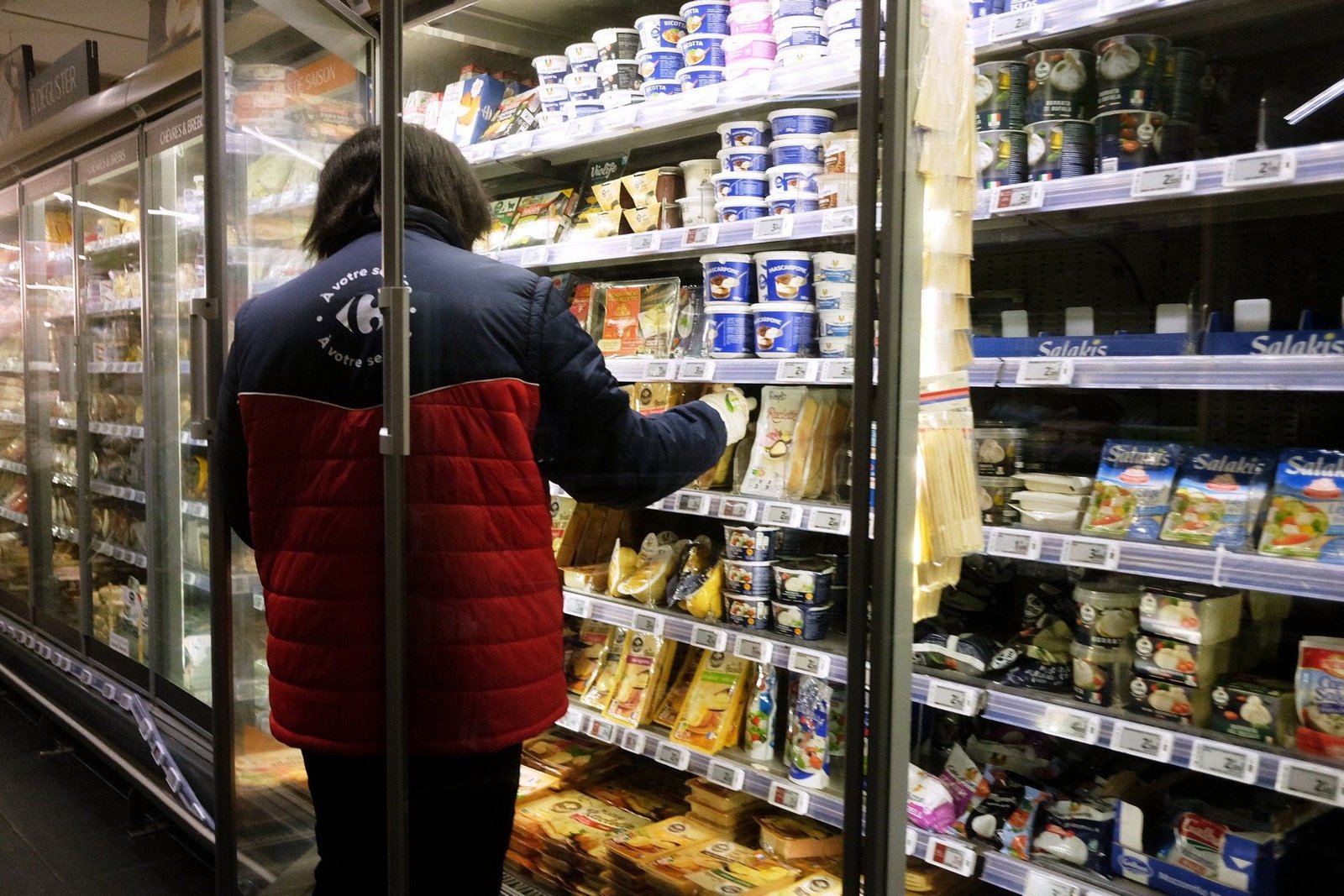
In France, the night attack of 11th to 12th October targeted cooling controllers at approximately 700 points of the retail. According to an official report from the French authorities, the perpetrators modified the defrosting parameters, causing significant freight losses. Authorities attributed the attack to an Iranian cyber enterprise unit, By introducing her into sabotage and destabilization activities.
The choice of target is thus made more understandable. Cooling equipment supports a critical function of the food market. Its violation can have a direct effect, visible to workers, businesses and ultimately customers.
In early November, there were reports of problems in other European countries' facilities, without any confirmation of a cyberattack in any case. Concern, however, had already passed through the screens of business administrations experts.
How did the fridge become accessible from afar?
Professional cooling systems have controllers that regulate their operation. Remote access allows those responsible to monitor an installation, check indications and perform interventions without being in the space at any time.
For a business with many shops or facilities, this feature is useful. The problem occurs when the connection remains poorly protected: equipment directly accessible from the public internet, old software, default codes that never changed.
In Greece, the National Cyber Security Authority had warned from October 14 for more than 300 exposed commercial cooling systems. These are exposed equipment, not 300 recorded attacks. The warning was accompanied by recommendations for protected remote access, security updates and equipment replacement no longer supported.
The risk therefore does not always require an unknown, highly complex technique. It can exploit a well-known gap that has remained open.
Why are these gaps open?
The picture is not the same in all businesses. To describe the entire market as unprotected would hide the differences in its preparation and infrastructure. But there is a basic difficulty: protection of equipment requires consultation between people with different responsibilities.
The refrigerator is maintained by a technical partner. His connection goes through the corporate network. The temperature is for food business operators. A change in equipment may require a decision from the administration. If it is not clear who controls what, there are gaps between responsibilities.
Ένα μηχάνημα μπορεί να λειτουργεί κανονικά ως προς την ψύξη και ταυτόχρονα να χρειάζεται επείγουσα παρέμβαση ως προς την ασφάλειά του. Το ότι «δεν έχει παρουσιάσει πρόβλημα» δεν απαντά στο ερώτημα αν κάποιος τρίτος μπορεί να αποκτήσει πρόσβαση.
Αντίστοιχα, η εγκατάσταση ενός νέου εργαλείου προστασίας δεν αρκεί, εάν παραμένουν ενεργοί παλιοί λογαριασμοί ή κανείς δεν γνωρίζει ποιοι εξωτερικοί συνεργάτες μπορούν ακόμη να συνδεθούν.

AP Photo/David Goldman, File
Ένας κωδικός για όλους, ευθύνη για κανέναν;
Η διαχείριση της πρόσβασης είναι ένα από τα λιγότερο θεαματικά, αλλά ουσιαστικότερα σημεία της προστασίας. Όταν διαφορετικοί τεχνικοί χρησιμοποιούν τον ίδιο λογαριασμό, δυσκολεύει η εξακρίβωση του ποιος έκανε μια αλλαγή.
Αν ενεργοποιηθεί μια διαδικασία απόψυξης σε ασυνήθιστη ώρα, η επιχείρηση χρειάζεται να διαπιστώσει γρήγορα αν πρόκειται για προγραμματισμένη εργασία, λάθος ή κακόβουλη παρέμβαση. Οι ξεχωριστοί λογαριασμοί και η καταγραφή των ενεργειών βοηθούν να ξεκαθαρίσει η εικόνα.
Το ίδιο ισχύει για έναν συνεργάτη που έχει σταματήσει να συντηρεί την εγκατάσταση. Η λήξη της συνεργασίας πρέπει να συνοδεύεται και από κατάργηση της πρόσβασής του. Διαφορετικά, η επιχείρηση διατηρεί μια ψηφιακή είσοδο που δεν χρειάζεται πλέον.
Ο συναγερμός χτύπησε. Ποιος τον άκουσε;
Ακόμη και η έγκαιρη ειδοποίηση χρειάζεται ανθρώπους που ξέρουν πώς θα αντιδράσουν. Ποιος λαμβάνει τον συναγερμό στις τρεις το πρωί; Ποιος επικοινωνεί με τον συντηρητή; Ποιος αποφασίζει τις πρώτες ενέργειες μέχρι να αναλάβει ο αρμόδιος;
Αυτές οι ερωτήσεις πρέπει να έχουν απαντηθεί πριν από το περιστατικό. Οι πρακτικές δοκιμές μπορούν να δείξουν αν η διαδικασία λειτουργεί: αν οι υπεύθυνοι είναι διαθέσιμοι, αν οι οδηγίες είναι κατανοητές και αν οι διαφορετικές ομάδες συντονίζονται.
Χρειάζεται επίσης οι εργαζόμενοι να μπορούν να αναφέρουν γρήγορα μια ύποπτη ενέργεια ή ένα λάθος. Ο χρόνος που χάνεται από αμηχανία ή φόβο καταλογισμού ευθυνών μπορεί να αποδειχθεί πολύτιμος.
Η ασφάλεια φτάνει μέχρι το ράφι
Για ένα κατάστημα τροφίμων, η αποκατάσταση του συστήματος είναι μόνο ένα μέρος της διαχείρισης. Πρέπει να αξιολογηθεί και τι συνέβη στα προϊόντα όσο η θερμοκρασία βρισκόταν εκτός των προβλεπόμενων ορίων. Η επαναφορά μιας ρύθμισης δεν αρκεί για να απαντηθεί αυτό το ερώτημα.
Εκεί φαίνεται γιατί οι επιθέσεις στα ψυγεία έχουν ευρύτερη σημασία. Αναδεικνύουν την εξάρτηση της φυσικής λειτουργίας μιας επιχείρησης από την ψηφιακή της προστασία – και το κόστος όταν οι δύο αντιμετωπίζονται χωριστά.
Ο καταναλωτής δεν χρειάζεται να γνωρίζει πώς λειτουργεί ένας ελεγκτής ψύξης. Περιμένει, δικαιολογημένα, να πάρει από το ράφι ένα σωστά συντηρημένο προϊόν. Για να συνεχίσει να θεωρεί αυτή την εμπειρία αυτονόητη, οι επιχειρήσεις πρέπει να γνωρίζουν ποιος μπορεί να αλλάξει τη θερμοκρασία, από πού και με ποια εξουσιοδότηση.
FOLLOWING ARTICLE

