
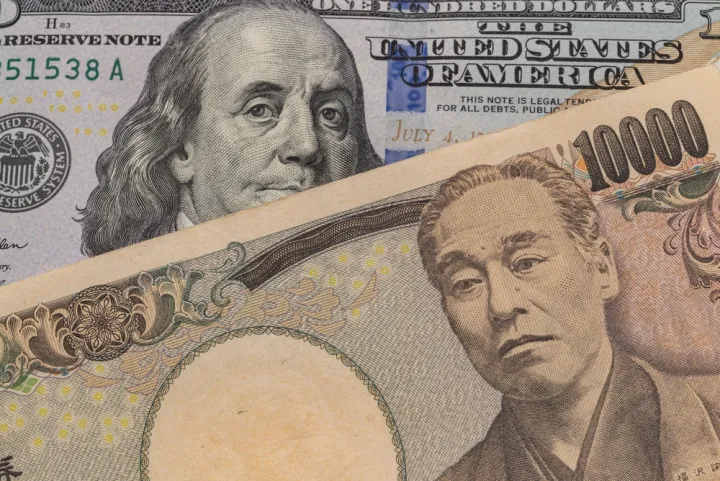
Friday, July 31, 2026 was a rare moment in global monetary diplomacy. The US Treasury intervened directly in the foreign exchange market to support the Japanese yen, in coordination with Tokyo. This is the first time in more than a decade that Washington has been moving into open yen markets alongside Japanese authorities, a move that many analysts have described as historic.
The coordinated yen market from the US Treasury is not just a move in the exchange market. It is a strong message to the markets that weakening the Japanese currency has now become an international issue of financial stability.
Foreign exchange markets rarely become headlines or headlines in the media. But when two of the world's largest economies decide to intervene coordinatedly to support a currency, it is of particular importance.
The US Treasury's decision to participate in strengthening the Japanese yen, through markets performed by Federal Reserve Bank of New York on behalf of the Exchange Stabilization Fund (ESF), through the top investment banks Goldman Sachs and Morgan Stanley, is the first coordinated intervention in decades. And it goes through the message that pressure on the Japanese currency has gone beyond the limits of one «normal» market fluctuations.
Washington's choice to engage is not only to support the Japanese currency. It aims primarily to maintain stability in the global financial system.
According to reports released by the Financial Times and confirmed by Reuters, New York Fed proceeded to sell euro and corresponding yen purchases on behalf of the US Treasury. At the same time, Japan has made its own large-scale intervention in the foreign exchange market, with estimates rising to around ¥8,5 trillion, i.e. approximately $53-59 billion
The market reaction was immediate. The yen was significantly strengthened against the dollar within a few hours, temporarily halting an extended period of weakening. Thus the USD/JPY rate that had reached 164, near the highest levels in decades, declined to 157.6. However, the importance of movement exceeds the transient daily change in the rate.
The weakness of the Japanese currency is the result of a series of structural and monetary developments. For more than ten years, the Bank of Japan maintained the lowest interest rates among major economies. At the same time, the US Federal Reserve has followed one of the most aggressive interest rate increases in recent decades.
As a result the large interest rate difference encouraged investors to borrow in yen at low cost and invest in assets that yield higher returns in dollars. This is his well-known strategy. «carry trade», which has for years been under constant pressure on the Japanese currency.
At the same time, Japan remains highly dependent on imports of energy and raw materials. A weak yen increases the cost of these imports, carrying inflationary pressures on households and businesses. Thus, the currency that has been considered a safe haven for decades has been converted into one of the weakest links in the foreign exchange market.
While the weakness of the yen has strengthened Japanese exports and profits of large export companies, since about 57% of the revenues of the TOPIX 100 stock companies come from abroad, it has also fueled concerns about imported inflation and the «erosion» the purchasing power of Japanese households
Washington's involvement caused a special sensation, as the American authorities generally avoid direct intervention in foreign exchange markets.
The last major coordinated intervention in favour of the yen had taken place in 2011, following the earthquake, nuclear accident and tsunami in Fukushima, as part of the joint action of the G7 countries. Even earlier, in 1998, the US had worked with Japan to support the yen during the major Asian financial crisis.
But today's situation is different. The United States does not simply seek to strengthen an ally. They want to prevent an uncontrolled weakening of the yen, which could cause new turbulence on the global capital markets.
Japan remains one of the largest holders of American state bonds. If the financing of continuous interventions had to liquidate a significant part of these securities, the yields of American bonds could increase further, affecting loan costs internationally.
The experience of recent decades shows that intervention in the exchange markets is more effective when accompanied by changes in fundamental economic sizes. If the interest rate difference between the US and Japan remains high, investors will continue to find attractive «carry trade».
Με άλλα λόγια, η αγορά μπορεί να «σεβαστεί» μια συντονισμένη παρέμβαση, αλλά δύσκολα θα αλλάξει μόνιμα κατεύθυνση, αν δεν μεταβληθούν οι οικονομικές συνθήκες που δημιούργησαν την πίεση. Γι’ αυτό αρκετοί αναλυτές εκτιμούν ότι η συγκεκριμένη κίνηση έχει περισσότερο χαρακτήρα «σήματος» προς τις αγορές, παρά οριστικής λύσης στο πρόβλημα.
Έτσι παρά τη βραχυπρόθεσμη ανάκαμψη, αρκετοί αναλυτές παραμένουν επιφυλακτικοί ως προς τη διάρκεια των αποτελεσμάτων. Σχολιαστές έχουν παρομοιάσει τη νομισματική παρέμβαση χωρίς αλλαγή στην εγχώρια νομισματική πολιτική με το να πατάει κανείς το φρένο ενώ ταυτόχρονα κρατάει το γκάζι πατημένο. Δηλαδή στην καλύτερη περίπτωση κερδίζεται λίγος χρόνος, στη χειρότερη καίγονται πόροι χωρίς ουσιαστικό αποτέλεσμα. Πράγματι, οι προηγούμενες παρεμβάσεις της ιαπωνικής κυβέρνησης, όπως αυτή στα τέλη Απριλίου, ενίσχυσαν προσωρινά το νόμισμα αλλά η πίεση επέστρεψε μέσα σε λίγες μόλις συνεδριάσεις.
Το σημαντικότερο στοιχείο της παρέμβασης ίσως δεν είναι το ύψος των συναλλαγών, αλλά η πολιτική βούληση που εκπέμπει. Οι κυβερνήσεις σπανίως επιλέγουν να εμπλακούν άμεσα στις αγορές συναλλάγματος, καθώς γνωρίζουν ότι δύσκολα μπορούν να ανατρέψουν μόνες τους τις δυνάμεις της αγοράς. Όταν όμως δύο μεγάλες οικονομίες ενεργούν συντονισμένα, επιδιώκουν να επηρεάσουν ασφαλώς και τις προσδοκίες των επενδυτών.
Στην πράξη, πρόκειται για μια προσπάθεια να αποθαρρυνθούν οι εκδηλώσεις κερδοσκοπικών κινήσεων και το άνοιγμα θέσεων που να στοιχηματίζουν στη συνεχή υποτίμηση του γεν.
Τι σημαίνει αυτό για τους επενδυτές;
Για τους διαχειριστές κεφαλαίων, η παρέμβαση αποτελεί υπενθύμιση ότι η αγορά συναλλάγματος δεν καθορίζεται αποκλειστικά από οικονομικά μοντέλα. Οι πολιτικές αποφάσεις και παρεμβάσεις, καθώς και οι γεωπολιτικές ισορροπίες μπορούν να μεταβάλουν αιφνιδιαστικά την πορεία ακόμη και των αγορών που διαθέτουν μεγάλο βάθος και σημαντική ρευστότητα.
Παράλληλα, αναδεικνύει έναν ευρύτερο προβληματισμό. Δηλαδή ότι η περίοδος κατά την οποία το δολάριο ενισχυόταν σχεδόν αδιάκοπα έναντι των περισσότερων νομισμάτων, ίσως και να εισέρχεται σε μια νέα διαφορετική φάση. Όπου οι κυβερνήσεις εμφανίζονται περισσότερο διατεθειμένες να παρέμβουν όταν θεωρούν ότι οι διακυμάνσεις απειλούν την ευρύτερη χρηματοπιστωτική σταθερότητα.
Η κοινή δράση ΗΠΑ και Ιαπωνίας δύσκολα μπορεί να θεωρηθεί μια απλή τεχνική παρέμβαση στην αγορά συναλλάγματος. Αντίθετα, αποτελεί ένδειξη ότι οι ισοτιμίες έχουν επιστρέψει στο επίκεντρο της οικονομικής πολιτικής. Και όταν οι μεγαλύτερες οικονομίες του κόσμου αρχίζουν να υπερασπίζονται με ενεργητικό και παρεμβατικό τρόπο τα νομίσματά τους, οι επενδυτές γνωρίζουν ότι το διακύβευμα ξεπερνά κατά πολύ την ημερήσια κίνηση και μεταβολή μιας ισοτιμίας.
Σύντομα αναμένεται συνάντηση του Αμερικανού υπουργού Οικονομικών Σκοτ Μπέσεντ με την Ιάπωνα ομόλογό του, Σάτσουκι Κατογιάμα, με τα ζητήματα συναλλάγματος να βρίσκονται ψηλά στην ατζέντα. Το βασικό ερώτημα, ωστόσο, παραμένει το αν και κατά πόσο η Τράπεζα της Ιαπωνίας θα επιταχύνει την ομαλοποίηση της νομισματικής της πολιτικής ώστε να περιοριστεί το χάσμα επιτοκίων που υπάρχει με τις ΗΠΑ. Καθώς, όπως τονίζουν οι αναλυτές, καμία παρέμβαση δεν μπορεί να αντιστρέψει μόνιμα την πορεία ενός νομίσματος χωρίς τη ριζική αλλαγή στα θεμελιώδη μεγέθη που την προκαλούν. Μέσα από αυτήν την οπτική οι αναλυτές καταλήγουν στο συμπέρασμα ότι η αμερικανο – ιαπωνική συνεργασία πιθανότατα να αποτελεί την αρχή μιας πιο συστηματικής προσπάθειας συντονισμού.

