
The French car industry has shaped the Her own, special school in the history of the car.
From pioneering Citroen and the practical models they put in millions of people behind the wheel, up to light sportscars and racing that gained mythical status, France has offered cars that stood out for both technology and design.
Some did. symbols of daily movement, others acquired collectible value And some have forever changed the way we perceive a car.
From Bugatti Type 35 of the 1920s until Peugeot 205 GTI and Renault ClioThese are 12 of the most iconic French cars.
Alpine A110
The Alpine A110 we know today as one of the most successful sportscars of modern times owes much to the 1961 classic A110.
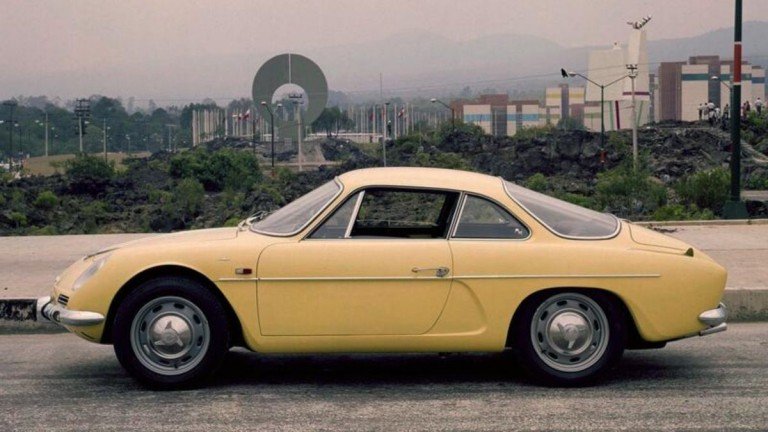
With a body of glasswork, small dimensions and Renault engine mounted back, A110 quickly evolved into one of the most important racing cars of the time.
Power reached 140 horsepower, while its low mass and excellent grip made it particularly effective on special routes.
It remained in production until 1977 and was built in 8,139 units, while its production took place in Brazil, Bulgaria, Spain and Mexico.
Bugatti Type 35
Bugatti Type 35, presented in 1924, is one of the most important racing of all time.
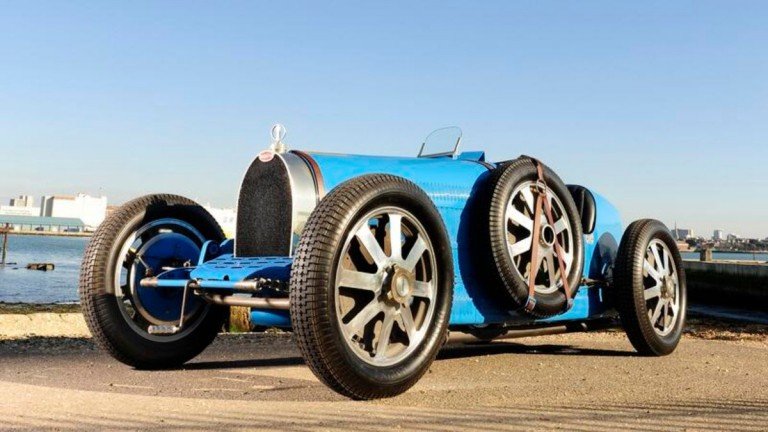
Eight cylinders in a series of engines, excellent road behavior and weight just about 750 kg created a combination that proved almost invincible on the tracks.
Depending on the version, the 2.0 litre engine acquired compressors, while power reached 140 horsepower.
Type 35 won more than 2,000 games during its production period, while the eight-octave cast aluminum rims, incorporating the taboos, were typical.
Citroen 2CV
Few cars managed to make simplicity as typical as 2CV. The model was designed before World War II, with the originals hiding in farms during the German occupation, and was officially presented in 1948.
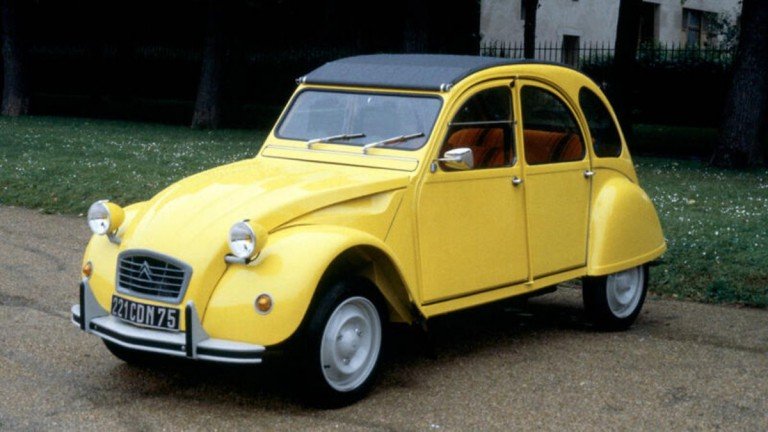
The extremely soft suspension, simple mechanical arrangement and air-cooled two-cylinder engine were the recipe for success.
Over the years the engine reached 602 cm and 31 horsepower. By the end of production, in 1990, approximately 3.8 million 2CVs had been built.
Citroen DS
If there is a car that condenses the concept of French innovation, this is the Citroen DS. When presented in 1955, it seemed to come from the future, thanks to its aerodynamic lines and pioneering technology.
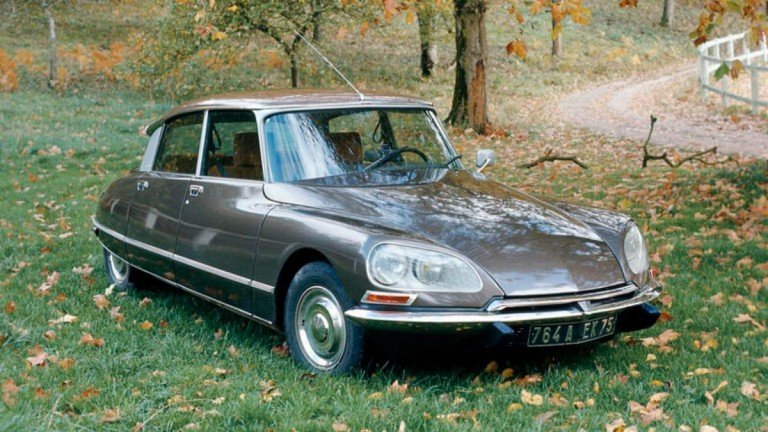
The hydro-spiritual suspension ensured impressive comfort and self-regulatory operation, while the initial engine weakness of 1.9 liters was later treated with larger engines.
At the top was the DS23 with injection and 2.3 litre engine. Next to DS there was the simplest ID, which kept the same characteristic design without the complexity of the hydro-spiritual suspension.
Liger JS2
Ligier is best known for her racing activity, but JS2 was a serious attempt to build a French sportscar for the road.
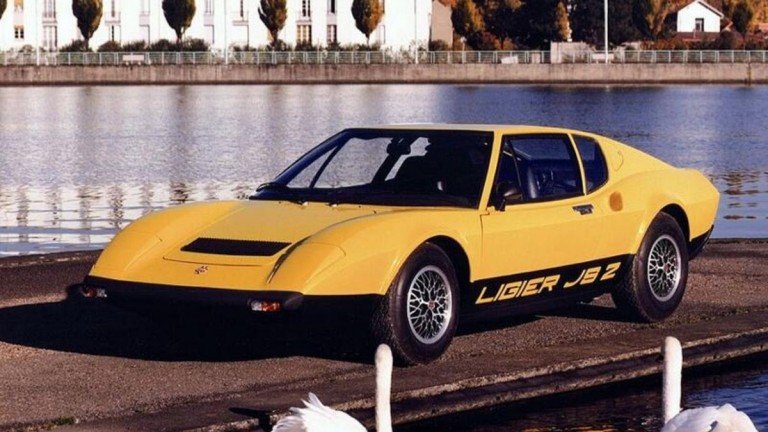
The model was presented in 1970 and was created by former racing driver and international rugby player, Guy Lizier.
The glasswork body was mounted on a robust steel frame, while the 2.7 litre V6 engine came from Citroen SM.
The name JS came from the initials of race driver, Jo Schleser, Lizier's close friend. Despite its potential, Liger JS2 remained extremely rare, as only 150 units were built until 1977.
Matra Bagheera
Matra Bagheera did not stay in history for its performance, but for its pioneering philosophy. It was one of the first road cars with a centrally installed engine, while it had a special three-seat layout, with passengers sitting side by side.
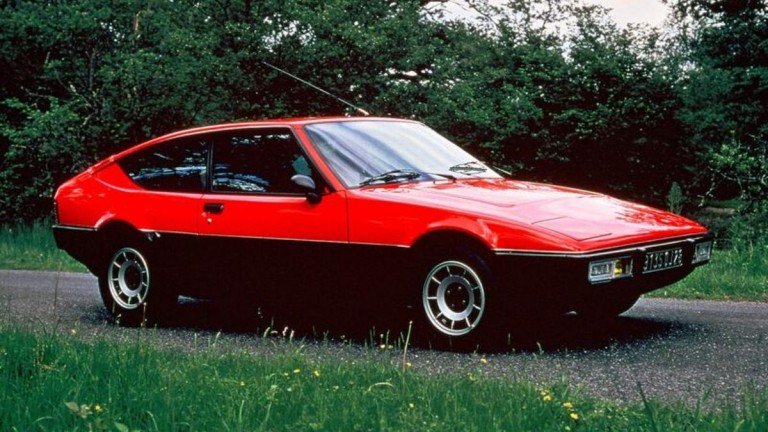
The body used synthetic panels on steel spatial network, while independent suspension with turning rods offered very good road behavior.
Where Bagheera was lagging was in engines, who could not fully exploit the capabilities of the frame. From 1973 to 1980 47,802 units were built.
Matra-Simca Rancho
Matra-Simca Rancho was one of the first attempts to create a car that we will now call SUV.
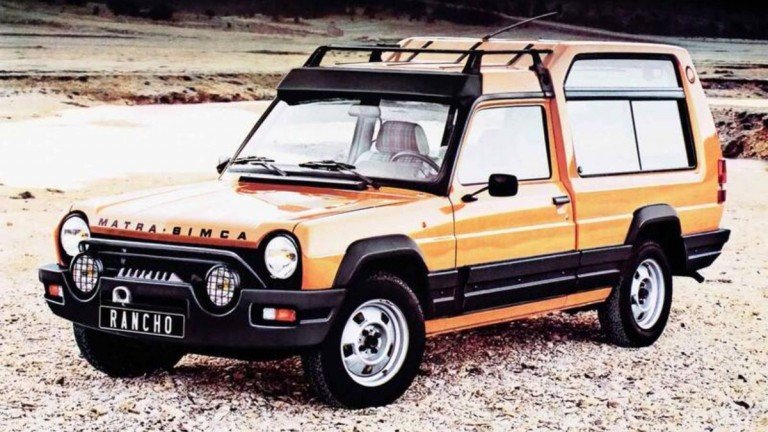
Based on professional Simca 1100 VF3, it acquired rear seats, large windows and a number of elements referring to off-road structures.
Despite his appearance, he had no quadrift, nor particularly large wheels or tires. The 1.4 litre engine was rather short, but the separate design proved sufficient to attract the public. A total of 56,700 units were built from 1977 to 1984.
Peugeot 203
Peugeot 203, presented in 1948, marked a significant change for the French company.
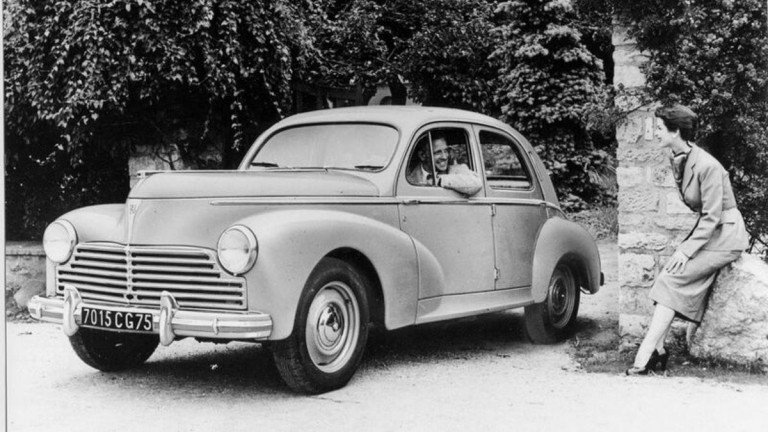
His design had clear influences from the American car industry, with the wide front and heavily inclined roof distinguishing from most European cars of the time.
Even more interesting was his technology. It had hydraulic brakes, independent front suspension with helical springs and hanger on the steering wheel, while since 1954 it acquired a fully synchronized box.
The engine with the aluminum cylinder head was also highly advanced for the time and contributed to its success in rally racing.
Peugeot 205 GTI
Peugeot 205 GTI does not need special recommendations for hot Hatch friends. From the moment it was presented in 1984, it was a reference point for almost every small sports car that followed.
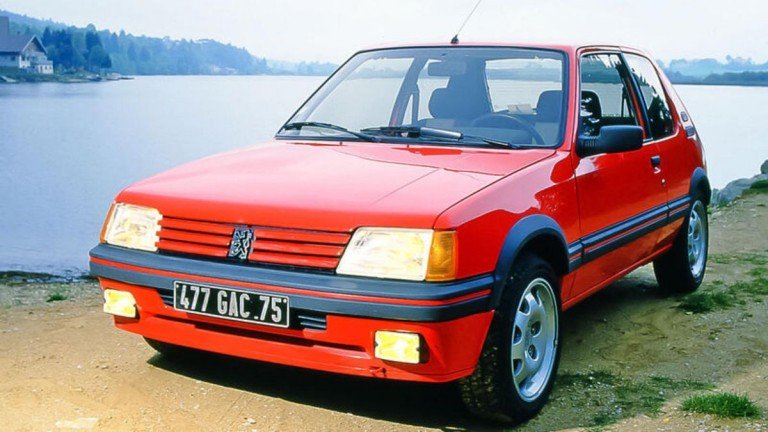
The original version combined a 1.6 litre engine with 106 horsepower and a weight of just 805 kg, creating a highly fast and flexible set.
Later, the 1.9-litre engine increased power to 132 horsepower, although several considered that the smaller motor offered more refined behavior.
The intense overturn in the gas discharge became characteristic of the model, making the 205 GTI exciting and demanding.
Peugeot 504
Peugeot 504 was presented as the successor of 404, although both models remained for several years at the same time on the market.
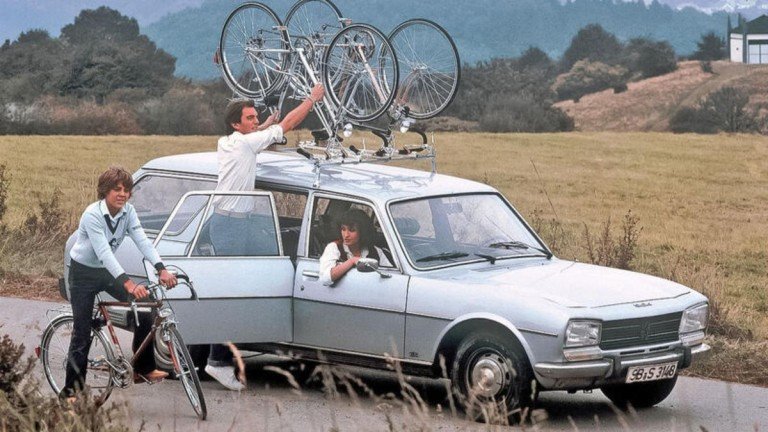
It was a particularly modern big car, with disc brakes on all wheels and choice engine with spray.
The design belonged to Pininfarina, which also created Coupe and Cabriolet versions. These were the first versions of 504 equipped with the V6 PRV Douvrin engine.
The model was also offered as a highly spacious station wagon, both in the Commerciale version and in the eight-seat Family.
Renault 4
Renault 4 was Renault's response to Citroen 2CV and became one of the most successful French cars of all time.
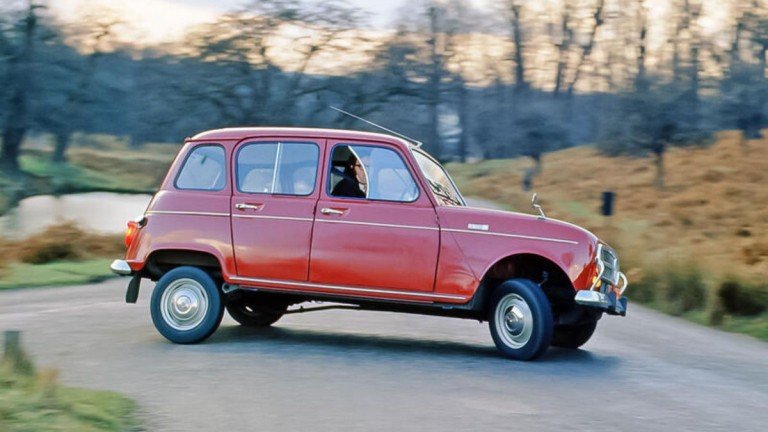
It was Renault's first anterior model and used four-cylinder engines 845 and 1,108 cm, with the crate located in front of the engine.
The soft suspension was designed to deal with France's rough rural roads, while the arrangement of turning bars created one of its most characteristic specialities: different wheelbase on the left and right sides.
The production lasted 31 years and reached 8,135,424 units, including 4×4 and Plein Air versions.
Renault Clio
Renault Clio appeared in 1990 and managed to evolve into one of Renault's most important models.
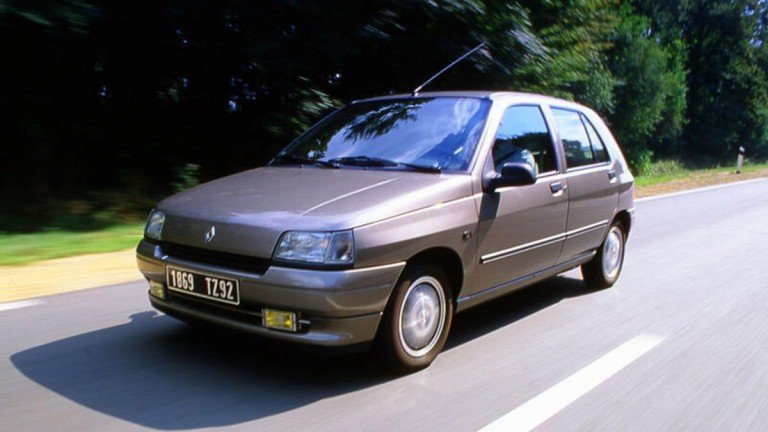
It was originally offered with three or five doors and a wide range of engines, but it was the sports versions that turned it into a real symbol.
A leading example was Clio Williams, originally created in 2,500 units for reasons of confession.
His success was so great that Renault went on to two additional editions, eventually raising Clio Williams' production to 12,100 units.
More than three decades after the initial launch, the name Clio is still a key pillar of Renault's range.
Follow it. newsauto. gr Google News and learn all the news first
Share it

