
The images with endless tails at the toll stations during the major excursion exits and waiting until the bar is up, appear to be a past for the Greek highways in a few years.
A new system already successfully implemented abroad seems to be a reality in Greece, with the competent authorities seeking The modernisation of the system tolls and its alignment with the practices pursued in more and more European states.
In this context, the solution on the table is Free Flow system for tolls.
ARTICLE CONTINUES AFTER ADVERSION
This is a system that allows vehicles to pass through motorways without any delay or need to reduce their speed, introducing at the same time a fair mileage charge, where the price is calculated accurately on the basis of the kilometres actually travelled by each vehicle within the charging zone.
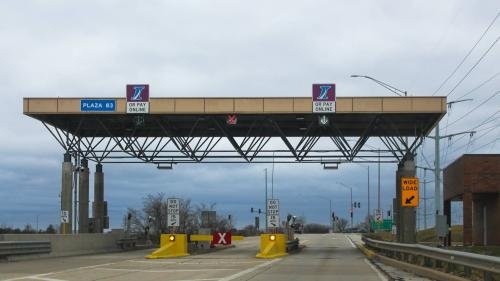
In fact, we are talking about a huge change in the way tolls work, since this system abolish the traditional model for stations with bars and employees, allowing drivers to be charged exclusively for the route they carry out, based on the exact mileage they travel.
According to the information that has come to light in recent years, a start on the barless toll system in Greece is expected to take place on the Northern Road Axis of Crete (BOAK). According to the design of the Ministry of Infrastructure and Transport, the new highway will be the first in the country to operate entirely with the Free Flow system.
ARTICLE CONTINUES AFTER ADVERSION
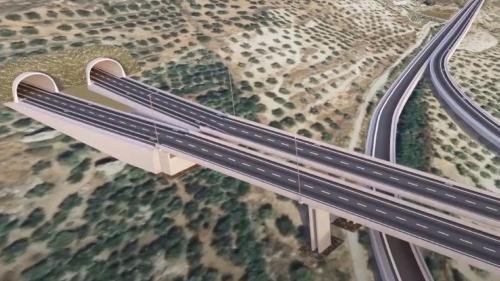
In fact, the next step is to make this technology the «Guide» for the gradual transition of the remaining major roads of the country, such as Attiki Street AND PATHE, in a proportional charge scheme where the driver will pay exclusively for the kilometres he actually travels and not a fixed amount each time he passes through the station.
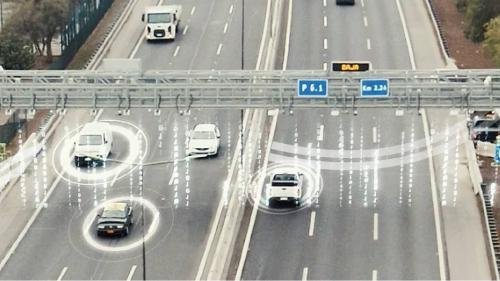
As to how the new system will operate in practice according to what is applied abroad, instead of bars and toll stations, over the highway are placed special digital portals , which are equipped with high-definition cameras for recording traffic signs, laser sensors identifying the category and characteristics of the vehicle, as well as transponder reading systems e-pass.
ARTICLE CONTINUES AFTER ADVERSION
In this way, vehicles shall pass at their normal speed of motion, without delay or stop being required, which contributes to the continuous flow of traffic and to the reduction of traffic.
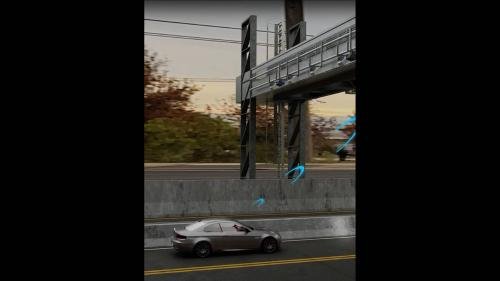
The charge will be made exclusively by digital means, either via an e-pass transponder connected to an electronic wallet and charged automatically during transit, or through a special application or website for those who do not have the device.
In this case, the sign shall be recorded by the system and the driver. is invited to complete the payment within a specified time limit.
Of course, there will be special care for those who want to exploit the new logic for their own benefit., since if a vehicle passes without paying, the system proceed to an automatic infringement certificate, with vehicle data intersecting through the relevant databases and the fine being sent electronically to the owner. The collection process is expected to be carried out through taxation, possibly by ADE.
ARTICLE CONTINUES AFTER ADVERSION
It is noted that in this new system, a key role is expected to be played by Hellastron, which assumes the reins of implementation as the single operator of the country's highways, Acting practically as the exclusive, common «collector» tolls nationwide
It is also recalled that the charging system per kilometer has already been applied since 2021 to Olympia Way, exclusively for e-pass holders. The system that we are expected to see in BOAK, however, goes one step further, as if it progresses to be the central way of transit and payment on roads and charging zones.

