
Millions more people will face hunger in the coming months, if the Middle East conflict is not resolved soon, the UN warned.
The energy price, which directly affects the cost of producing and transporting food, has increased vertically due to the closure of the Strait of Ormuz.
The price of fertilizers, most of which are produced in the Gulf States and exported through the same sea channel, has also skyrocketed.
So it seems inevitable that food costs around the world will rise, as after Russia's full invasion of Ukraine in 2022 (both countries were major exporters of food and fertilizer).
At that time, some governments reacted with costly subsidies for producers and consumers, funded by taxpayers.
However, the situation in the Middle East underlines how vulnerable we remain everywhere in such geographically concentrated energy and fertilizer production, as they write in an article in The Conversation, Jasper Verschuur and Paul Behrens, climate, infrastructure and sustainable nutrition researchers.
Four ways in which the world could try to build a diet system that will be much more resistant to future crises are followed.
Jordan’s government has greenlit a $1bn green ammonium facility, adding the country to a growing roster of Middle Eastern and North African nations investing in fossil-fuel-free nitrogen production.https://t.co/Fmyh2hNFbS
— Fertilizer Daily (@FertDaily) May 13, 2026
1. Greener crop
The current situation is certainly a sign that it is now time for agriculture to make the transition to «green ammonia» – ammonia produced using renewable energy sources instead of fossil fuels. (Amonia is a key component of nitrogen-based fertilisers.)
Instead of depending on specific countries or areas for the production of fertilizers, domestic fertilizers could be produced when the sun shines and the wind blows.
The first green ammonia plants are now built in sunny areas such as Chile, Morocco, and Australia. It is a costly change, but the reduced cost of renewable energy sources combined with sharp fluctuations in gas prices could soon make it a more competitive and safe alternative.
The successful transition will depend on the constant commitment (and investment) of governments – especially when the Strait of Hormuz finally opens again.
2. Stocks
Governments should also review how they store food.
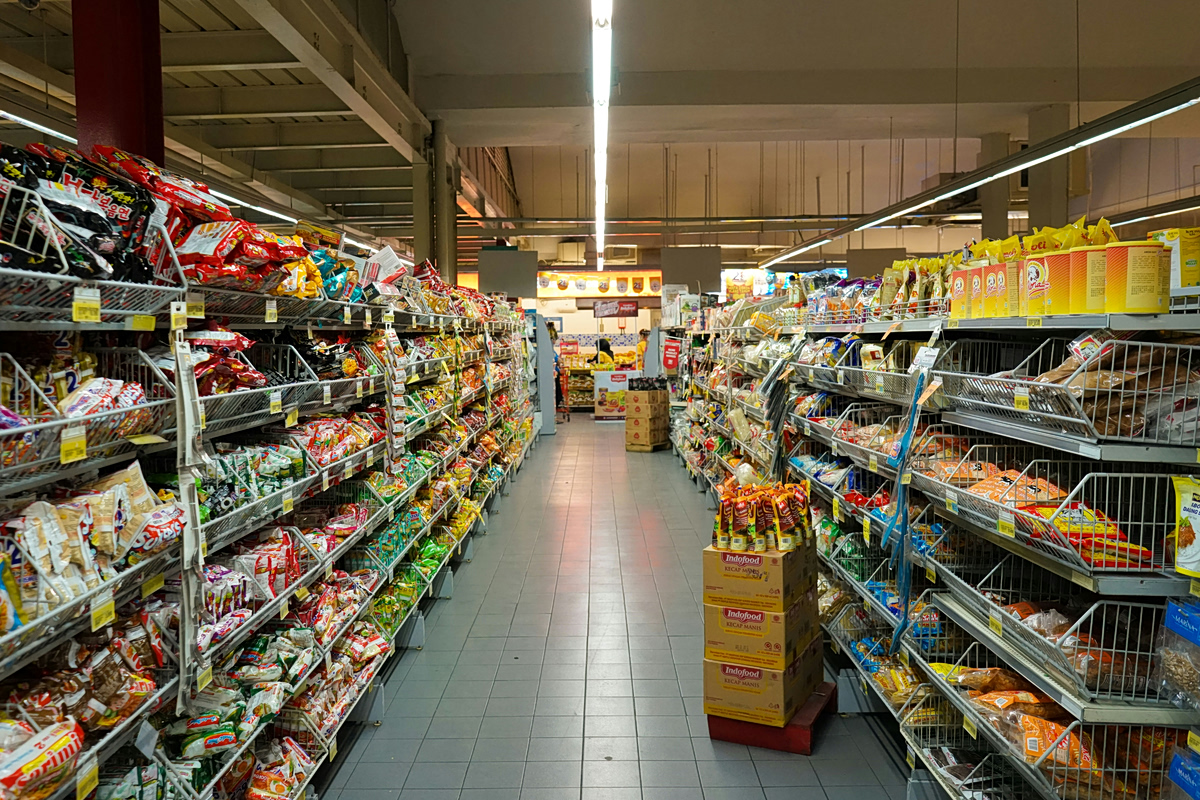
Modern logistics and seamless supply chains mean that many countries store certain products to last a few days or weeks, assuming that these stocks can be replenished quickly.
Some countries (e.g. Sweden, China and India) adopt a longer-term approach, apparently guided by a stronger perception of the importance of self-sufficiency.
Other countries should follow their example and think beyond the accumulation of stocks such as cereals, and turn to other basic agricultural supplies such as fertilisers and pesticides. However, they must do so gradually so as not to disrupt the already narrow markets in the short term.
Such a change will also be in line with the broader national security ambitions emerging throughout Europe and elsewhere. Food stocks to address periods of uncertainty and disturbances would be an essential part of this.
3. Growing more plants
A change in demand for the reduction of waste and the adoption of healthier eating habits – especially by consuming more plant proteins – could quickly improve food security and resilience.
Animal husbandry requires large amounts of fertilizer for animal feed crops.
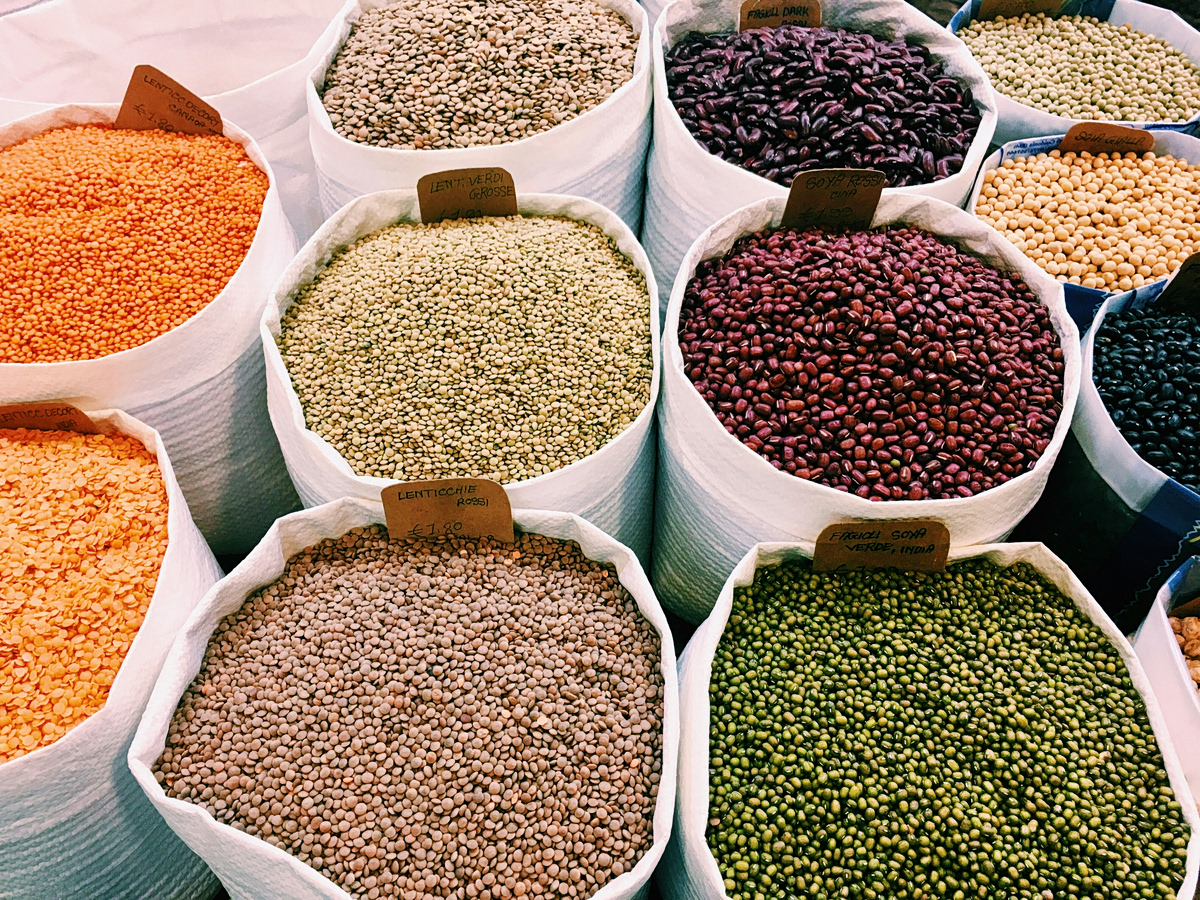
Plant proteins, such as legumes (beans, lentils, peas), require much less fertilizers (they can even be used for the production of «create» their own fertilizer in their roots through nitrogen binding).
They also have other advantages, such as improved nutrition and very reduced carbon emissions.
4. Electromotion of transport
Biofuels, such as ethanol and biodiesel, are often presented as viable fuel alternatives. However, crops used to produce these fuels (such as corn and rapeseed) now occupy at least the size of Italy.
This is a large area of land used to produce minimum fuel (in the United Kingdom, biofuels cover less than 7% of the country's transport needs).
On the contrary, the construction of photovoltaic or wind parks to provide energy to electric vehicles is a much more efficient use of the land in terms of meeting transport needs.
Acceleration of transport electrification and rapid abolition of crop-derived fuels would release tens of millions of hectares worldwide for purposes such as food production, replanting and coal storage.
Towards resilience
Building a more durable diet system will not happen from one day to the next, writes Verschuur and Behrens.
Changing eating habits and switching from dependence on fuel and fertilizer takes time.
It will include compromises, as well as important political and commercial will.
None of this is easy to achieve, and previous global increases in food prices (in 2007, 2010 and 2022) did not lead to significant changes.
However, the alternative is to remain exposed to repeated crises.
Climate change and geopolitical tensions will continue to disrupt global supply chains.
The current crisis is not only another warning of the vulnerability of the current diet system, but also an opportunity to speed up the transition to a system that will be far more capable of enduring future disturbances.

