
The picture on the world market oil It changes at speed. While a few weeks ago investors were afraid that US – Iran war It would cause the biggest energy crisis in recent decades, today interest is turning to the very opposite possibility: a market that is in danger of flooding barrels.
The last sign of this change came from Saudi ArabiaThe Saudi Aramco restart the slow load from the Ras Tanura, the world's largest oil export port, after nearly four months of interruption due to the war and blockade of the Straits of Hormuz.
Returns the world's largest oil port
According to ship monitoring data, Bahri's two super tankers (VLCC) loaded slowly into Ras Tanura on Friday, while two were still in the area waiting for a series. Any such ship can carry up to 2 million barrels of oil.
Prior to the war, Ras Tanura was moving more than 5 million barrels a day, while the nearby refinery plant with a capacity of 550,000 barrels a day had also been put out of service for precautionary reasons.
During the crisis, Aramco was forced to transfer its exports through Yanbu Port to Red Sea, as the Straits of Hormuz had been virtually closed for international navigation.
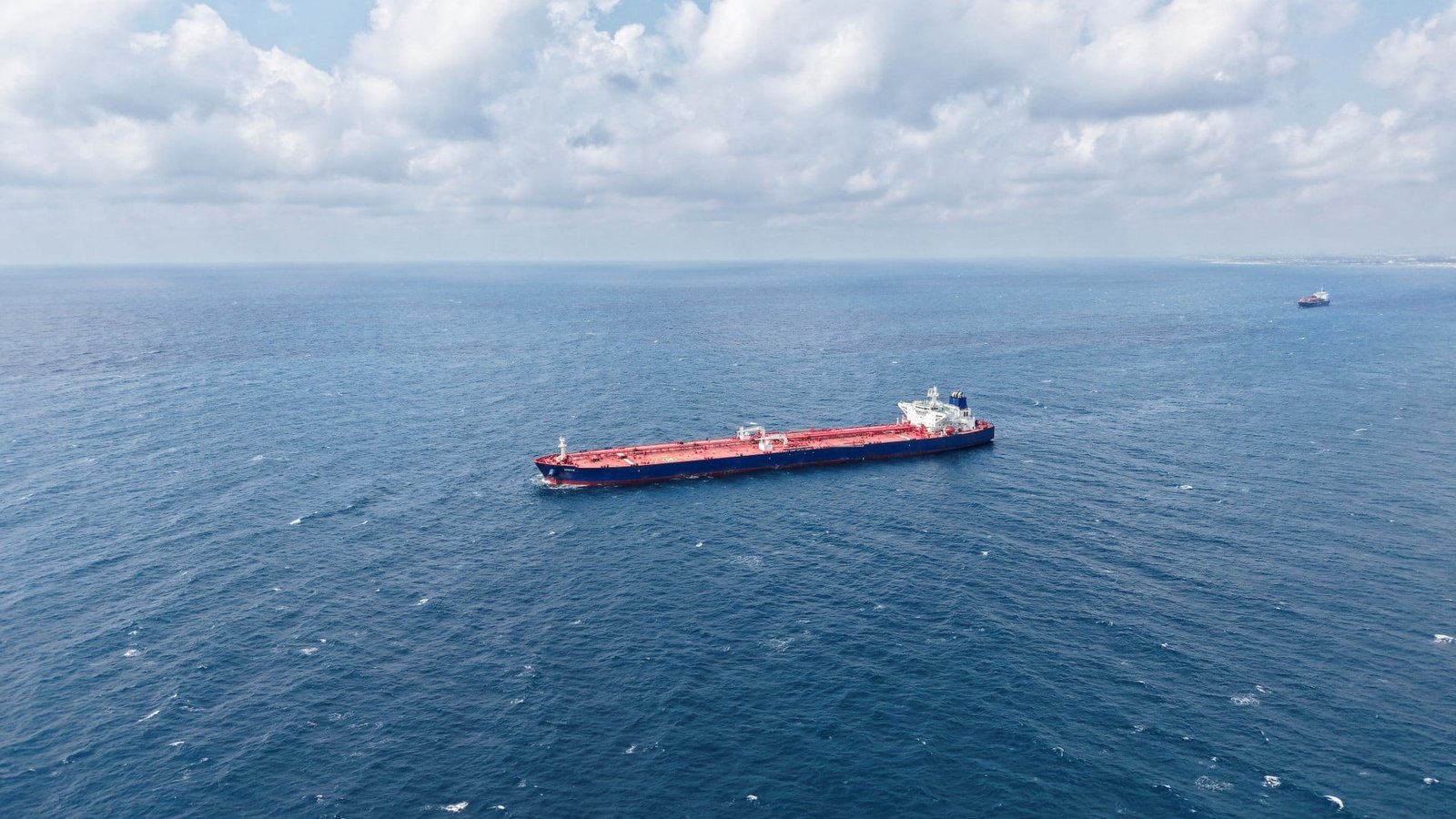
PHOTOGRAPHY – REUTERS/Khalil Asawi/File Photo
Road race for export
Saudi Arabia is not the only one to accelerate. Iraq, Qatar, Kuwait and the United Arab Emirates have already started new crude cargo sales competitions, and Iran is also quick to increase its exports after the temporary relaxation of American sanctions.
Two empty super tankers entered the Persian Gulf Friday bound Iranian ports to load slow, while tankers carrying oil from the United Arab Emirates continue to cross the Straits of Ormuz.
Prices continue to decline
The restart of exports puts new pressure on international prices. Brent and WTI retreated again, despite an attack by a merchant ship near Oman, as investors estimate that the restoration of navigation and the return of producers would outweigh geopolitical risks.
Today Brent negotiates near $72.5 a barrel and American WTI around 69.3 dollars, having deleted all the geopolitical premium created during the US – Iran war.
The market is now discounting that the offer will be restored faster than expected, as exports from the Persian Gulf increase and producers return to the market. Several large houses, such as Goldman Sachs and JPMorgan, still see Brent in the $60–65 area within 2026, while some analysts do not rule out even retreat to $50, if a strong oversupply and weaker global demand scenario is confirmed.
At the same time, information indicates that Saudi Aramco is considering a significant decrease in official sales prices for August, as competition between producers is increasing.
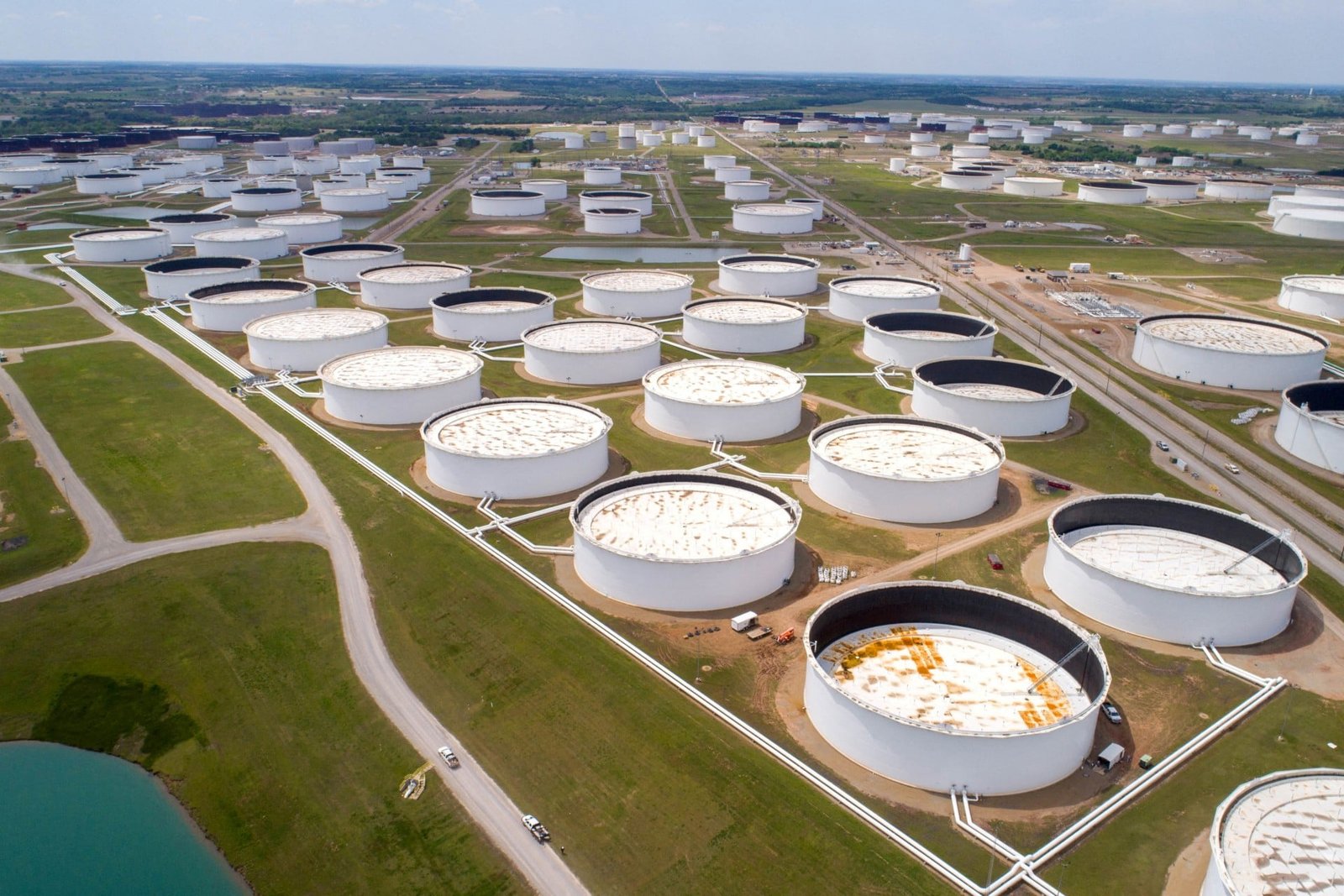
REUTERS
The image of the offer changes
According to Rystad Energy, about 2 million barrels of daily production returned to the market within just three weeks.
The company considers that production remaining outside the market in the Gulf has already decreased to 9,6 million barrels a day, from 11.7 million in mid-June, while providing for full recovery of production by the end of the year.
The rapid return of exports strengthens the scenario that the market is going through fear of lack in the fear of oversupply. If this trend is confirmed, pressure on oil prices may continue in the coming months, especially if combined with the increase in production by OPEC+ and the slowing down of global demand.
preferred source on Google
To show more articles by Maritime in your searches easily and quickly, you must add the site to your preferred sources. You can do it by going Here..

