
30% to 40% decrease in imports from China since the European Union imposed on 1 July a duty of EUR 3 on small packages less than EUR 150 in an effort to limit the influx of orders from Chinese platforms Shein,Temu and AliExpress. For years, these packages from China were flooding Europe, as consumers bought clothes, accessories, gadgets and everyday items at very low prices, since these orders enjoyed exemption from customs duties.
In 2025 it is estimated that they entered the EU. 5.9 billion low-value species, equivalent to more than 16 million parcels a day.
In 2025 it is estimated that they entered the European Union 5.9 billion low-value items; equivalent to more than 16 million parcels a day. Amid protests about the unfair advantage to European companies, but also concerns about the safety of these products, Europe has imposed a duty of EUR 3 per product category on packages of a total value of less than EUR 150 from 1 July.
As Euronews states, citing French customs data, the number of small packages imported into the EU. has been reduced by 30% to 40% since the introduction of the tax. The French Government considers that this evidence is evidence that stricter regulation can change consumer behaviour.
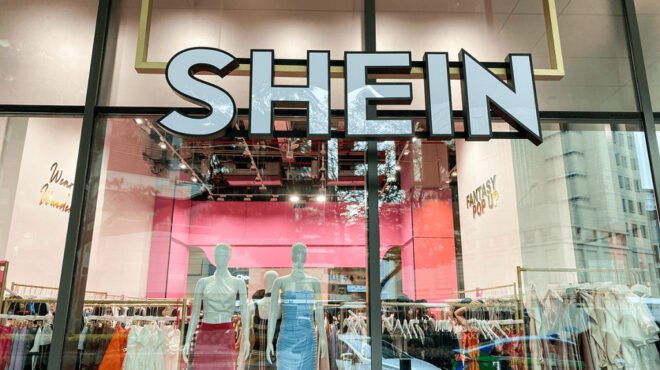
In June – July, the volume of these sales decreased by 50% for Temu and 37% for AliExpress. On the contrary, Shein appeared more resilient, who saw the relevant sales volume decrease by 15%, after opening a huge warehouse in Poland, to avoid tariffs.
According to a survey conducted in 2025 in the EU, at least 60% of the products of low value tested did not comply with European or safety standards. The new rules therefore allow customs authorities to better identify products at risk.
The measure, however, although effective, is not permanent, as it will follow a wider reform of the European customs system in 2028. Another step possibly in November, by imposing additional charges to finance the handling of parcels.
However, Shein's sales resilience may be an indication of what will follow. Chinese companies can circumvent customs duties imposed at the border by operating warehouses within the European Union. Brussels may have slowed down inputs for now, but how trade will be affected as a whole is a question that remains to be answered over time.

