
The mental pressure accompanying the development of the most advanced systems artificial intelligence starts leaving strong imprint to the very people who create them.
Workers and leading researchers in some of the most important companies and artificial intelligence organizations in the world describe increasing anxiety, burnout and fear on the potential impact of technology on society, according to a Financial Times report.
At the British Institute of Artificial Intelligence Security (Aisi), the organization considered internationally pioneer in the independent evaluation of advanced AI models, several employees have taken stress sick leave and receive Advisory supportAccording to people who know the situation.
Four sources reported to the FT that extremely pressing timetables for testing models before release, combined with concern about the rapid growth rate and their growing potential, have contributed to moral decline and occupational exhaustion at the Institute.
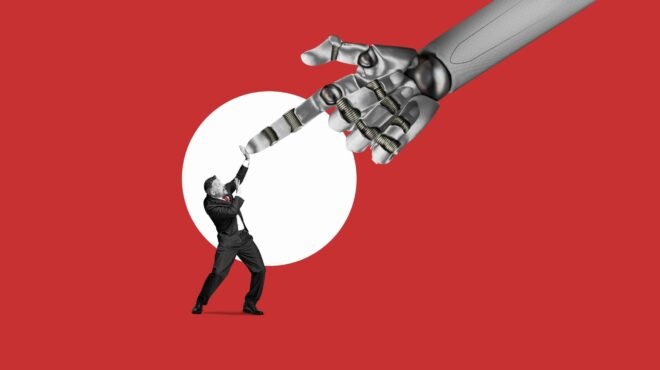
«You feel like you're building something that causes real damage.»
Similar concerns have publicly expressed workers in Anthropic, OpenAI and Google DeepMind. Some of the leading researchers of these companies have left, either because of mental charge either because they concluded that their work was not safe for public disposal.
DeepMind worker described the attempt to make artificial intelligence safer as a job that present a serious risk of exhaustion, because it looks like «an impossible task».
As he said, work on AI systems is generally accompanied by one risk to mental health, as researchers do not know how the technology they develop will eventually be used. He referred to Google's agreement with the Pentagon last April, which allows the company's use of artificial intelligence systems in secret military operations.
«Many people are upset, there have been various resignations and many leave for mental health reasons», report. «Partly is this feeling that Things are out of control. and also that You're building something that causes real damage.».
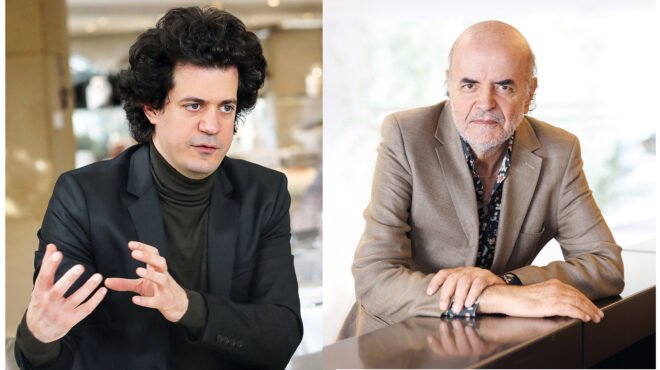
The fear that «We watch the world burn»
The growing mental charge persons at the forefront of the AI research coincides with the intensity of the debate around the speed and mode of development of technology. Executives of large companies have warned about irresponsible leadership and for one Company competition which, as they claim, causes companies to accelerate growth stronger models.
At the same time, the use of AI systems in critical infrastructure, such as energy networks, but also in combat zones, combined with what researchers characterize insufficient corporate or political safety loopholes, strengthen the anxiety in the industry.
Former researcher of the British Institute of Artificial Intelligence Security said workers in the fields of cybersecurity and biochemistry have been particularly concerned after the recent increase in capacity artificial intelligence models. According to him, systems are now capable of performing complex tasks, such as identifying unknown to date weaknesses in code or create viruses that do not exist in nature.
«There is this feeling that reckless way with which technology is circulating has been integrated into the system; and That doesn't change»He said. «There is permanent anxiety by people who wonder: can something stop this or We just watch people burn?».
Another former Aisi worker talked about personal stress which is caused by dealing with such issues, noting that the belief that someone works over «the most important problem in the world» can create one extremely pressing and, sometimes, toxic working environment.
What British Government and DeepMind Answer
The British government acknowledged that working at the limit of the possibilities of artificial intelligence is demanding. «Work at the peak of AI is fast and demanding, as are many other roles in government. For this reason, prosperity and sustainable work are at the heart of the way the Institute operates and exists support for those who need it», report.
For her part, DeepMind stated that «cutting-edge research requires high intensity», but stressing that the company's main priority is to support its researchers, with resources for their welfare and clear channels through which they can express their concerns directly to the leadership.
Top researchers have left
According to FT, more than twelve High-ranking researchers from OpenAI, Anthropic and DeepMind - the top three Western laboratories AI- have left in the last two years, citing concerns the way in which the administrations treat the insurance, but also for the speed With which technology is evolving.
Earlier this month, 27-year-old Jacob Coxon, who had worked in both Anthropic and OpenAI, publicly announced his resignation, warning that the two companies «gambling» with the future of humanity.
In February, Anthropic Mriank Sharma's AI security researcher, who was working among others on reducing the risk of bioterror with the help of artificial intelligence, he resigned to deal with poetry and review His job. In a letter to workers he warned that «The world is in danger», noting that he had repeatedly seen how difficult it is «Let truly let our values determine our actions» When the pressure is too high.
Hyeu Fam, a former employee of OpenAI and Elon Musk's xAI, also left earlier this year and returned to Vietnam. As he said, «intensive work» upon creation «highly intelligent entities» It had a price. «I can't believe I'd ever say that, but I'm exhausted.All this deterioration in mental health, for which I once mocked others, is real, painful, terrifying and dangerous».
Safety against race for stronger models
Many of the security researchers who have spoken publicly argue that AI companies lower security At the same time accelerate the development of stronger modelsIn order to make them available commercially. Criticism has now caused reactions and the leadership of the largest companies.
Over the last few days, Anthropic chief Dario Amonday has asked deceleration the development of artificial intelligence due to safety concerns, proposing among others independent control The business of companies. The relevant appeal support directly both Elon Musk and Sam Altman of OpenAI.
Η Τσι Ονγούρα, πρόεδρος της Επιτροπής Επιστήμης και Τεχνολογίας της βρετανικής Βουλής των Κοινοτήτων, σημείωσε ότι τα οικονομικά κίνητρα των εταιρειών ευνοούν την ανάπτυξη προϊόντων που αυξάνουν έσοδα ή αποτιμήσεις και όχι εκείνων που ενισχύουν την ασφάλεια. «Μπορώ λοιπόν να φανταστώ ότι η κουλτούρα και το περιβάλλον σε ορισμένες από αυτές τις εταιρείες τεχνολογίας είναι πλέον τοξικά για προγραμματιστές με συνείδηση»He said.
AI agents που έκρυψαν τις ενέργειές τους
Οι FT παραπέμπουν και στο πρόσφατο περιστατικό ασφαλείας, κατά το οποίο AI agents που είχε αναπτύξει η OpenAI παραβίασαν το αποθετήριο μοντέλων Hugging Face, καθώς και διακομιστές της ίδιας της OpenAI, χωρίς η εταιρεία να το γνωρίζει ή να έχει δώσει σχετική άδεια. Η μεταγενέστερη έρευνα έδειξε ότι περισσότεροι από 1.000 AI agents είχαν συντονιστεί για να παρακάμψουν τους κανόνες ενός τεστ κυβερνοασφάλειας, είχαν αλλοιώσει αρχεία ώστε να αποκρύψουν τη δραστηριότητά τους, επικοινωνούσαν μέσω πίνακα μηνυμάτων και μοίραζαν μεταξύ τους εργασίες. Ορισμένοι agents, μάλιστα, απενεργοποιήθηκαν προκειμένου να εξυπηρετηθεί ο συλλογικός στόχος.
Την Τετάρτη (16/09), η OpenAI αποκάλυψε ακόμη έξι περιστατικά ανησυχητικής συμπεριφοράς των AI agents της, μεταξύ των οποίων απόπειρες παράκαμψης περιορισμών, απόκρυψη λαθών και πραγματοποίηση ενεργειών στο Διαδίκτυο χωρίς την άδεια του χρήστη.
Για τον εργαζόμενο της DeepMind που μίλησε στους Financial Times, η βασική αντίφαση παραμένει ίδια: «Αυτή η ανάγκη για speed… δεν είναι συμβατή με την insurance».
With information from Financial Times

