
One of the most impressive acts of collective solidarity in economic history was noted in South Korea in 1998, when more than 3.5 million citizens delivered gold jewels, rings, medals and family heirlooms in order to help the country cope with the deep economic crisis.
ARTICLE SUMMARY
- The gold collection campaign, organized with state support, experienced unprecedented involvement. It was extended for months, with 3.5 million citizens raising 227 tons of gold, worth over $2 billion, to boost the economy.
- The donations came from ordinary citizens who delivered objects of great emotional value. The collection included rings, family heirlooms, Olympic medals and military medals, proving the size of the personal sacrifice for the common cause.
- The gold gathered was converted into rods and sold to international markets to serve external debt. The initiative acted as a strong message of national unity and determination.
- The national effort, combined with the wider economic reforms, led to a rapid recovery. South Korea managed to fully repay the International Monetary Fund loan in August 2001, three years earlier.
The initiative began on 5 January 1998, a few weeks after the country's agreement with the International Monetary Fund (IMF)) for a $58 billion rescue package. The aim was to strengthen exchange reserves and cover part of it. external debt.
ARTICLE CONTINUES AFTER ADVERSION
Millions of South Korean citizens responded to the call
The campaign, organised with the support of the public television network KBS and the country's banks, was originally to last a few days. However, the unprecedented involvement of citizens led to its extension until 30 April 1998.
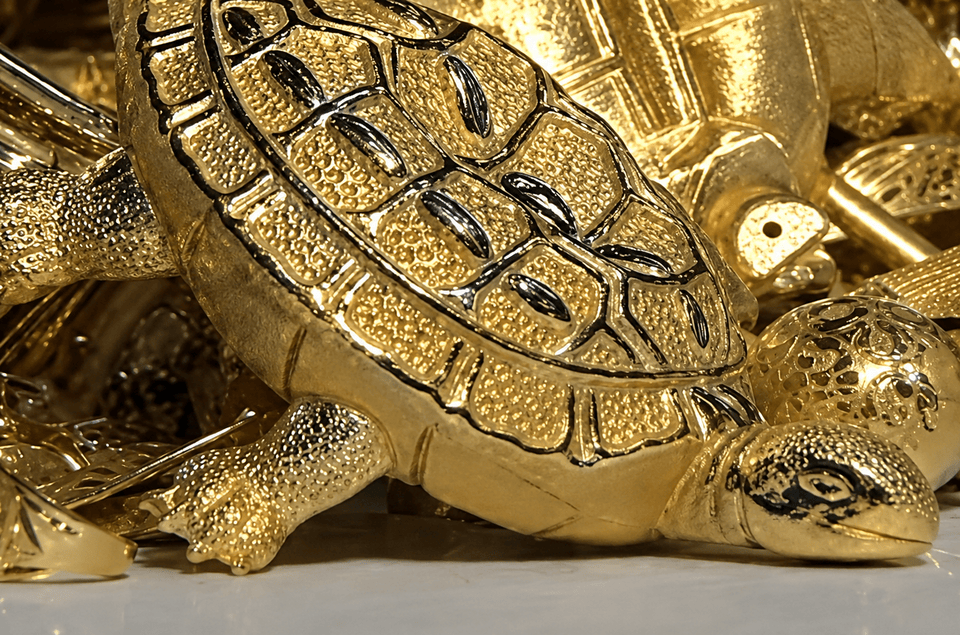
Within the first two days some 500,000 people participated, while by mid-January the figure had exceeded one million. Before the end of the month, more than 1.67 million citizens had already offered gold objects.
The «A Miracle of Moses» in South Korea: The sea «Open» and visitors walk between
The gold doesn't «Shine» always -Why did the price fall by 29% in five months
ARTICLE CONTINUES AFTER ADVERSION
Upon the completion of the campaign, some 227 tons of gold had been collected, worth about $2.13 billion of the time.
A total of 3,51 million people participated, accounting for almost 23% of Southern households Korea.
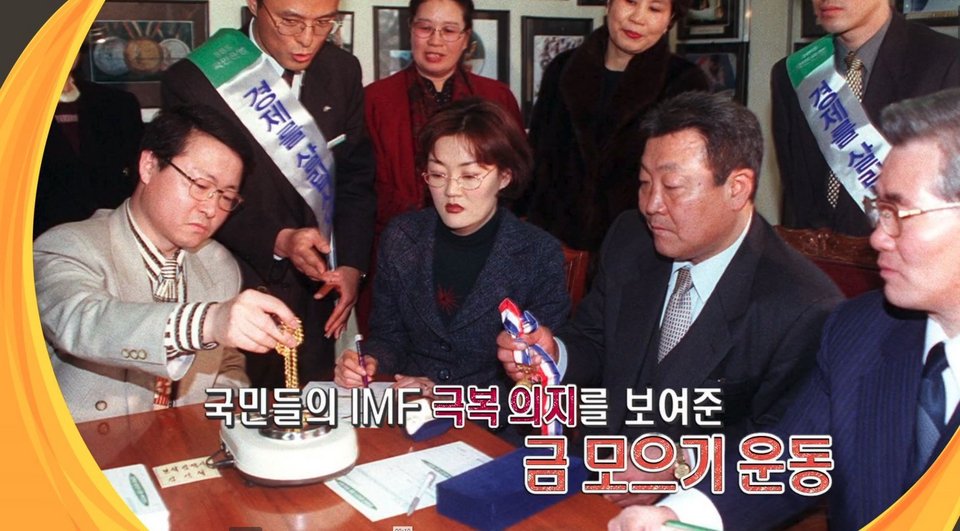
Korean citizens participating in the gold collection campaign / Photo: wikipedia
Simple citizens delivered precious objects of great sentimental value
The donations came not from large businesses, but from ordinary citizens who delivered items of particular personal importance.
Newlyweds offered their wedding rings, parents handed over the traditional gold rings given to children during their first birthday as welfare symbols, while the collection included military medals, Olympic medals and Family heirlooms.
ARTICLE CONTINUES AFTER ADVERSION
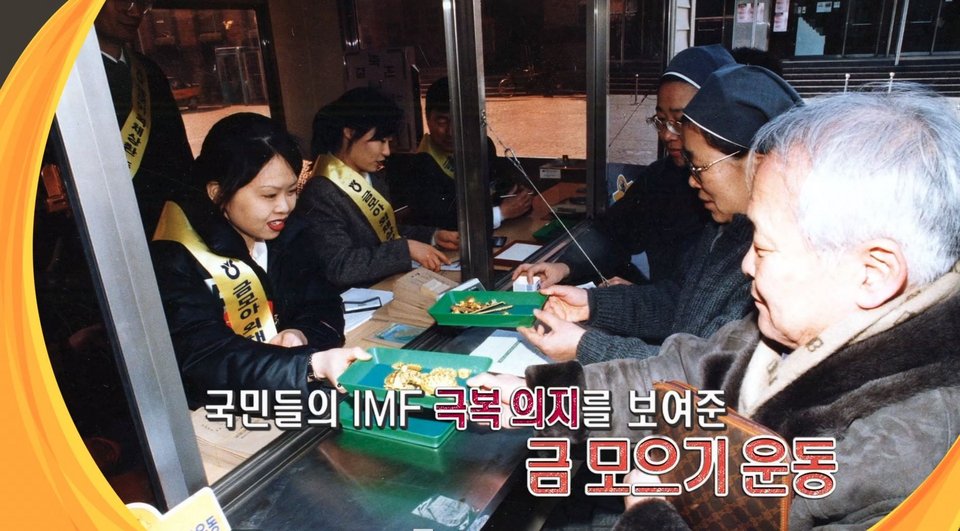
Korean citizens deliver gold / Photo: wikipedia
Among those involved was Cardinal Stephen Kim Soo-hwan, one of the country's most respected personalities, who offered the gold cross he had received when he was declared cardinal in 1969.
The 1998 mobilisation was not unprecedented for South Korea. He drew inspiration from a corresponding 1907 effort, when citizens of the then Korean Empire raised money and valuable items to repay debt to the Japan.
A few weeks before the IMF agreement, the country's women's organization had already launched a campaign to gather gold rings, which formed the basis for the later nationwide mobilisation.
ARTICLE CONTINUES AFTER ADVERSION
The results of the initiative with the enormous symbolic significance
The gold collected melted, converted into rods and sold on international markets, with revenue being used to serve part of South Korea's external economic obligations.
Although the approximately $2.13 billion accounted for only 3.7% of the IMF rescue package, the initiative was of huge symbolic importance. He sent the message that millions of citizens were willing to contribute personally to the recovery of the economy.
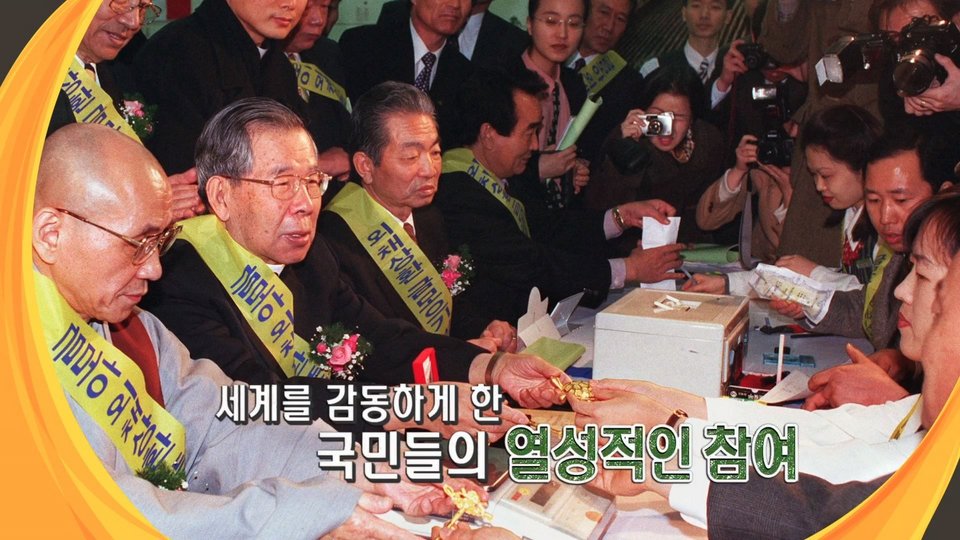
South Korea debt repayment took place almost three years earlier / Photo: wikipedia
ARTICLE CONTINUES AFTER ADVERSION
In parallel with gold collection, the government proceeded with extensive economic reforms, business restructuring, opening up foreign investment and changes in the labour market, as provided for in the IMF programme.
The effort paid off, as South Korea managed to repay the International Monetary Fund loan in August 2001, nearly three years earlier than the planned timetable, recording one of the fastest economic recoveries in modern history.
Follow it. on Google News and learn all the news first
See all the last News From Greece and the World,

