
The oil crisis caused by the war in Iran has permanently changed the fossil fuel industry, prompting countries to move away from them in order to ensure their energy supply, said the leading economist and energy expert Fatih Biroll.
The Executive Director of the International Energy Agency (IEA) also said that, despite the pressures, the United Kingdom should avoid much of the possible extension to the North Sea.
Speaking exclusively to the Guardian, Birol said that a key consequence of the US–Israel war with Iran is that countries will lose their trust in fossil fuels and demand will decrease.
«Their perception of danger and reliability will change. Governments will review their energy strategies. There will be a significant boost to renewable energy and nuclear energy, as well as a further shift towards a more electric future»He said. «And this will hit the main oil markets».
«It'll be very difficult to reunite the pieces.»
Birol stressed that there is no return to the previous situation: «The vase was broken, the damage was done – it will be very difficult to reunite the pieces. This will have lasting consequences for global energy markets for the coming years».
Although focused on the international picture of shortcomings and future demand, the ILO chief also recommended attention to UK plans. The oil industry and its allies have called for an increase in drilling in the North Sea, including approval for the Jackdaw and Rosebank deposits, which have received research permits but not production.
Biroll said: «It is up to the government, but these deposits will not substantially change UK energy security or affect oil and gas prices. They won't make any significant difference in this crisis.».
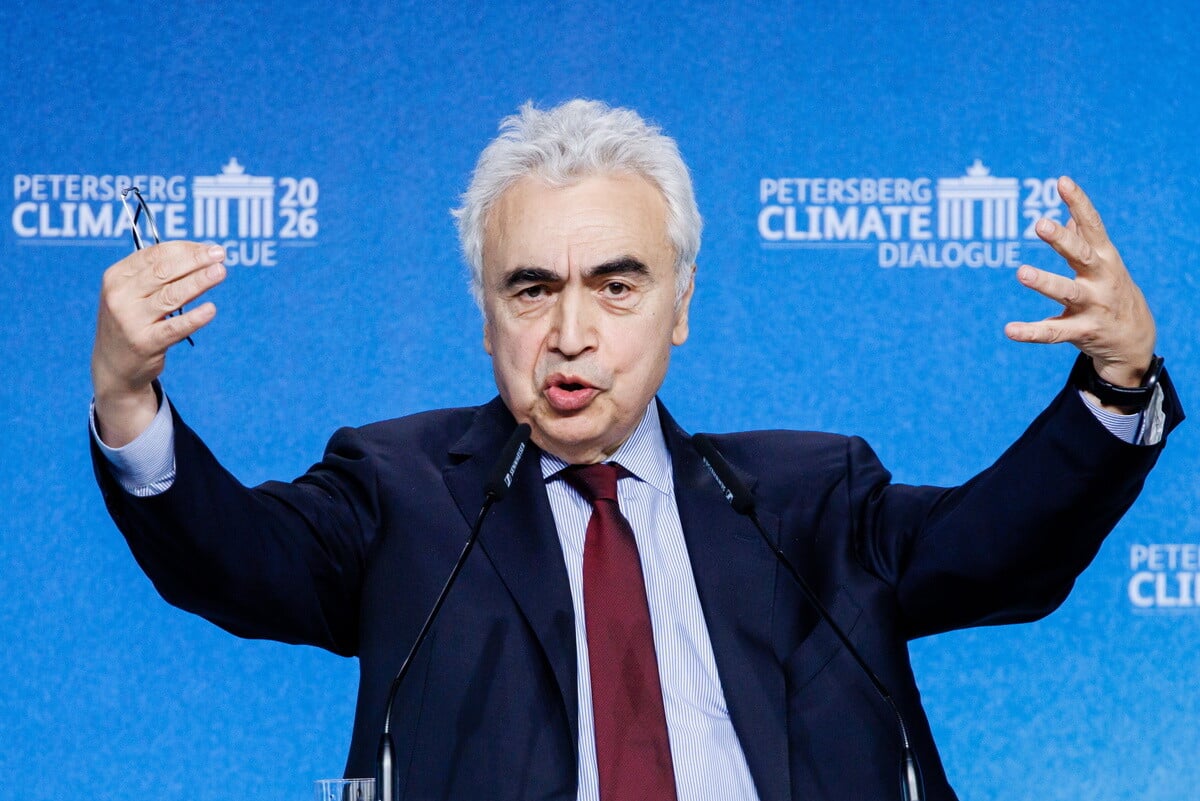 Facebook Twitter The head of the International Energy Agency, Fatih Birol/Fott. file: EPA
He also warned against the granting of new research permits for additional deposits, from a purely commercial point of view: «They will not offer significant quantities of oil and gas for many years to come. They will not reduce the accounts, the United Kingdom will remain a major importer and recipient of prices on international markets. I am not even talking about impacts on climate change – only from a business point of view, a large investment in research may not make sense».
Instead, he added, the extensions of existing deposits (tiebacks) are different and should proceed.
«I still can't figure out how people were so surprised.»
Birol pointed out that drastic changes in the future create opportunities for renewable energy sources, but also risks that could derail climate progress. As head of the international energy organization, it is one of the most influential voices for governments worldwide.
In addition, he stated that:
- High fossil fuel prices could push developing countries towards coal, although solar energy is already competitive at cost and is growing faster.
- Renewable sources are a risk-free option, while nuclear energy is also expected to increase. «I've never heard anyone regret investing in renewables.»He said. «I see no drawback».
- Although he had called for the imposition of taxes on extraordinary profits during the crisis in Ukraine, in order to detach part of the huge unjustified profits of energy companies, Birol said it is too early in this crisis to impose new taxes.
- The effects on fertilisers, food, sun, software and other branches will continue even if the Straits of Hormuz are reopened.
- This crisis was «greater than all major crises together, and therefore huge»He said. «I still can't understand how the world was so surprised that the world economy could be held hostage by a narrow 50 km.»
More than 50 governments, including the United Kingdom, the EU, large oil-producing countries and many developing states, will meet next week in Colombia, at the first international conference on the transition away from fossil fuels, where the global reaction to the oil crisis and the strengthening of renewable energy sources will be discussed.
With information from Guardian
SEE STILL

«Do telework, don't travel, cook me electric»: ILO proposals for the oil crisis
20.03.26
SEE STILL
Energy crisis: New Measures in Europe Due to Iran War
22.04.26
SEE STILL
Worried satellite images: Oil shells become visible from space after the Iran war
21.04.26

