
Even closer seems to be Europe's much-discussed disengagement of China's dependence on raw materials, following the latest developments around two new deposits «white gold».
Electrification has evolved into the main axis of motor drive and energy transition, but behind each electric car is a production chain starting from lithium. It is about the key component of the batteries and to date China has built a strong lead, checking much of the mining but mainly its processing.
Europe was lagging significantly behind in the self-sufficiency of raw materials and therefore, among other things, was seeking alternatives even to the formation of batteries. This image now seems to change, as two major developments in Finland and France show that the continent can start building its own supply chain.
ARTICLE CONTINUES AFTER ADVERSION
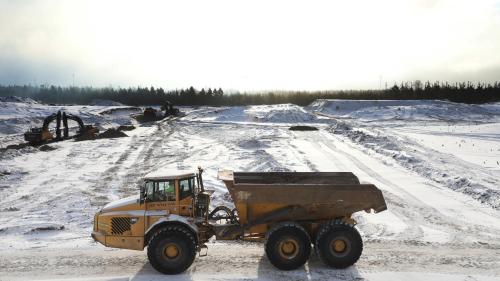
The Finland, the Syväjärvi mine on the western side of the country has already entered an active development phase, with Keliber company start mining operations for the use of spodium, the basic mineral containing lithium. The project is not limited to mining as it includes a complete industrial process: from the breaking and enrichment of the rock in the Päiväneva unit, which is expected to be put into operation soon, until it is converted into lithium hydroxide in the refinery currently being constructed in Kokkola.
With its completion and the start of commercial operation towards the end of the year, the Finnish project is expected to be the first fully integrated lithium supply chain in Europe, from the underground to the final material used in batteries. Production is estimated to be will reach around 15,000 tonnes per year, with a profit horizon of 18 years, the extension of mining to more parts of the region is already under consideration.
ARTICLE CONTINUES AFTER ADVERSION
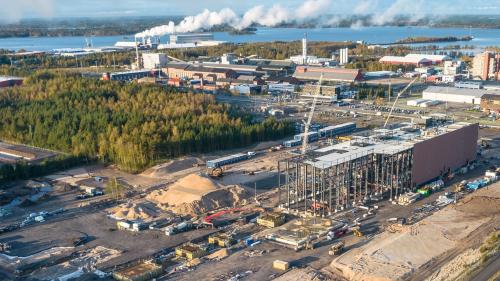
The total area of the deposits estimated at around 500 square kilometres, while in full development the project is expected to employ some 350 workers, significantly strengthening the local economy.
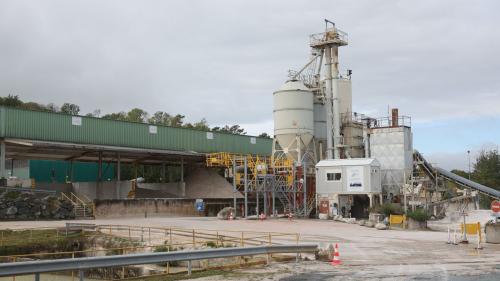
At the same time, in France, one of the largest lithium deposits found in Europe, in the Allier region, is gradually undergoing exploitation. The project, undertaken by Imerys, is actively supported by the French Government, which has already announced funding of around EUR 200 million for its development. At the same time, an additional package of EUR 50 million has been approved, which mainly concerns strengthening research activity in the field.
ARTICLE CONTINUES AFTER ADVERSION
Estimates refer to an annual production of approximately 34,000 tonnes of lithium hydroxide, quantity that can cover the production of approximately 700,000 electric cars per yearFor up to 50 years. The investment, however, is demanding, with the cost already rising close to EUR 1.8 billion out of the 1 billion estimated in the first phase, mainly due to strict environmental standards.
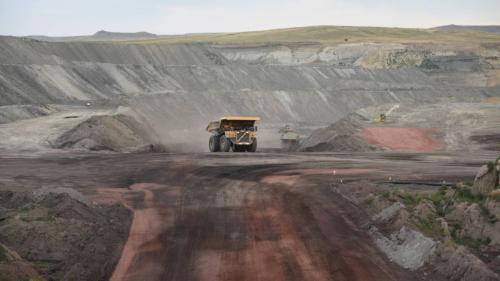
The project includes both deep mining up to 350 metres and the creation of a processing plant at a short distance, forming another crucial basis for European self-sufficiency, At the same time, it is expected to create about 1,000 jobs. However, the reactions from local communities and environmental organisations are not lacking, due to concerns about the water ecosystem in the region.
ARTICLE CONTINUES AFTER ADVERSION
Overall, these two developments show that Europe is no longer a spectator to the «match» of raw materials. The creation of local sources of lithium and the development of processing infrastructure is a• key steps to reduce dependence on third countries and supporting its own battery industry.
Read also:

