
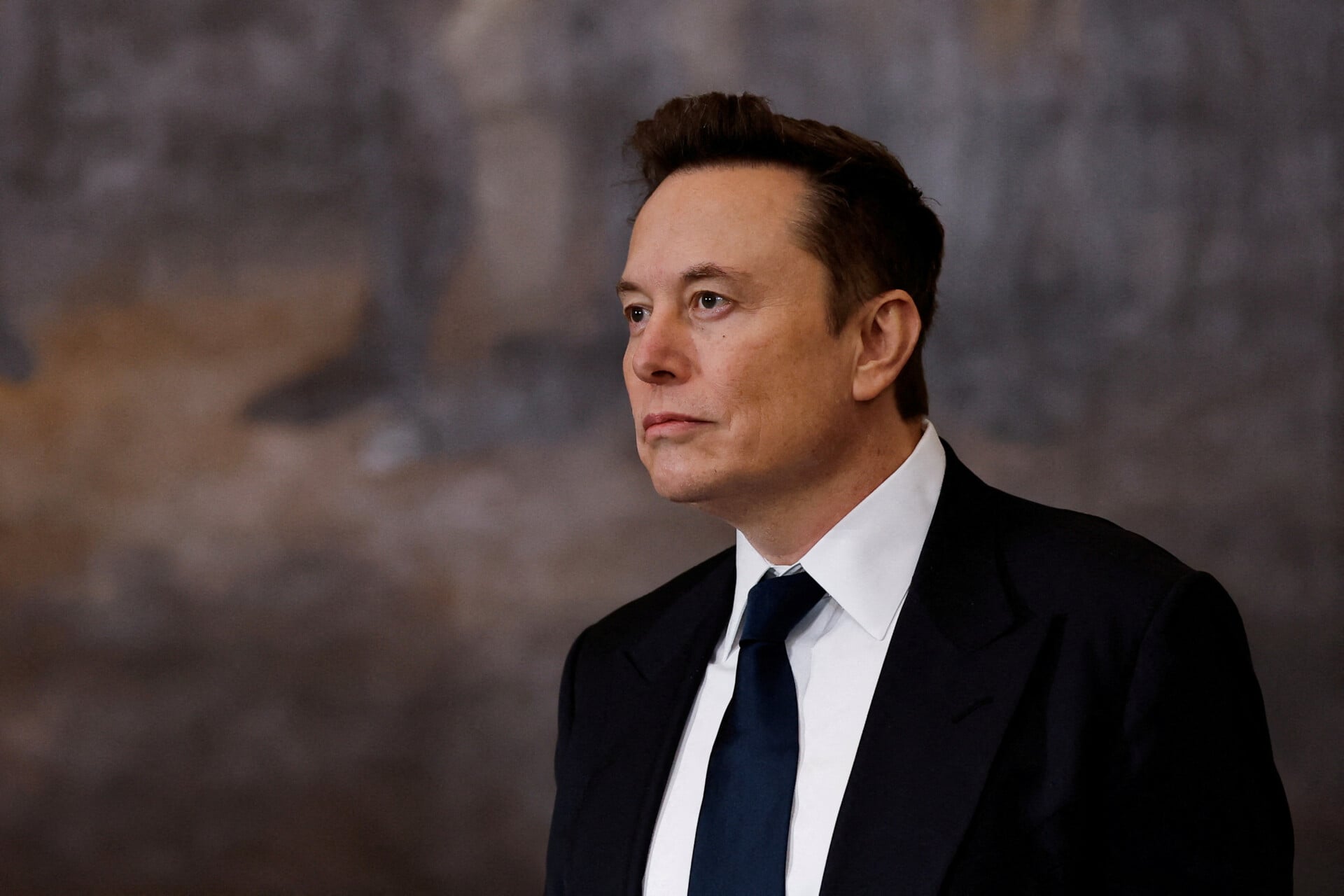
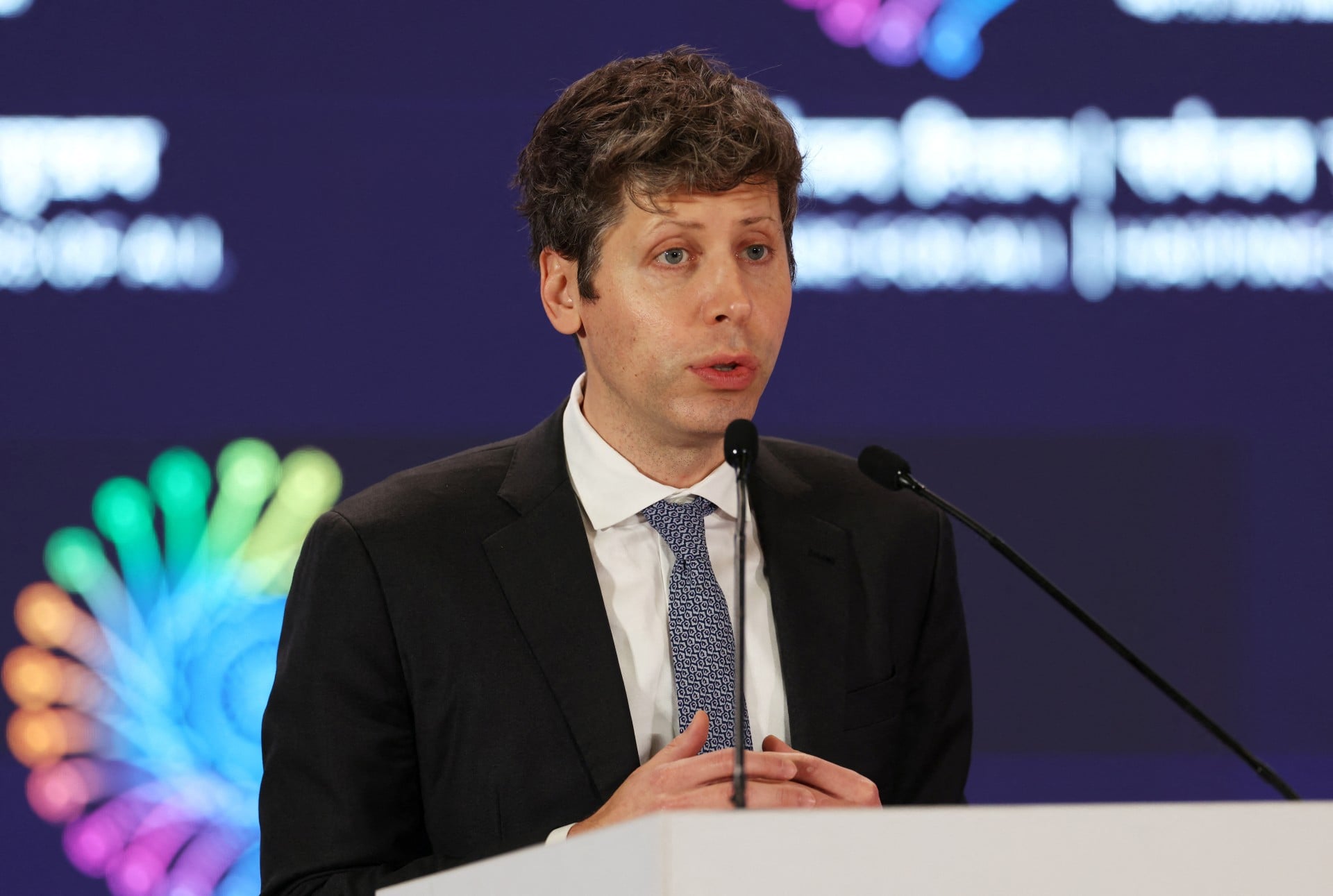
In a giant conflict the court battle between Elon Musk and Sam is evolving. Altman, with OpenAI background and stakes not only billions of dollars, but also the direction of artificial intelligence worldwide.
With opening speeches starting today in California, the case now takes an institutional dimension, after years of public debate.
The two sides show diametrically conflicting accounts of what really happened in the early years of OpenAI.
Musk's side argues that without his own contribution —Economic and strategic— The company wouldn't even exist. As his main lawyer pointed out, Musk invested millions of dollars believing to support a non-profit organization that would serve humanity.
The categories: From non-profit mission to business
Musk accuses OpenAI and Oldman of being misled, eventually turning the company into a speculative colossus.
On the other hand, OpenAI completely rejects the allegations, insisting that Musk knew and supported the plan for commercial development. In fact, according to the company, he had asked for absolute control — which was rejected, eventually leading to a rupture.
This conflict is not just personal. The company accuses Musk of attempting through the lawsuit to slow down a key competitor in the struggle for sovereignty in AI.
Chip Somodevilla/Pol via REUTERS
What Musk wants
His demands are sweeping:
- Removal of Altman and leadership
- Remunerations over $180 billion
- Overturning the corporate structure of OpenAI
Nevertheless, legalists estimate that Musk enters the battle as «underdog».
Two versions of the same story
Two completely different images unfold in court:
The Musk side presents him as a visionary warning of the dangers of AI as early as 2015, even in meetings with then-President Barack Obama.
On the contrary, the Altman side argues that the founders of the company were those who «built» OpenAI with personal work, while Musk had limited involvement.
The jury selection highlighted another crucial element: the strong image Mask has in public opinion, mainly because of his political interventions.
Despite reservations, the jury pledged to judge the case based on facts.
REUTERS/Bhawika Chhabra
What is really judged
Behind personal spikes and charges, this trial touches a much wider issue: Who will control artificial intelligence? — And on what terms.
In a world where AI is evolving at explosive speed, the outcome of the case may affect the balance of power in a billion market.
Maybe it's not just a court dispute. But a battle for who will determine the future.

