
Tell me what you do, let me tell you how much you risk being replaced by artificial intelligence. It could be a fun quiz to pass the time if it wasn't just creepy. New study International Labour Organisation (ILO); compares professional exposure indicators to artificial intelligence, depending on different methodological models. It notes that as technological developments are running at a rapid pace, the data are changing and «risk indicators» They're shifting.
Are penthouses more at risk than artificial intelligence?
The oldest available studies on computer and automation indicated that low-paid workers in repetitive, rutinian manual or employee work are at greater risk. These include engineering-related professions.
Rather, younger research, assessing the real potential of modern genetic artificial intelligence, highlights a different picture. The professions with higher exposure are those that require analysis, reasoning, writing and information management. In general, so-called knowledge — mental work professions It's one of the most exposed. At the level of hierarchy it has been shown that the positions of administration and management are at greater risk.
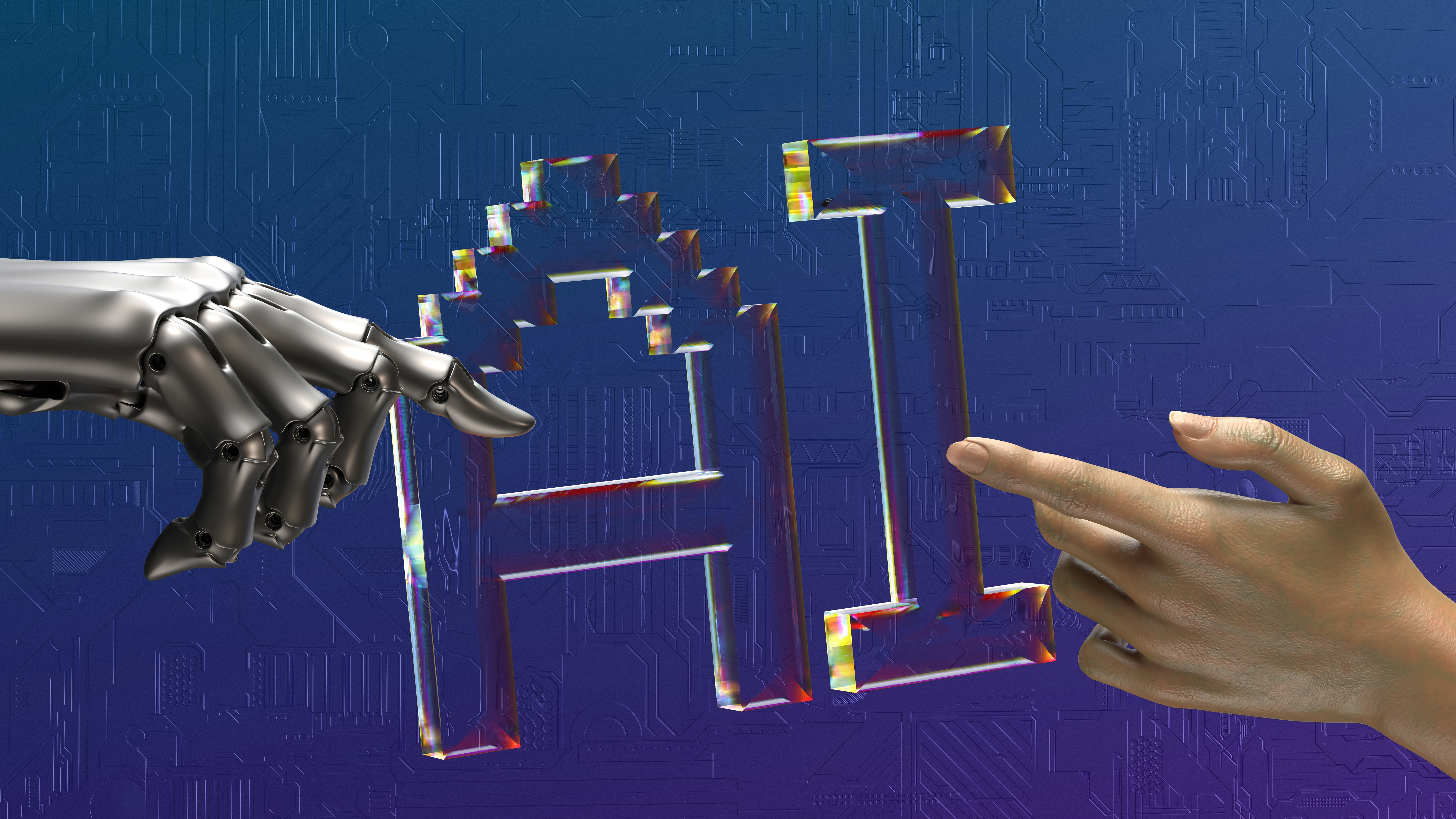
The future is not predetermined
Before we start searching the lists of high exposure professions in artificial intelligence, to see if we are in or not, we need to take this into account: All relevant indicators are not predictive of how the labour market will evolve. They only reveal the rank «accessibility» a series of professions in technological automation. They give us an insight into what artificial intelligence could do, based on a static list of duties. They don't tell us whether or not businesses will consider automation profitable. They don't tell us how the distribution of work will change. Nor how wages, jobs and demand will be affected.
For example, a task can be technically automated, but if the cost of application remains high or institutional conditions do not allow it, automation may not be carried out. Also, historically, increased productivity due to technology has led to new jobs being created — something that the exposure indicators do not count on. For all the above reasons, the IOC warns that occupational exposure indicators in artificial intelligence should not be used as «Prognosis» How many million jobs will be lost.

Which branches are most at risk
Research into the exposure of working sectors and jobs to artificial intelligence confirms significant heterogeneity within professional groups. In all different methodological models, higher skills and higher wages are highlighted as the most exposed.
The professions with the highest exposure scores in artificial intelligence belong to the fields:
- Economic and financial services
- Information and mathematics
- Legal services and administration
Groups of lower skills, such as secretarial and administrative support and sales, also appear vulnerable, although with greater variation within each category.

Animal caregivers are considered less exposed to artificial intelligence.
Who risk less than artificial intelligence
In the opposite, professions requiring physical presence, human care, or manual skill appear much more durable. Nurses, construction workers, farmers, craftsmen and care professionals are in the district of the so-called «occupational network», with fewer connections to the most exposed fields.
Domino effect
The exposure to artificial intelligence extends beyond directly influenced jobs, through professional routes and professional transitions (e.g. career changes). High exposure occupations tend to occupy central positions on the business networks. This applies particularly to the areas of analysis, administration, law, financial and other professional fields. Since these professions are closely linked to other specialities, through common skills and professional transitions, the effects can be extended to related roles.
When a central profession, such as accountant or legal adviser, is influenced by artificial intelligence, shocks are transferred to related professions. The worker who loses his job because he will be replaced by some AI system, will seek work on another object within his cognitive field. If this happens on a massive scale, the supply of work will increase, so competition will increase in related sectors. Thus, for example, office employees, project managers or administrators may be affected even if their own work does not seem directly automated.
On the contrary, manual and technical professions as well as care professions are located in the network district and suffer fewer secondary effects.

Qualified builders are classified in low risk professions
ILO list
The research annex includes a list of high and low risk professions – depending on eight different methodological models and surveys.
The following are referred to as low risk occupations:
- Dancers
- Artists performers- entertainers
- Personal Trainers
- Gymnastics instructors and aerobic instructors
- Massage therapists
- Grum
- Waiter-brown-bar helpers
- Food preparations and assistants
- Specialist blacksmiths
- Postal couriers
- Animal care
- Builders (boys, gypsies, marmalades, blacksmiths, well-papeders etc.)
- Woodworkers
- Hydraulic presses and other machinery operators
- Insurance risk assessors (low level)
- Aircraft baggage management supervisors
- Land-forestry workers
- Cleaning workers
- Unskilled workers
- Waste-recycling workers - road cleaners
- Mining workers

Economic auditors belong to the high risk professions
The following are classified in high risk occupations:
- Genetic consultants
- Financial controllers
- Director of advertising, marketing, promotion, public relations and sales
- History professors? Postsecondary
- Indoor decorators
- Clinical laboratories technicians
- Nuclear medicine technicians
- Science and engineering professionals
- Office supervisors
- Legal professors
- Architects
- Chemical engineers
- Air traffic controllers
- Business administration;
- Director of Specialisations
- Supply managers
- Chemical engineers
- Optometers
- MRI technicians
- Budget analysis
- Artistic directors
- Power plant operators
- Astronomers
- Teachers of foreign languages and literature
- Senior executives
- Text editors
See IOC research: HERE

