
Loading Text-to-Speech...
On 27 July 1990 the increasingly stringent emission and safety regulations led to the cessation of production of Citroen 2CV, a legendary model that has managed to remain alive for more than 40 years.
The last piece rolled from the factory line in Mangualde, Portugal was a gray Charleston. Since then, the discussion on the revival of the model has never stopped, but Citroen has never left even a small shred of hope as to the possibility of returning the 2CV. The French company’s position was that for its new models she drew inspiration from her legacy, but she recalled that her DNA was based on innovation and that her look was necessarily directed towards the future. So the idea of reviving an old model was de facto alien to this philosophy.
The big twist
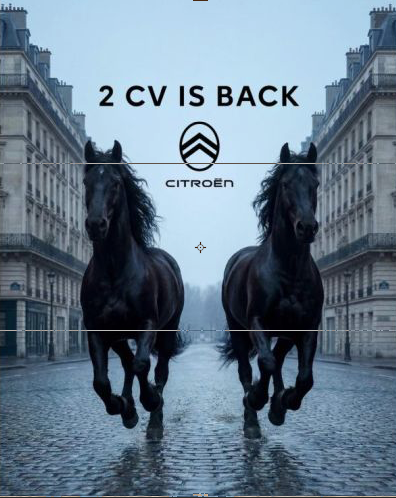
And yet, a few weeks ago this company strategy was overturned, as the brand's new head, Xavier Sardon, confirmed that the 2CV returns.
It will not, as he explained, be a mere exercise of nostalgia, but a modern interpretation of the values that made the original model unique, such as simplicity, affordable costs and movement free of all unnecessary.
According to the first information, the new model It will be purely electric, manufactured in Europe and placed on the market as one of the most economical electric cars of his class.
The news, of course, went around the world, with media and public comments pointing to this change of strategy of the French company. The reason for this shift clearly refers to the camps of its competitors. The Renault proved with the new Renault 5 that a car can draw apparent design inspiration from the past without looking obsolete. Renault 4 followed and Twingo's return.
According to the first information, the new model will be purely electric, manufactured in Europe and placed on the market as one of the most economical electric cars in its category.
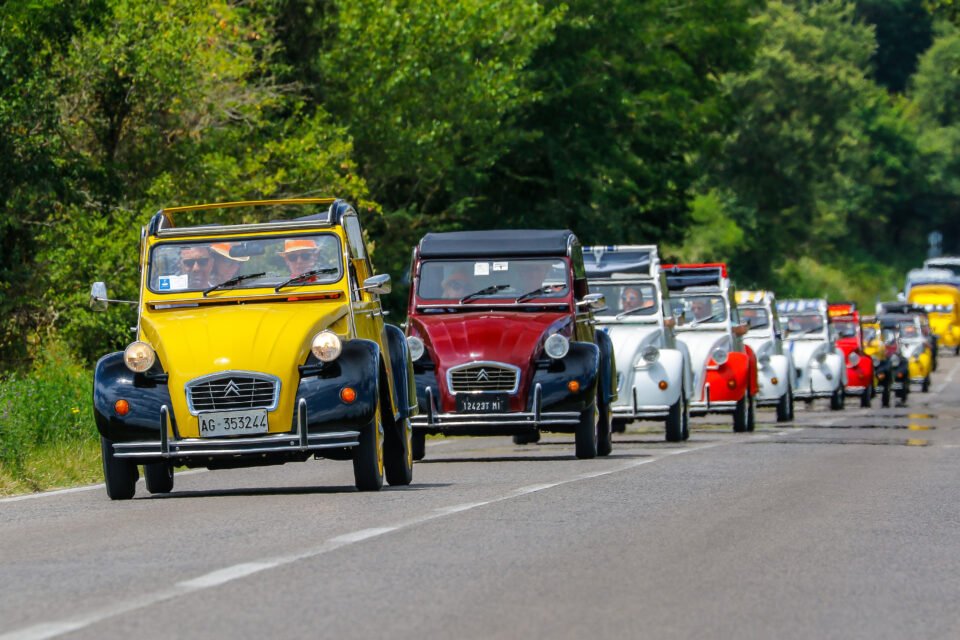 The 2CV was not designed to impress, but to serve the transport needs of its time.
The Fiat, much earlier, he had shown with the 500 that a historical name can be converted into an extremely successful modern product. So where retro design was previously treated with caution, today it is considered an effective way to create a direct emotional bond with the buyer.
The car born of a need
The original 2CV was presented in 1948 in response to an extremely specific social problem. The «Deux Chevaux» did not refer to the actual power of the engine, but to the French tax category in which it joined.
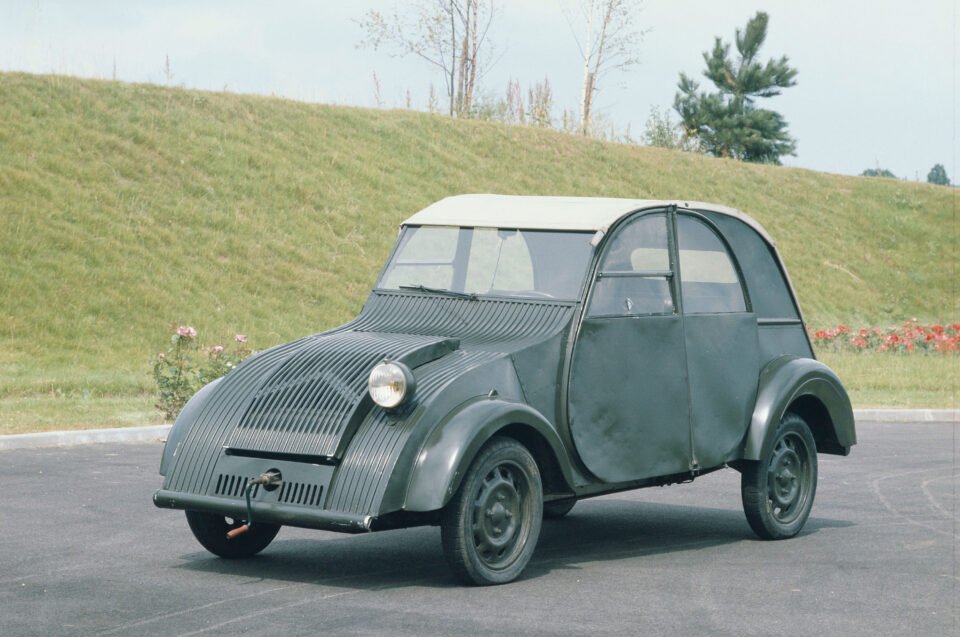 The TPV (Toute Petite Voiture), the precursor of 2CV, was designed before World War II with a clear goal: to offer affordable motor drive to people who until then did not have access to it.
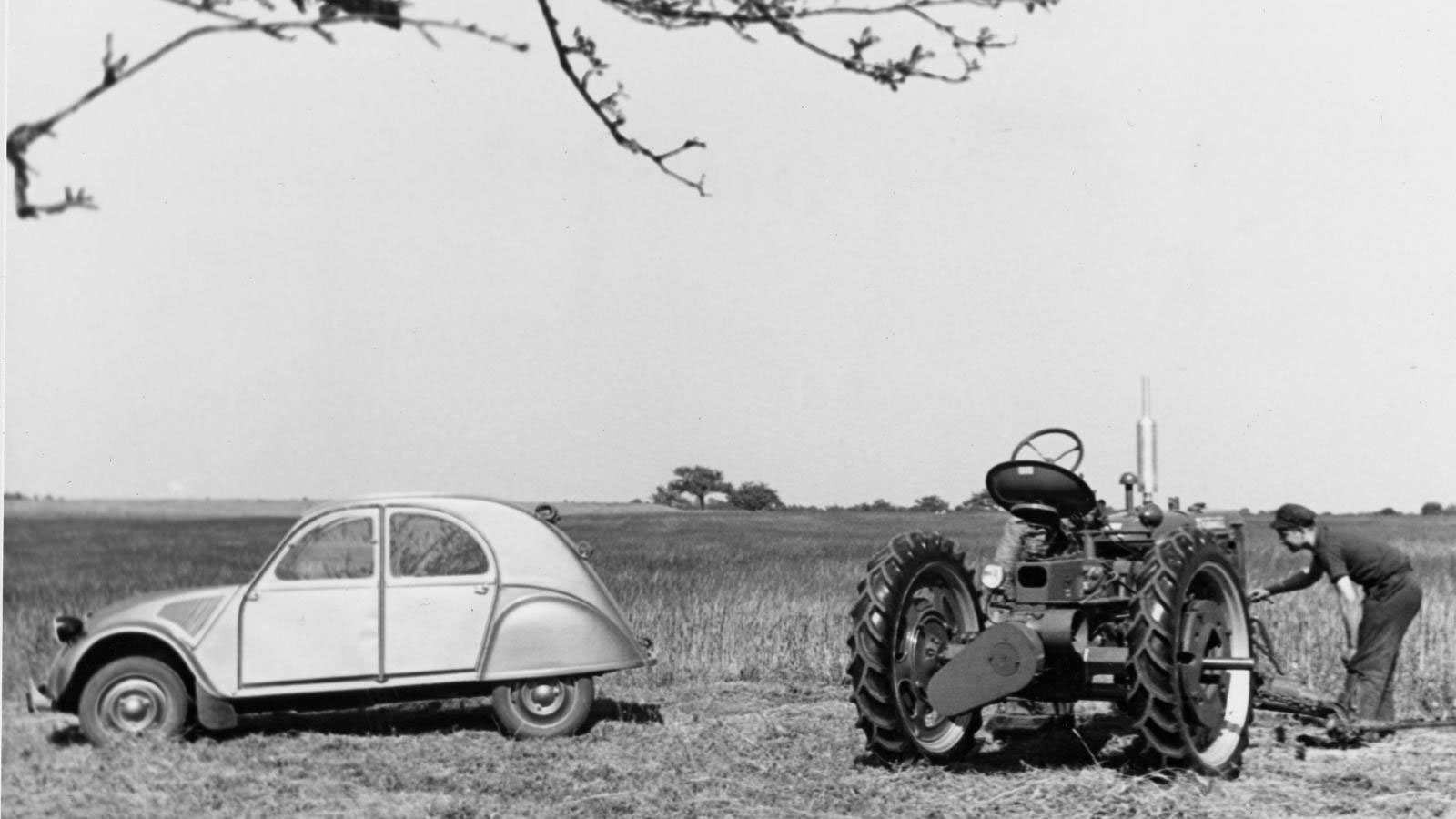
Postwar France needed a car cheap, light, easy to maintain and able to serve people who until then had no access to motor traffic. The famous demand of Pierre Boulanze, then head of Citroen, to be able to carry four farmers with their hats and a basket of eggs through an angry field without breaking one, has remained in history more as a cute story than as an extremely clear description of a social need of that time.
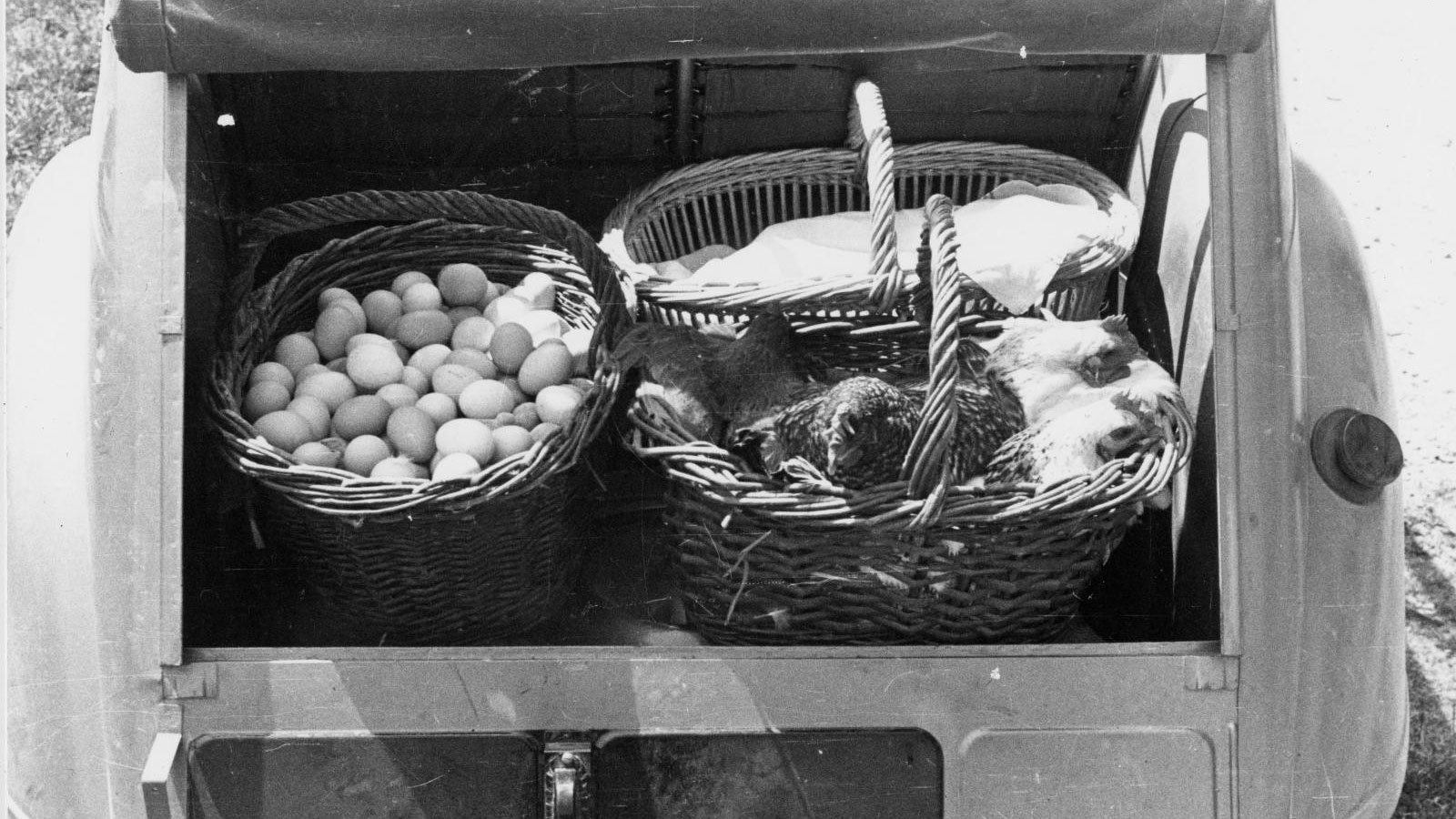
So where retro design was formerly treated with caution, today it is considered an effective way to create a direct emotional bond with the buyer
This car was not the result of searching for impressive performance or aesthetic originality, but the clearest expression of functionality, as each line, every technical choice, every kilo saved served a particular purpose. And maybe that’s why he managed to overcome his time.

Almost eighty years later, the European car industry is faced with an equally great challenge, as electrokinesis is rapidly evolving, but it remains expensive for much of the purchasing public. The need for a truly accessible, simple and intelligent vehicle comes back to the fore in a way that strongly reminds the postwar period.
This finding is particularly interesting when one hears his opinion. Patrick Giraud (Patrick Giraud), who has dedicated his entire professional life to car design and maintains a special relationship with 2CV. A graduate of the Royal College of Art and holder of the Giugiaro Award, he has worked with major car manufacturers, while today he still teaches at the Royal College of Art. I met him fourteen years ago, through the Greek car designer Kovo SaverWhen I was investigating the story of Enfield 8000.
He didn't have a single line on him that only exists for aesthetic reasons. Everything had a reason for existence. That's what made it so real.
«I've always been interested in 2CV. It was my first car when I was a student in the 1980s. I have wonderful driving memories of that period. It was a car full of emotion, but at the same time incredibly advanced as to minimize its weight and performance.». When I asked Patrick to describe exactly what made the car so special, he answers without a second thought: «It was honest. He wasn't trying to be something he wasn't. He didn't have a single line on him that only exists for aesthetic reasons. Everything had a reason for existence. That's what made it so real.».
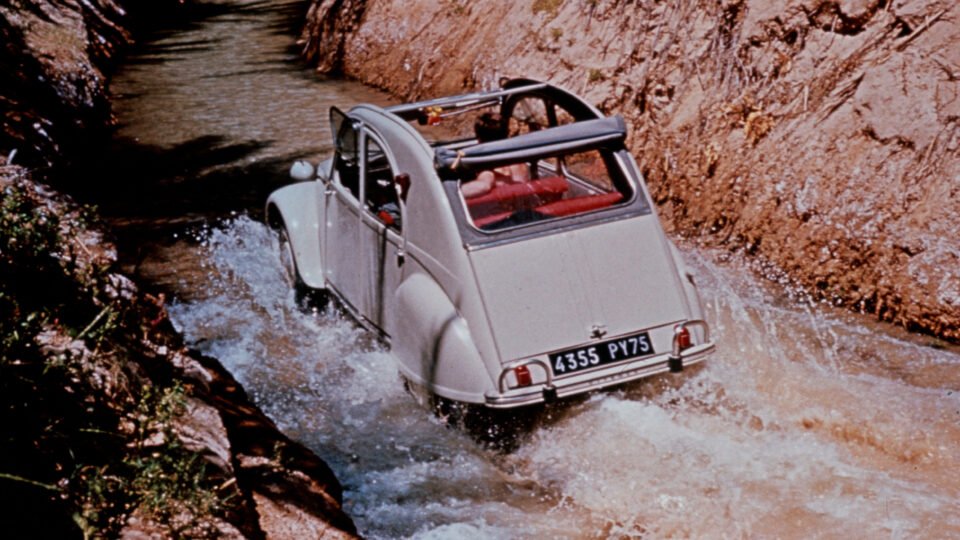 The actual legacy of 2CV is not the body curves but the idea that a car can be designed around the real needs of people. This is the bet that his modern successor is called upon to win.
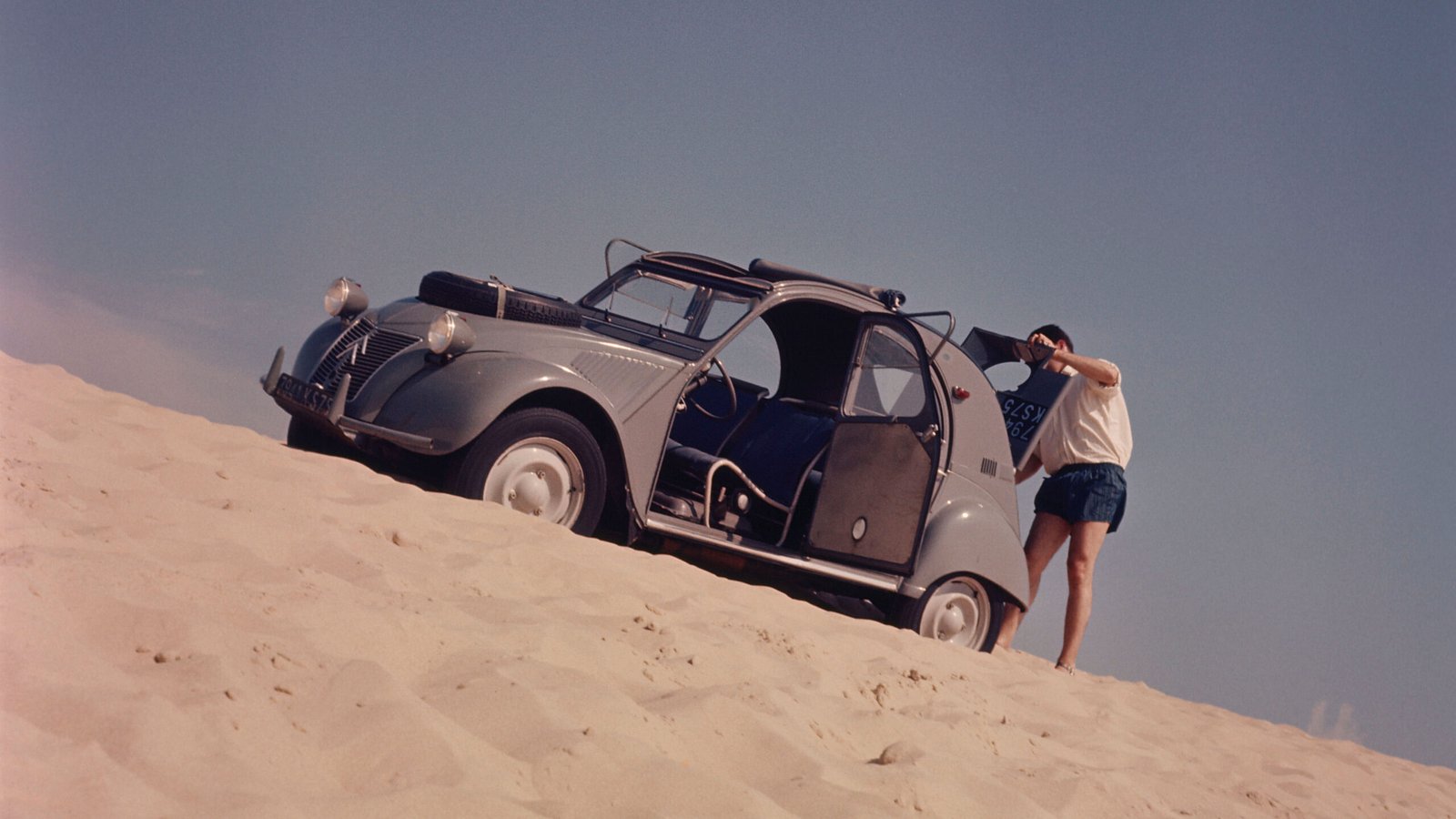
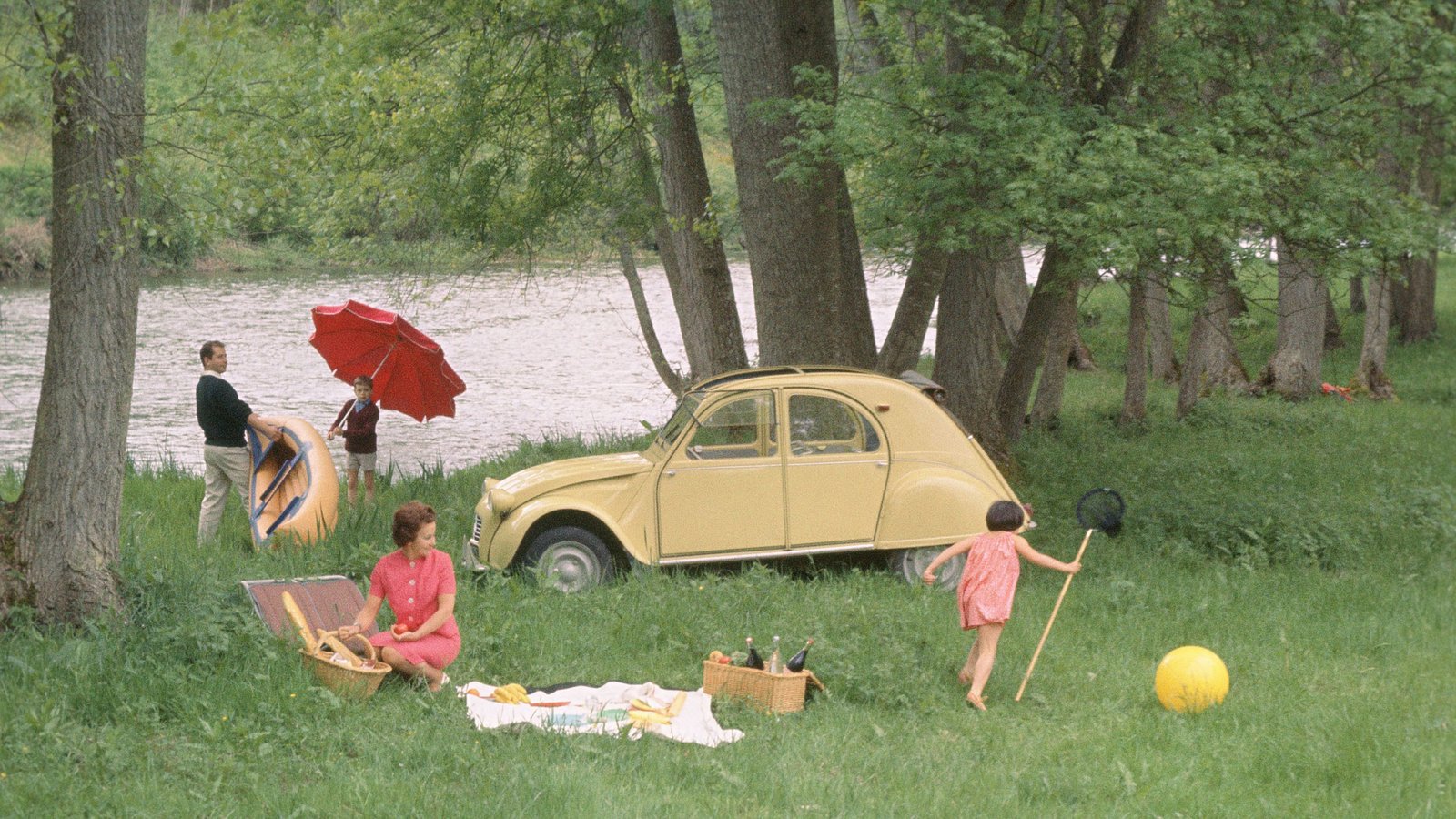
In fact, 2CV was never designed to impress. The fabric roof, the thin body panels, the long suspension routes, even the characteristic of the silhouette, was the result of a series of technical options serving a specific goal, which is why it did not remind any other car of its time.
«It almost looked like a living organism. You weren't afraid of it. He didn't keep you at a distance. He wanted you to live with him.», mentions Giraud characteristics.
2CV was loved not only because it was economical or practical, but because it created a different relationship with its owner. It was a car you could repair yourself, modify, adapt to your needs without feeling you're interfering with a complex technological system. «The 2CV said, "Do what you want with me."».
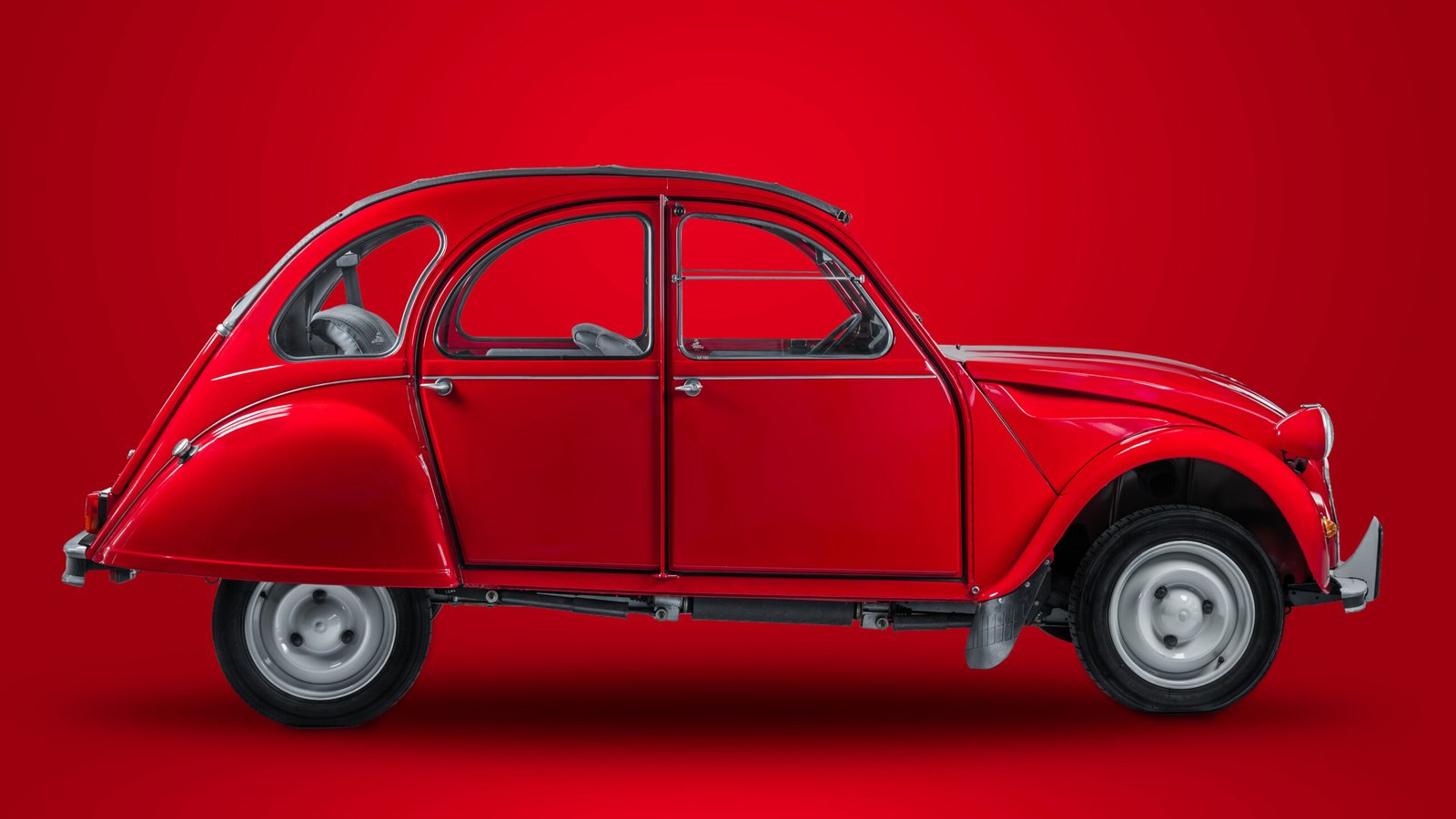
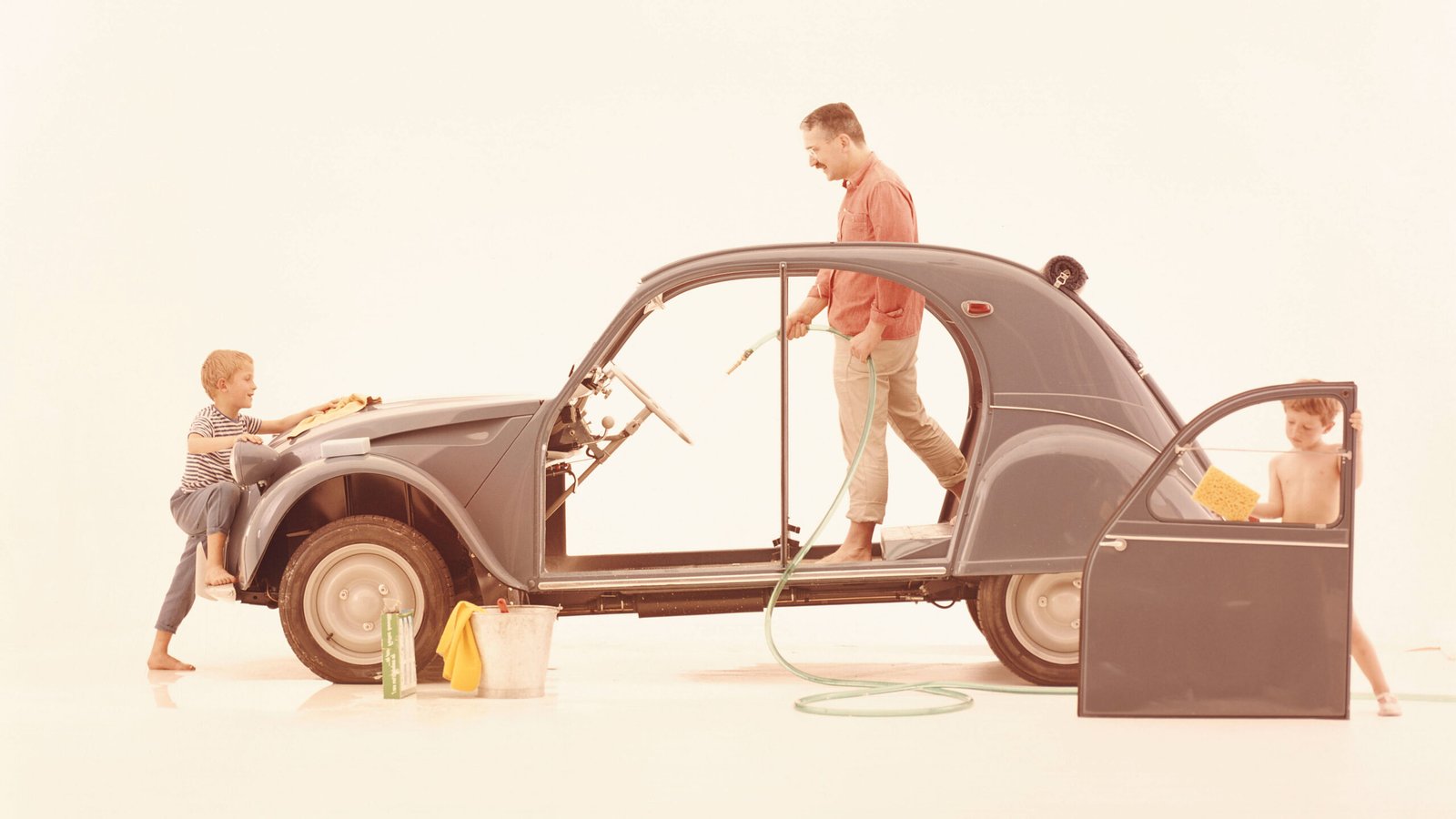
Although his performance was limited, even with the data of his time, he managed to transform into a separate experience even the simplest route. «It didn't matter how fast you went. It mattered that you felt every moment that you were really driving. The car contacted you.». The long inclinations of the bodywork, the characteristic sound of the two-cylinder engine, the way the suspension managed the anomalies of the road, all contributed to driving becoming a constant conversation between man and the machine.
Today, on the other hand, most new models are the product of complex organizational structures, commercial compromises and countless approvals.
Behind the 2CV were two extremely powerful personalities, the airshipper André Levèvre mechanical evolution and sculptor Flaminio Bertoni In design. Their collaboration created a car with a single personality, where aesthetics and engineering served exactly the same idea. At this point Patrick Giraud recalls a phrase by Alec Isgonis, the creator of Mini: «Large is any group consisting of more than two persons». That is why the iconic cars of the postwar period strongly brought the personality of their creators. Today, on the contrary, most new models are the product of complex organizational structures, trade compromises and countless approvals. The result can be technically even, but rarely has the purity of an idea that runs through the entire product.
Drawing the successor of 2CV
Ουσιαστικά, η ιδέα ενός αντικαταστάτη του 2CV συνέχισε να εξελίσσεται, σιωπηλά, στις περισσότερες σχολές σχεδιασμού, πολύ πριν η ίδια η εταιρεία αποφασίσει να την ξαναφέρει στο προσκήνιο. Ο Πατρίκ Ζιρό είχε κι αυτός με τη σειρά του επιχειρήσει να απαντήσει στο ίδιο ερώτημα που απασχολεί σήμερα τη γαλλική εταιρεία.
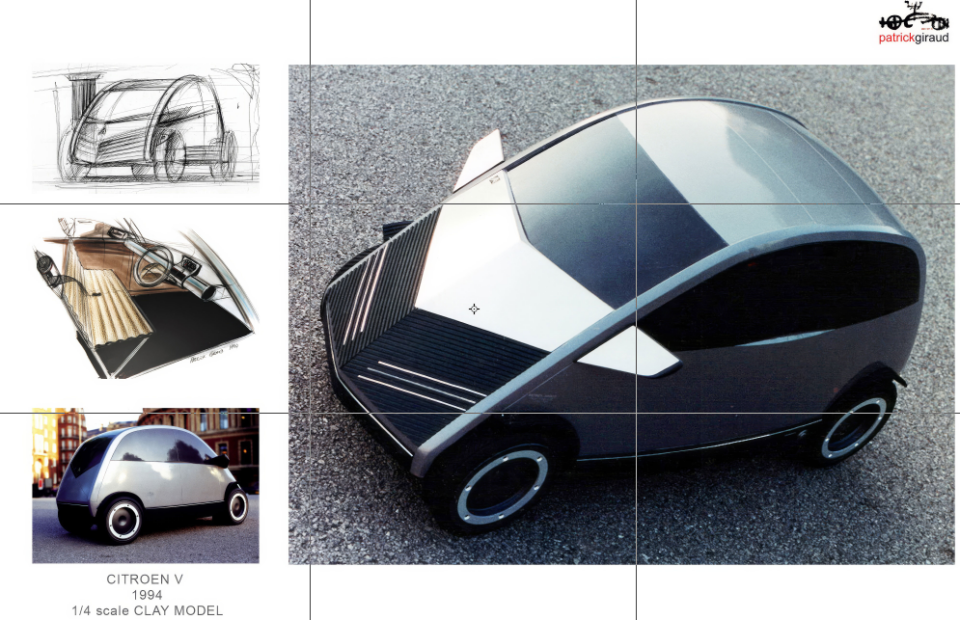 Το Citroen V (Ville et Voyage), η πρόταση που παρουσίασε ο Πατρίκ Ζιρό το 1994 ως φοιτητής του Royal College of Art, επιχειρούσε να μεταφέρει τη φιλοσοφία του 2CV στον 21ο αιώνα, σχεδιάζοντας ένα ελαφρύ, απλό και διαχρονικό οικογενειακό αυτοκίνητο.
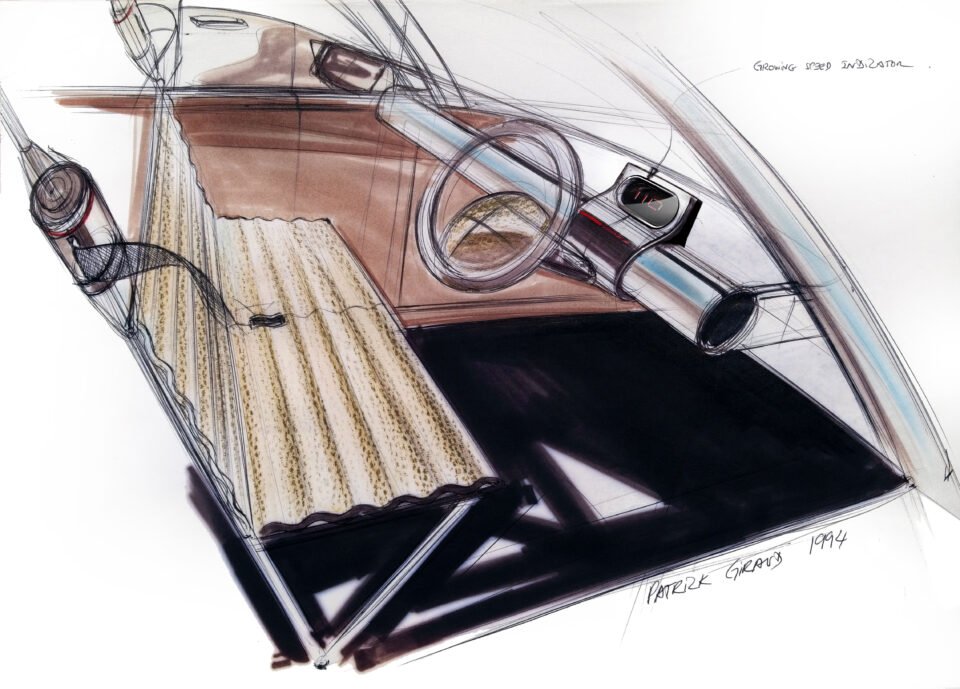 Ακόμη και το εσωτερικό του Citroen V ακολουθούσε τη λογική του 2CV, όπου κυριαρχούν η απλότητα και η λειτουργικότητα.
Πώς σχεδιάζεις τον διάδοχο ενός αυτοκινήτου που έχει γίνει σύμβολο; Ως φοιτητής ακόμη στο Royal College of Art, στις αρχές της δεκαετίας του ’90, παρουσίασε το Citroen V (Ville et Voyage – Πόλη & Ταξίδι), μια προσωπική του πρόταση για το πώς θα μπορούσε να εξελιχθεί η φιλοσοφία του 2CV στον 21ο αιώνα. «Ηθελα να σχεδιάσω ένα οικογενειακό αυτοκίνητο, ελαφρύ και απλό όπως το αρχικό 2CV. Ενα αυτοκίνητο που θα μπορούσε να εξελίσσεται μαζί με την τεχνολογία, χωρίς να χάνει την ταυτότητά του».
Το Citroen V βασιζόταν σε μια modular αρχιτεκτονική με πολλαπλές επιλογές κινητήρων. Πάνω απ’ όλα όμως εξέφραζε την ιδέα ενός αυτοκινήτου που θα είχε μεγάλη διάρκεια ζωής, εξελισσόμενο μαζί με την τεχνολογία αντί να αντικαθίσταται από ένα εντελώς νέο μοντέλο.
«Προσωπικά θεωρώ ότι η Citroen έκανε λάθος επιμένοντας διαρκώς να δημιουργεί νέα προϊόντα και να κυνηγάει την πρωτοτυπία με κάθε κόστος. Βέβαια, εγώ δεν είμαι ένας συνηθισμένος σχεδιαστής. Προέρχομαι περισσότερο από τον χώρο της γλυπτικής, όπως ο Μπερτόνι. Ισως γι’ αυτό βλέπω τα πράγματα διαφορετικά. Δεν έχω κανένα πρόβλημα με την ιδέα ενός αυτοκινήτου που εξελίσσεται σταδιακά μέσα στον χρόνο, ακριβώς όπως η Porsche 911, το Volkswagen Golf ή ακόμα η Mercedes G-Class. Αυτά είναι αυτοκίνητα που παραμένουν στην παραγωγή επί δεκαετίες και βελτιώνονται συνεχώς. Για μένα, όσο περισσότερο ζει ένα προϊόν, τόσο πιο ενδιαφέρον γίνεται. Φυσικά, αυτή η φιλοσοφία έρχεται σε σύγκρουση με τη λογική της μόδας. Η μόδα ζητά συνεχώς κάτι νέο».
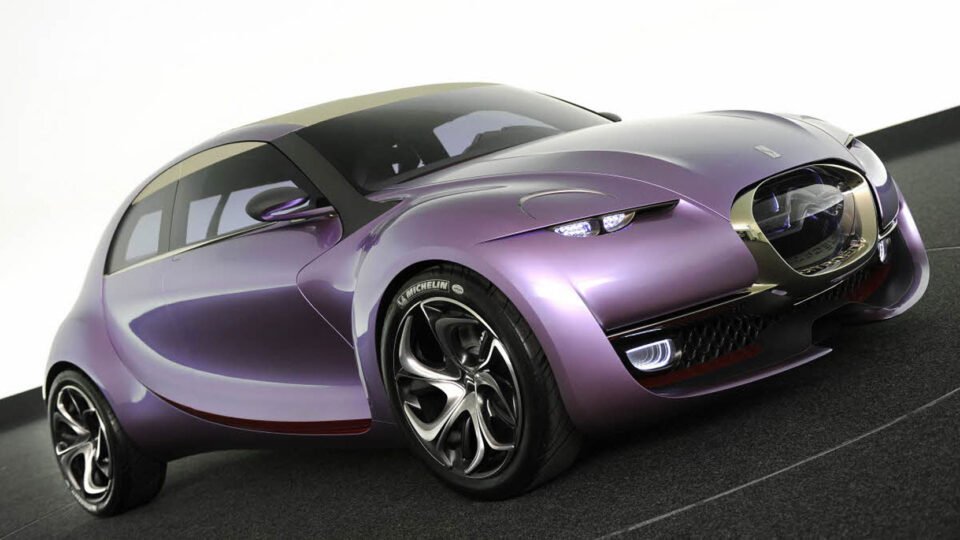 Το πρωτότυπο Citroen REVOLTe του 2009 αποτέλεσε την πρώτη σοβαρή ένδειξη ότι η γαλλική εταιρεία πειραματιζόταν με την ιδέα μιας σύγχρονης ερμηνείας του 2CV. Παρά τις εμφανείς σχεδιαστικές αναφορές, η Citroen επέμενε τότε ότι δεν επρόκειτο για προάγγελο ενός νέου 2CV, θέση που διατήρησε έκτοτε για περισσότερο από δεκαπέντε χρόνια.
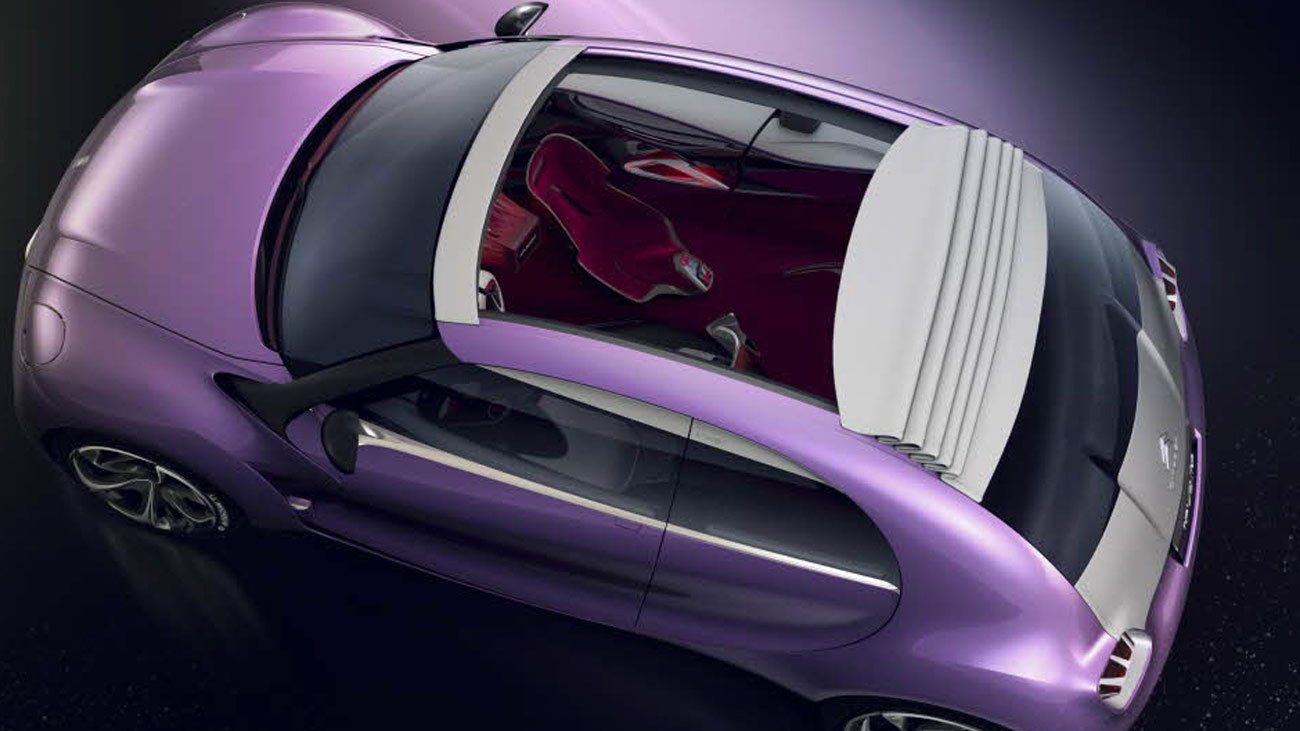
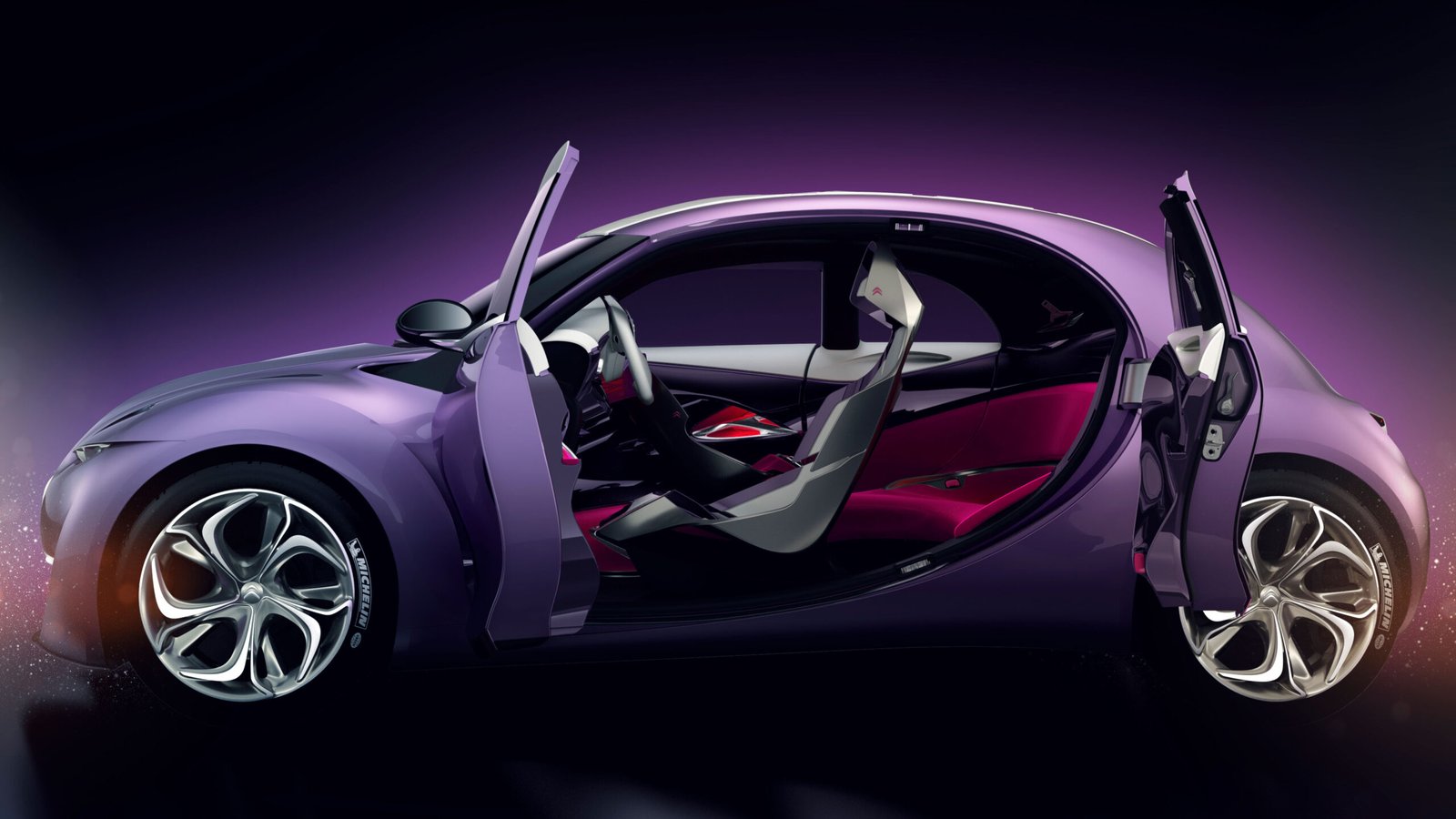
Ο ίδιος θεωρεί πως είναι λάθος να αλλάζεις το προϊόν σου κάθε λίγα χρόνια. «Λες ότι σέβεσαι την ιστορία της μάρκας, αλλά στην πράξη δεν την αξιοποιείς πραγματικά. Η συνεχής αναζήτηση του καινούργιου μπορεί να γίνει παγίδα. Κάποια στιγμή δεν αντιλαμβάνεσαι καν ότι έχεις χάσει τον δρόμο σου».
Ταυτόχρονα εκφράζει τον προβληματισμό του ως προς το τι θα αντιπροσωπεύει το μελλοντικό 2CV. «Μπορούν εύκολα να κατασκευάσουν ένα σύγχρονο αυτοκίνητο που να θυμίζει αισθητικά το παλιό 2CV. Αυτό είναι το εύκολο. Το δύσκολο είναι να δημιουργήσουν ένα αυτοκίνητο το οποίο να μπορείς να το χαρείς ακριβώς επειδή είναι τόσο απλό, επειδή είναι οικονομικό στην αγορά και συνολικά προσιτό στη χρήση».
Δικαίως, λοιπόν ανησυχεί μήπως η Citroen ακολουθήσει τον δρόμο της αναβίωσης του Renault 4, το οποίο θεωρεί πως τεχνολογικά είναι ένα πολύ προηγμένο αυτοκίνητο, στην πραγματικότητα όμως δεν έχει σχέση με το αυθεντικό «Κατρέλ». «Είναι ένα καλό αυτοκίνητο, αλλά μοιάζει περισσότερο με ανταγωνιστή του Mini. Το αρχικό Renault 4 ήταν κάτι πολύ πιο βασικό, πολύ πιο λιτό. Ενα αυτοκίνητο που μπορούσε να πάει παντού. Αν το νέο 2CV θα μπορεί ακόμη να μεταφέρει στο πίσω μέρος ένα καλάθι με αυγά χωρίς να σπάσουν, διασχίζοντας ένα λασπωμένο χωράφι και ο οδηγός να συνεχίσει να αισθάνεται ότι το αυτοκίνητο κάνει ακριβώς αυτό για το οποίο δημιουργήθηκε, τότε η Citroen θα έχει πετύχει τον στόχο της».
Προφανώς η εν λόγω φράση του Ζιρό εμπεριέχει έναν συμβολισμό. Οπως το πρώτο 2CV σχεδιάστηκε για να καλύψει μια συγκεκριμένη ανάγκη της εποχής του, έτσι και ο σύγχρονος διάδοχός του θα κριθεί, όχι από το πόσο πιστά θα αναπαραγάγει τη μορφή του αρχέτυπου, αλλά από το κατά πόσο θα καταφέρει να δώσει μια εξίσου ουσιαστική απάντηση στις απαιτήσεις του σήμερα. Αν το πετύχει, θα μπορεί ίσως να προκαλεί το ίδιο αυθόρμητο χαμόγελο που εξακολουθεί να γεννά το αυθεντικό 2CV κάθε φορά που εμφανίζεται στον δρόμο.
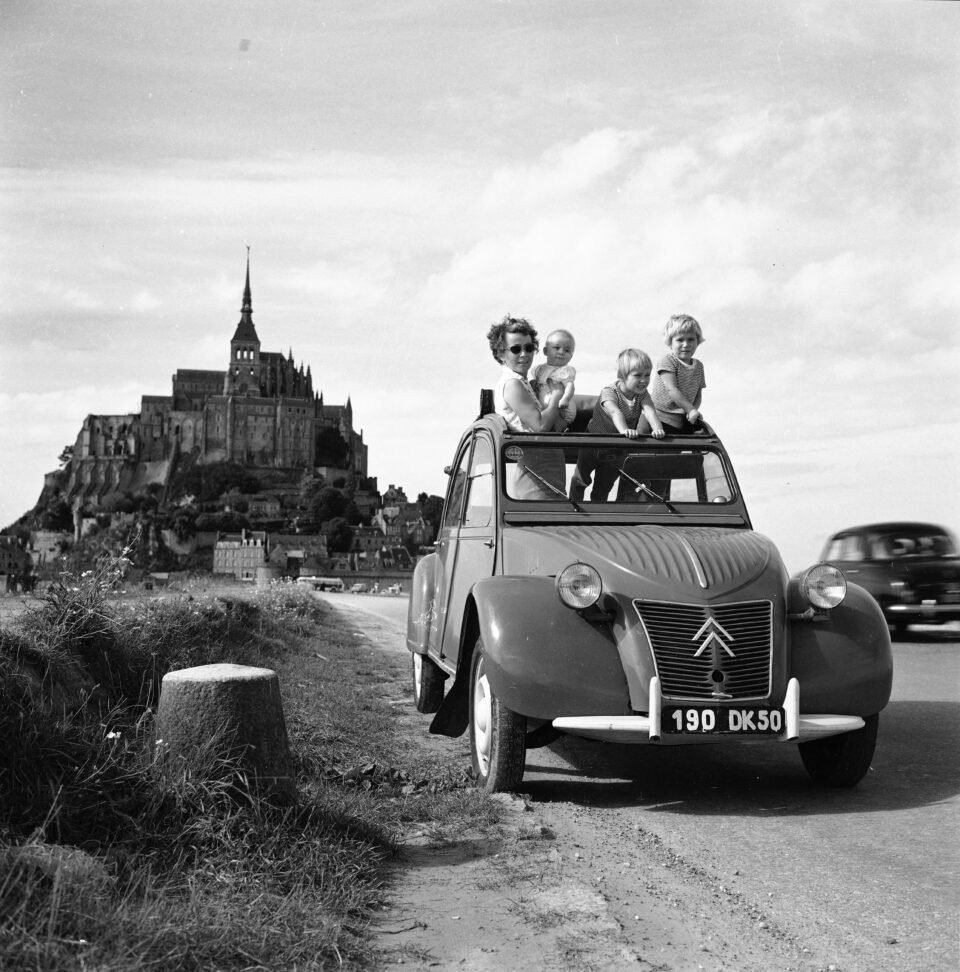 Το μεγάλο επίτευγμα του 2CV δεν ήταν η μορφή του, αλλά η ειλικρίνειά του. Δεν προσπαθούσε να είναι κάτι διαφορετικό από αυτό που πραγματικά ήταν.

