
As we know, a car with plug-in hybrid technology combines the positives of a pure electric with those of a thermal engine.
These are also dealt with by the with edthe favourable conditions by governments - whether tax or invoice - as they emit a smaller amount of carbon dioxide.
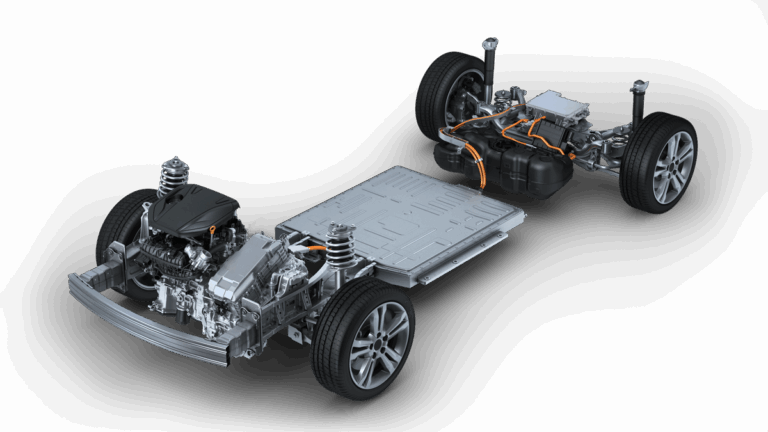
However, a treaty is required to apply and maintain this advantage: The driver charge the battery the PHEV system that has its vehicle every time it is needed and Do not neglect or postpone it.
That is, not to use it as a conventional thermal engine (only) and has already benefited from the fact that it has acquired it under the specific regime applicable to Plug-in Hybrid.
This phenomenon has recently been reported in Nicholas Peter, Chairman of the Supervisory Board of BMW. In fact, he was critical of those who do not care to charge their PHEV car properly.
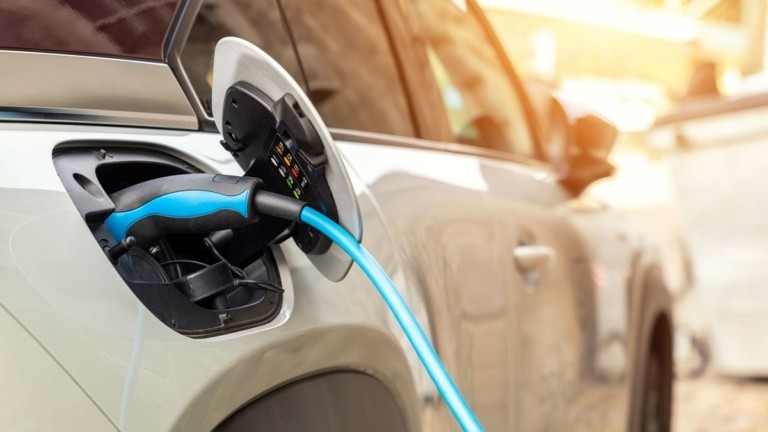
In addition to that, he proposed institutionalised and implemented the monitoring measure by technical means of the behaviour of the owners or drivers of PHEV vehicles with regard to whether they charge them properly or not.
According to a study carried out by his people Fraunhofer Institut, just about 25% total mileage coverage of PHEV is carried out exclusively by electricity.
As we know, if one PHEV model used only with its thermal engine, both fuel consumption and emissions of pollutants and carbon dioxide are increased compared to those of an internal combustion engine only.
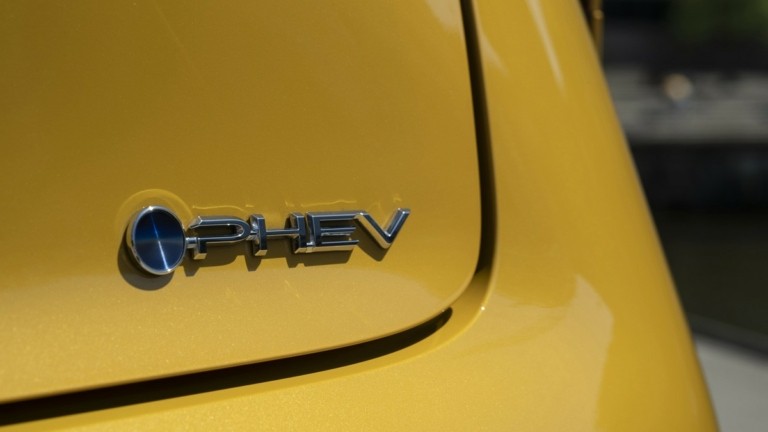
Nicholas Peter argues that car companies could monitor Technical the load frequency of the vehicles and impose restrictions when the battery is not regularly charged.
Among the possible measures that he said could be taken are even reduction of available power the vehicle's motion system. As he pointed out, something like this is technically feasible with today's electronic management systems in modern cars.
A similar view and proposal was expressed by the Frank-Stephen Valiser, its Managing Director Bentley Motors. This debate is of particular importance because of increasing pressure from the European Union further reduce the amount of carbon dioxide emitted by the automotive industry.

We recall that the EU has imposed since 2022 a provision whereby all new cars in Europe must have the System «OBFCM» («On-Board Fuel Consumption Monitor») which keeps recording actual fuel consumption The car.
This data collected from companies and are directly used in the calculation of carbon dioxide corporate emissions; and specify The Environmental Appropriations which manufacturers receive for their car fleet.
If vehicle PHEV drivers do not charge them often and do not use them as pure electric, increasing significantly the actual emissions of carbon dioxide recorded, hence the amount of the fine that car manufacturers will be called upon to pay to overcome the institutionalized threshold by the EU.
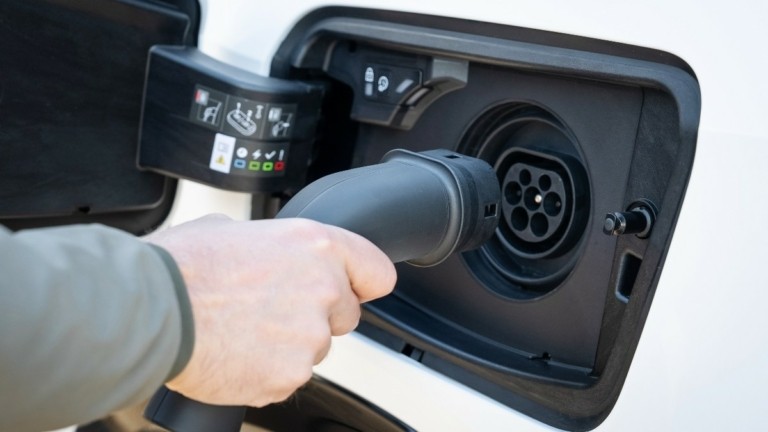
However, the prospect of technical supervision of drivers' behaviour Plug-in Hybrid cars are already starting to causes reactions.
At the same time, issues arise protection of personal data, as the question arises to what extent manufacturers can monitor and influence their customers' behaviour.
NEWS TODAY
The new Volkswagen ID. Polo in Greece (+ prices)
When are we gonna see the new Toyota Corolla?
Official: This is the new Mercedes-AMG GT 4-Door Coupe of 1,169 horsepower
Share it

