
Με τις τρέχουσες γεωπολιτικές εξελίξεις να έχουν οδηγήσει τις τιμές των καυσίμων σε ένα ατέλειωτο ράλι τιμών, οι οδηγοί αναζητούν λύσεις προκειμένου να πετύχουν μεγιστοποίηση της οικονομίας καυσίμου.
According to technical studies on aerodynamics and mechanical performance, Spain's Road Traffic Directorate-General officially announced the ideal for reducing consumption on motorways.
More specifically, the service argues that driving at that speed allows cars to reach their top technical performance, making optimal use of engine torque.
ARTICLE CONTINUES AFTER ADVERSION
Overshooting the 90 km/h threshold implies an exponential increase in the number of workers. fuel consumption, because the vehicle must accept much greater aerodynamic resistance, while driving below this speed usually requires using lower speeds that aimlessly raise engine speeds, thus crushing the myth that the slower you drive, the less fuel you use.
To understand why 90 km/h represents the best point of consumption, it is necessary to take into account that the aerodynamic resistance of any vehicle is in motion, not increased linearly at speed, but exponentially.
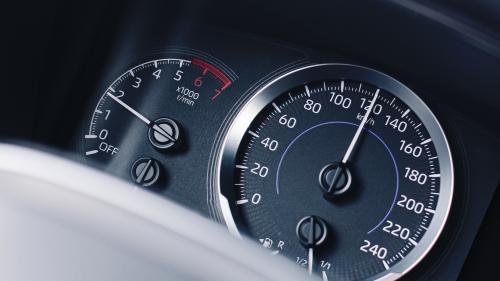
According to data obtained, a vehicle moving on a highway at the maximum legal speed of 120 km/h per hour can consume up to 30% more fuel than if they were moving at a steady speed of 90 km/h.
ARTICLE CONTINUES AFTER ADVERSION
This phenomenon is explained by the fact that, over 90 or 100 km/h, most of the energy produced by the engine is not used to drive the wheels, but to drive the wheel. «exceed» the air wall in front of the car. Reducing the speed to the 90 km/h limit, the engine operates in a much more relaxed load zone, which nowadays translates to maximum efficiency in both internal combustion engines and hybrid and electric vehicles.
This recommendation does not only concern road safety, although it is clear that the speed of 90 km/h decreases the severity of accidents, but also aims to ease the financial burden on drivers in a context of unstable energy prices. Maintaining speed 90 km/h on highways can represent significant monthly savings for those making large daily trips.
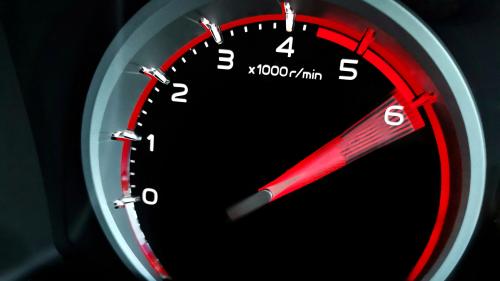
However, it is stressed that to be this speed really effective the driver must use the highest possible relationship. In most modern cars, the fifth or sixth relationship is fully functional at 90 km/h, allowing the engine to operate at low speeds without vibration or lack of response.
ARTICLE CONTINUES AFTER ADVERSION
At the same time, however, Spain's Directorate-General for Traffic warning of the risks of excessive low speeds on motorways; as dangerous situations can be created due to the differential of speed with the rest of traffic.
90 km/h ensure that the car does not consume excessive fuel, that the driver arrives at his destination in a reasonable time and that the safety of all road users is not at stake by too late vehicles.
However, apart from individual benefits, a wide reduction in average road speed would also have a collective impact, as the lowest fuel consumption directly translates to a proportionate reduction in carbon dioxide emissions and other pollutants.
Read more
ARTICLE CONTINUES AFTER ADVERSION

