
When a company starts ordering about 1,000 bottles of tequila a year, it eventually ceases to look like just personal consumption. THE George Clooney And his friend Randy. Gerber had reached this exact point, procured Tequila for themselves, families and friends, when they received a call from the distillery at Mexico.
The quantities had now grown so that the product could not be treated as something intended exclusively for private use. They had two options: either to limit orders or obtain the necessary license and to convert what until then was a personal venture into a normal business. They chose the second!
A few years later, this Drink for the company had become one of the fastest growing premium brands of tequila in the United States and was at the heart of an agreement that could reach $1 billion.
The Casamigos started without business plan, investment presentations or plans for a large takeover. The idea was much simpler: to create a tequila just as they liked to drink it.
From Cabo San Lucas to 700 samples
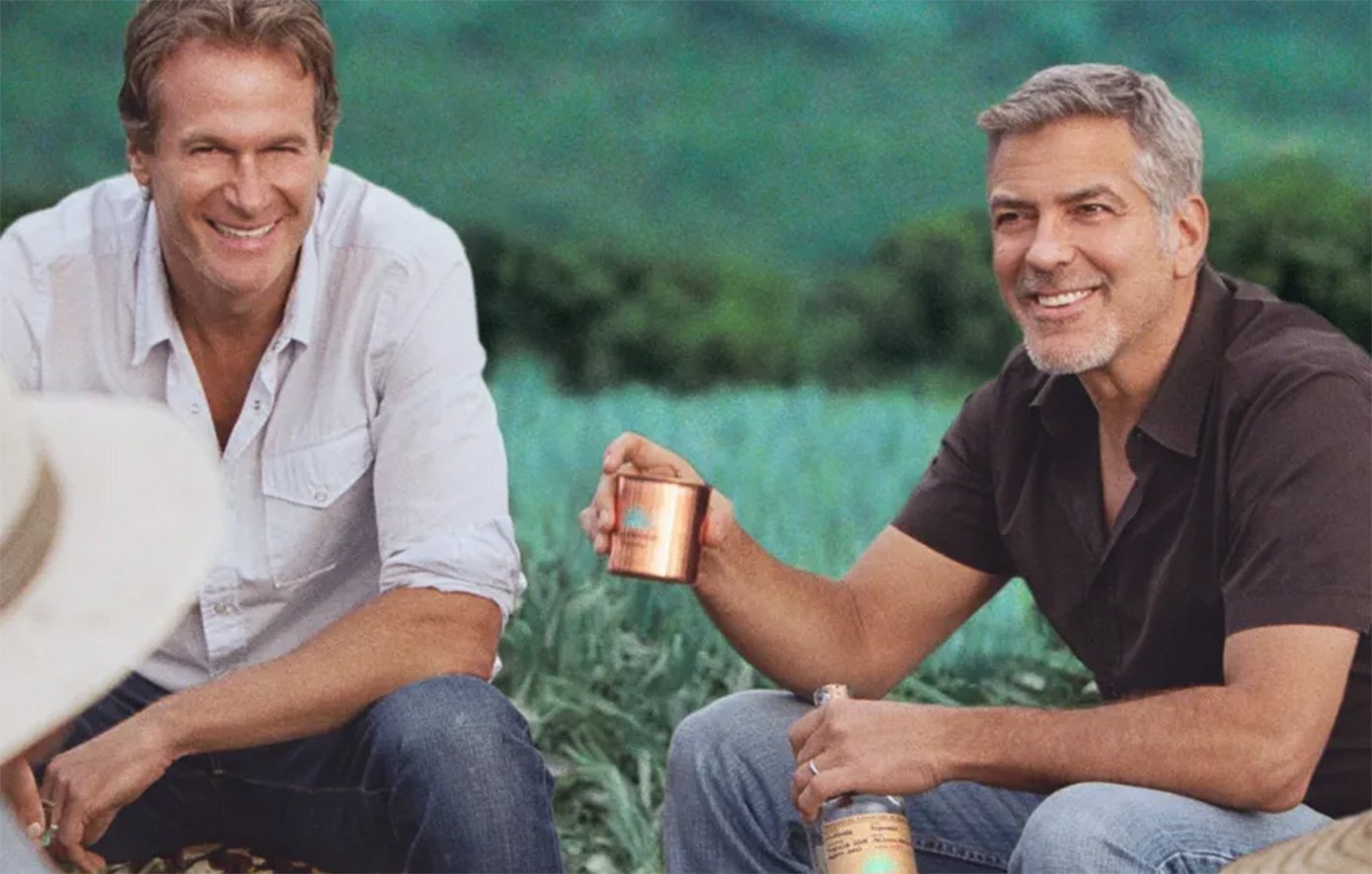
The story begins in Cabo Like Lucas of Mexico, where George Clooney and Randy Gerber, businessman with perennial presence in focus and night entertainment, had built neighbouring houses. In the company was the Mike Meldman., founder of Discovery Land Company, a company to develop luxurious residential houses and resortes, who was to become the third co-founder of Casamigos.
The company loved tequila, but had difficulty finding one that fits exactly its tastes: soft, easy to drink and balanced enough to drink straight, without lemon, salt or intense burning sensation that often accompanied other tequilas.
To reach the taste they had in mind, they worked with a distillery in Halisco, the area considered the birthplace of tequila and began a long test procedure. As they have described themselves, in about two years they tried more than 700 samples until they ended up in the recipe that satisfied them.
For a long time, this tequila was not intended for sale. They drank it themselves, their families and friends, and even the name referred to this idea: Casamigos, that is «home of friends». The company had a special place in Clooney's life. As he has revealed himself at GQ, 2013 gave $1 million to his 14 close friends, wanting to thank them for the support they had offered him over the previous years.
Four years to deal
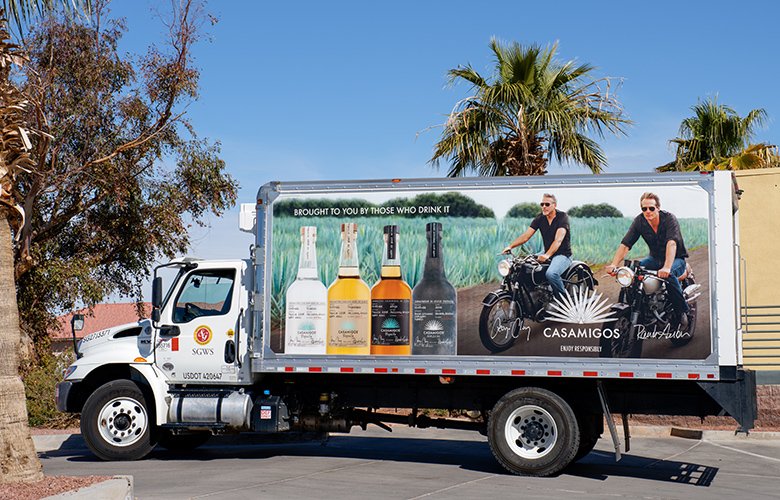
Casamigos' course changed when orders for personal use became so large that they now required formal authorisation. So in 2013, tequila that until then was intended only for the company first passed on the shelves and bars.
Evolution was impressively fast. From the official release of Casamigos in 2013 to its acquisition agreement from Diageo They only intervened four years.
In 2017, Diageo announced the takeover of Casamigos, which it then described as the fastest growing super-premium brand tequila in the United States. The deal valued Casamigos in up to $1 billionDiageo paid 700 million dollars originally, while the rest $300 million were linked to achieving specific objectives within a period of ten years.
For Diageo, Casamigos was attractive for more than George Clooney's popularity. It had quickly grown into a category that was constantly gaining ground in the US and had already built a strong position in the premium market for tequila.
The presence of the famous actor naturally gave tequila great visibility from the first moment. But what made the difference was that interest around the brand was quickly translated into real demand and commercial development.
Back to drinks, but this time without alcohol
Almost a decade after the deal with Diageo, the three co-founders returned together to the drinking room, this time with a alcohol-free product.
In March 2026, George Clooney, Randy Gerber and Mike Meldman launched the Crazy Mountain, a lager beer without alcohol, initially in two versions.
The new brand took its first steps in selected US markets, attempting to exploit the turning consumers to options with less or no alcohol.
The timing seems to favor them. In USA, consumption of alcoholic beverages declined by 5% in volume in 2025, while traditional beer fell by 6%. At the same time, beer without alcohol moved instead, recording a 15% rise.
A similar trend is recorded in Europe. In the EU, total beer consumption declined by 3.2% in 2025, while beer without alcohol increased by 5.9%. Now, about 1 out of 12 beers consumed in the EU are alcohol-free, with the category being strengthened by more than 38% since 2020.
This trend seems to still have a significant growth margin. According to branch surveys, buying alcohol-free drinks in the US is expected to be close to $5 billion by 2028, with beer without alcohol remaining the main lever of the class.
In this market attempts to place Crazy Mountain early on. And this time, unlike Casamigos, the venture begins with clear business targeting and significant capital behind it. A few weeks after his launch, he secured funding $15 million, led by CAVU Consumer Partners and the participation of Coatue and Discovery Land Company.
Can Casamigos' recipe work again?
Casamigos evolved into a business almost by coincidence, while Crazy Mountain was created in the first place with a commercial goal. This time, the three founders enter a new market already knowing what it means to build a drink brand from scratch and having behind them the experience of an agreement that reached $1 billion.
The circumstances, of course, are different. Casamigos appeared at a time when premium tequila was constantly gaining ground in the US and large groups of drinks were looking for brands with strong identity and potential for international development. Crazy Mountain begins at a time when more and more consumers limit alcohol, without necessarily wanting to give up the taste or social experience that accompanies a drink.
That's exactly what the new bet is for Clooney, Randy Gerber, and Mike Meldman. In their first business success they found themselves almost random in front of a market that grew rapidly. Today they attempt to do the same much more consciously, identifying in time a change in consumer habits and investing in it before the category matures fully.

