
Imagine yourself with three and four decades at work, counting backwards to retire. When the longing time of retirement finally arrives, after a few months you look for job ads. This is a situation that more and more people in the Western world are experiencing. From the US and Britain, to Germany and Greece, the phenomenon of persons employed by pensioners It is no longer an exception, but an established trend.
It is so widespread that it has acquired its own name: it is called unretirement – a term that could be attributed to Greek as «retirement».

Back to work... because of necessity.
In the US, about 6.7% of pensioners have returned to the workforce, according to surveys by the AARP (American Pensioners' Union) and Boston College. Of these nearly half report as the main cause of returning to work the increasing cost of living.
This percentage relates only to those who are not in receipt of the aid. «from-retired». The percentage of Americans in retirement age (from 65 years of age and above) who remain at work is close to 20%, nearly 12 million people.
The median income of persons over 65 with a full pension in the US is about $26,770 a year. Over half the pensioners have an annual income of under $20,500, from social security.
This amounts to EUR 17,600. In proportion to the cost of living in the US, the state pension is marginally above the poverty threshold. For example, only medical expenses paid out of their pocket by persons 65+ years old are about $7,800 a year, almost 30% of the average pension. An average mortgage mortgage loan ranges from $2,000 to $3,000 a month, almost as much as the total of an average pension or more.
Under these circumstances, work up to deep age is a one - way street for Americans who have housing or medical debts on their backs, even if they have a private insurance program.
Even more massive is its trend «retirement» in Britain. A recent survey by Standard Life insurance company showed that 1 out of 6 pensioners have already returned to the labour market or is seriously considering doing so. 3 out of 10 report a lower standard of living than when they worked.
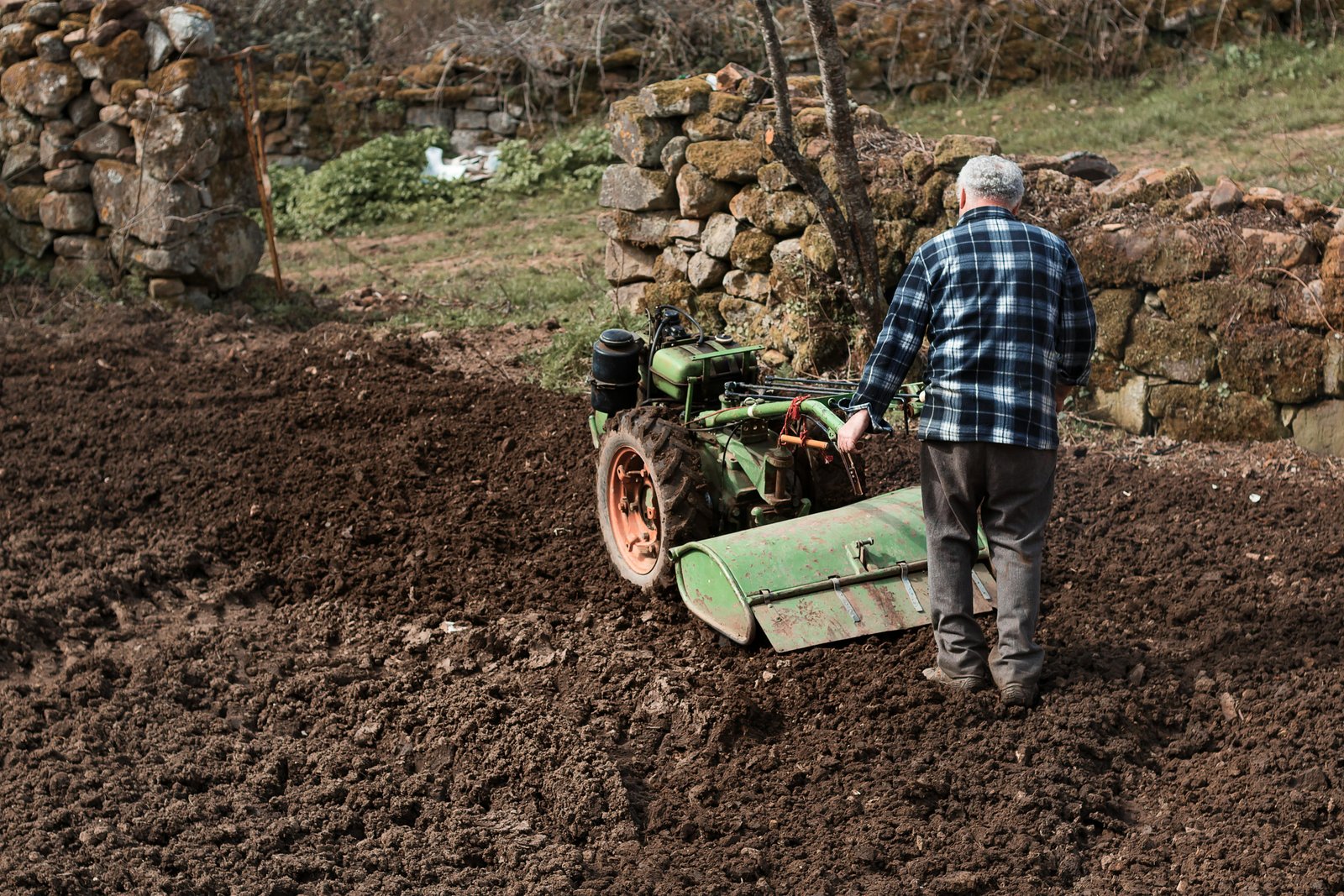
One in three retired workers in Greece is a farmer
What is applicable in Greece
In Greece retired workers are growing with geometric progress. According to e-EFKA figures for March 2026, pensioner employment statements are close to 300,000. It is ten times more than before the institutional framework was changed in 2024, when the horizontal cut of 30% in the pension of those working.
Work as old age has a high price, especially for manual workers.
The common root of the phenomenon in all countries is the gap between the cost of living and pension income.
In Greece six out of ten pensions are below 1000 euros. The average main pension reaches only EUR 865 and the average supplementary pension amounts to EUR 196.
The national basis pension is currently €446,87 for those with 20 years of insurance.
Work to old age
For farmers whose pensions are almost «symbolic», the field work doesn't stop even when the arthritics start. Nearly one in three retired workers is employed as a farmer and is exempt from paying contributions and employment resources.
Another growing category of retired workers are freelancers and self-employed. As most choose, by necessity, the lowest insurance category, they are sentenced to hunger pensions. Returning to work – whether as employees or self-employed – is a way to supplement their income.
To them we must add the tens of thousands of self-employed people who are close to pension or pensionable age and cannot retire due to debts to the EPCA. New 72-dose arrangements promise «unlock» pensions for around 50,000 debtors. However, strict repayment terms and high interest rates may also make this arrangement incomplete for many.
But work as old age has a high price, especially for those who do manual work and work in the countryside. A look at the age of victims in accidents and accidents in recent years is enough to convince us. According to the OSETE survey, deaths at workplaces, one in three deaths of 2025 were over 60 years old, many of them in ages that should have long been retired.
New solutions and lessons from abroad
In Germany while baby boomers are forced back to work because the pension is not enough, the state launches «early pension account», for children from 6-18 years old, who will not be able to use him before 67.
The aim is to train children and young people to save for «silver years» In the case of persons who are not entitled to benefits under the legislation of the Member State in which they reside, they are entitled to benefit from the legislation of the Member State in which they reside.
At the same time, as an incentive for pensioners to stay at work, Germany introduced the regulation «Aktivrente» (active pension). It allows those who have reached the retirement age limit to continue working, earning tax-free income up to 2,000 euros a month.
This is an unprecedented measure at European level. However, it is critical, as it favours mostly highly qualified workers, excluding manual, self-employed and farmers.
On the corporate level, a new trend that gains ground in the Anglo-Saxon world is so-called «return programmes» — short-term paid re-entry programmes for experienced workers returning to the market.
Companies such as JPMorgan Chase, Goldman Sachs and Deloitte already apply them, with a very high percentage, to 85%, turning into permanent jobs. This institution in Greece could take advantage of the enormous experience of thousands of people today who are looking for a way to get back into the market. But at the same time it could perpetuate «Battle of generations» in a country where its young people are already one of Europe's most underpaid.

