
How a seemingly humble land use turned into industry, changed the urban map of the planet and the value of entire areas.
If someone traveled to New York, London, or Paris in the early 20th century, he would hardly have imagined that one of the most valuable assets of the cities of the future would be a piece of paved land full of real - life cars. For many centuries, the value of a plot was determined by its location and by what could be built upon it: A factory, an apartment building, a warehouse or a storehouse.
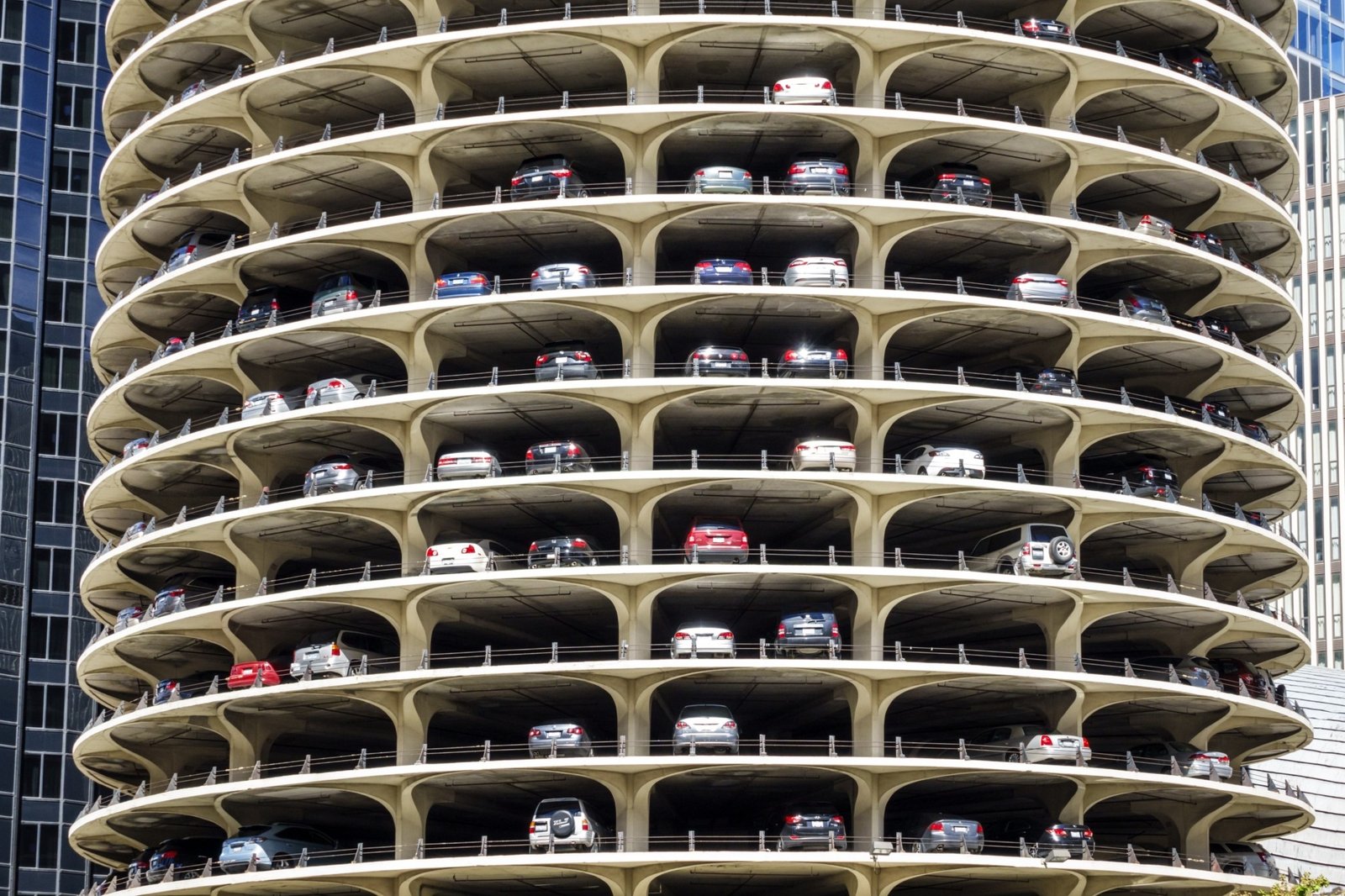
The iconic Marina City Garage in the River North area of Chicago. In the US it is estimated that there are more than 2 billion parking spaces.
Management of modern cities
But with the massive explosion of motor traffic over the last 50 years a completely different logic has appeared. Suddenly, the value of a space could arise not from buildings, but from the cars it could accommodate, for a little or more time. The birth of the parking industry was one of the least discussed, but most decisive urban revolutions of the 20th century. Along with the highways he created modern suburbs, strengthened the spread of cities outwardly and converted land considered almost useless into gold mines.
In the early 1920s most American cities did not have organized parking. The few cars were parked on the edge of the roads. But as their number began to be launched, especially after World War II, the municipal authorities and individuals began searching for parking spaces exclusively. By the 1950s, outdoor parking had become an integral part of the urban landscape.
Today, the picture is almost inconceivable compared to that time. In the US it is estimated that there are more than 2 billion parking spaces, a figure corresponding to about six seats for each car being released. In many American metropolises, the total area occupied by parking spaces exceeds the area occupied by the dwellings.
New York City, despite its reputation as a city of public transportation, has millions of parking spaces on roads, garages, and private spaces. In the metropolitan complex it is estimated that parking areas cover approximately 35 million square meters. In London and Paris the image is more limited due to historical construction, but even there the area devoted to parking corresponds to a significant percentage of the urban area.
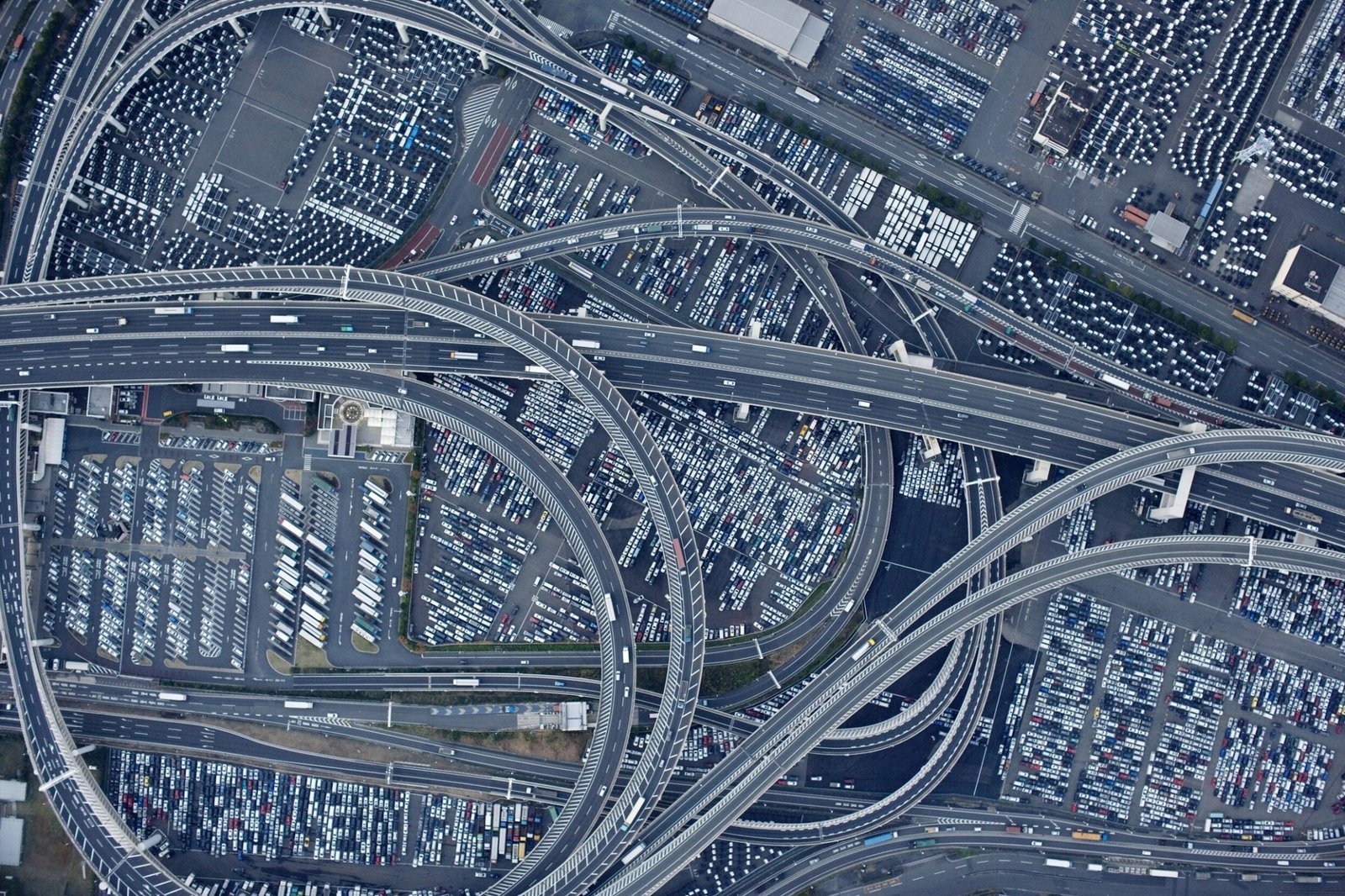
The Daikoku Parking Area in Yokohama, Japan.
The paradox is that the greatest economic transformation did not occur in the city centres, but on their fringes. Areas near airports, ports and railway stations were considered for decades secondary investment options. Often it was land with noise, traffic burden, and limited residential development potential. But the rise in air travel changed everything. A plot next to or near a large airport could now generate stable income without particular construction. A fence, lighting and a pay station were sufficient to create an extremely profitable business. It is no coincidence that around airports such as Heathrow, Charles de Gaulle, Schiphol or JFK developed entire ecosystems of colossal private parking.
One of the most important sources of airport revenue
Studies show that airports worldwide collect around $12-13 billion annually only from parking, while in several cases these revenues account for over 20% of their non-air revenues. At some major North American airports parking is the most important single source of income. Minneapolis Airport, for example, has recorded revenue over $100 million a year from parking, while Australia's four largest airports showed operating earnings of over $400 million from this activity within a single year.
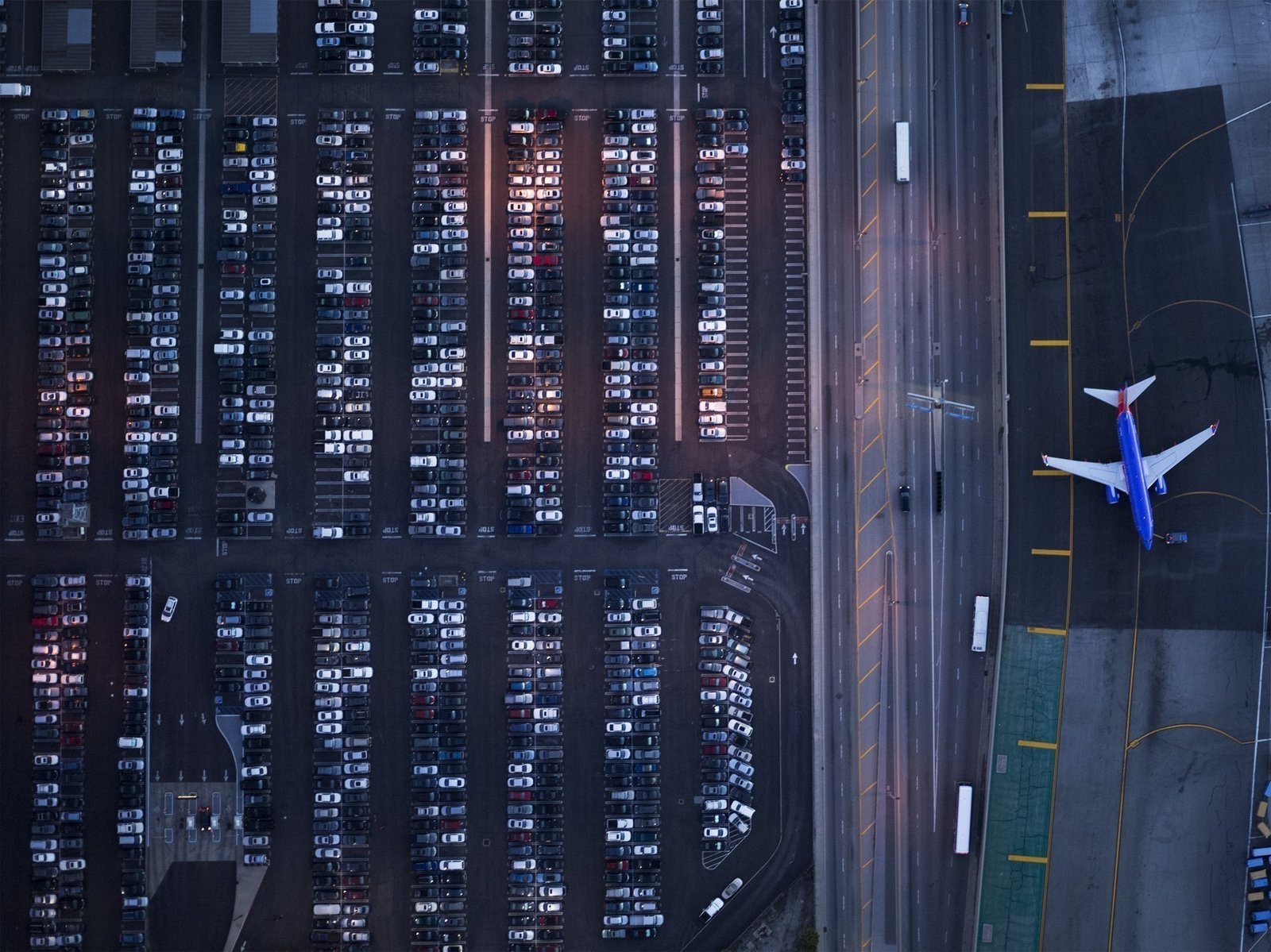
Airports collect $12-13 billion annually only from parking, while in several cases these revenues account for over 20% of their non-air revenues.
Economic logic is simple. A multi-story garage or even an outdoor parking lot can serve thousands of vehicles at limited operating costs. According to European studies, revenues per parking space at large airports can reach several thousand euros per year. The biggest change, of course, was not economic, but urban planning. Parking availability allowed people to live further and further away from city centres. The suburbs were not only developed thanks to highways. They developed because the drivers knew they would find somewhere to leave their car when they arrived at their destination.
Postwar shopping centers were built around huge parking spaces. Railway stations created facilities «park and ride». The ports dedicated large areas to cruise passengers leaving their car for days or weeks. Whole local economies began to revolve around temporary vehicle storage. In fact, the parking industry evolved into a global billion-dollar market. Modern estimates place the value of the parking management market and related services in tens of billions of dollars annually, with the continuous increase in the number of vehicles keeping demand high.
The most striking evidence is that the parking lot achieved something that a few other land uses achieved. Changed its economic value «Nothing.»: You no longer need to build anything, anything, on a plot to make you profit. As long as it is near a train station or an airport and can accommodate cars, it can be converted into an asset with direct performance.
Photos: Getty Images/Ideal Image

