
From a small object aged 4,000 years to a global billion dollar market.
A button can cost a few minutes and weigh just a few grams. It can pass almost unnoticed on a 30-euro shirt or a 3,000-euro jacket. But behind this tiny component is a global industry valued at about $4.2 billion a year for clothing buttons only. This market is projected to increase at a rate of about 4.8% a year by 2030.
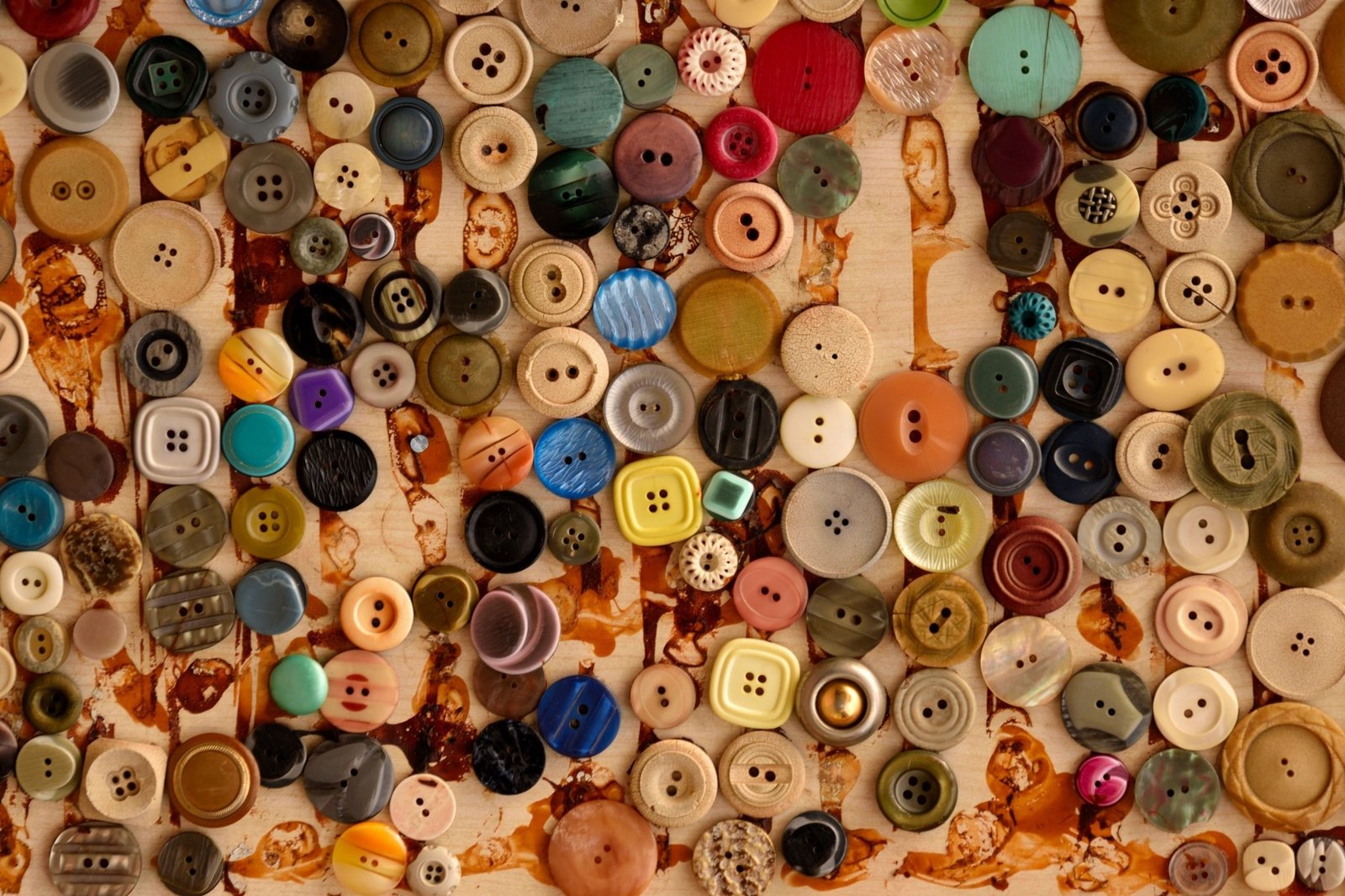
Behind this tiny component is a global industry valued at about $4.2 billion a year for clothing buttons only. Photo: Pexels
The story of buttons begins apparently long before Zara, Nike or Uniqlo. The oldest known buttons date back some 4,000 years and have been found in the Indian Valley culture. There they were originally used more as decorative objects than as practical clothing accessories, to fasten the clothes on the human body. This transition, from decorative to functional mechanism, took place during the 13th century AD. In Europe during the Renaissance the elaborate buttons made of precious metals and decorated materials became symbols of wealth and social status in the European courts. The earliest examples were made mainly of shells, bones and wood, while buttons of ivory, horn, and amber later appeared. In the Middle Ages Europe, and especially since the 16th century, buttons became symbols of social status, with craftsmen using silver, gold, bronze and gemstones. In the 18th and 19th centuries materials such as glass, porcelain and pearls were spread
The industrial revolution
And then came mass production and synthetic materials. Today, plastic dominates due to low cost and ease of molding, while metals, wood, shells and recycled or biological materials are also used. Nowadays, of course, the button is no longer a luxury but an industrial product of mass production, with plastic buttons representing about 45% of the world market and metal about 30%. The production of buttons has moved decisively towards Asia. China, Vietnam, Bangladesh and India are the largest hub of clothing accessories thanks to the huge concentration of clothing factories in these countries. That is where the economic essence of history lies: the button is not sold directly to the consumer, but to the industry that produces hundreds of millions of garments. Manufacturers supply large quantities of factories and brands and earn from scale, technology and long-term contracts.
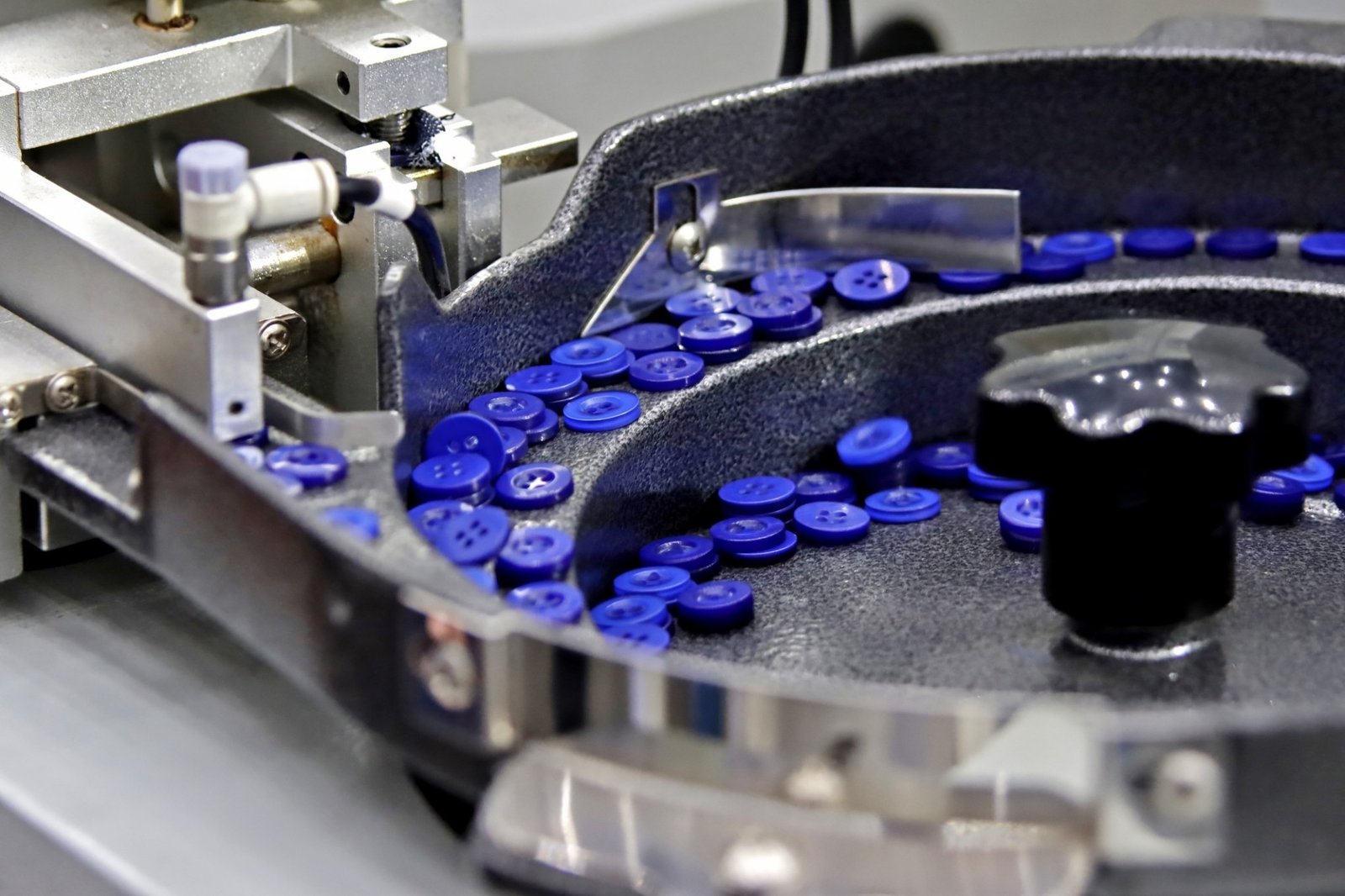
The button is no longer the subject of luxury but an industrial product of mass production, with plastic buttons representing about 45% of the world market. Photo: Getty Images/Ideal Image
The Button International Taiwan is a typical example of this «invisible» Economics. It was founded in 1994 by four veterans in the industry and by the initial specialization in snap buttons has been extended to trukes, links, zipper accessories and other accessories, using plastic, brass, zinc alloys and ecological materials. Its business model is typical of a market where the final consumer rarely knows the supplier, but value lies in design, research and development and production speed. And, of course, the ability to deliver millions of components with exactly the same specifications.
If there's a company that shows how big this job can be, this is Chinese. Zhejiang Weixing Industrial Development. Εισηγμένη εδώ και χρόνια στο χρηματιστήριο του Σενζέν, η εταιρεία το 2025 κατέγραψε έσοδα περίπου 4,80 δισ. γουάν, δηλαδή περίπου 660 εκ. δολάρια, και καθαρά κέρδη περίπου 96 εκ. δολάρια. 645 εκατ. γουάν. Από το σύνολο των εσόδων της της Weixing περίπου το 45% προήλθαν αποκλειστικά από κουμπιά. Η Weixing απασχολεί περίπου 10.000 εργαζομένους και το 2025 αύξησε τα συνολικά έσοδά της κατά 2,69%. Οι διεθνείς πωλήσεις της αυξήθηκαν κατά 8,95% και έφτασαν περίπου τα 256 εκ. δολάρια, γεγονός που αποκαλύπτει πόσο σημαντική έχει γίνει η παγκόσμια αλυσίδα εφοδιασμού για έναν κατασκευαστή κουμπιών.
Τι συμβαίνει στην Ευρώπη
Κυρίαρχη θέση έχει η Prym Fashion, μέρος του γερμανικού Prym Group. Ξεκίνησε ως μια οικογενειακή επιχείρηση με περίπου 500 χρόνια ιστορίας, αλλά σήμερα διαθέτει 630 εργαζομένους, 16 εγκαταστάσεις και ετήσιες πωλήσεις περίπου 111 εκατ. ευρώ στον χώρο των αξεσουάρ ένδυσης. Η εταιρεία είναι ειδική σε προϊόντα που μπορεί να κοστίζουν ελάχιστα ανά τεμάχιο αλλά αποκτούν σημαντική οικονομική αξία όταν παράγονται και διακινούνται σε εκατοντάδες εκατομμύρια τεμάχια. Οι εταιρείες αυτού του εξειδικευμένου κλάδου επενδύουν πλέον περισσότερο στην τεχνολογία, την αυτοματοποίηση και τα υλικά παρά στην απλή παραγωγή ενός μεταλλικού ή πλαστικού εξαρτήματος, καθώς το περιθώριο κέρδους δημιουργείται από την παραγωγικότητα και την ικανότητα να τηρούνται αυστηρές προδιαγραφές σε τεράστιες ποσότητες.
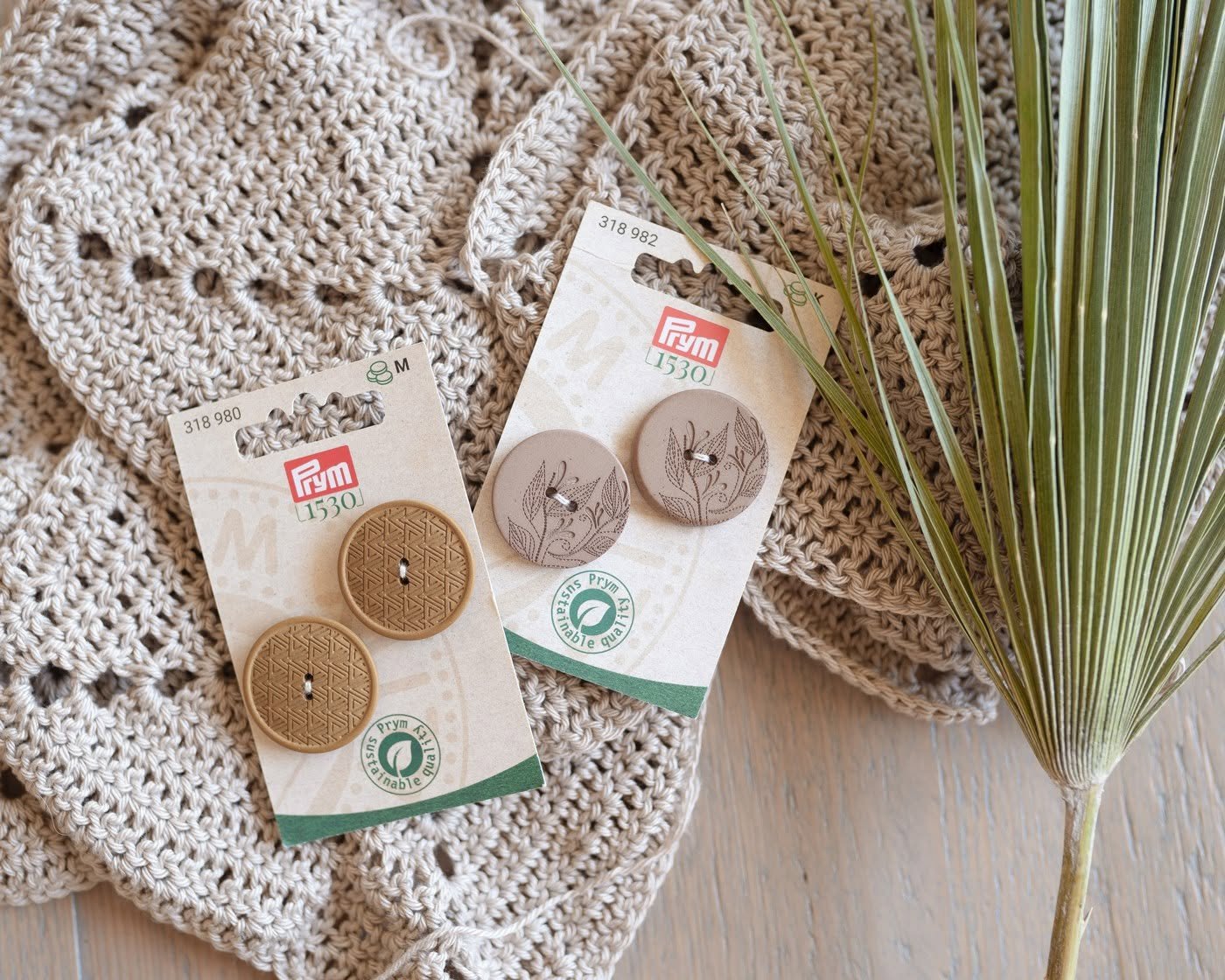
H Prym Fashion με 500 χρόνια ιστορίας σήμερα διαθέτει 630 εργαζομένους, 16 εγκαταστάσεις και ετήσιες πωλήσεις 111 εκατ. ευρώ στον χώρο των αξεσουάρ ένδυσης. Photo: Prym-fashion/Facebook
Η ίδια η Button International, για παράδειγμα, έχει επενδύσει σε συστήματα LEAN παραγωγής, μια μεθοδολογία οργάνωσης της παραγωγής που έχει ως βασικό στόχο να μειώνει κάθε μορφή σπατάλης, χωρίς να μειώνει την αξία του τελικού προϊόντος, αλλά και σε ανάπτυξη προϊόντων OEM (Original Equipment Manufacturer), σύμφωνα με τις προδιαγραφές και το σχέδιο που της δίνει ο πελάτης, αλλά και ODM (Original Design Manufacturer) με προϊόντα και σχέδια δικά της. Η στροφή προς τα οικολογικά υλικά είναι πλέον ακόμη ένας παράγοντας που μεταμορφώνει την αγορά. Οι κατασκευαστές αναζητούν ανακυκλωμένα πλαστικά, μέταλλα και βιοδιασπώμενες πρώτες ύλες ώστε ένα εξάρτημα λίγων γραμμαρίων να μπορεί να ανταποκριθεί στις νέες απαιτήσεις των brands για χαμηλότερο περιβαλλοντικό αποτύπωμα.
Αυτή είναι η ιδιαιτερότητα του συγκεκριμένου κλάδου. Ένα κουμπί μπορεί να είναι το φθηνότερο και πιο ασήμαντο κομμάτι ενός ρούχου, αλλά η βιομηχανία που το κατασκευάζει μπορεί να έχει έσοδα δισεκατομμυρίων, χιλιάδες εργαζομένους και πελατολόγιο που εκτείνεται σε ολόκληρο τον κόσμο.
Εισαγωγική φωτογραφία: Getty Images/Ideal Image

