
Structural change in the way businesses operate, which began as an emergency in the early decade and has now been consolidated internationally, brings about radical changes in the world purchase of real estate.
Adoption of hybrid working models and increasing incorporation of artificial intelligence systems, which reduce the need for the physical presence of multiple administrative departments, have led to a drastic shrinking of the company's footprint in urban centres. Today, metropolises with historically strong economic centers, such as New York, London, Frankfurt and Tokyo, record the highest percentages of vacant office spaces in the last decades, which creates a new macroeconomic environment with clear systemic risks.
The engineering of asset impairment
In the field of commercial real estate, the assessment of real estate is primarily based on their returns, i.e. on the income from the rents they can produce, rather than on the comparative value of construction, as is the case on the residential market. As completeness rates are steadily declining, building owners are forced to offer significant discounts or periods of free rent in order to attract or maintain tenants. The reduction in cash flows automatically translates into a rapid decline in the commercial value of buildings themselves.
The rapid depreciation of commercial properties in metropolises highlights the new systemic problem of the global economy
According to reports by large rating agencies and real estate management companies, iconic office buildings in American and European cities record impairments exceeding 40% of the value they had over five years ago. The problem is exacerbated by the end of long-term lease contracts, as many companies choose not to renew them or request space reduced by half, adapted to the real needs of teleworking.
The report of regional banks
Depreciation of professional property is not just a problem for owners and manufacturers, but is turning into a crucial issue for the financial sector. Contrary to what is widely believed, the biggest burden of these loans is not in the portfolios of global banking colossae, but in the balance sheets of small and medium-sized regional banks. In the United States, for example, regional banks hold over 70% of outstanding commercial property loans.
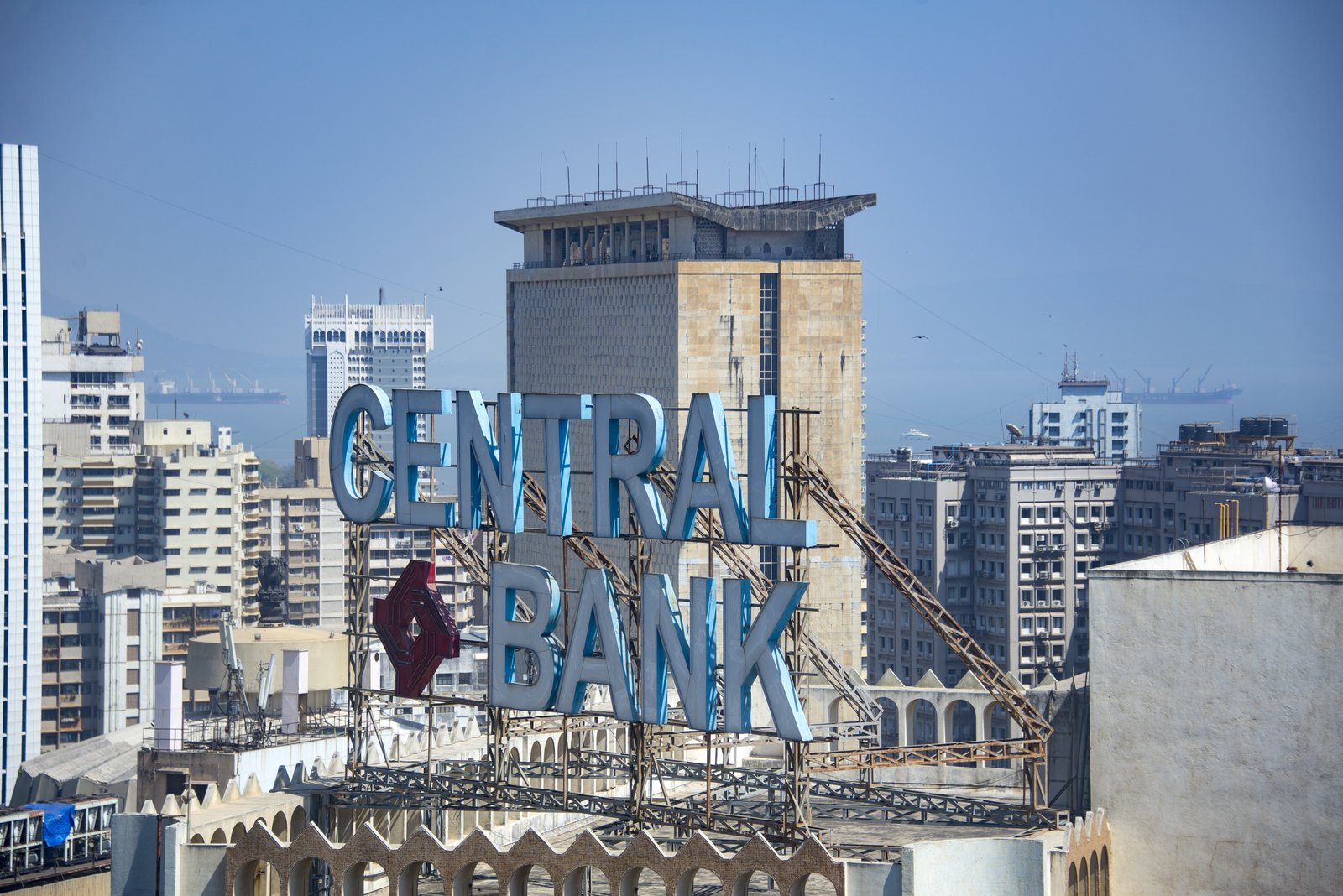
The impact of vacant commercial properties on the global banking system
The real risk is identified in the refinancing process. Most commercial real estate loans are not interest-bearing throughout their life· have a maturity wall where the initial capital must be repaid or refinanced. As current interest rates are significantly higher than the period of conclusion of these loans and the values of the buildings have declined below the amount of the capital due, many borrowers choose to deliver the «keys» in banks, unable or unwilling to cover the difference. The accumulation of non-performing loans (NPLs) in the portfolios of these banks may lead to a stricter credit policy (credit crunch), affecting the wider lending of businesses.
The impact on the urban economy
Change of use and low turnout in city centres cause chain reactions to what urban planning analysts call «urban spiral»The absence of thousands of workers on a daily basis deprives local small and medium-sized enterprises – such as catering, retail and service shops – of a critical part of their turnover. Many companies based solely on this public are forced to suspend their operation, creating wider areas of under-function in cities.
At the same time, municipalities and local governments are faced with a serious budgetary gap. Real estate taxes, which are usually directly linked to the commercial value of buildings, are a key source of revenue for local government. The depreciation of real estate leads to reduced tax revenues, which restricts the possibility of municipalities to finance basic public services, from cleanliness and security to maintenance of public transport networks, which also record reduced ticket receipts.
Challenges and adaptation strategies
While the obvious solution that is often proposed in the public debate is to convert vacant offices into residential properties, in order to mitigate the housing crisis as well, reality proves technically and economically complicated. The architectural design of modern office buildings, with huge floor surfaces, the absence of adequate natural lighting in the center of the building and the concentrated hydraulic and electrical facilities, makes the conversions extremely expensive. In many cases, conversion costs approach the cost of building a new building on a foundation.
The commercial real estate market now faces a long-term structural adjustment. Owners with high-quality buildings with modern energy standards manage to maintain their tenants, however the market for older constructions experiences an irreversible shrinkage. The next five years' bet remains the smooth absorption of these losses from the financial system, without causing uncontrolled shocks in the real economy, but also the realistic re-evaluation of the use of historical commercial centres worldwide.

