
A break within the Trump government in the receipt of the resignation Nvidia's CEO, Jensen Huang, and the scandal that shocks the American technological industry.
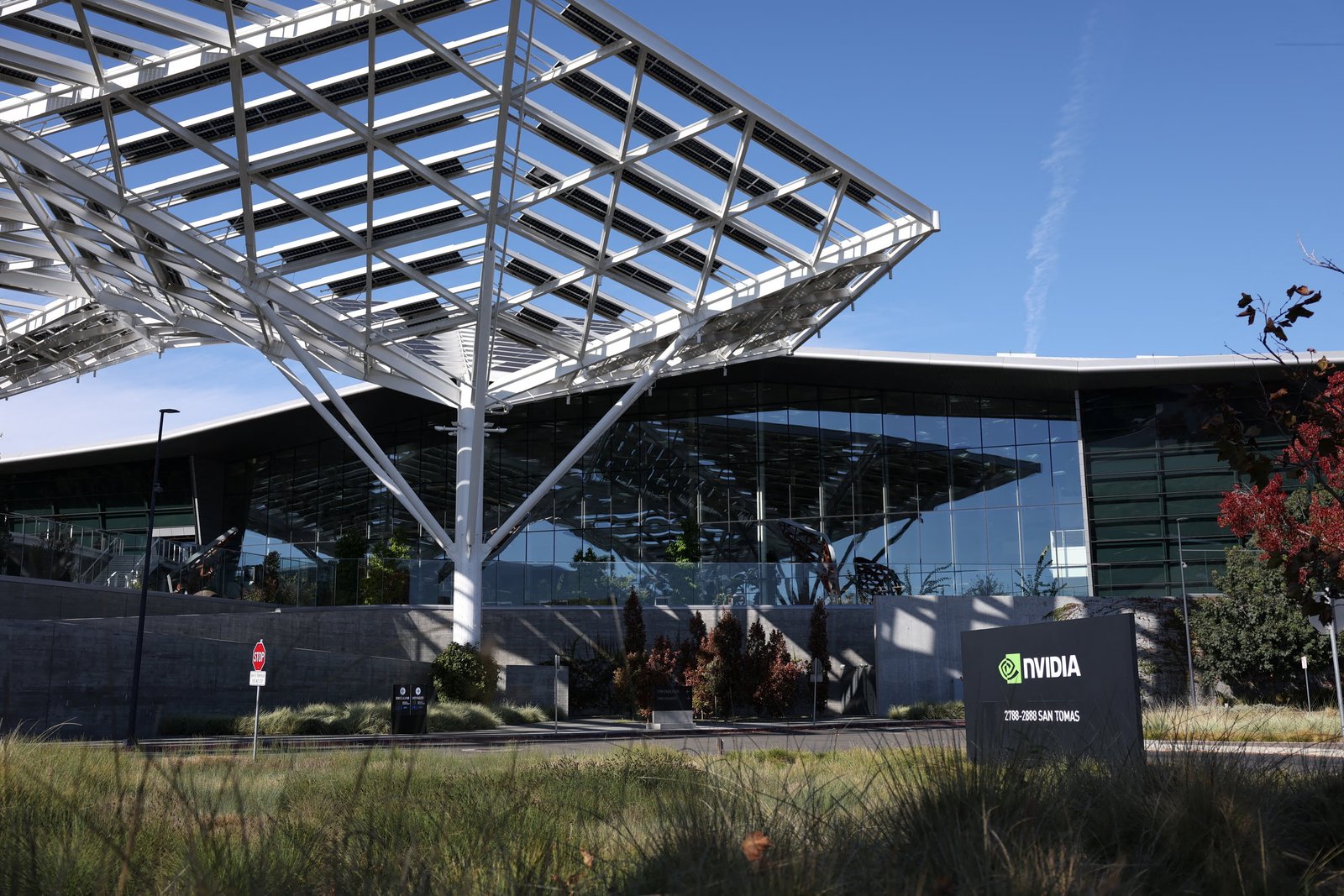
According to CNBC network reports, top US cabinet officials are now engaged in an open blame game on who is responsible for the leaks of advanced artificial intelligence semiconductors to China.
Nvidia and Megaspeed
At the heart of the confrontation are Finance Minister, Scott Bessend, and Trade Minister, Howard Latnik. Speaking (13/11) on the show «Squawk Box» of CNBC Bessend left clear points against the Ministry of Trade, which is also the materially responsible for imposing export controls.
As the head of the U.S. Treasury argued, both his ministry and the ministries of defence, foreign affairs, were taking part. «For months» in favour of the inclusion of Megaspeed in the blacklist of American sanctions. «The Ministry of Commerce is responsible and you should ask them about their internal procedures.», stated features, relinquishing all responsibility for delays.
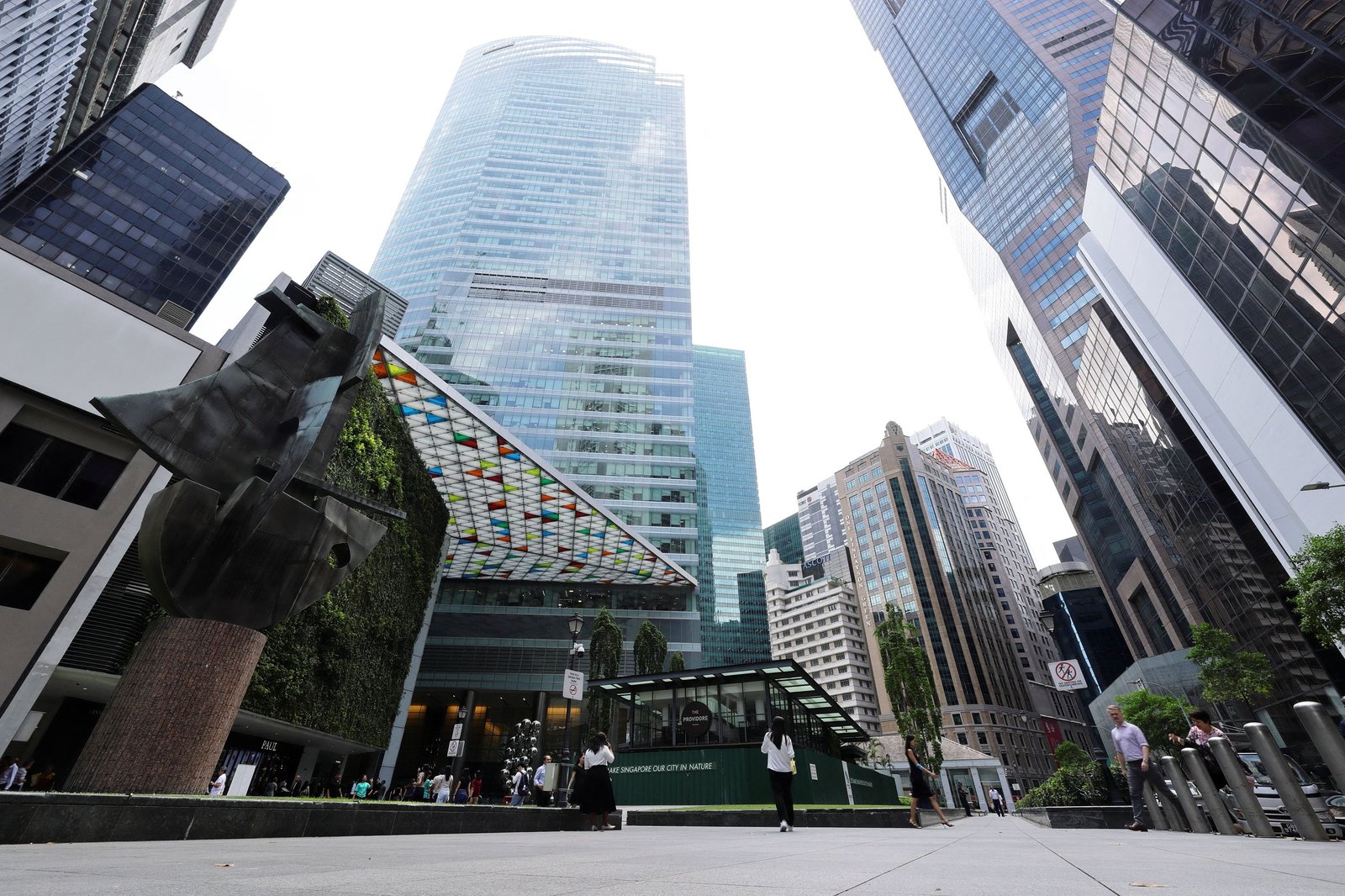
Megaspeed, based in Singapore, is the link between Washington's geopolitical concerns and the fall of Jensen Huang. Nvidia's previously powerful man, who was considered one of President Donald Trump's closest corporate allies, submitted his resignation Thursday. Evolution came after his own admission that he maintained an extramarital relationship with Alice Huang, an executive of Megaspeed, which American intelligence services allegedly have identified as a Chinese spy.
Export control
Scott Bessend's statements followed a report from the Axios website, according to which the Finance Minister came into direct confrontation with Howard Latnik last week, within the White House Crisis Management Room. In the same report, Bessend directly asked his counterpart why he resists the application of stricter export controls, especially in the case of Megaspeed, with Axios stating that Latnik «has repeatedly stood in the way» in «braking» companies considered suspected of channeling Nvidia's microchip to China.
For his part, the Trade Ministry rushed to deny the incident. Ministry spokesman, Kristen Eihamer, told CNBC that «There was no such conversation» between the two ministers at the Crisis Management Room, while the ministry did not respond to a newer commentation request after the Bessend statements. The Finance Minister himself avoided confirming or disproving the dialogue.
«I am disappointed when President Trump made it absolutely clear that China should not receive any Nvidia chips (H100)», said Bessend, explaining how this «harms big American companies in the race of artificial intelligence and gives Chinese advantage». It is recalled that Jensen Huang had put intense pressure on the US government to relax export restrictions, leading President Trump to declare last December that Nvidia could sell strong H200 processors to authorised Chinese customers, provided the US would receive a percentage on sales.
Asked if he believes Nvidia's top processors ended up in China through Megaspeed, Bessend did not hide his concern.
In the microscope of Congress
The political and institutional storm is expected to peak next month in Congress, where a series of hearings is planned.
According to Republican Senator Tim Scott, both Jensen Huang and Trade Minister Howard Latnik have been invited to testify before the Senate Banking Committee, with Latnik's representative confirming that the minister agreed to appear voluntarily.
In addition, the House of Representatives takes parallel action: Huang was invited to closed doors briefing on 1 December. Finally, on 3 December, the Secretary of State for Trade for Industry and Security, Jeff Kessler, is asked to explain to the House Committee on Foreign Affairs on microchip, their military use by U.S. opponents and complaints about private companies' interference in the formulation of export policy.

