
Kevin Wars may soon give Donald Trump exactly what the American President would never want: an increase in interest rates a few weeks before the crucial mid-term election of November.
For years, Trump pushed Wars' predecessor to the presidency of Fed, Jerome Powell, to reduce interest rates, even resorting to offensive characterizations. The Too late Jerome It may have been used even more frequently than Sleepy Joe (for Biden).
Jerome's gone, Wars has taken over. and the president of the United States continued his calls. Much nicer It's true.
However, Wars in his recent speech at Jackson HoleIn the presence of economists and central bankers, it has made it clear that «alarming» Inflation figures mean that «Fed's attention at the moment must be focused on prices».
And here's where the hard stuff starts. Any interest rate increase puts Wars at Trump's point of view.
«Wars has drawn a clear line with his goals and intentions, which will bring him into direct conflict with Trump's pressure for lower interest rates» The FT estimates Iswar Prasad, a Cornell professor.
He considers that the President of the Fed «made absolutely and emphaticly clear that one of Fed's two main objectives - price stability - will be in focus».
The dilemma
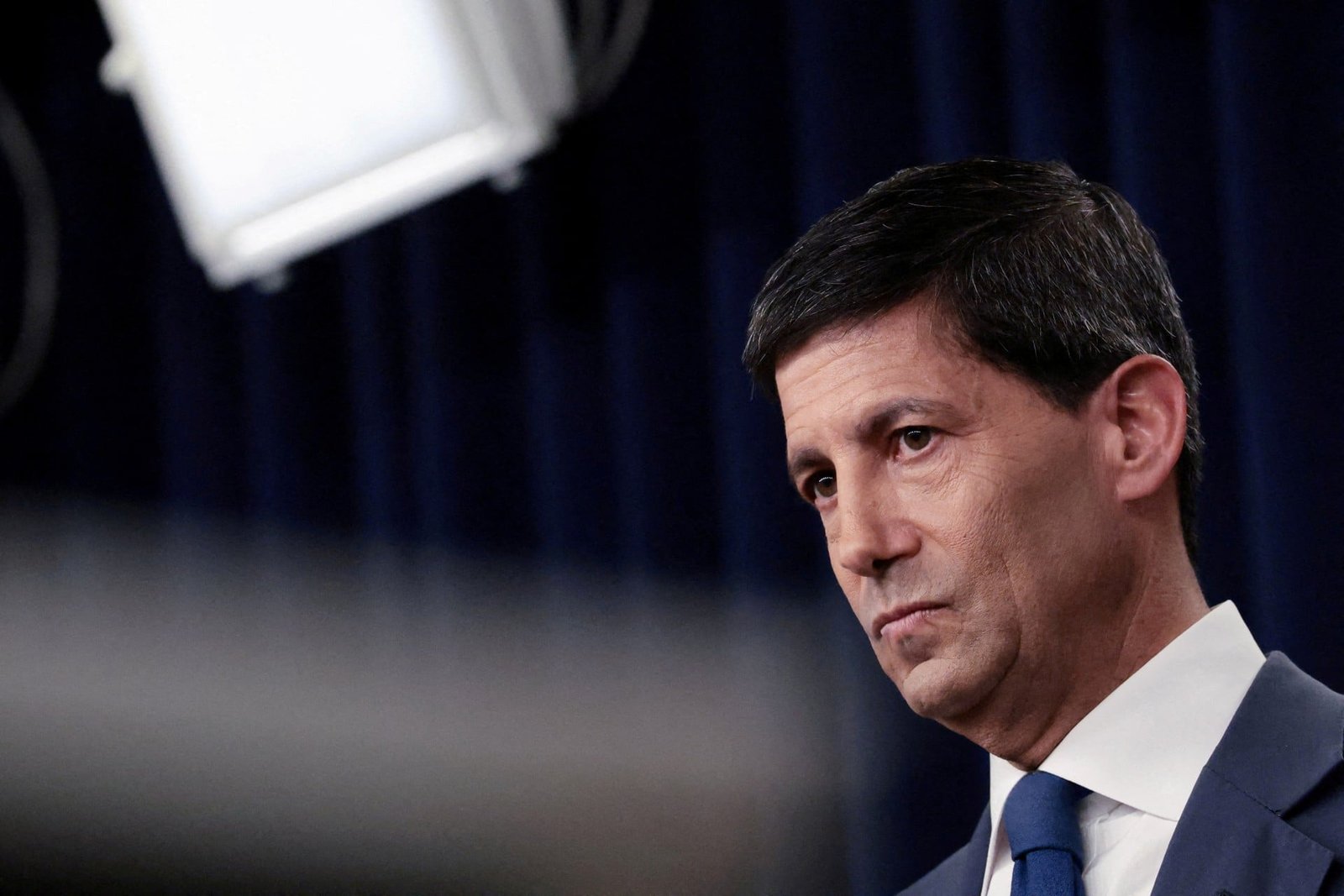
In view of his first big speech in Jackson Hall as president of the Fed, Wars faced a dilemma: Whether to assure Wall and Fed that he is facing the inflation problem seriously Or just appease Trump.
His speech in Jackson Hall showed he chose the first course. He gave priority to the demands of his markets and colleagues by prioritising inflation, which now exceeds the Fed's target of 2% for five - and in - years.
REUTERS
Once the markets evaluated his entire speech, increased their stakes for interest rate increases.
Investors now consider a one-quarter increase in the unit in September, as the president of the Fed warned that there is «Work done» If price increases in the world's largest economy do not fall short.
However, the prospect of growth as early as September may not be accepted equally positively by a president who has spent much of his second term requesting aggressive reductions.
History repeats itself?
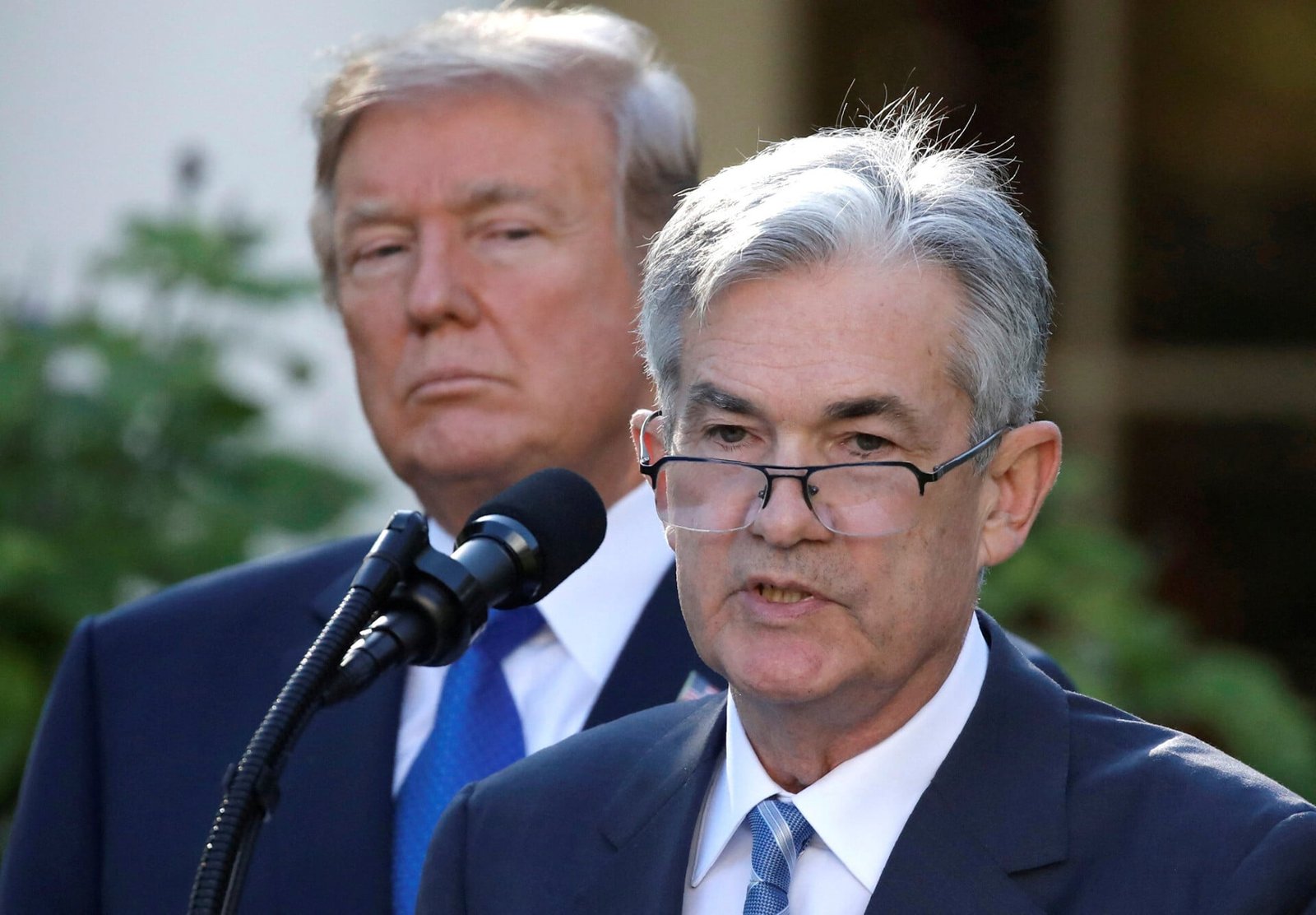
Powell lost Trump's favor shortly after his term began in 2018, due to the issue of interest rate reductions.
Their relationship reached nadir when the Justice Department launched a criminal investigation into the then president of the Fed, about handling the bank's headquarters renovation.
REUTERS/Carlos Barria/File Photo
And just last week, Trump stated that interest rates within the range of 3.5% – 3.75% are «ridiculous».
Wars rejected this argument on Friday, with the following elegant wording: «Overall, I would have difficulty describing the wider financial conditions as restrictive», i.e. as such to justify a reduction in interest rates.
REUTERS/Jonathan Ernst/File Photo
And it also made it clear that it is much more concerned about controlling inflation than about strengthening growth.
Wars invoked a semester inflation rate, who has been launched due to Trump's war with Iran, and expressed fears that, while expectations of future inflation remain stable, this could change quickly if price pressures are not reduced.
Already, in the Fed vote in July, three out of 12 «heads» FOMC argued for an increase in interest rates by a quarter of the unit.
Inconspicuousness and... rage
Wars supported maintaining interest rates at that meeting, but Robert Sokin, an economist of PGIM, said the speech at Jackson Hall placed the president of the Fed in their camp «grits» of monetary policy.
«Confirms our view that Wars is the oldest old man in the world.»Sokin said.
Finally, there was another notable conversion to Wars' statements Friday.
After leaving the position of the Fed in 2011, he often launched attacks on the US central bank, which had bothered many of those who were the other day at Jackson Hall.
There, in speech that is like a stone stone for each Fed commander he sought to bridge differences with the present central bankers and economists, saying average ends that «is in honor of Fed as an institution» and «According to its best traditions» commitment to price stability».
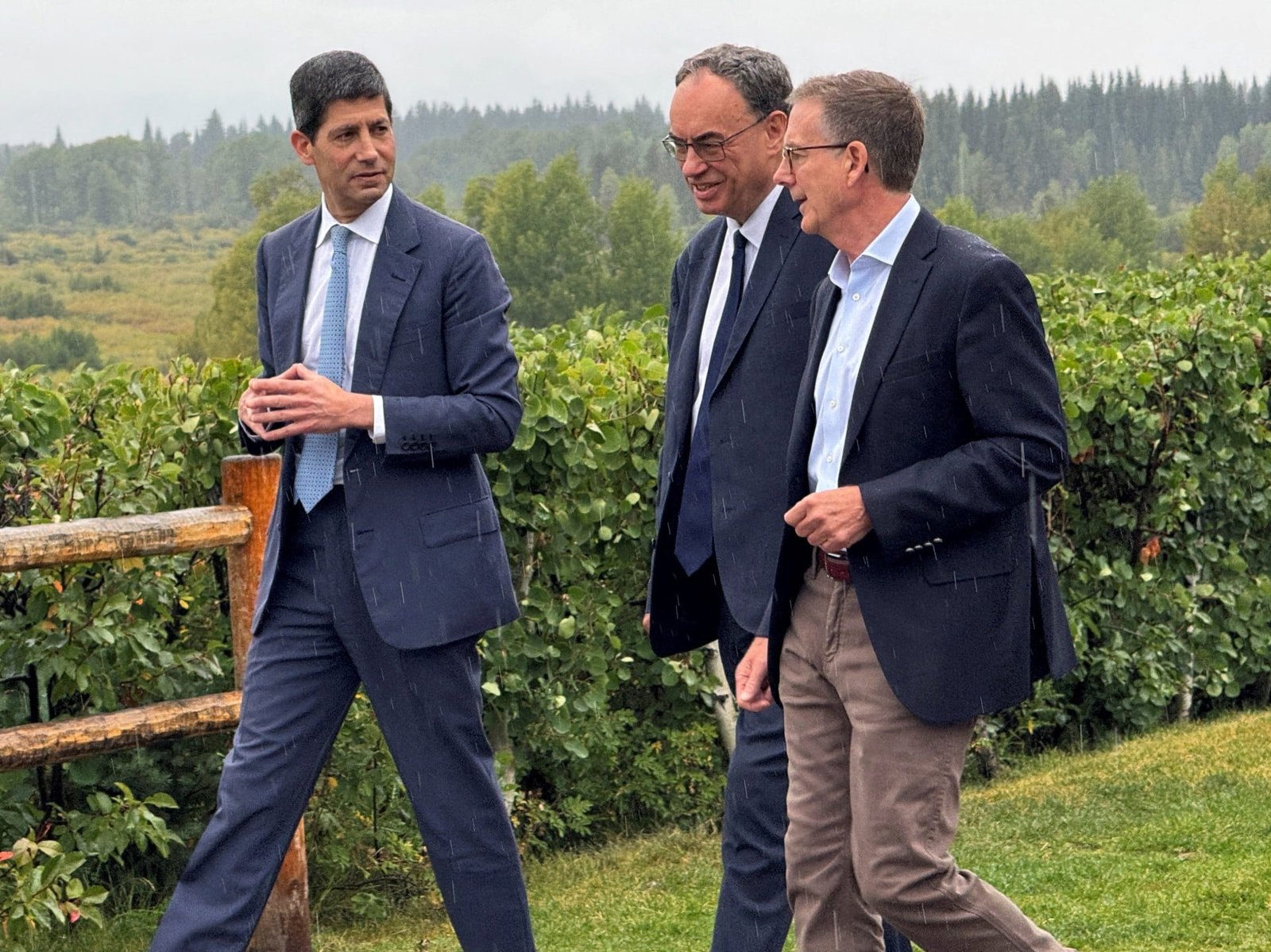
Kevin Warsh on a break with Bank of Canada governor, Tiff Macklem (right) and Bank of England governor Andrew Bailey (centred) during the annual financial banquet of the Kansas City Fed, Jackson Hall, Wyoming/REUTERS
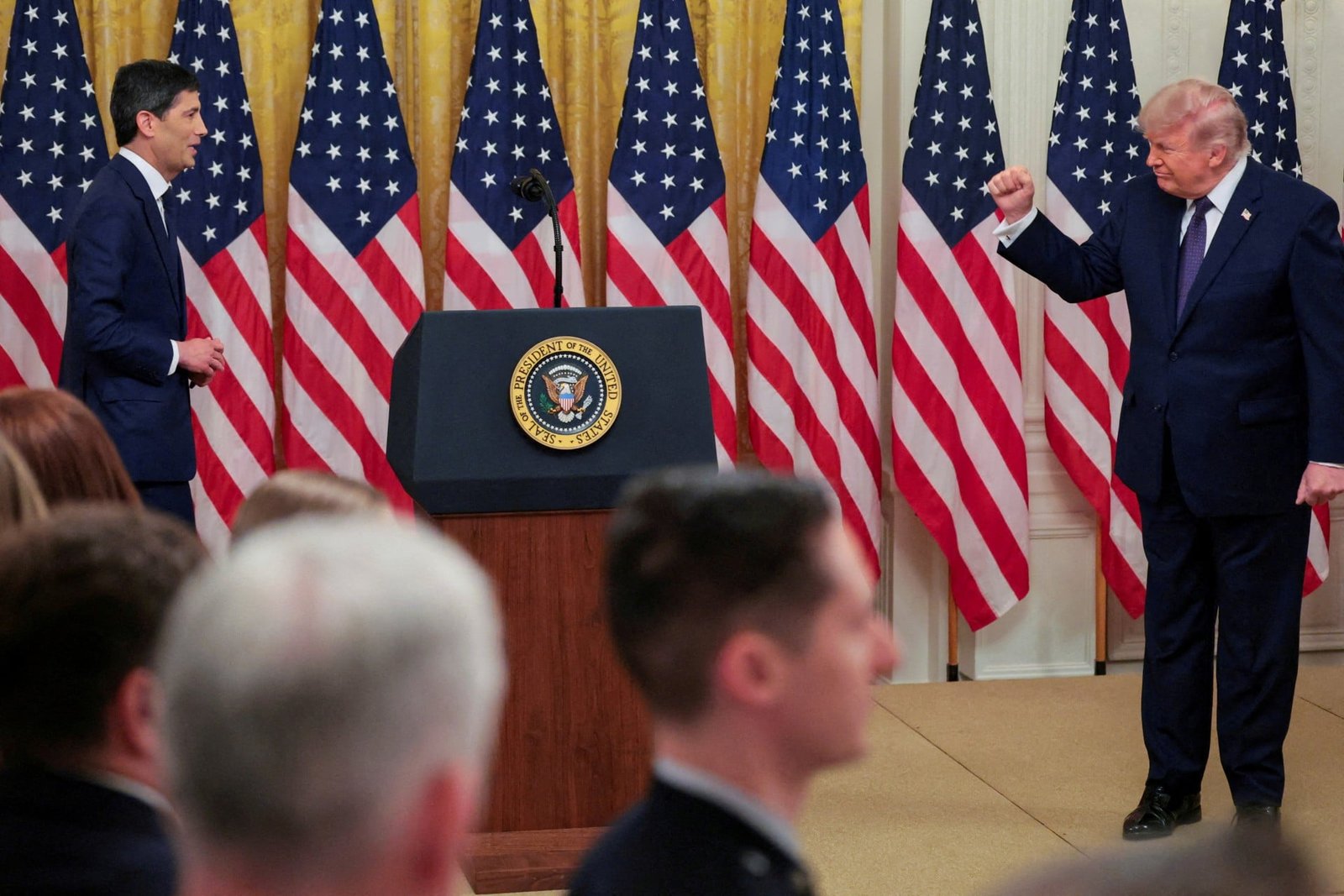
Some consider that Wars, who has closer personal ties to Trump than Powell, will be able to manage any consequences from the White House
Some also consider that Wars left enough ambiguity in his statements, so that any intention to raise interest rates does not sound certain: And thus escape (for now) the ensuing wrath of the White House.
«It left a lot of room. There will be more evidence»Bill English of Yale.
«I guess Wars was going to send a strict, old message.», says David Wessel, a senior Brookings Institution associate. «Showing independence from Trump, however, means raising interest rates, not just harsh words.»
preferred source on Google
To show more articles by Maritime in your searches easily and quickly, you must add the site to your preferred sources. You can do it by going Here..

