
Behind some of the strangest and most profitable thefts in recent years are heads cheese extremely high quality.
ARTICLE SUMMARY
- In 2024, a huge order for 950 head cheddar, worth $400,000, proved to be a fraud. After receiving from Neal’s Yard Dairy warehouses, the 22 tons of British cheese disappeared along with the non-existent buyer.
- Stealing cheese is a top charge in food crime, costing $50 billion a year. Quality cheese is expensive, has international demand and is easily resold on the black market with a huge profit for the perpetrators.
- To protect them, producers in Italy store parmesan in fortress banks. Thieves have evolved into organized enterprises requiring internal knowledge of the market, procedures and distribution networks.
- Researchers believe the stolen cheddar ended up on the black market in Russia or the US. The case remains unsolved, prompting producers to adopt new technologies, such as edible microchip, to monitor products.
When most people think of organized crime, they imagine drugs, weapons, precious metals or works of art. Few would assume that one of the most sought after spoils of modern underworld is cheese. Yet, behind some of the strangest and most profitable thefts in recent years is a product that for centuries was a symbol of culinary tradition: high quality cheese heads.
ARTICLE CONTINUES AFTER ADVERSION
The case that shocked the food world
The case that shocked the food world began in 2024, when British company Neal’s Yard Dairy, one of the most important distributors of traditional British cheese, accepted an order that seemed to be a dream for each producer.
A French retail group was reportedly interested in buying 950 heads of hand-made cheddar, at a total value of about $400,000. The order was so large that three different cheese shops had to cooperate to meet demand.
Westcombe Dairy in Somerset, the Trethowan brothers with the famous Pitchfork Cheddar and Holden Farm Dairy in Wales immediately mobilized.
ARTICLE CONTINUES AFTER ADVERSION
An extremely good proposal to be true
For producers, the order was an opportunity to prove that the regeneration of British cheese could conquer international markets. As Tom Calver of Westcombe Dairy recalls, «When such a proposal appears, you grab it immediately.».
The problem was that the order proved too good to be true.
On October 14, 2024, the 950 head cheddar was normally received from the warehouses of Neal’s Yard in Bermondsey, London. From that moment on, neither cheese nor buyer ever showed up again.
About 22 tons of the most expensive handmade British cheeses disappeared without a trace. The fraud was revealed weeks later, when it became clear that the alleged French supermarket chain did not actually exist.
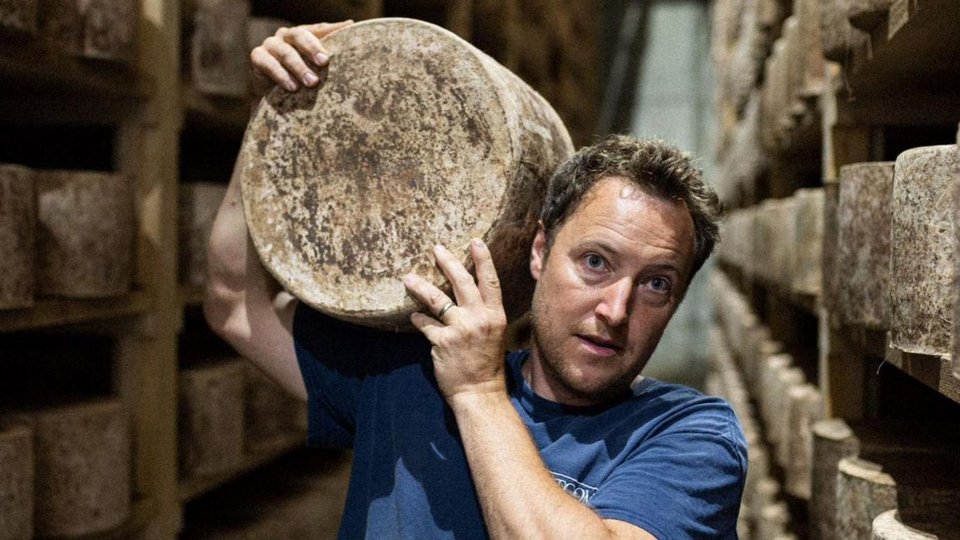
When most people think of organized crime, they imagine drugs, weapons, precious metals or works of art. Few would assume that one of the most sought after spoils of modern underworld is cheese / ALAMY
ARTICLE CONTINUES AFTER ADVERSION
History may seem comical, but for people in the food market it is no exception.
According to the World Trade Organization, food-related crime costs the international industry up to $50 billion a year. And among all the products stolen, cheese holds an unexpected first.
Greece on the list
The list of relevant cases is impressive. In 2012, in Canada, maple syrup was stolen worth $18 million. In 2013, thieves in Germany grabbed nearly 7,000 jars of Nutella. In England, that same year, strangers stole thousands of canned Heinz beans from a truck parked on a highway. In 2023, in Greece, 37 tonnes of olive oil disappeared from an oil mill in Halkidiki. But none of these cases compare to the frequency of cheese thefts.
The reason is simple: quality cheese is expensive, identifiable, has international demand and can be resold with great margins of profit. Especially when it comes to traditional, handmade products, their prices far exceed those of industrial cheeses on the supermarket shelves.
ARTICLE CONTINUES AFTER ADVERSION
Producers explain that traditional cheddar has nothing to do with mass-produced cheese. Its manufacturing process requires manual work at each stage. Ben Ticehurst of the company Trethowan Brothers describes a daily life where workers mix cheese with huge metal forks, move molds of nearly 40 kg and complete the entire production almost exclusively by hand. «When we say handmade, we mean it literally.», says features.
The high value of the product did not go unnoticed by organised crime. Perhaps the most typical example comes from northern Italy, the home of parmesan. There, the continuous theft of Parmigiano Reggiano wheels forced producers to seek original protection solutions.
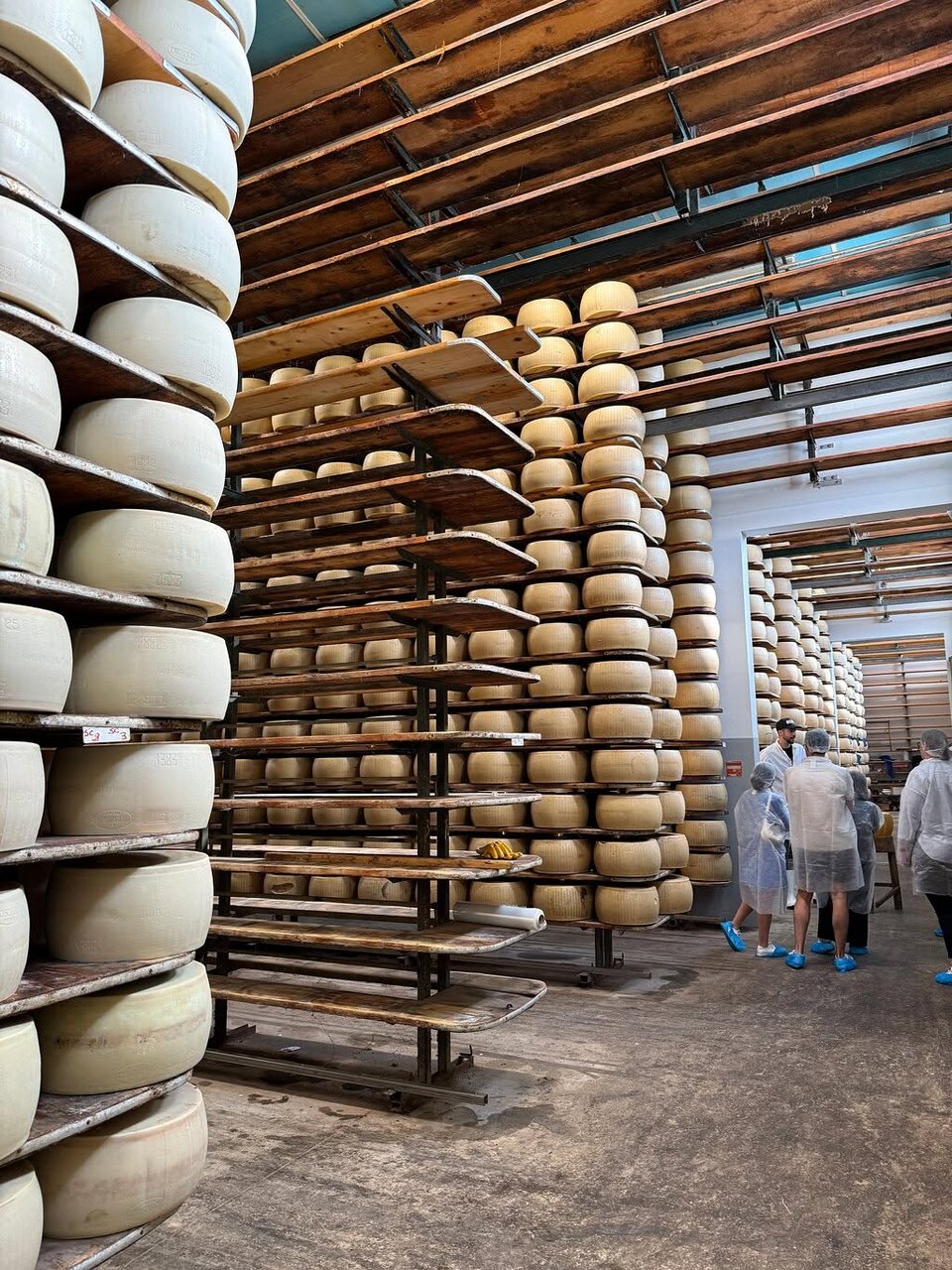
Yet, behind some of the strangest and most profitable thefts in recent years is a product that for centuries was a symbol of culinary tradition: high quality cheese heads / WIKIPEDIA
One of the strangest «banks» world
In the Emilia-Romania region, one of the strangest are currently operating. «banks» in the world. Credito Emiliano hosts up to 300,000 parmesan wheels in specially shaped warehouses with controlled temperature and humidity. Producers store their product there, which is even used as a guarantee for bank loans. It's no coincidence that the facility has acquired the nickname «Fort Knox of cheese».
ARTICLE CONTINUES AFTER ADVERSION
Security measures remind a military base. Patrols, motion detection systems, barbed wire and permanent surveillance with cameras have become necessary, as only between 2012 and 2018 are estimated to be stolen annually parmesans worth about $3 million.
These thefts have evolved from occasional incidents to well-organized businesses. The perpetrators know the products, markets and routes of trafficking. In many cases they appear with counterfeit transport documents, gain access to warehouses without raising suspicion and disappear before businesses realize they have been victims of fraud.
CSI Jonathan Davis of the University of Manchester explains that such crimes require cooperation of people who know the industry. «There is always a point where organised crime is based on legal market players, sometimes accomplices and sometimes unsuspecting. They know the language, procedures and distribution networks».
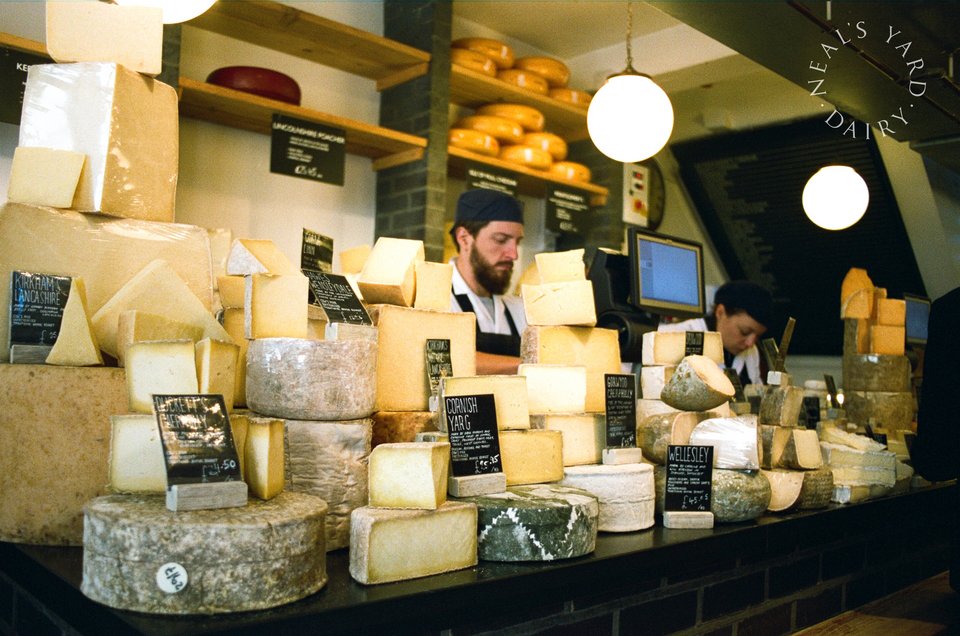
The question most concerned researchers in the Neal’s Yard case was where the 22 tons of British cheddar/NEALS YARD eventually ended up
ARTICLE CONTINUES AFTER ADVERSION
Where did the 22 tons of British cheddar end up?
The question most concerned researchers in the Neal’s Yard case was where the 22 tons of British cheddar eventually ended up.
Many producers believe the shipment was transported out of Britain. One of the most likely markets is Russia. Following the sanctions imposed because of the annexation of Crimea and later the war in Ukraine, Russia banned the import of many Western foods, creating a huge black market for fine European products. The cheese was at the heart of this illegal demand.
In recent years, many attempts to smuggle European cheese into Russia through third countries have been recorded. On one occasion, the customs authorities identified 70 tonnes of illegal European cheese hidden in containers that said they were transporting materials for rubber production.
Experts consider Neal’s Yard’s stolen cheddar probably followed a corresponding route. Others argue that some of the cargo may have been shipped to the United States, where strict raw milk cheese legislation has created a small but particularly active parallel market for rare European products for decades.
ARTICLE CONTINUES AFTER ADVERSION
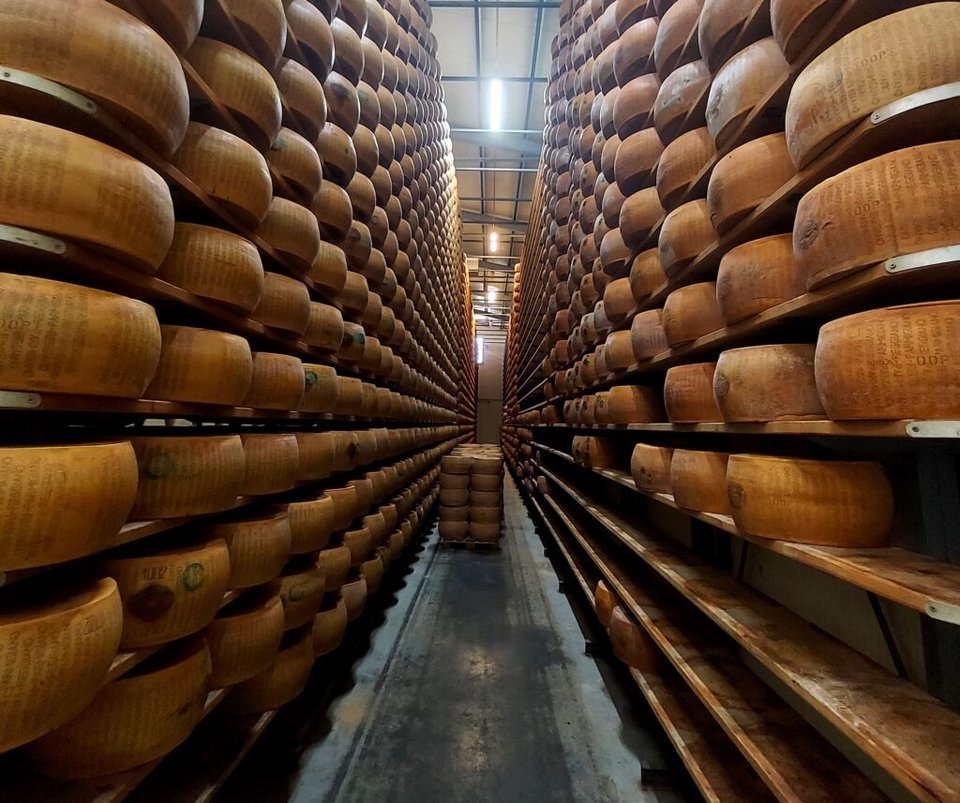
In recent years, many attempts to smuggle European cheese into Russia through third countries have been recorded. On one occasion, the authorities identified 70 tonnes of illegal European cheese hidden in containers stating that they were transporting materials to produce rubber / ALAMY
Beyond the financial blow, these thefts highlight a deeper weakness of global supply chains. Pandemic, Brexit, energy crisis, trade wars, sanctions and climate change have made the food trafficking system more fragile than ever. According to British Standards Institute data, thefts in the food supply chain increased by 79% within a year.
Producers are trying to defend themselves. Italian parmesan manufacturers have already begun to place edible microchip inside the cheese crust so that they can track their route and identify cases of theft or counterfeiting. However, as experts warn, the more protection technologies evolve, the more the methods of fraud develop.
In the case of Neal’s Yard, the case remains open. Arrests have been made, but no one has yet been convicted and the cheese has never been found. For many in the field of gastronomy, history now acts as a modern myth but also as a warning.
ARTICLE CONTINUES AFTER ADVERSION
As Tom Calver admits, looking back on the huge order initially seen as a triumph for British cheese: «The old rule applies. If something seems too good to be true, it's usually not.».
Follow it. on Google News and learn all the news first
See all the last News From Greece and the World,

