
A new round of pressure to servicers and, at the second level, to banks opens the financial staff, this time putting in the microscope not only the number of arrangements made, but also the way borrowers are treated when trying to find a solution to their debts.
The focus is on the delays in the arrangements, the information of debtors, the conditions proposed to them, the required advances, the nuisances and more general practices that are reported as abusive or opaque. The message from the government is that the significant progress made in the arrangements is not enough by itself.
The next step is to limit cases where a borrower has been faced with delays, difficulty in communication or a proposal that he considers does not meet his real economic potential.
The political stigma has already been given by Mr. Kyriakos Pierrakakis. From the step of the General Assembly of the Hellenic Association of Banks, the Minister of National Economy and Finance had raised the volumes against the servicers, stressing that millions of people and assets under their management remain outside economic activity. He talked about people who can't borrow, properties that can't be exploited and small businesses that can't restart, asking servicers «Sustainable settings and transparency – why they manage not just portfolios, but lives».
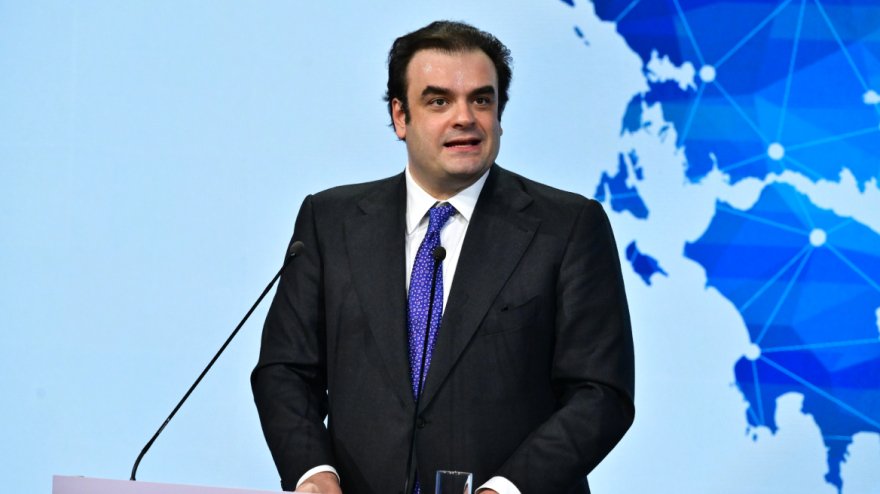
The Minister of Finance, Kyriakos Pierrakakis
The Code of Ethics
What the government is asking is not only to increase the number of regulations, but to limit practices that cause complaints and to ensure that the solutions proposed are truly viable for the debtor. Delays and obstructions, insufficient information, difficulties in communication, high advance payments and conditions of regulation that are reported not to meet the actual repayment possibilities.
At the centre is the Code of Ethics, for which there is a significant lag in both its implementation and its visibility as a regulatory tool. According to the information, stricter application of the Code is being considered, with greater obligation on creditors to inform borrowers of the possibility of recourse to it. The aim is to increase the real efforts to settle a debt before the case reaches the necessary measures.
The complaints
The second line of pressure concerns complaints themselves. The Ministry has already passed through the mere gathering of complaints in the creation of a mechanism that will monitor exactly what happens with each case. By decision of the General Secretary of Financial Sector and Management of Private Debt God Alabamas, a working group has been set up to organise, monitor and manage complaints from borrowers against debt management companies.
For each complaint a file may be formed, material collected from the parties concerned and its evolution monitored. The aim is not only to measure complaints but to find out exactly what happened, if the complaint is valid, how the servicer responded and whether the practice that caused it was finally corrected.
The microscope sets out specific practices described in the borrower complaints:
■ Delays and delays in arrangements: requests that, according to the complaints, may remain for a long time without substantial development, with the debtor awaiting an answer as to whether and on what terms an agreement may proceed.
■ Difficulties in communication: borrowers say they find it difficult to reach the responsible operator of their case or that there is no continuity in communication, which makes it difficult to negotiate effectively.
■ Lack of information on debt: complaints of insufficient information on the amount and evolution of the claim, the charges and the elements needed by the debtor to know exactly what is to be paid are at the centre.
■ Delays in documents and schedules: καταγράφονται παράπονα για καθυστέρηση ή μη χορήγηση εγγράφων που απαιτούνται για να προχωρήσει μια ρύθμιση, καθώς και προβλήματα στην αποστολή αναλυτικών δοσολογίων.
■ Πιεστικές οχλήσεις: οι αναφορές αφορούν τον τρόπο και την ένταση με την οποία ασκείται πίεση για την αποπληρωμή, ιδιαίτερα όταν ο οφειλέτης υποστηρίζει ότι βρίσκεται ήδη σε διαδικασία αναζήτησης λύσης.
■ Δυσμενείς όροι και ρυθμίσεις που δεν «βγαίνουν»: δανειολήπτες καταγγέλλουν προτάσεις με δόσεις και όρους που θεωρούν ότι δεν ανταποκρίνονται στην πραγματική οικονομική δυνατότητά τους, με αποτέλεσμα μια ρύθμιση να κινδυνεύει να καταστεί μη εξυπηρετούμενη λίγο μετά τη συμφωνία.
Ιδιαίτερη κατηγορία αποτελούν οι υψηλές προκαταβολές που, σύμφωνα με τις καταγγελίες, ζητούνται σε ορισμένες περιπτώσεις για να ανοίξει ο δρόμος μιας συμφωνίας, ιδιαίτερα όταν έχει ήδη εκδοθεί διαταγή πληρωμής. Στις αναφορές των καταναλωτών καταγράφονται επίσης επιτόκια που κινούνται ακόμη και μεταξύ 4,5% και 6,5%, αλλά και παράπονα ότι οι όροι που προτείνονται καθιστούν τελικά τη ρύθμιση δύσκολα διατηρήσιμη σε βάθος χρόνου.
Οι πλειστηριασμοί
Ακόμη πιο ευαίσθητες είναι οι καταγγελίες στις οποίες η διαδικασία αναγκαστικής εκτέλεσης συνεχίζεται την ώρα που ο δανειολήπτης επιχειρεί να ρυθμίσει την οφειλή του. Το κρίσιμο ερώτημα που θέλει να εξετάσει το υπουργείο είναι αν εξαντλήθηκε πραγματικά η δυνατότητα μιας βιώσιμης λύσης προτού η υπόθεση φτάσει σε κατάσχεση ή πλειστηριασμό.
Στο ίδιο κάδρο μπαίνει και η διαφάνεια γύρω από την ίδια την απαίτηση. Μετά τις αλλεπάλληλες μεταβιβάσεις κόκκινων δανείων από τράπεζες σε funds και χαρτοφυλακίων από επενδυτή σε επενδυτή, ζητούμενο είναι ο δανειολήπτης να γνωρίζει ανά πάσα στιγμή ποιος είναι ο πιστωτής του, ποιος διαχειρίζεται το δάνειο, ποιο είναι το ύψος της απαίτησης και με ποιον πρέπει να διαπραγματευθεί.
Η αλλαγή ιδιοκτήτη ενός δανείου δεν μπορεί να δημιουργεί κενά στην ενημέρωση ή να αναγκάζει τον οφειλέτη να αναζητά από την αρχή ποιος έχει τον φάκελό του.
Το εύρος του προβλήματος αποτυπώνεται και στους αριθμούς. Σύμφωνα με στοιχεία της ΕΚΠΟΙΖΩ, το 2025 υποβλήθηκαν περισσότερες από 4.300 καταγγελίες που αφορούσαν τράπεζες, funds και εταιρείες διαχείρισης, έναντι περίπου 3.200 το 2024, σημειώνοντας αύξηση της τάξης του 34%.

