
The war in Iran It has not only implications at a geopolitical level but also in the global economy, as it threatens to rearrange the international economic system, revealing in the harshest way how vulnerable the global energy chain remains today.
The global economy has been based for decades on a dangerous hypothesis: that the Straits of Hormuz, a sea corridor of enormous geo-economic importance, will remain open, functional and predictable.
But the longer the war prolongs and the greater the financial damage from the closure of Hormuz, the greater the pressure for deeper changes in the field of energy.
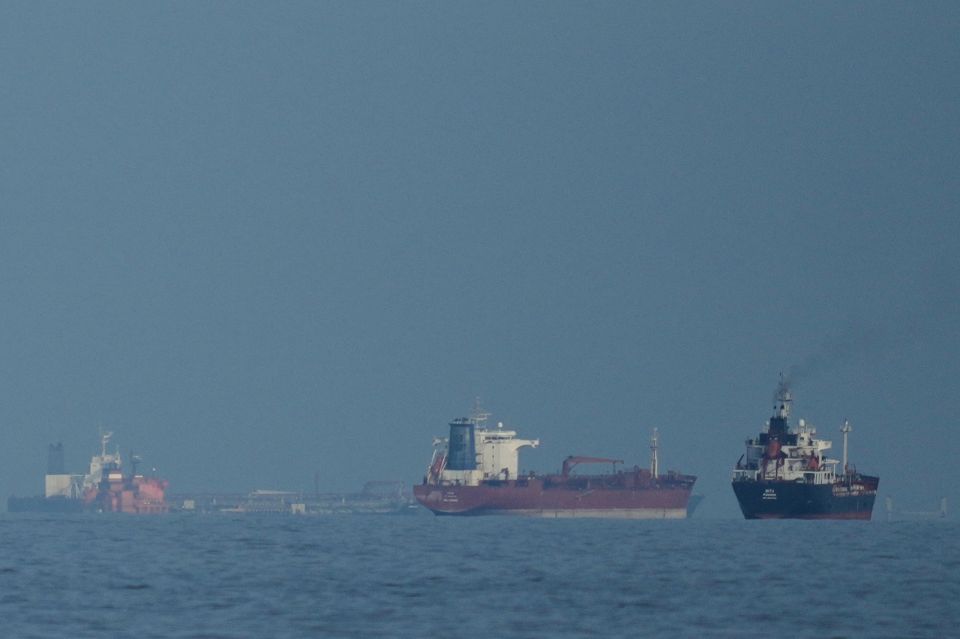
Tanker off Dubai (file photo)
AP Photo/Altaf Qadri
What will happen after the Hormuz boundary changes?
According to analysts citing CNNi, the greatest consequence of the war at this point is not only the explosion of prices, but also the expansion of the area associated with the Strait of Hormuz.
Iran appears to expand for the second time the zone it defines as the Strait of Hormuz, presenting it as a wider operational area. Tehran no longer treats Hormuz simply as a narrow strip of sea around certain islands.
On the contrary, based on the new definition, the region has expanded significantly and has gained greater military importance. This changes the calculations of states dependent on Gulf energy flows.
If Iran can influence or threaten the transit of critical cargo, then dependent economies will not be satisfied with temporary naval solutions. They will seek permanent detours.
Next day
The most likely result is accelerating projects that will reduce dependence on the Straits of Hormuz. Saudi Arabia, the United Arab Emirates and other producers in the region now have a stronger incentive to invest in pipelines, land routes, ports outside the narrow and storage infrastructure.
Logic is simple. If the cost of dependence on Hormuz becomes greater than the cost of new infrastructure, then these investments cease to be an option and become a strategic need.
Already, the United Arab Emirates appears to be moving towards greater productive flexibility. ADNOC Drilling stated that it is ready to support an increase in the capacity of Emirates beyond the 5 million barrels target daily by 2027, if a request is made.
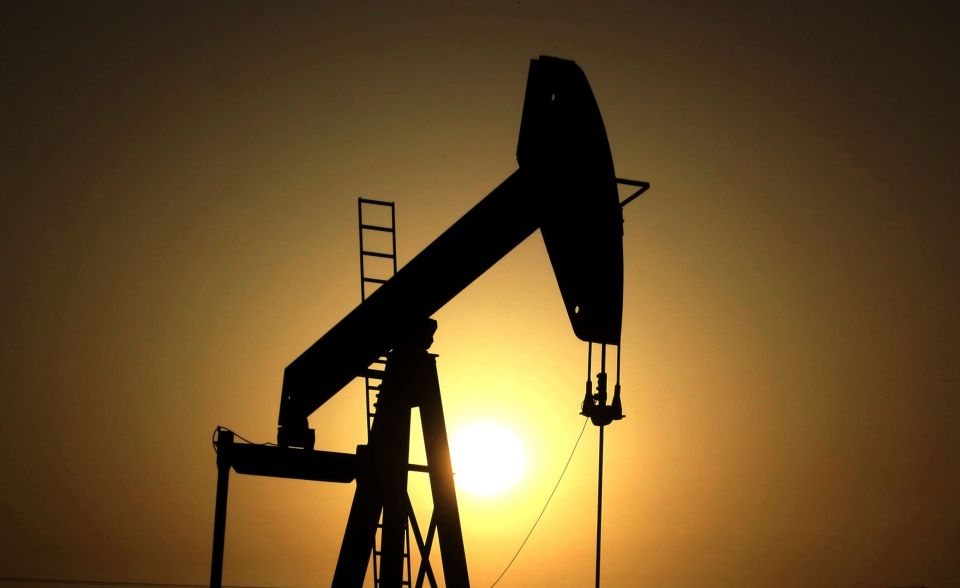
(AP Photo/Hasan Jamali, File)
AP Photo/Hasan Jamali
The weakening of OPEC
The war in Iran can also accelerate a second major change: the weakening of OPEC. The United Arab Emirates' decision to leave the organization is a strong blow to the cartel, as it limits its ability to control global oil supply through quotas.
This can work in the long term for consumers if it leads to greater production, stronger competition and lower prices. But it can also make the market more unpredictable. The OPEC, despite its distortions, operated in times of crisis as a coordination mechanism. Its weakening can reduce market discipline, but also remove a management tool in future energy crises.
Speeds up green transition
The third major change concerns renewable energy sources. Every major oil crisis reminds governments that energy security is not just a matter of honour. It is a matter of sovereignty, resilience and geopolitical autonomy.
The rise in energy prices has already boosted demand for clean technologies. According to Ember, Chinese exports of solar technology, batteries and electric vehicles reached a historic high in March 2026, with exports of solar products recording a sharp increase.
This does not mean that people are immediately abandoning fossil fuels. But it means that the crisis makes the idea of an economy that is not so strongly dependent on oil, gas and the maritime corridors of the Middle East more attractive.
Uncertain benefits
The image, however, is not only positive. A sustained war can cause deep recession, high inflation, higher transport costs and new pressures on households and businesses. It can also lead to an even more unstable Iran or to a new regime more aggressive towards the United States, Israel and their allies.
Even if Hormuz becomes less critical in the future, it does not mean that threats will disappear. They could simply be transferred to other pipelines, ports, sea passages or energy infrastructure. Energy security will not cease to be a geopolitical issue. It will change form.
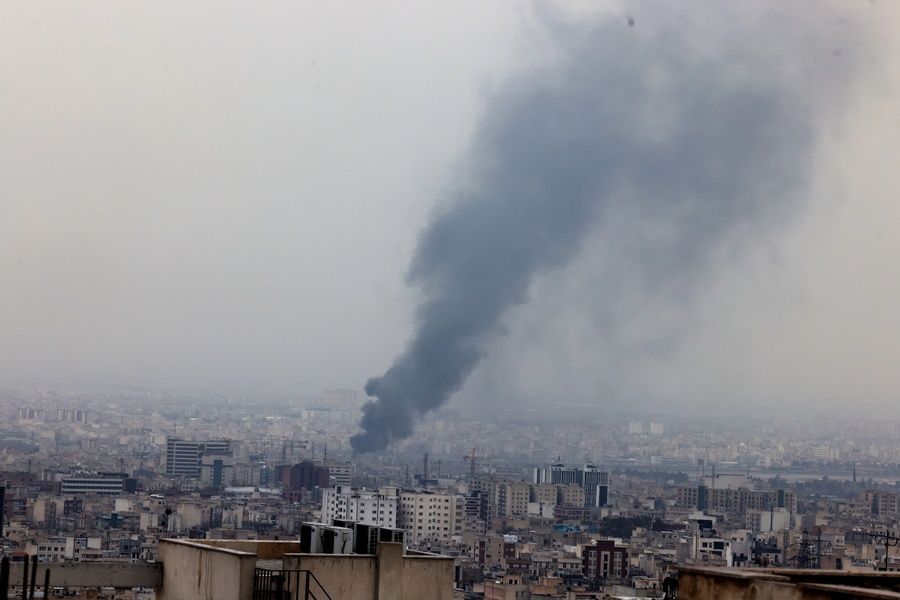
Long-term and short-term consequences
The war in Iran can prove to be one of the most painful catalysts to reform the global economy. In the short term, costs are heavy: more expensive energy, greater uncertainty and serious pressures on international trade.
In the long run, however, the crisis can lead to a more durable energy system. More alternative routes, less dependence on OPEC, faster shift in renewable sources and more differentiated supply chains can change the functioning of the global economy.
The crucial question is not whether war will cause changes. This is already happening. The real question is whether these changes will lead to a safer and more stable economic system or whether they will open a new cycle of competition around energy.

