
The price increase of oil directly affects petrol and diesel. In Greece in 2026, the price of unleaded now moves close to EUR 2,00 per litre, with variations by region. For a driver, this means that the cost of each move now depends on factors he cannot control. From international tensions to decisions of energy markets, everything passes through the pump.
At the same time, electrification offers a different approach. The price of electricity in Greece is an average of 0.23 to 0.25 euros per kilowatt hour for domestic use, while public chargers can reach higher, especially in fast chargers. Despite fluctuations, the main difference remains: costs are more stable and more predictable.
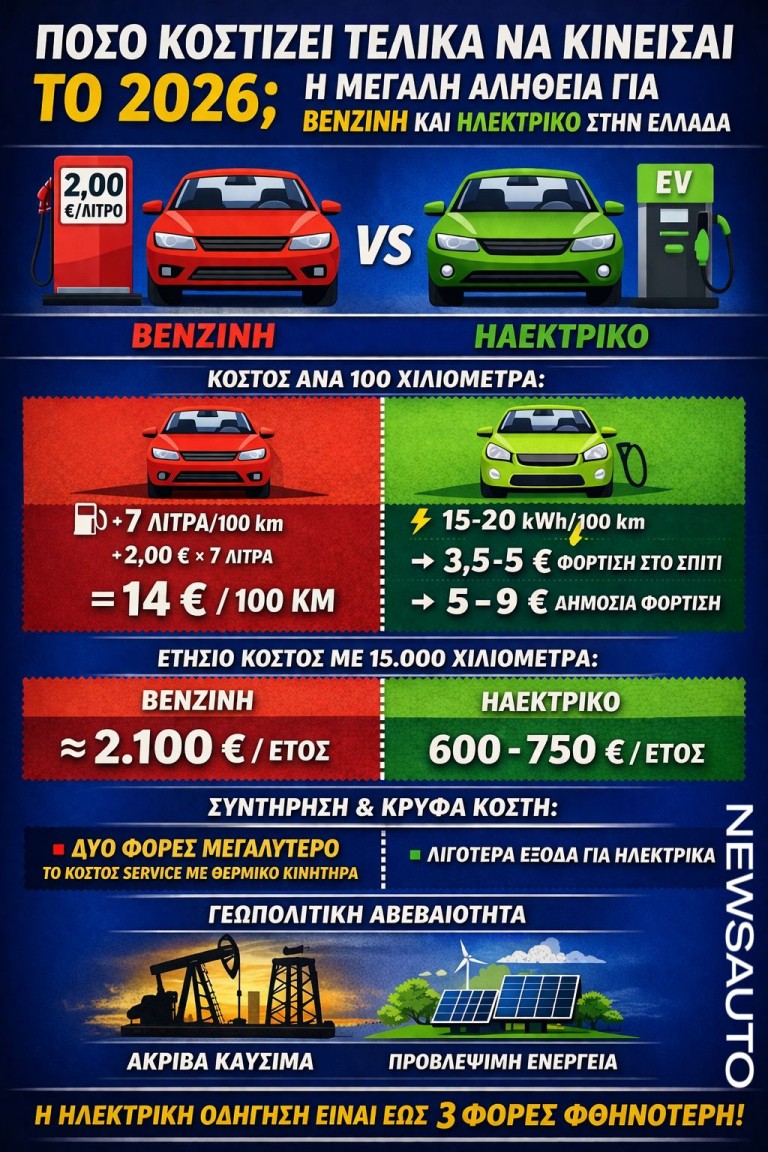
This is clearly reflected when translated into real use. A medium, relatively new and well - maintained gasoline car consumes about 7 liters per 100 km. With the new prices, the cost reaches around EUR 14 per 100 km. Instead, an electric car with a consumption of 15 to 20 kWh per 100 km takes about 3.5 to 5 euros when it charges at home, and up to 8 or 9 euros at public chargers.
The difference is immediate and measurable. The electric car can move with up to one third of the cost compared to a conventional model. And this difference increases as fuel prices increase.
The picture becomes even clearer on an annual basis. For a driver who travels 15,000 km per year, fuel costs are now about the same. EUR 2,100. The corresponding electricity costs range between EUR 600 and 750. Saving becomes even bigger and over time turns into a determining factor.
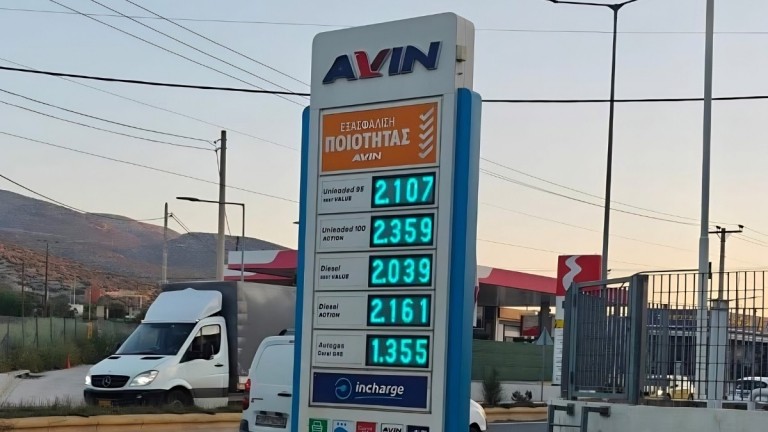
Fuel prices in Attica on Tuesday 7 April 2026
The maintenance costs must be added to this. Electric cars have fewer mechanical parts and do not require the same maintenance work. There are no oil, filter or complex exhaust systems changes. This reduces both the cost and the probability of damage.
But the biggest difference is not just in numbers. It's in stability. Fuel prices are directly affected by international developments. Every tension in the Middle East, every disturbance in oil production, is transported directly to the station. Instead, electricity is affected differently and in many cases it can come from domestic sources, such as renewables.
This means that the driver of an electric car has an advantage that is not easy to measure, but becomes increasingly important: he knows to a large extent what he will pay.
In Greek reality, the issue is gaining even more weight. The fleet remains one of the oldest in Europe, with high consumption and increased maintenance needs. This makes households more vulnerable to fuel increases and increases overall travel costs.
The transition to electric drive progresses, but not at the speed it could. Charge infrastructure improves, but remains unevenly distributed. Grant programmes helped, but the market needs consistency and duration to gain pace.
The crucial element is that the debate is changing. It is no longer just about the environment or technology. It is about who can bear the cost of daily travel in an unstable international environment.
The car becomes a strategic economic decision again. And this time, numbers are clearly pointing in one direction.
NEWS TODAY
Easter: The Dangerous Trick With Alcohol Tests and Self-Driving
With an incredible discount of almost 4000 euros
Share it

