
Large cities gather not only population, businesses and opportunities. They also gather wealth. And the stronger the financial sector of a city, the greater the concentration of very high incomes appears to be.
But the presence of a strong financial sector also has a significant side effect: it can increase income inequality.
An international survey, which examined data from two decades of cities in 10 countries of Europe, North America and Asia, shows that people with higher incomes are increasingly concentrated in the cities that are the main financial centres of their countries.
Researchers compared for each country two cities of similar size, employment and economic importance. For example, in the US they compared New York to Los Angeles, Spain, Madrid, Barcelona, Japan, Tokyo, Osaka, and France, Paris, and Lyon.
The aim was to determine whether the incomes of the richest 1% increase, whether people with the highest incomes are concentrated in specific cities and, above all, how important the financial sector plays a role.

A richer, more concentrated 1%
The results are clear: in all 10 countries examined, the share of income reaching the richest 1% increased over time, according to an article in The Conversation.
On average, this share increased by 0.17% each year. The increases were smaller in countries such as Denmark and Sweden, while the US showed the greatest rise.
But not only did the incomes of the richest increase. People belonging to the top 1% began to gather even more in financial cities.
In 1990, an income found in a financial city averaged 1.7 times as high as 1% in the country compared to a corresponding income in a comparison city.
Almost two decades later, this possibility had increased to 2.4 times.
In other words, people with higher incomes are not evenly distributed in countries. They are increasingly concentrated in cities where financial wealth is found.
Financial cities win more
The difference becomes even more apparent when we consider where the increase in incomes comes from.
On average, financial cities accounted for 65% of the total income share increase that resulted in the top 1% of their country.
In countries such as France, Spain and Sweden, this figure exceeded 100%. This means that the increase in the incomes of the richest in financial cities was so great that it even compensated for the reductions recorded in other cities.
One of the main reasons is the very high remuneration in the financial sector. Researchers estimate that the industry is responsible for about 30% of the difference between financial and comparison cities.
Centralised economies
To understand why this is happening, we need to see how the financial economies have evolved over the last decades.
During the 1990s, many financial companies began to share more of their increasing profits with their employees. This led to much higher wages, especially for executives and qualified professionals.
Even after the 2008 financial crisis, when the profits of many banks declined, salaries in the financial sector remained high.
The same happened despite the efforts of some governments to limit pay, for example with caps on bank executive bonuses.
However, not all countries have the same economic structure.
In countries such as Spain, Sweden and Denmark, financial centres contributed significantly to the increase in top 1% incomes, although the overall increase in inequality was relatively limited.
Instead, in Germany, the US and Canada, the financial sector played a smaller role in increasing very high incomes, because inequality increased significantly in other sectors as well.
Ένας λόγος είναι ότι ορισμένες οικονομίες είναι περισσότερο συγκεντρωμένες γύρω από μία μεγάλη πόλη. Στη Σουηδία, τη Νορβηγία και την Ισπανία, για παράδειγμα, οι οικονομικές δραστηριότητες συγκεντρώνονται περισσότερο στα μεγάλα αστικά κέντρα. Επομένως, το χρηματοοικονομικό κέντρο έχει μεγαλύτερη επίδραση στο σύνολο της οικονομίας.
Στη Βόρεια Αμερική, από την άλλη πλευρά, οι πολύ υψηλές αμοιβές που καθιερώθηκαν στον χρηματοοικονομικό τομέα επηρέασαν και άλλους κλάδους, όπως η τεχνολογία.
Στις σκανδιναβικές χώρες, ο χρηματοοικονομικός τομέας παρέμεινε περισσότερο ένας εξειδικευμένος κλάδος: προσφέρει πολύ υψηλούς μισθούς, αλλά η επίδρασή του στους υπόλοιπους κλάδους της οικονομίας είναι μικρότερη.
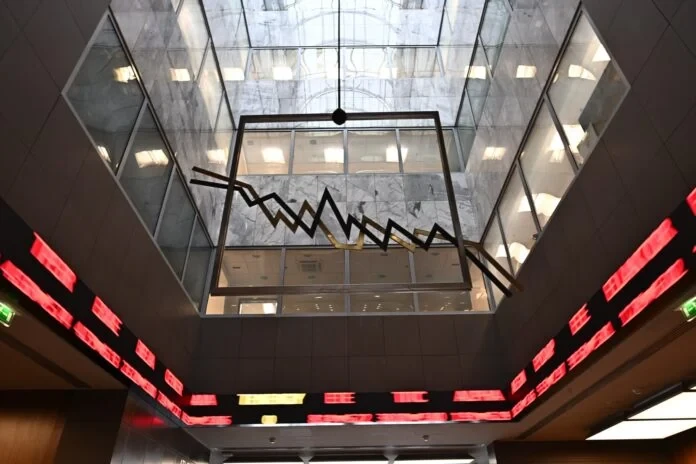
Στιγμιότυπο από το Χρηματιστήριο της Αθήνας, Δευτέρα 7 Απριλίου 2025. (ΚΩΣΤΑΣ ΤΖΟΥΜΑΣ/EUROKINISSI)
Χρηματοοικονομικοποίηση, παγκοσμιοποίηση και δεξιότητες
Η εξέλιξη αυτή έχει ιδιαίτερη σημασία επειδή όλο και περισσότεροι άνθρωποι ζουν στις πόλεις.
Περίπου το 75% των κατοίκων της Ευρωπαϊκής Ένωσης ζει σήμερα σε πόλεις και αστικές περιοχές. Το ποσοστό αυτό αναμένεται να φτάσει περίπου το 78% έως το 2050.
Όσο οι πόλεις μεγαλώνουν, λοιπόν, γίνεται όλο και πιο σημαντικό να κατανοήσουμε τι διαμορφώνει την οικονομία και την κοινωνική τους δομή.
Για χρόνια, η παγκοσμιοποίηση θεωρούνταν ένας από τους βασικούς λόγους για την αύξηση της εισοδηματικής ανισότητας στις μεγάλες πόλεις. Οι παγκόσμιες επιχειρήσεις συγκεντρώνουν εκεί δικηγόρους, συμβούλους, τραπεζίτες και άλλους υψηλά αμειβόμενους επαγγελματίες.
Η έρευνα, όμως, δείχνει ότι η εικόνα είναι πιο σύνθετη.
Πόλεις όπως η Στοκχόλμη και η Μαδρίτη παρουσίασαν σημαντική αύξηση στη συγκέντρωση υψηλών εισοδημάτων, παρότι δεν αποτελούν παγκόσμια χρηματοοικονομικά κέντρα αντίστοιχης κλίμακας με τη Νέα Υόρκη ή το Λονδίνο.
Οι ερευνητές εξέτασαν επίσης έναν ακόμη πιθανό παράγοντα: το γεγονός ότι οι εργαζόμενοι υψηλής εκπαίδευσης και οι παραγωγικές επιχειρήσεις προτιμούν πόλεις με καλύτερες υποδομές και περισσότερες ευκαιρίες.
Γι’ αυτό και η σύγκριση έγινε μεταξύ πόλεων που είχαν παρόμοια χαρακτηριστικά, όπως πληθυσμό, απασχόληση και οικονομικό μέγεθος.
Παρά τις ομοιότητες αυτές, η χρηματοοικονομική πόλη εξακολουθούσε να παρουσιάζει πολύ μεγαλύτερη συγκέντρωση υψηλών εισοδημάτων.
Τι σημαίνουν όλα αυτά για τις πόλεις;
Το βασικό συμπέρασμα της έρευνας είναι ότι η παρουσία ενός ισχυρού χρηματοοικονομικού τομέα δεν επηρεάζει μόνο την οικονομική δραστηριότητα μιας πόλης. Επηρεάζει και τον τρόπο με τον οποίο κατανέμεται το εισόδημα.
Οι χρηματοοικονομικές πόλεις προσελκύουν εργαζομένους με πολύ υψηλές αμοιβές, δημιουργούν πλούτο και ενισχύουν τη διεθνή τους θέση. Ταυτόχρονα, όμως, μπορούν να δημιουργήσουν μεγαλύτερη απόσταση ανάμεσα στα πολύ υψηλά εισοδήματα και στα υπόλοιπα εισοδήματα.
Το ζήτημα, επομένως, δεν είναι αν οι χρηματοοικονομικές πόλεις είναι «καλές» ή «κακές». Είναι ότι η οικονομική τους επιτυχία έχει και κοινωνικό κόστος.
Καθώς οι πόλεις συνεχίζουν να μεγαλώνουν και να συγκεντρώνουν όλο και περισσότερη οικονομική δραστηριότητα, το μεγάλο ερώτημα είναι πώς μπορούν να συνδυάσουν την ανάπτυξη και τις υψηλές αμοιβές με μια πιο ισορροπημένη κατανομή του πλούτου.
Γιατί μια πόλη μπορεί να γίνει πλουσιότερη χάρη στις χρηματοοικονομικές αγορές της. Το ζητούμενο είναι ο πλούτος αυτός να μην καταλήγει μόνο σε ένα πολύ μικρό κομμάτι του πληθυσμού.

