
The market yogurt It increases speed and with it increases competition between the large dairy industries, at a time when both consumer habits and shelf balances change. In the first half of 2026 sales to the organised retail market already reached 221m euros, recording an increase of 13.2%, while the quantities sold amounted to 50.3 million tonnes, increased by 10.1% compared to the previous year.
The evidence results from a special processing carried out for protothema, NielsenIQ and Customer Success Consultant of Vangelis Tolidis and outline a market which not only grows, but is also transformed. With a simple reduction in performance of the semester, the domestic market seems to be moving at levels above EUR 440 million this year, as long as the same dynamics are maintained in the second half of the year.
And this, while for years the great development bet of Greek dairy has been moved out of the border. Original Greek yogurt is constantly gaining ground in international markets, claiming a share of the much larger market for type products «Greek style», and companies such as FAGE, Krie, Greek Dairy and MEBGA have put their further internationalisation high on their priorities. An example of the dynamics is the example of Great Britain, where the sales of authentic Greek yogurt are estimated to have reached 349m euros in 2025, from 218m euros in 2024 and only 106m euros in 2022.
However, the Greek market is far from going into a second plan. On the one hand it remains a large pie, which is even growing at a two-digit rate. On the other hand, for the Greek milk industry their market position is also a matter of prestige. Especially now that consumption is growing and new food trends create additional growth space, the battle for each share unit becomes more important.
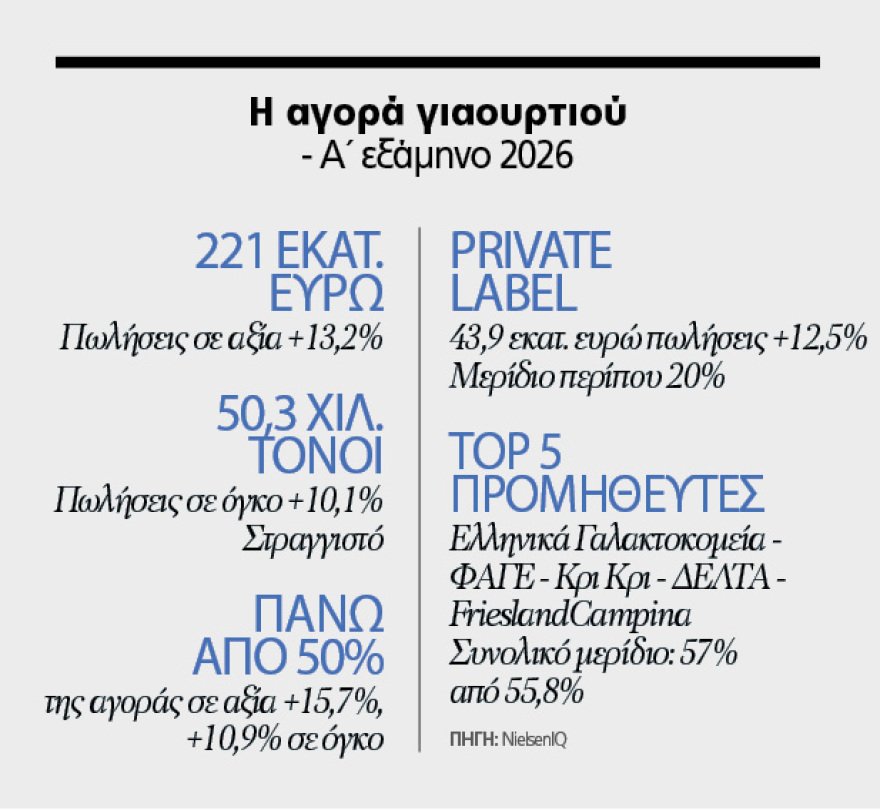
The thing that stands out is that growth does not only come from increasing the value of sales. The rise of 10.1% of the quantities sold shows that behind +13.2% in value there is a substantial expansion of consumption.
The core
In the heart of the market is still the drained yogurt. It represents more than half the total value of the class and, despite the emergence of new products and dietary trends, continues to be the main growth engine. In the first half its sales increased by 10.9% in volume and by 15.7% in value.
This image is of particular importance, as it shows that new trends do not develop at the expense of the traditional market core. Instead, the pie expands simultaneously in different directions. Even smaller subcategories show strong growth, with goat yogurt recording an increase of 29.4% in volume and sheep 12.3%.
New needs
The biggest change, however, takes place around the new nutritional needs. Yoghurt is no longer treated exclusively as a basic dairy product, but claims more than the purchase of snacks, protein and generally health-related products, wellbeing and functional nutrition.
Yoghurts with protein indication increased their sales in volume by 23.5% and now account for about 4% of the total market in value. Even greater is the gravity of the so-called functional yogurts, which close to 10% of the value of the class and in the first half developed by 15.3%.
Just on this shift has also begun to build a new field of competition between companies. Kris develops Super Spoon, Delta invests in Vitaline, Greek Dairys have expanded Olympus' presence in protein, while FAGE exploits the naturally high protein content of the drained Total. At the same time, an international player such as Danone has been placed in the same consumer needs through Activia and HiPRO.
Even more impressive is the performance of lactose-free products. Their sales increased by 49.1% in volume over a year and the subcategory now represents 4.3% of the total market value. Strong growth, 30.3% in volume, also record organic yoghurts, although their share remains limited to 2.5% of value.
New Moments
The change is not limited to what the ace contains, but extends to the way the product is consumed. Drinking yoghurts record an increase of 45.9% in volume. It is still a very small subclass, only 0.4% of the market in value, but its growth speed is an indication of the expansion of yoghurt in new consumption circumstances and particularly in solutions outside the house and on the move.
At the same time, the turn towards lighter options is reflected in sales of products with 0%-2% fat, which increased by 13.6% in volume, surpassing the growth of higher fat content products.
The big ones
Market development is also accompanied by an interesting rearrangement of the balance between branded products and private label. The private label still earns sales: in the first half their value increased by 12.5%, reaching 43.9m euros. However, after their particularly strong performance in 2025, their growth now moves slightly below the average of the category. As a result, their share yields marginally and forms close to 20% of the market.
In the opposite direction the largest suppliers move. Greek Dairys, FAGE, Kri, Vivartia (DELTA) and FrieslandCampina are, according to NielsenIQ, the first five in value and increased within a year their cumulative share from 55.8% to 57%. The picture shows that, in a two-digit market, major branded players manage this year to regain their position against the private label.
This is a concentration that takes even greater business interest as players themselves are in strong mobility. The Greek Dairyhouses have now added Dodoni to their portfolio, Kri Kri constantly expands its production potential, MEBGA promotes the large new production investment focusing on yogurt, while over Delta is still the question of the next proprietary day.
The great protagonists of yoghurt
Where do they invest and why the export bet and the pregnant deals can change the balance
Saranti Family – Greek Dairy
The multibrant power
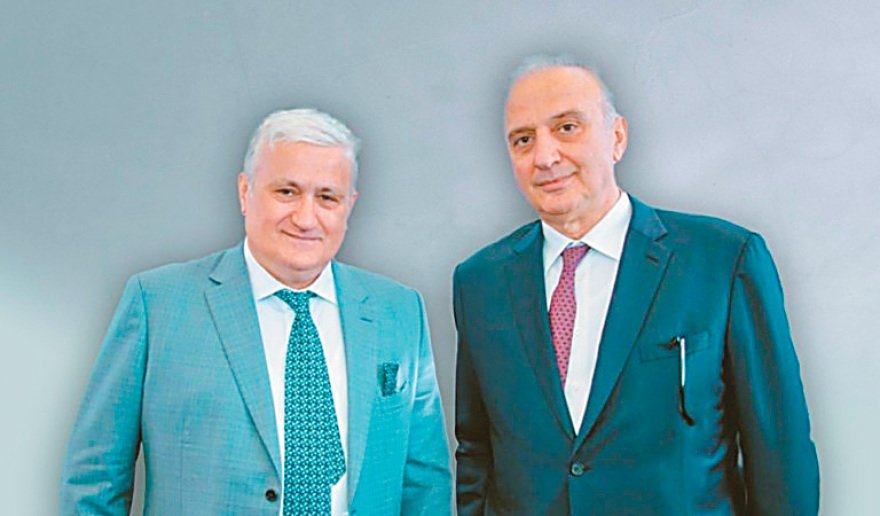
From TYRAS of Trikala, Takis and Michael Sarantis managed in about two decades to create the largest Greek dairy industry, with the next generation of the family now having an active role in management. In the yogurt, the Greek Dairyhouses have one of the broadest portfolios of the market, as under the same umbrella are Olympus, Dodoni, Rodopi and AGO, brands with different history, geographical origin and placement on the shelf.
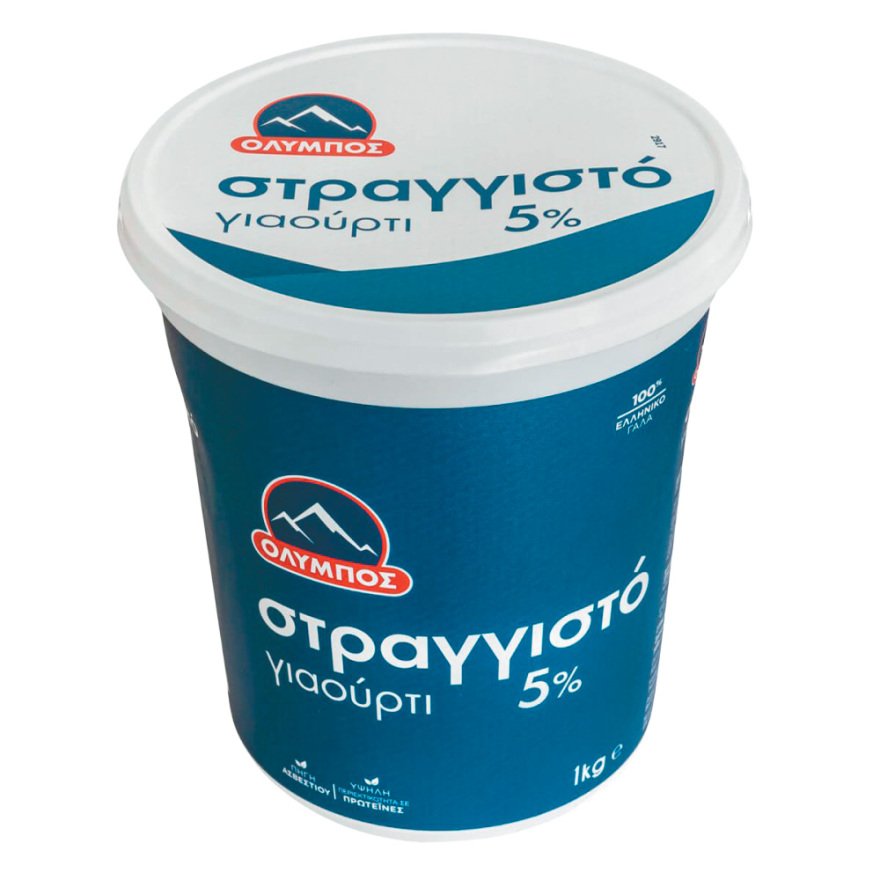
The current strength of the group was built through organic growth and successive acquisitions in Greece and abroad. Among them stand out two agreements with Vivartia: the acquisition of United Milk in Bulgaria and later Dodoni, which greatly enhanced his impression and on the Greek yogurt market.
The relationship with Vivartia may also be continued. Sarant brothers are reportedly having held discussions about the Delta, without so far an agreement. Since such a deal went ahead, it would create an even stronger pole in the Greek milk and milk market, significantly altering today's balance.
The size of the group gives the measure of the route. In 2024 the Greek Dairys recorded a turnover of 654.1m euros, EBITDA about 93m euros and net profits of 33.6m euros, with about 60% of sales coming from abroad.
Philippi Family – FAGE
The Battle of the Pioneer
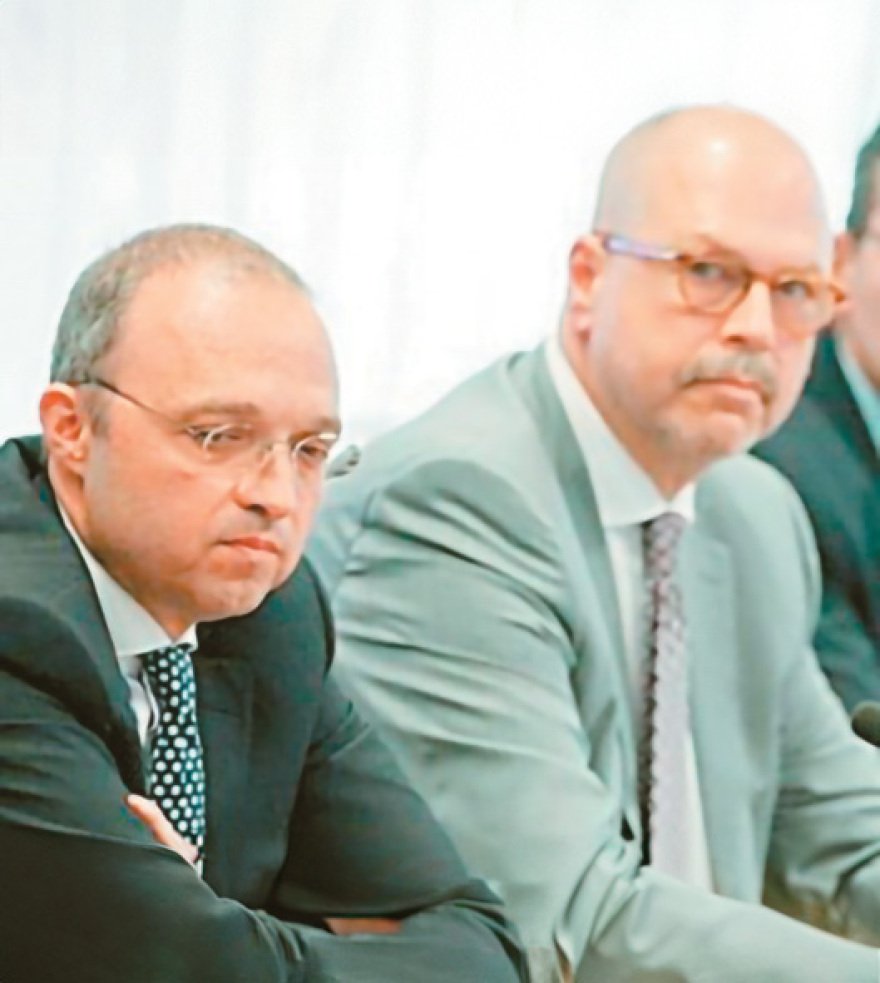
FAGE is the company that essentially created the category of drained yoghurt and paved the way for what later evolved internationally into Greek yoghurt. Today, however, the picture in the Greek market is different from that which had been identified for decades with its primacy, as competition has been strengthened and balance has changed.
Athanasios-Kyros Philippou, as vice president, and Athanasios Philippou, as CEO, remains president of the company. The Greek company continues to be a key productive arm of the international group. In 2025 the turnover of FAGE Greece amounted to EUR 205,6 million, of which around EUR 130,4 million related to exports to companies in the group abroad, leaving around EUR 75,2 million to the remaining sales.
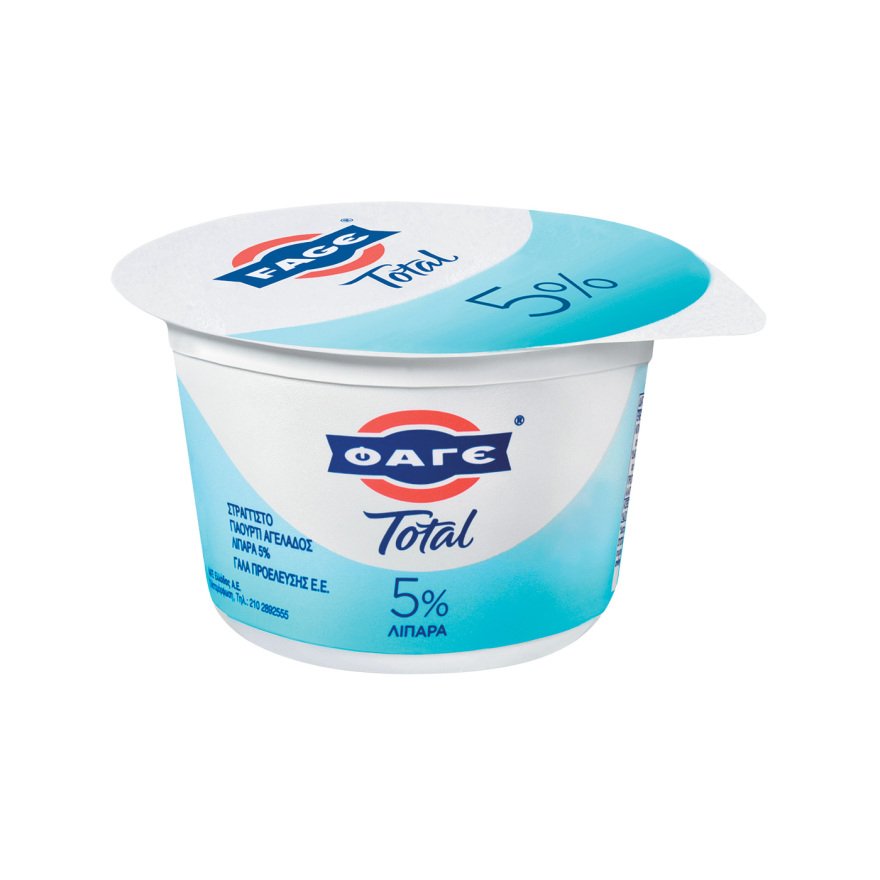
International presence remains the great advantage of FAGE, with a production unit in the US and the brand having long gained strong recognition in foreign markets. In Greece, however, the company is now asked to defend its position in a market that is growing again, but also becomes more competitive. At this juncture came the EUR 1,76 million fine for breach of the margin of profit, which added another parameter to an already demanding period.
Panagiotis Tsinavos – Kri Kri
He's running ahead of demand.
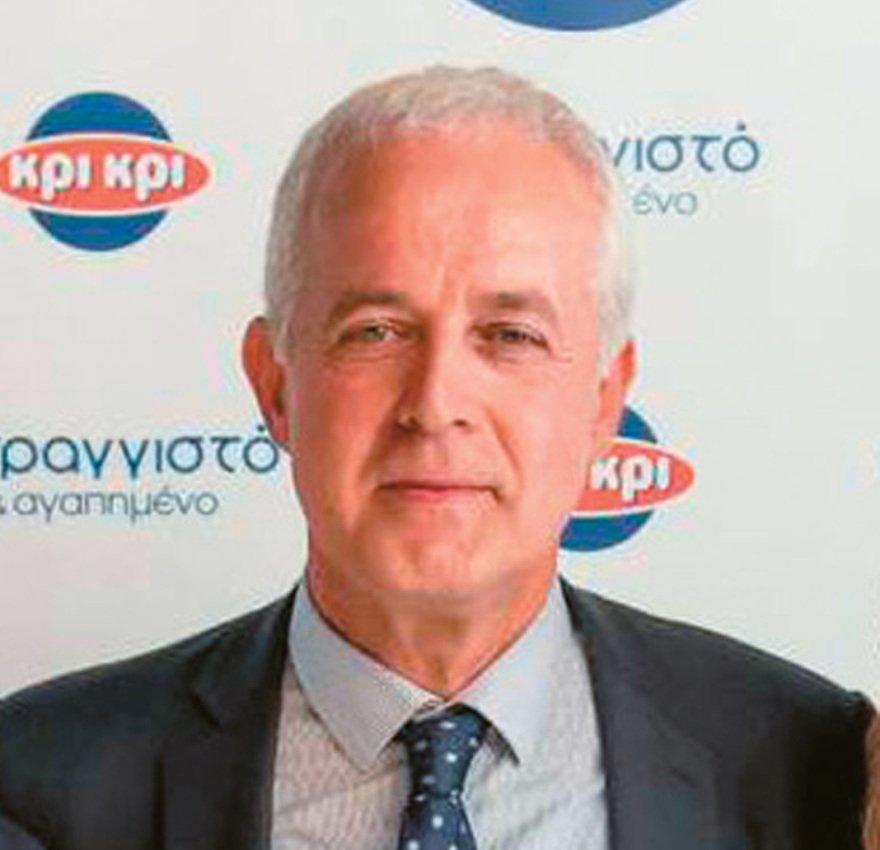
For Kri Kri the problem today is rather pleasant: the demand for yogurt is increasing faster than its production capacity. The serraic industry has turned into one of the country's largest yoghurt producers, while having a strong presence on the private label in both Greece and international markets.
Sizes reflect the extent of transformation. Of Cree’s total turnover of EUR 328.8 million By 2025, the EUR 271.5 million came from the dairy sector, which primarily concerns yogurt and to a much lesser extent fresh milk. Of these, EUR 83.3 million concerned the Greek market and EUR 188.2 million on foreign markets. Ice cream added another 54.7m euros to the company's sales.
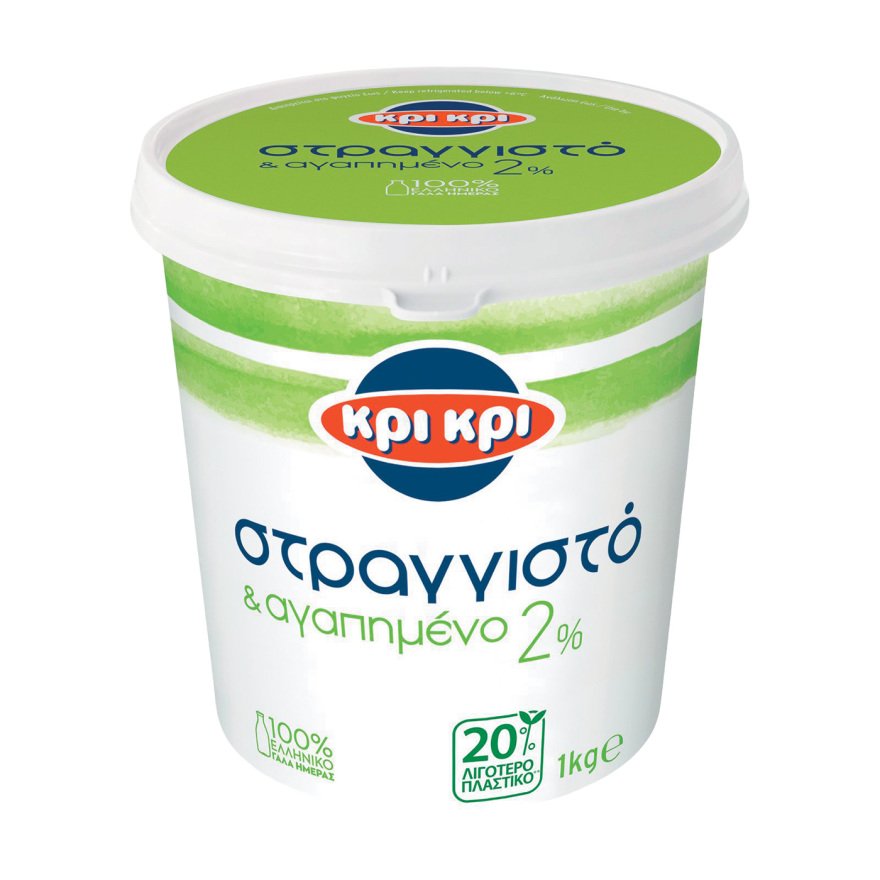
The dynamics continue in 2026. Only in the first quarter did milk sales reach 82.7m euros, with 62.5m euros coming from abroad and 20.3m euros from Greece. The management has already moved on to a new investment cycle to increase production capacity, as exports are the key lever of the next development phase.
Panayiotis Tsinavos remains at the wheel, but the next generation now has a more active role. His son has taken office as deputy CEO, while his daughter Natasha Chinavu is active in the company. This transition coincides with a period when Kri Kri attempts to turn the great international demand for Greek yogurt into an even larger productive scale.
Konstantinos Valiadis – DELTA
At the crossroads
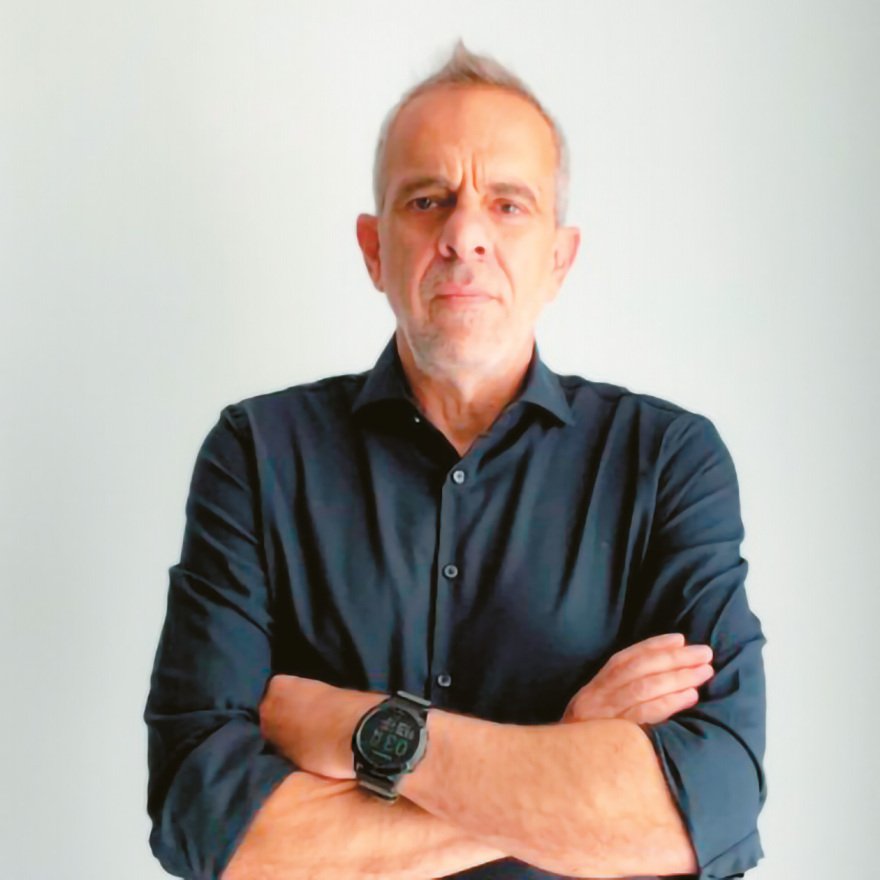
The new battle in the yoghurt market finds Delta at a particular juncture. On the one hand, the historic dairy industry claims its place on the shelf, having turned part of its portfolio towards the categories that grow faster, with a peak of protein. On the other hand, the much larger issue of the next day of its ownership remains open. At the company's helm is CEO Constantine Valiadis.
As part of the gradual divestment of CVC by Vivartia, the brothers Takis and Michalis Sarantis of the Greek Dairyhouses are reported to have gone on to discuss Delta, without so far an agreement. Since such a deal was moving forward, it would significantly change the balance in the Greek milk industry, as the Sarantides have already acquired from Vivartia United Milk in Bulgaria and Dodoni.
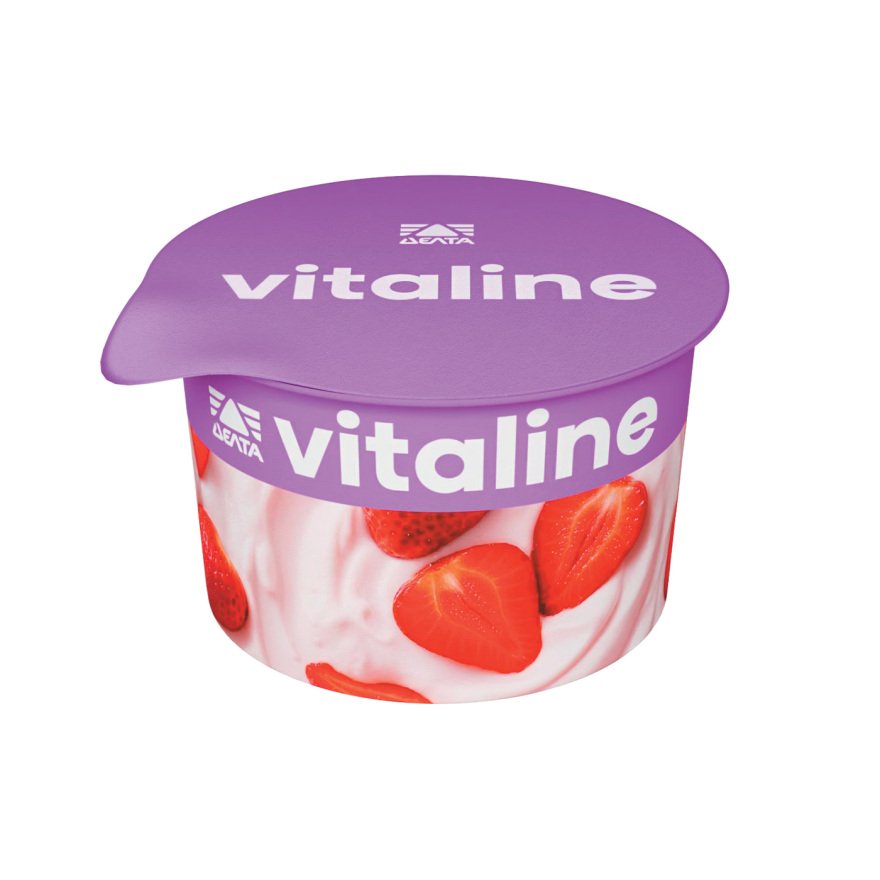
In yogurt itself, DELTA has chosen to bet particularly on new consumption trends. Vitaline is a spike and in particular the protein class, where it has developed a range of products and protein desserts. The range was further enriched with new Vitaline Protein Desserts of 20 grams of protein, a choice that becomes more important today, as NielsenIQ data show that high protein products are one of the fastest growing market segments.
As an indication of its total size, the ELTA group recorded in 2024 sales of 291 million euros, increased by 6.1%, and EBITDA 18.4 million euros.
Konstantinos Magigoros – FrieslandCampina Hellas
Greek passport
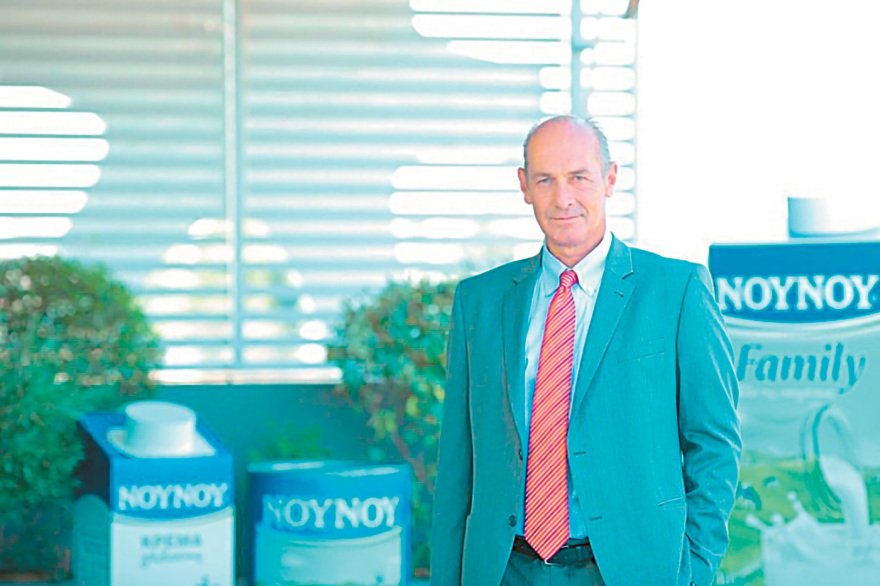
Για τη FrieslandCampina Hellas, με επικεφαλής τον Κωνσταντίνο Μαγγιώρο, το γιαούρτι αποκτά πλέον διπλό ρόλο: αποτελεί ένα από τα βασικά πεδία της μάχης στην ελληνική αγορά, αλλά ταυτόχρονα εξελίσσεται σε νέο εξαγωγικό μοχλό για την εταιρεία. Και αυτό έχει ιδιαίτερη σημασία για μια πολυεθνική, καθώς η ελληνική θυγατρική αρχίζει να αξιοποιεί το διεθνές δίκτυο του ίδιου του ομίλου για να στείλει ελληνικό γιαούρτι στις ευρωπαϊκές αγορές.
Η αλλαγή αποτυπώθηκε καθαρά το 2025. Η FrieslandCampina Hellas αύξησε τις πωλήσεις της κατά 5,4 εκατ. ευρώ και η ίδια η διοίκηση αποδίδει την άνοδο κυρίως στις πωλήσεις γιαουρτιού προς εταιρείες του ομίλου στην Ολλανδία και την Ουγγαρία. Αντίθετα, οι πωλήσεις προς τρίτους υποχώρησαν κατά 1 εκατ. ευρώ.
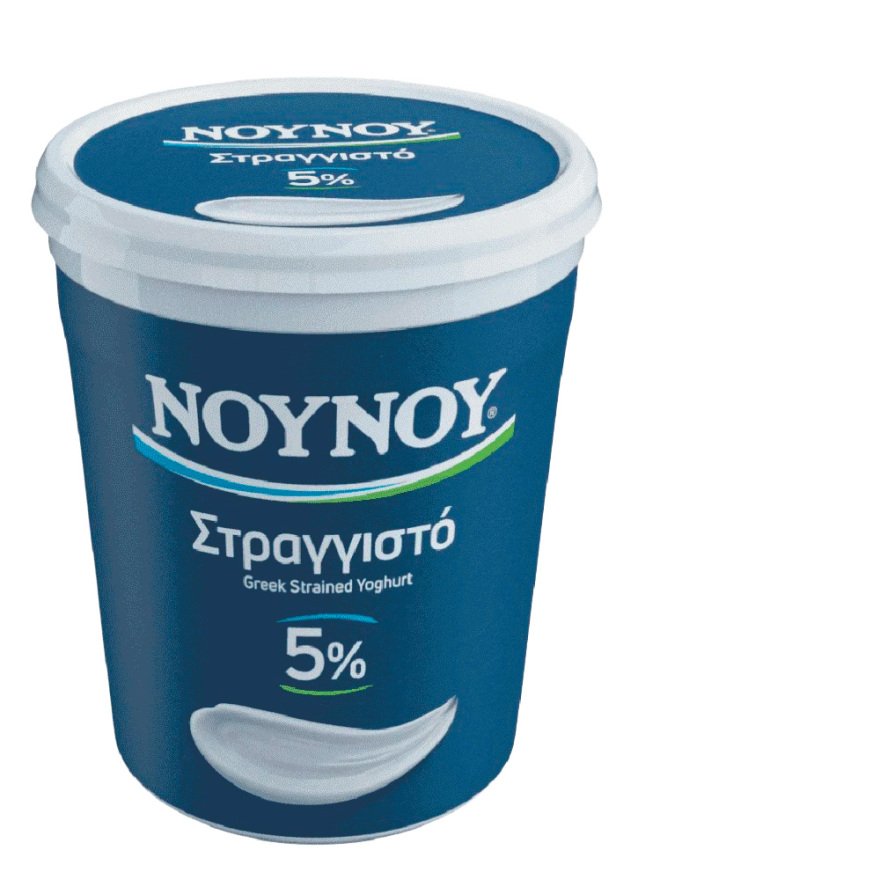
Στο επίκεντρο βρίσκεται το εργοστάσιο της Πάτρας, η παραγωγική βάση της εταιρείας στην Ελλάδα, όπου παράγονται μεταξύ άλλων τα γιαούρτια ΝΟΥΝΟΥ. Ετσι, μια μονάδα που επί χρόνια ήταν συνδεδεμένη πρωτίστως με την εγχώρια αγορά αποκτά πλέον ευρύτερο ρόλο, τροφοδοτώντας και το ευρωπαϊκό δίκτυο της FrieslandCampina.
Η στροφή αυτή έρχεται σε μια περίοδο κατά την οποία ο ανταγωνισμός στην Ελλάδα εντείνεται όχι μόνο μεταξύ των μεγάλων επώνυμων παικτών, αλλά και από την αυξανόμενη διείσδυση των private label, την οποία η ίδια η εταιρεία αναγνωρίζει ως παράγοντα πίεσης για τον κλάδο.
Σε επίπεδο οικονομικών μεγεθών, η FrieslandCampina Hellas κατέγραψε το 2025 πωλήσεις 341,5 εκατ. ευρώ, αυξημένες κατά 1,61%, EBIT 3,5 εκατ. ευρώ και καθαρά κέρδη 3,3 εκατ. ευρώ.
Κωνσταντίνος Παπαδόπουλος-Χατζάκος – ΜΕΒΓΑΛ
The big bet
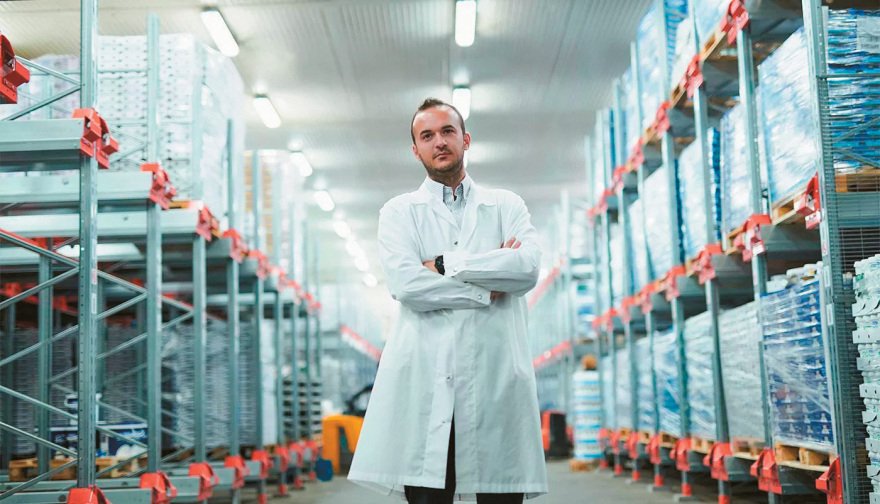
Η ΜΕΒΓΑΛ ετοιμάζεται να ανεβάσει σημαντικά το ποντάρισμά της στο γιαούρτι. Η βορειοελλαδίτικη γαλακτοβιομηχανία έχει βάλει μπροστά το μεγαλύτερο επενδυτικό σχέδιο της ιστορίας της, με αιχμή τη δημιουργία νέας πρότυπης μονάδας γιαουρτιού στα Κουφάλια.
Και αυτή η νέα φάση βρίσκει πλέον πιο ενεργά στο τιμόνι τη νέα γενιά της οικογένειας. Ο Κωνσταντίνος Παπαδόπουλος-Χατζάκος, εγγονός του ιδρυτή Κωνσταντίνου Χατζάκου, έχει αναλάβει καθήκοντα διευθύνοντος συμβούλου, με τη Μαίρη Χατζάκου να παραμένει πρόεδρος.
Το MEVGAL Dairy Future πέρασε ήδη ένα κρίσιμο ορόσημο, καθώς τον Μάιο ολοκληρώθηκε η αξιολόγησή του στο πλαίσιο του Ταμείου Ανάκαμψης και υπεγράφη η σχετική δανειακή σύμβαση. Η επένδυση έρχεται να αυξήσει τις παραγωγικές δυνατότητες της ΜΕΒΓΑΛ σε μια περίοδο κατά την οποία το αυθεντικό ελληνικό γιαούρτι κερδίζει έδαφος διεθνώς. Η ίδια η εταιρεία το τοποθετεί, μαζί με τη φέτα, μεταξύ των σημαντικότερων εξαγωγικών κατηγοριών της.
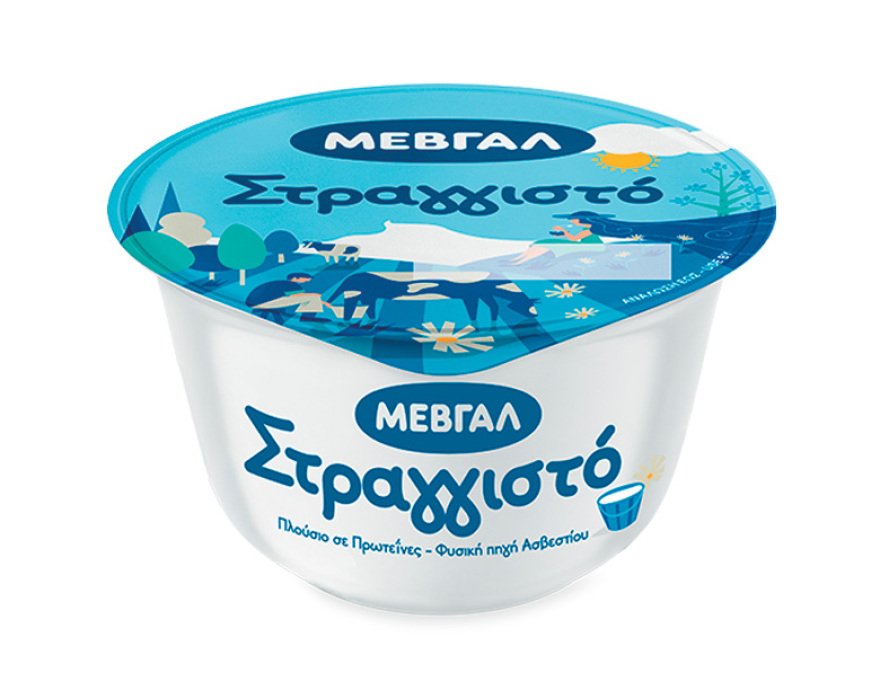
Ηδη το εξωτερικό τρέχει ταχύτερα από την εγχώρια αγορά. Το 2025 οι εξαγωγές της ΜΕΒΓΑΛ αυξήθηκαν κατά 15,48% σε αξία, έναντι αύξησης 2,71% των πωλήσεων στην Ελλάδα. Στο μετοχικό σχήμα παραμένει παράλληλα ο Σπύρος Θεοδωρόπουλος ως βασικός μέτοχος.
Η νέα επενδυτική περίοδος ξεκινά έχοντας πλέον ξεπεραστεί και το ορόσημο των 200 εκατ. ευρώ: το 2025 ο κύκλος εργασιών διαμορφώθηκε στα 206,7 εκατ. ευρώ, με EBITDA 20,3 εκατ. ευρώ.

