
Oil prices have declined to the lowest levels in the last three months, as the US-Iran agreement appears to be despite any «up and down» and «Shadows» - Closer than ever.
Donald Trump said the two sides are close to an agreement to end the conflict and reopen the Straits of Hormuz, strengthening optimism in the markets.
Brent retreated up to 2%, reaching close to $88 a barrel, at the lowest level since early March. This is an impressive change considering that in April, after the outbreak of the war and the substantial closure of the Straits of Hormuz, prices had touched $120 a barrel.
The paradox is that, despite the biggest disruption in the world oil market for years, the market has not been led to uncontrolled price ejection.
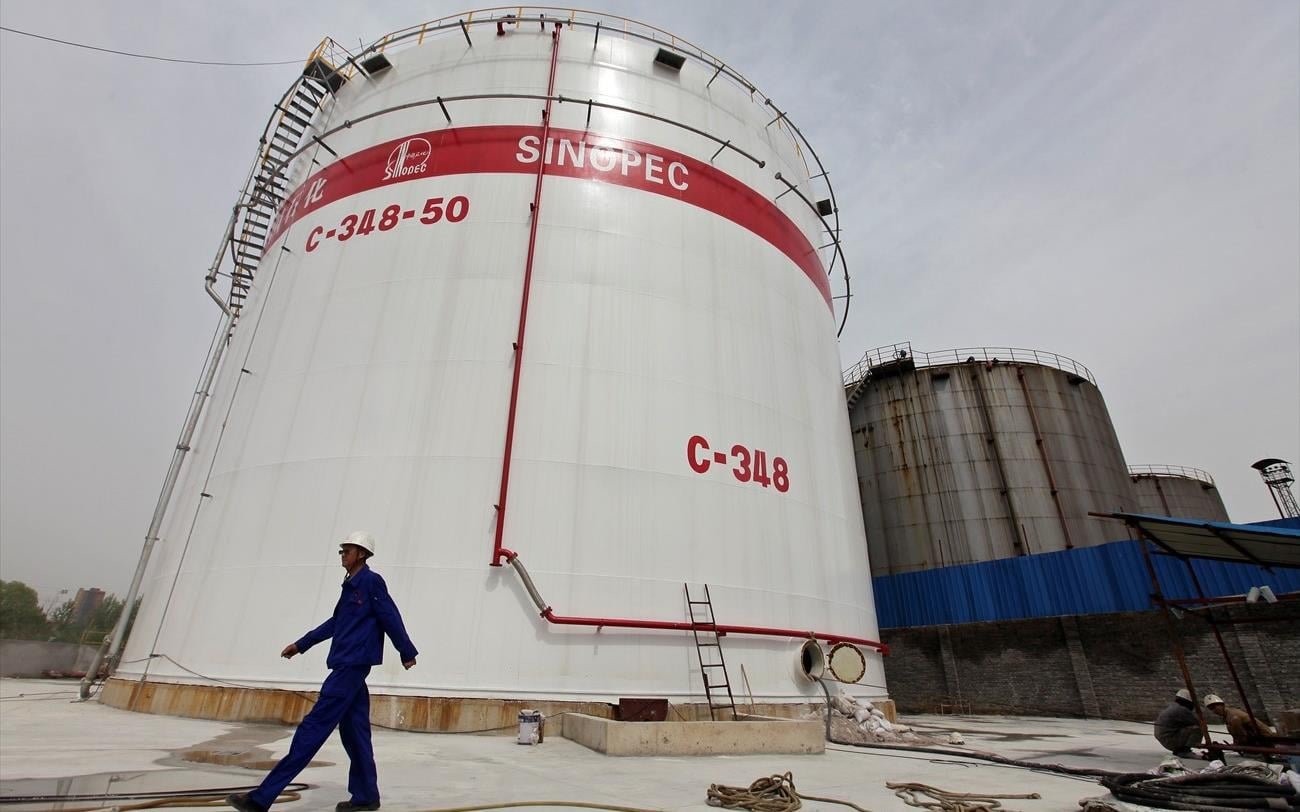
China «He disappeared.» 3 million barrels per day
The most important factor is weak Chinese demand. Official evidence suggests that China introduced in May just 7.8 million barrels of oil daily, compared to around 11 million barrels in previous years.
This is the lowest level of almost eight years. In other words, about 3 million barrels daily have disappeared from global demand – an amount that corresponds to the total oil consumption of Italy and France together.
This development worked as a natural «brake» prices.
Analysts and traders nevertheless point out that the crucial question is how long this retreat will last. If China returns dynamically to the markets, the balance can change quickly.
The Trump Factor
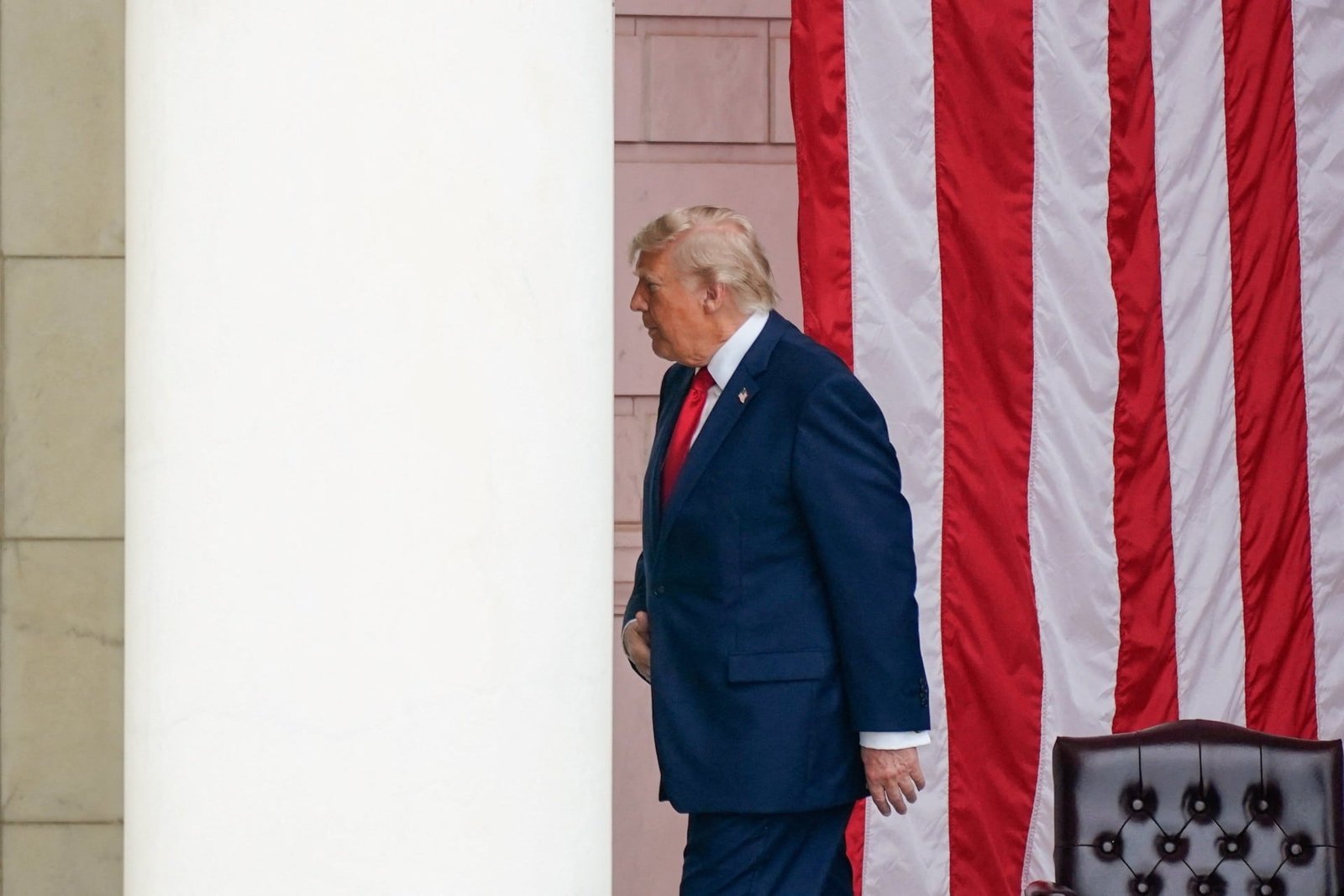
Markets have also learned that it is not easy to bet against the American president.
Throughout the crisis, Trump intervened almost daily through statements and posts on social networks, often announcing progress in negotiations or removing the possibility of a new military escalation.
These interventions have repeatedly functioned as a mechanism for price deescalation.
As market players note, many investors now avoid maintaining large positions in oil even for a weekend, fearing a new Trump announcement that could overturn the data within a few hours.
REUTERS/Nathan Howard
The tankers have returned – whether or not «Deleted»
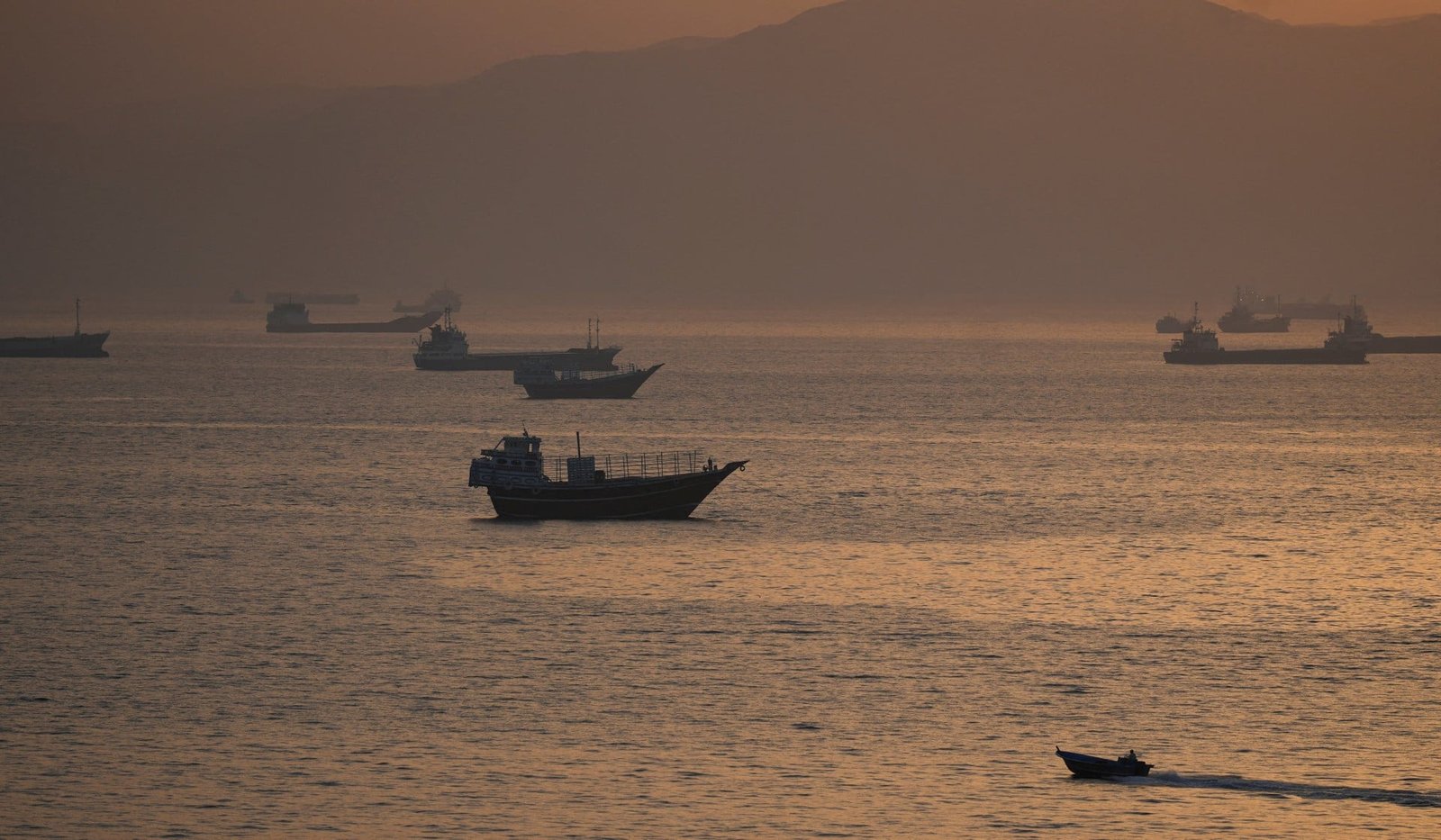
Another reason why the market did not panic is that oil flows from the Persian Gulf have gradually begun to be restored.
Since early May about 100 million barrels of non-Iran oil have passed through the Straits of Hormuz to international markets.
The quantity remains much lower than about 15 million barrels a day traded before the war, but is significantly higher than April levels.
An important part of this transport was carried out by ships travelling «in the dark», with disabled tracking systems and without transmitting an AIS signal to reduce the risk of attack.
Some tankers maintained parallel communication with the U.S. Army during their passage through the area.
REUTERS/Stringer
The world is less dependent on oil
The crisis also found the world economy more durable than previous decades.
Over the last 25 years, developed economies have significantly improved their energy efficiency.
In the United States and Europe the amount of energy required for the production of one dollar of GDP has decreased by about a third since 2000. In China the reduction is 40%.
This means that the global economy can now withstand higher energy prices without immediately sinking into recession.
At the same time, many governments activated support mechanisms for households and businesses, limiting the impact of energy shock.
The new roads of oil
The market now has alternative routes that did not exist in the past.
Saudi Arabia uses East-West Pipeline pipeline to transport oil directly to Red Sea, bypassing the Straits of Hormuz.
Αντίστοιχα, τα Ηνωμένα Αραβικά Εμιράτα αξιοποιούν τον αγωγό Χαμπσάν–Φουτζάιρα, ενώ σχεδιάζουν και δεύτερη γραμμή που θα τεθεί σε λειτουργία το 2027.
Συνολικά, οι εναλλακτικές αυτές υποδομές μπορούν να μεταφέρουν σχεδόν 9 εκατ. βαρέλια ημερησίως χωρίς να χρειάζεται διέλευση από το στρατηγικό πέρασμα.
Την ίδια στιγμή, το Ιράν εξετάζει τη μεταφορά πετρελαίου προς την Κίνα και μέσω σιδηροδρομικών δικτύων που συνδέουν την Τεχεράνη με τις κινεζικές πόλεις Γιγού και Σιάν.
Ο μεγάλος κίνδυνος δεν έχει φύγει
Παρά τη σημερινή ψυχραιμία των αγορών, οι πετρελαϊκές εταιρείες προειδοποιούν ότι οι κίνδυνοι παραμένουν. Έτσι ενώ μπορεί να δούμε προσωρινά τις τιμές, στον απόηχο μίας συμφωνίας να διολισθαίνουν κοντά στα 80 δολάρια το βαρέλι, οι συνθήκες δεν επιτρέπουν εφησυχασμό.
Τα παγκόσμια αποθέματα πετρελαίου μειώνονται σταθερά και πλησιάζουν σε επίπεδα που ιστορικά έχουν οδηγήσει σε απότομες αυξήσεις των τιμών.
Οι χώρες του ΟΟΣΑ αναμένεται να δουν τα συνολικά αποθέματα υγρών καυσίμων να υποχωρούν κάτω από τα 2,3 δισ. βαρέλια έως το τέλος του έτους, στο χαμηλότερο επίπεδο από το 2003.
Παράλληλα, το στρατηγικής σημασίας κέντρο αποθήκευσης του Κούσινγκ στην Οκλαχόμα πλησιάζει σε κρίσιμα χαμηλά επίπεδα.
Για τον λόγο αυτό αρκετοί παράγοντες της αγοράς θεωρούν ότι η σημερινή ηρεμία μπορεί να αποδειχθεί προσωρινή.
Ο Νιλ Τσάπμαν, ανώτερος αντιπρόεδρος της Exxon Mobil, προειδοποίησε πρόσφατα ότι όταν τα αποθέματα υποχωρήσουν κάτω από ένα συγκεκριμένο όριο, οι τιμές του φυσικού πετρελαίου θα μπορούσαν να κινηθούν ακόμη και προς τα 150 ή 160 δολάρια το βαρέλι.
Με άλλα λόγια, η αγορά δεν φοβάται πλέον μια άμεση πετρελαϊκή κρίση. Αλλά εξακολουθεί να φοβάται ότι η επόμενη μπορεί να βρίσκεται πολύ πιο κοντά απ’ όσο δείχνουν σήμερα οι τιμές.
preferred source on Google
To show more articles by Maritime in your searches easily and quickly, you must add the site to your preferred sources. You can do it by going Here..

