
The stocks of crude oil of the world's second largest economy increased from 92 import days in 2023 to 115 days in early 2026.
China acted as the key stabilizing factor of the global economy after the outbreak of the war with Iran, according to its economists European Central Bank (ECB), who estimate that huge oil reserves, rapid electrification and diversification of the country's energy mix prevented a new international energy crisis equivalent to or more serious than that of 2022.
In their analysis, its economists ESF They note that the «extended storage» crude oil from Beijing, turning towards electric vehicles and reduced consumption of petrochemical products contributed to the rise in oil prices and gas After the US-Israeli attack on Iran in late February to remain «comparatively limited».
The report is of particular importance as it comes from the report itself. ESF at a time when European economies still face high energy costs, weak growth and increased market uncertainty
Chinese reserves as a shield
The report notes that the stocks of crude oil of the world's second largest economy increased from 92 import days in 2023 to 115 days in early 2026.
According to ECB analysts, this increase helped to absorb some of the supply losses, which are multiple of those caused by the Russian invasion of Ukraine in 2022.
The importance of the Chinese stock is double: on the one hand it limits the need for direct purchases from the international market in times of crisis, on the other hand it acts as a stabilising psychological factor for investors and energy trading companies.
Much bigger shock than Ukraine
According to the report, the war with Iran has removed about 14 million barrels daily from global oil supply, i.e. about 14% of world production.
On the contrary, following the Russian invasion of Ukraine, supply losses amounted to around 1 million barrels a day or only 1% of world production.
Despite this great difference, the two crises caused almost a similar increase in energy prices.
At the beginning of June oil was approximately 29% higher than pre-war levels, versus a peak of 30% after Russia's invasion.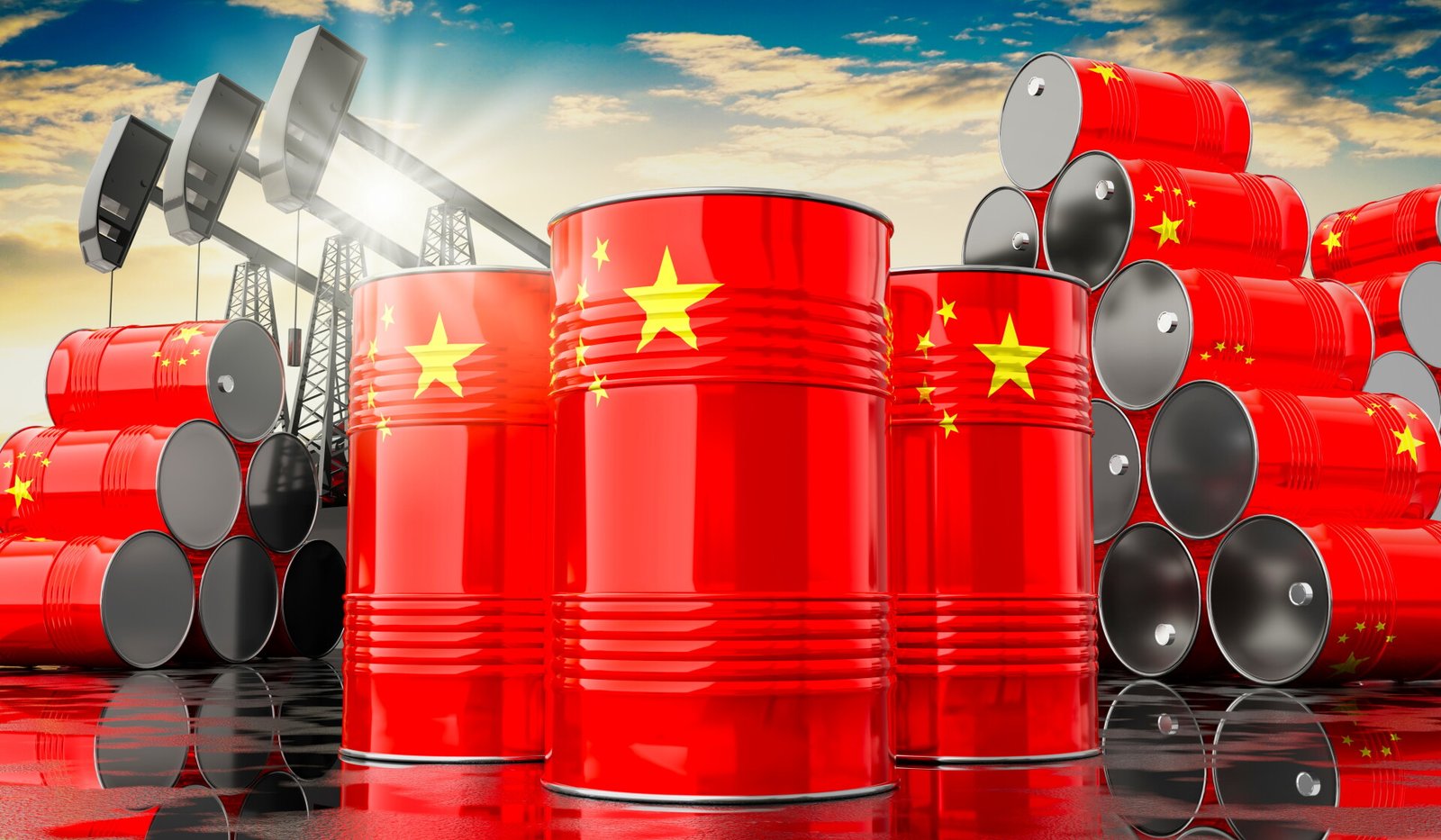
Electrification changes rules
Particular emphasis is placed on the role of electrokinesis.
The China, which is the largest electric vehicle market in the world, has significantly reduced its dependence on transport fuels.
The rapid penetration of electric cars, buses and trucks limits the gas and diesel demand, While strengthening renewable energy sources and nuclear production gradually reduces the need for imported oil and gas.
The ESF It considers that this structural change in the Chinese economy now has global consequences, as China represents much of international energy demand.
The additional factors that held prices
Its economists ESF, notes Euractiv, point out that they also contributed to de-escalation the increased production of shale oil in the US, the releases of strategic oil reserves from western countries and the conviction of investors that the conflict will be resolved relatively quickly.
The analysis is published at a time when tensions between the US and Iran have retreated, as both sides have suspended mutual attacks after the collapse of the recent truce.
Oil retreats, but the danger remains
The Brent He was negotiating Tuesday at $86 a barrel, after last week he had exceeded $100.
At the same time, its yields German 10-year bond They retreated to 3.13% from high 15 years to 3.21%.
Hormuz, the great risk to markets
The war has caused serious damage to its energy infrastructure Middle East and led Tehran to its closure Hormuz Strait, from where about one fifth of the world's energy supply passed before the conflict.
Οι αναλυτές της ΕΚΤ εκτιμούν ότι μια διαρκής επαναλειτουργία των Στενών θα μπορούσε να ασκήσει σημαντικές πτωτικές πιέσεις στις τιμές της ενέργειας.
Ωστόσο προειδοποιούν ότι οι συνθήκες στα Hormuz narrows και, κατ’ επέκταση, στις παγκόσμιες ενεργειακές αγορές παραμένουν εξαιρετικά ασταθείς.
«Ένα παρατεταμένο κλείσιμο θα εξαντλούσε σταδιακά τα διαθέσιμα αποθέματα και θα ανάγκαζε τις αγορές να εγκαταλείψουν την προσδοκία μιας γρήγορης λύσης, αυξάνοντας τον κίνδυνο νέας ανοδικής πίεσης στις τιμές», καταλήγει η έκθεση.
Τι σημαίνει για την Ευρώπη
Η ανάλυση της ESF εμπεριέχει και σαφές μήνυμα προς την Ευρώπη.
Εάν η China δεν διέθετε τόσο μεγάλα αποθέματα και δεν είχε μειώσει τόσο γρήγορα την ενεργειακή της εξάρτηση, η Ευρώπη θα αντιμετώπιζε πιθανότατα πολύ υψηλότερες τιμές πετρελαίου, ισχυρότερες πληθωριστικές πιέσεις και μεγαλύτερη ανάγκη για αυστηρή νομισματική πολιτική.
Με άλλα λόγια, η ESF αναγνωρίζει εμμέσως ότι η ενεργειακή στρατηγική του Πεκίνου δεν επηρέασε μόνο την κινεζική οικονομία αλλά λειτούργησε ως παράγοντας σταθερότητας για ολόκληρο το διεθνές οικονομικό σύστημα.
Η παγκόσμια οικονομία απέφυγε μέχρι στιγμής ένα νέο ενεργειακό σοκ όχι επειδή ο πόλεμος με το Ιράν ήταν περιορισμένος, αλλά επειδή η Κίνα είχε προετοιμαστεί εγκαίρως για ένα πολύ μεγαλύτερο σοκ.
www.bankingnews.gr

