
This summer he finds the big ones breweries in a battle that the Greek market had not seen for several years with such intensity. On their shelves supermarket offers have returned dynamically and the four major players have selected specific labels, with which they claim larger volumes, shares and cash flows.
The Olympic Brewery has put FIX on the front line, the Athenian Brewery Amstel - even going to reduce catalogue prices - but also ALFA through offers, the Macedonian Brewery of Thrace, Vergina and the Greek Brewery of Atalantis, Pils.
The intensity of the battle is not accidental. The exclusive data processed for the «business stories» Helen Stathis, Customer Success Consultant of NielsenIQ, show that the market is for the second year on negative ground and that the fall is accelerating. In 2025 sales beer on the channels monitored by the company decreased by 2.2% in volume and 1.6% in value, to 146.2 million litres and 427.8 million euros. In the first half of 2026 the decline reached 4.9% in volume and 3.7% in value, with sales at 67.2 million litres and 197.2 million euros.
Within this smaller pie, each company chooses the brands with which it wants to gain a larger piece without horizontal price reductions across its portfolio. And while the commercial confrontation is intensifying, in the background it remains open and a different front: the perennial judicial confrontation with the Athenian Brewery and the Heineken mother, which Olympic Brewery and the Macedonian Brewery of Thrace have transferred to the Dutch courts.
On the shelf
Why the battle manifests itself with such tension on the shelf is also explained by NielsenIQ. In 2025 supermarkets moved against the total drop with an increase of 1.3% in volume and 2.4% in value. In the first half of 2026 they also pass on negative soil, but still show greater tolerance: sales decline 2.7% in volume and only 0.6% in value, compared to a drop of 8.6% and 7.4% respectively in traditional retail trade.
Supermarkets now account for 63% of the volume and 54% of the value of sales on the channels monitored by NielsenIQ. In a market that loses volume, the most durable large channel is thus made and a key field of claim for shares. Geographical exception to this year's fall are island regions, where sales increased 2.5% in volume and 4.4% in value, performance that NielsenIQ connects with tourist activity.
The pie.
The stakes are far from small. According to the IOBE study, around 421 million litres of beer were consumed in Greece in 2024, totalling 2.49 billion euros at final consumer prices. In volume, the market was almost equally divided between retail and HORECA.
In value, however, the image is completely different: Only 581m euros or 23% corresponded to retail, compared to 1.91 billion euros or 77% to on-site consumption. That is why HORECA remains the great prize for breweries despite the current tension of the war on the shelf.
HORECA
Behind today's picture is a deeper change. In 2000 about 69% of total beer consumption was in the on-the-spot consumption, while in 2024 the rate had declined close to 51%. During the same period retail volumes increased about 60%, while those of HORECA declined significantly.
And that despite the spectacular development of tourism. IOBE estimates that foreign visitors account for about 10% of total beer consumption in volume, with tourist demand now strengthening retail. Thus, HORECA has lost a significant part of its volumes, but remains by far the most important value creation channel.
Without alcohol
At the same time, the fall in the market hides categories that move at completely different speeds. According to NielsenIQ's analysis, lagers still dominate with about 82% of the volume, but in the first half their sales decreased by 6.2%, while pilsners were strengthened by 1.1%, exceeding 15%.
But the big winner is beer without alcohol. Its sales increased 10.5% in volume and 12.8% in value, with its share reaching 6.5% of volume from 5.6% a year ago. In supermarkets the rates are even higher, +11.2% and +14.3% respectively.
In the opposite direction the private label beers move, with a drop of 15.8% in volume and 16.2% in value. The major offers of the brands now limit the price distance from private labels. As Mrs Stathis points out in her analysis, the market may lose total volumes, but at the same time it is transformed, with greater emphasis on diversification, quality, innovation and higher added value products.
Pressures
2024 was a particularly strong year, with the total consumption recorded by IOBE rising by 6.2%, approaching levels before the economic crisis. The reversal of the image from last year has not only one explanation. Available income, prices, pressure on focus, changes in consumer habits and the way tourists are consumed, competition of other drinks and seasonality make up the environment.
In the equation the weather is added: After the particularly hot 2024, both last year and this summer have so far a more volatile image.
The turnover of production companies in the industry was at EUR 626 million in 2024, which should not be confused with EUR 2.49 billion of the final market, including trade and focus margins and taxes. At the same time, the net profit margin of the industry had been limited to 10.5% versus historical levels 14%-15%. Companies thus pursue volumes and shares through offers over a period of lower margins.
Brands
Market change is also reflected in brands themselves. Greek brands accounted for only 10% of consumption in 2000, while 2024 had reached about 70%, while brands with a recorded share increased from 39 to 99. The largest brand had about 56% of the market in 2000, compared to only 28% in 2024. Amstel, then at the top, has lost 46 percentage points at a depth of 25 years, while first is ALFA and second is Myth.
New Fields
Large brewery groups are now looking for new sources of development, expanding their portfolios for ready-to-eat drinks and new proposals with or without alcohol. Shortly after World Beer Day, the traditional «war» has more fronts: price, shares, HORECA, retail, alcohol-free products and new categories of drinks.
At the centre are four companies that cumulatively control about 92% of the Greek market: Athens Brewery, Olympic Brewery, Greek Brewery Atalanti and Brewery of Macedonia Thrace.
Each, however, arrives at this year's battle from a different start and with a different plan for the next day.
Market in 2026
-4.9% sales in volume in the first half
- 3.7% in value
-2.7% sales volume in supermarkets
-0.6% in value
+10.5% beer without alcohol in volume
+12.8% in value
-15.8% sales private label in volume
63% share of supermarkets in volume*
+2.5% sales volume in the islands
+4,4% in value
The beer market pie*
€2.49 billion total market value
421 million litres total consumption
77% of value created in HORECA
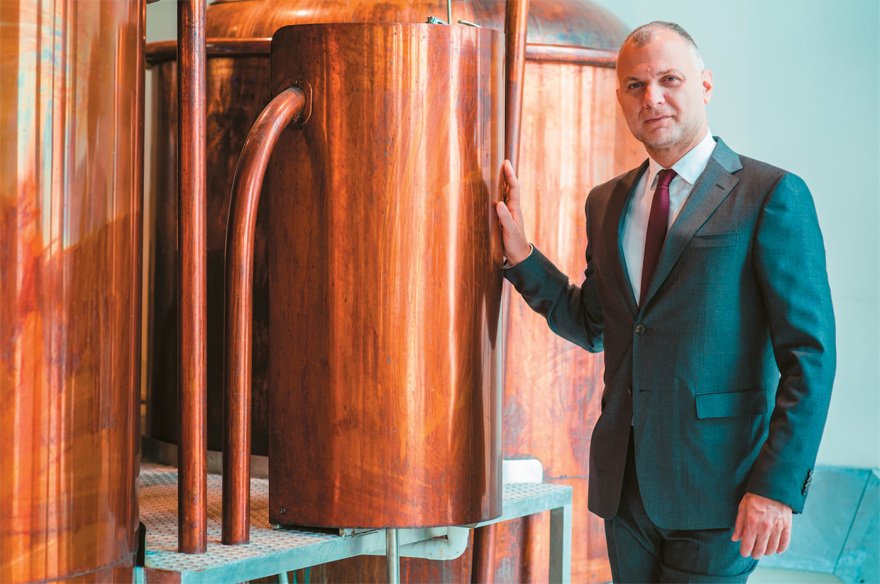
Alexander Danielidis, Athens Brewery
The champion returns to battle
At a particularly demanding time for buying beer, the Athenian Brewery fights to defend its leadership position while in a transitional period in its administration. Sebastian Sanchez's sudden departure about 15 months after taking office brought Alexander Danielides back to the wheel, one of the most successful managers who have gone through the company. His previous term was linked to long-term high profitability and then he was upgraded to Heineken, where he is currently Managing Director G9 Europe, overseeing nine markets. From 24 July he also took over as president and CEO of Athens, as a transitional solution until Sanchez's permanent successor was chosen.
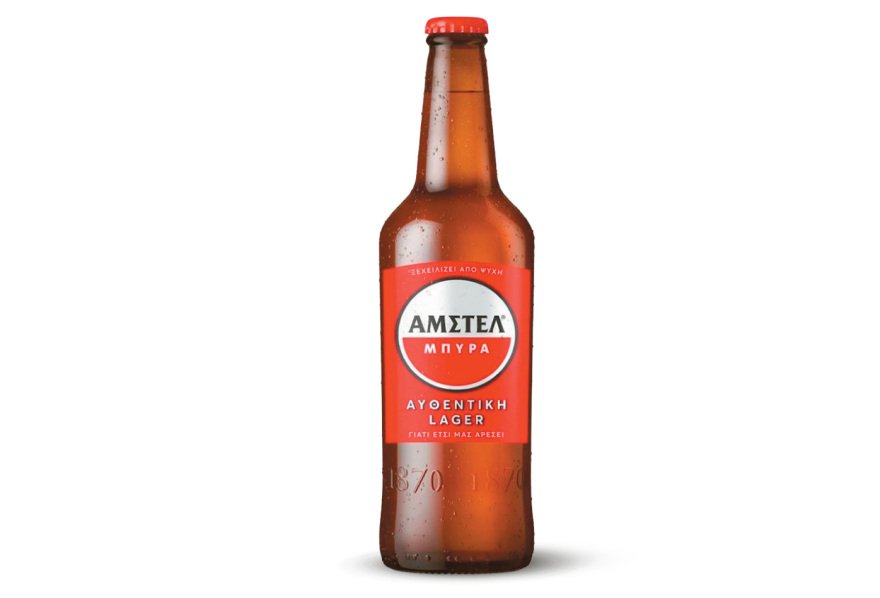
This year's trade strategy is already under way. Since the beginning of the year the company has placed weight on the affordable price, reducing Amstel 33cl's catalogue price, while ALFA has been actively involved in the battle of offers. At the same time, Fürstenbräu strengthens its presence in the economic category and especially in off-trade, while in alcohol-free products Athens invests in the series «Without» and the new non-alcoholic «Chicky».
On the investment front, more than 60m euros have been directed over the last decade at the Patras plant, which in 2025 was second in productivity among the 52 Heineken plants in Europe. The first solar thermal park of an industrial scale in Greece, with a capacity of 5.75 MW, will also be developed, which will cover up to 25% of the thermal needs of the plant.
At economic performance level, the latest published data relate to the use of 2024, when the Athenian Brewery recorded sales of 480.6m euros and net profits of 49.8m euros, while a dividend of 43.8m euros was approved for this use. In the same year, according to IOBE's study, its share of the domestic beer market was about 54%, keeping it clean in first place.
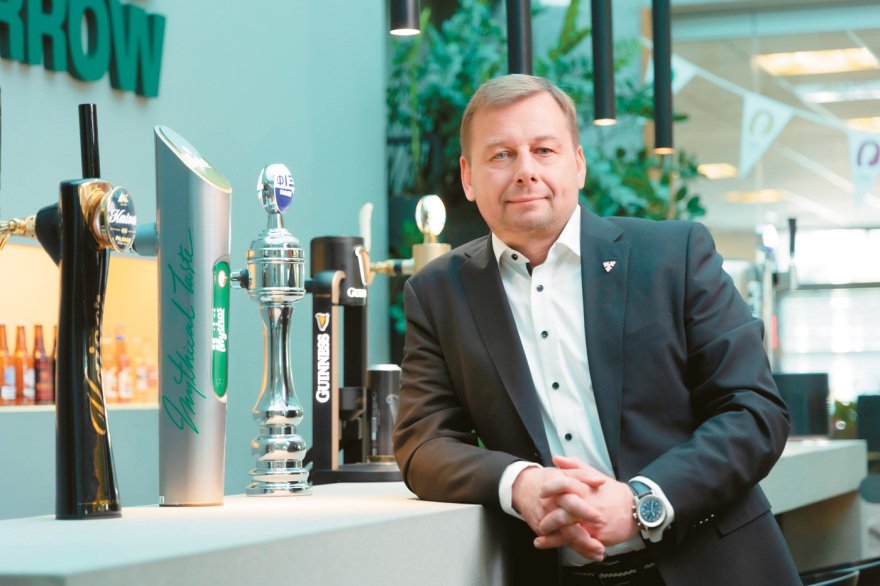
Marchin Burdah, Olympic Brewery
No. 2 wants more of the pie.
With a share of about 27%, Olympic Brewery has been established in second place on the market, but Marchin Burdah does not hide that he wants more. «We want to be bigger», had recently stated in «b.s.». And the bet gets harder as, according to him, «there is no more natural development of consumption». Therefore, growth must come through stronger brands, more consumption circumstances and eventually more part of a pie that does not grow.
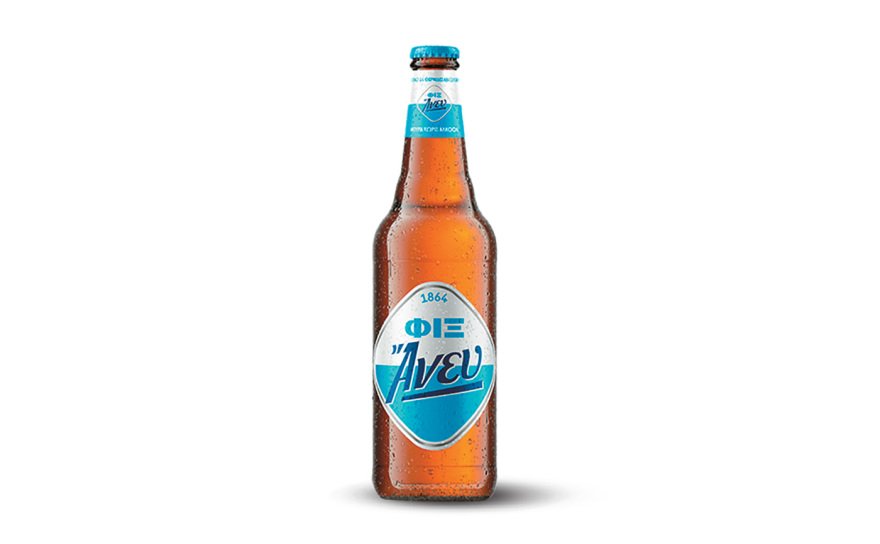
In this strategy each label has a different mission. Mythos is the peak in HORECA, but also in exports, which now reach 39 countries and five continents. Kaiser is reinforced in the premium category through its association with gastronomy and according to Mr. Burdah heads year-to-year-record in volume. FIX, on the other hand, is the main weapon in the organized retail trade, placed as a value for money proposal and with strong offers in this year's battle of the shelf.
At the same time, the company bets on one of the fastest growing market areas. M. Burdah characterizes FIX Anev «growth engine», while along with Mythos 0.0 enhances the Olympic imprint on alcohol-free products. Already 31% of its portfolio, including Tuborg, belongs to the wider low/no alcohol category, while new products are being prepared for 2027. In the same opening up to new consumption circumstances include ready-to-drink drinks and the possibilities of Britvic joining the Carlsberg group.
Open also remains the next step with the Island. The administration is reviewing cooperation with its founders and, as Mr. Burdah has revealed, among the options is the increase in Olympic participation. At the same time, the EUR 30 million investment programme is completed at the end of 2026, but a new three-year cycle has already been planned since 2027, on a comparable scale.
At economic performance level, the latest published data relate to 2024, when Olympic Brewery recorded sales of €199,3 million and net profits of €9,65 million.
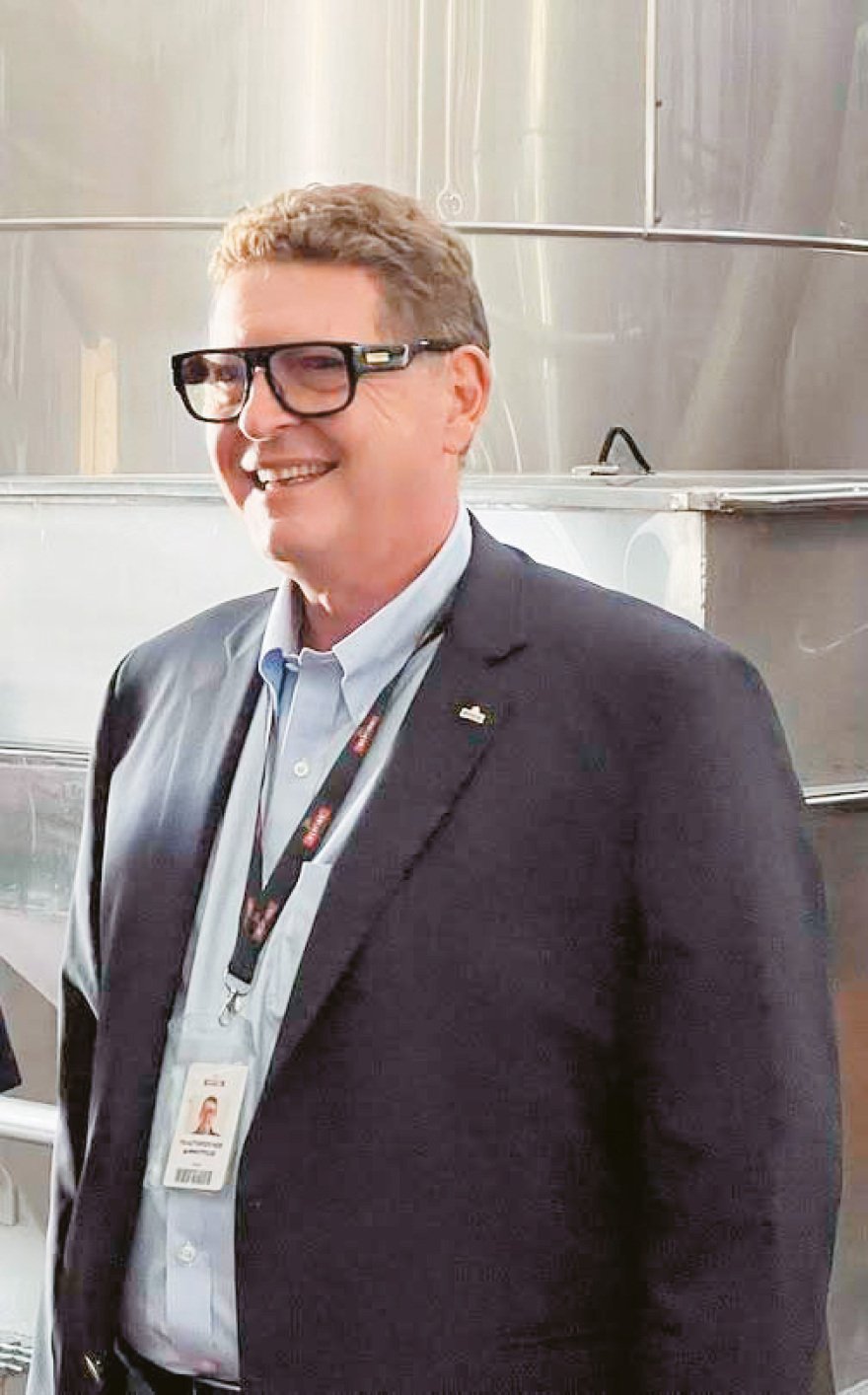
Dimitris Politopoulos, Brewery of Macedonia Thrace
Ready for the next jump
After 30 years in the market, the Macedonia of Thrace Brewery (ZMTH) is preparing for the next step, having already created in Komotini the productive infrastructure that will allow it to change size. With investments of around 20m euros in the three years 2023-2025, Dimitris Politopoulos' company increased its production capacity from 200,000 to around 650,000 hectolitres, not even fully utilising it. The excess of 200,000 hectolitres means leaving the favourable tax regime of microbrewery and the administration appears determined to make the jump when it considers that conditions allow it.
Dimitris Politopoulos, Brewery of Macedonia Thrace
The investment design goes far beyond. ZMTH plans a new aluminium can production unit for beer and soft drinks, an investment of around 50m euros, opposite its current facilities. At the same time, it expands its activity beyond beer: after the tea of the mountain TUVUNU, it routes its entry into table water with the same brand and puts more weight on non-alcoholic products.
Vertical production is an important advantage. The company has its own malt factory and cooperates with about 1,500 farmers for symbolic cultivation of 30,000 acres of barley, with an annual production of 14,000-15,000 tonnes, while supplying with malt 95% of Greek microbreweries.
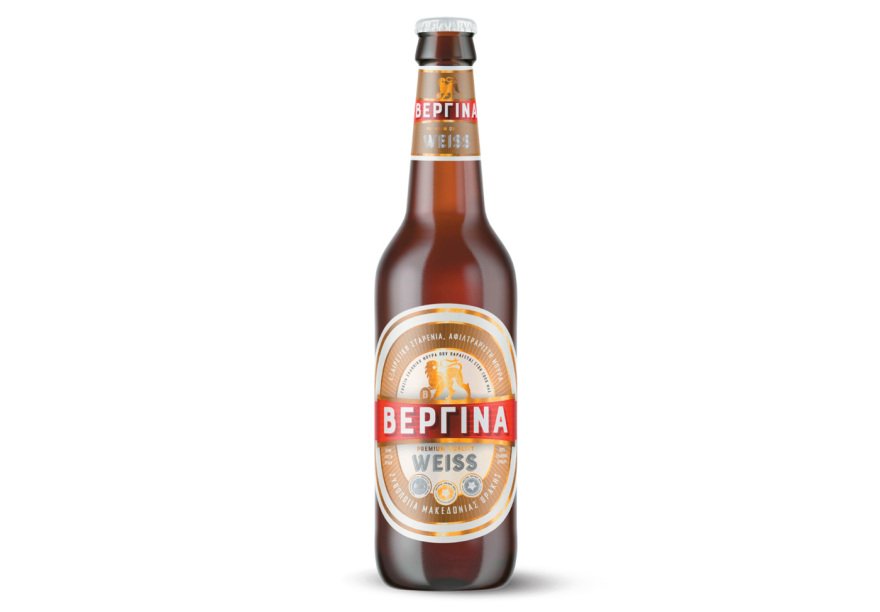
Vergina remains the company's main beer vehicle and this year participates in the intense bid battle in the organized retail trade, with the share of Macedonia Thrace Brewery on the domestic market moving close to 6%.
At an economic level, according to the data presented by the administration, in 2025 the turnover was around EUR 30 million and EBITDA at EUR 5 million, with the company looking forward to growth this year. The latest published financial statements, concerning 2024, showed sales of EUR 31,25 million, EBITDA EUR 5,68 million and net profits of EUR 2,49 million.

Nikitas Aspiotis Greek Brewery Atalantis
Opens the game over beer
To escape the narrow limits of beer and evolve into a wider beverage company attempts the Greek Brewery Atalantis under Nikitas Aspiotis. The new strategy focuses on HORECA and the exploitation of its nationwide distribution network, without abandoning the battle on the shelf. This year EZA returned to the offers at the supermarkets, which it had limited last year, using mainly Pils Hellas as a vehicle in claiming shares.
The largest opening is now done outside beer. Since July EZA has undertaken the exclusive marketing and distribution in the HORECA of ouzo and Tsipouro Pilavas, making its first move in Greek spirits. At the same time it strengthens the beer portfolio with San Miguel, next to Mahou, Menabrea and Gulden Drake, while Cretan Kings is now produced in Atalanti. For 2027-2028 new categories, such as malt beverages and non-alcoholic private label products, are also considered, which can limit the seasonality of production.
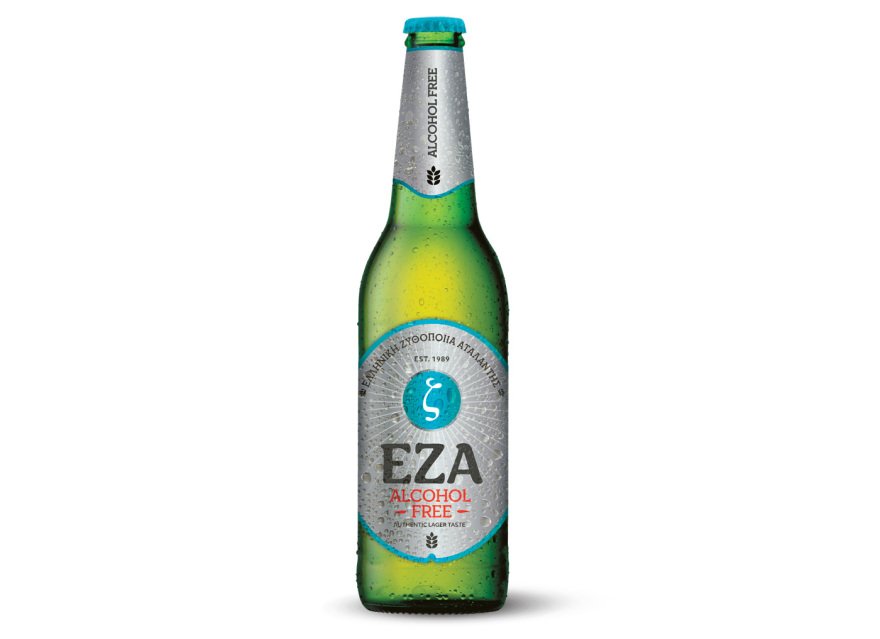
The performance of alcohol-free products is already strong. After +65% in volume in 2025, EZA's sales in the category ran in the first half of 2026 at a rate of over 110%. In 2025 beer sales increased by 8% in HORECA and 19% in organized retail, while in the first half of 2026 the administration recorded about +15% in focus and two-digit growth in retail trade.
At the same time the battle for return to profitability continues. In 2025 the turnover was set at EUR 25,7 million, EBITDA at EUR 2.43 million, the operating result returned to a positive sign and pre-tax damage was reduced by 54%. In 2024 the group had recorded net losses of EUR 3.7 million, while its share of the industry's total turnover was placed by IOBE at around 4%.
The equity balance remains open. DECA Investments, as manager of Diorama Investments Sicar, has long been seeking a way out of the investment without a complete sale. In the recent rumors of a deal, however, the administration responded categorically that there has been no sale.

