
The proposal reflects a broader economic perception that seeks to transform Italy's significant domestic wealth into productive capital, while limiting the need for additional public borrowing
The The Meloni government in Italy supports an innovative proposal for the direction of public and private funds towards infrastructure, innovation and strategic sectors, with the aim of strengthening Italy's economic future despite stricter budgetary constraints.
Italy is entering a decisive phase of its economic course.
As theRussian financial rules become stricter and new international commitments require higher public expenditure, the country faces an increasingly difficult challenge: how to finance the investments needed to maintain growth, modernise infrastructure and strengthen industrial competitiveness without further burdening public finances.
In this context, MPs supporting the government majority of Prime Minister Giorgia Meloni submitted to the Italian Senate a bill proposing the creation of athe National Sovereign Fund, an ambitious financial mechanism designed to mobilise at least EUR 100 billion for investment strategiesth.
A National Fund for Sovereign/Strategic Investment EUR 100 billion would account for about 4% of Italy's annual GDP.
Italy's public debt is around 135%-140% of GDP, i.e. over 3 trillion euros, which explains why the Meloni government emphasises the mobilisation of private funds instead of new government borrowing.
The new productive capital
The proposal reflectsA wider economic perception seeking to transform Italy's significant domestic wealth into productive capital, while limiting the need for additional public borrowing.
The Commission's proposal for a directive on the approximation of the laws of the Member States relating to restrictions on the marketing and use of certain dangerous substances and preparations practical response to a changing economic environment.
Unlike previous periods in which exceptional European resources — rodthe approximately EUR 200 billion allocated through the National Recovery and Durability Plan (PNR) — They were an excellent source of investment funding, future governments are expected to operate under significantly stricter budgetary conditions.
The renewed Stability and Growth Pact will significantly reduce the flexibility of budgets, while the Italy's commitment under NATO to increase defence spending will put additional pressure on public finances.
These restrictions will inevitably reduce the number of workers in the Community.Unusable resources for infrastructure, technological innovation, industrial policy and long-term economic development.
Instead of accepting a slower growth as inevitable, the proposal seeks to exploit what its supporters describe as Italy's biggest untapped strategic advantage: the country's huge volume of private savings, combined with its significant portfolio of public assets.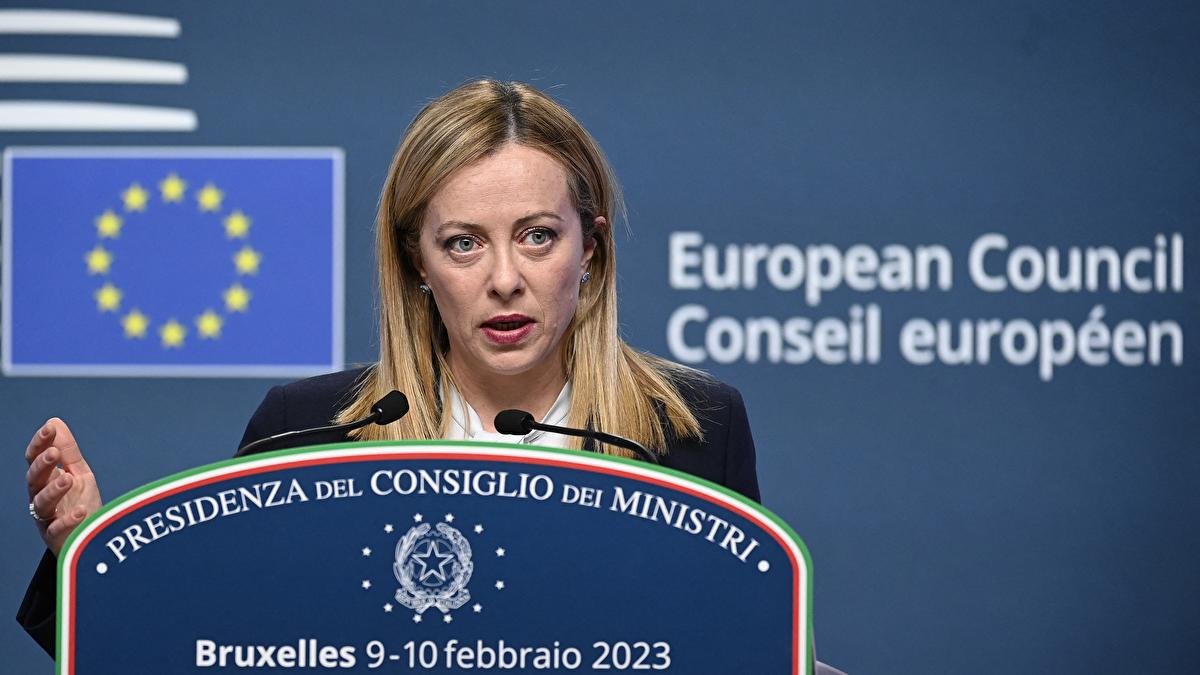
The Hidden Funds
The Italy has EUR trillion in capital held by households, businesses, pension funds, social security institutions and banking institutions.
Much of this capital remains either in low-performance bank deposits or is invested abroad.
According to the proposal, the problem is not the lack of wealth.the absence of mechanisms that could direct some of these resources to productive domestic investments.
THEthe proposed Investment Fund will initially be capitalised through the transfer and exploitation of state assets, including state holdings in companies, real estate, rights and other public assets.
Additional resources will be concentrated exclusively on voluntary basis, offering competitive returns to families, companies and institutional investors who wish to participate.
The proposal lays down that the objective is not to reduce the number of young people in the Community. financing of ordinary state expenditure.
On the contrary, the fund will operate as a long-term investment platform dedicated exclusively to projects that can enhance Italy's production capacity.
Priority areas will include transport infrastructure, energy networks, digital connectivity, artificial intelligence, cybersecurity, scientific research, technological innovation and strategic industrial supply chains — all sectors considered necessary to maintain competitiveness in a global economy that is increasingly based on technology.
The new financial instruments
To facilitate participation, legislation introduces two specific financial instruments.
The first consists of the National Investment Accounts (CINs), designed primarily for households and small businesses seeking safe, long-term investment opportunities directly linked to Italy's economic development.
The second concerns the National Development Bonds (OSN), which are addressed to institutional investors and long-term capital providers, such as pension funds and insurance companies.
One of the particular features of the proposal is emphasis on transparency and accountability"Average output power" exceeding 1 W;
The funds collected through these toolsa link to clearly defined strategic projects, while a digital platform will allow investors to monitor how their funds are allocated, examine the characteristics of projects and monitor progress in real-time implementation.
Over the operating frame will be one National Strategic Investment Plan, which will be drafted by the government and submitted to Parliament for approval.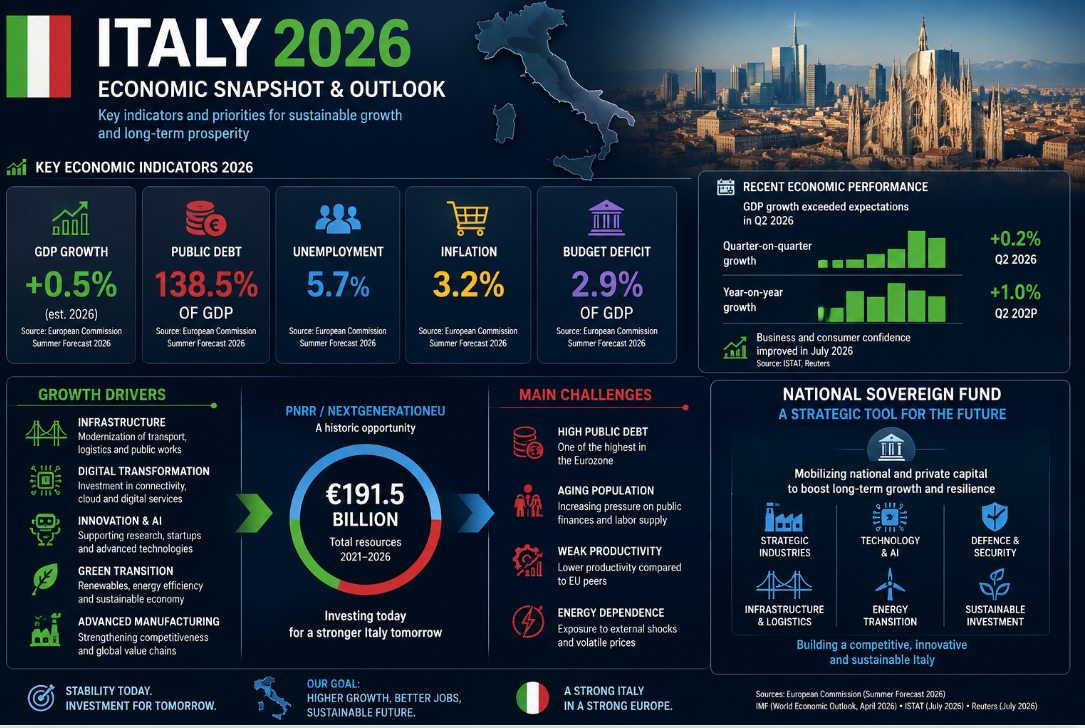
Economic sovereignty and not public expenditure
Supporters consider this model of governance necessary for Italy's industrial and infrastructure priorities to be defined through transparent, multiannual planning rather than short-term political decisions.
Supporters of the proposal within the government coalition argue that προσέγγιση αυτή συμφωνεί με τη γενικότερη έμφαση της κυβέρνησης Meloni στην ενίσχυση της οικονομικής κυριαρχίας της Ιταλίας, ενώ παράλληλα ενθαρρύνει τη συμμετοχή του ιδιωτικού τομέα αντί της αποκλειστικής εξάρτησης από τις δημόσιες δαπάνες.
Η πρόταση αντικατοπτρίζει επίσης μια αντίληψη που θεωρεί τις εθνικές αποταμιεύσεις στρατηγικό πόρο, ικανό να στηρίξει την εγχώρια ανάπτυξη όταν συνδυάζεται με ισχυρή διακυβέρνηση και κίνητρα βασισμένα στην αγορά.
Δημιουργώντας εθελοντικές επενδυτικές ευκαιρίες που συνδέονται με συγκεκριμένα εθνικά έργα, οι υποστηρικτές πιστεύουν ότι η Ιταλία θα μπορούσε να προσελκύσει μακροπρόθεσμα κεφάλαια χωρίς να επιβάλει νέα βάρη στους φορολογούμενους.
Ο ευρύτερος στόχος ξεπερνά τη χρηματοδότηση μεμονωμένων έργων.
Μετά από χρόνια χαμηλής αύξησης της παραγωγικότητας και βιομηχανικών προκλήσεων, οι υποστηρικτές υποστηρίζουν ότι η Ιταλία χρειάζεται έναν μόνιμο διαρθρωτικό μηχανισμό που θα διατηρήσει τις επενδύσεις πέρα από τη λήξη του PNRR.
Δημιουργία δημοσιονομικού χώρου
Με το δημόσιο χρέος να παραμένει υψηλό και τον δημοσιονομικό χώρο να περιορίζεται ολοένα περισσότερο, οι υπεύθυνοι χάραξης πολιτικής αντιμετωπίζουν το δύσκολο έργο της διατήρησης της οικονομικής δυναμικής, ενώ παράλληλα τηρούν τους ευρωπαϊκούς δημοσιονομικούς κανόνες.
Το προτεινόμενο Εθνικό Ταμείο Επενδύσεων παρουσιάζεται ως μια πιθανή απάντηση σε αυτό το δίλημμα: συνδυάζοντας δημόσια περιουσιακά στοιχεία, ιδιωτικές αποταμιεύσεις, θεσμικά κεφάλαια και διαφανή διακυβέρνηση για τη χρηματοδότηση του μέλλοντος της χώρας.
Το αν το Κοινοβούλιο τελικά θα εγκρίνει τη νομοθεσία μένει να φανεί.
Ωστόσο, η πρόταση αναδεικνύει ένα ολοένα πιο κεντρικό θέμα στη δημόσια οικονομική συζήτηση της Ιταλίας υπό την κυβέρνηση της Giorgia Meloni: τη μετατόπιση της έμφασης από την αύξηση των δημόσιων δαπανών προς την κινητοποίηση εθνικών κεφαλαίων για στρατηγικές επενδύσεις, με δηλωμένο στόχο την αποκατάσταση βιώσιμης ανάπτυξης, την ενίσχυση της βιομηχανικής ανταγωνιστικότητας και την παροχή στην Ιταλία μεγαλύτερου ελέγχου πάνω στο μακροπρόθεσμο οικονομικό της μέλλον.

