
After canceling her June trip to Dubai due to the missile attacks on Iran, Londona Lorna Davis sought an alternative for summer vacation.
He investigated Maldives, Mauritius and Bali, but was shocked by the high prices of air tickets.
«Prices are up...», Davis says at CNN Travel. «Right now, prices are too high.»
Hoping to find cheaper options closer, thought of Greece, But there prices were beginning to rise, as he said.
«I've been looking all day to close something before prices come up again.».
With summer approaching, Davis is concerned that affordable options can be exhausted.
«I'm not sure what's gonna happen now.», adds.
She remains determined, but increasingly disappointed.
Almost two months after the US and Israel attacks against Iran, the conflict disrupts the travel industry.
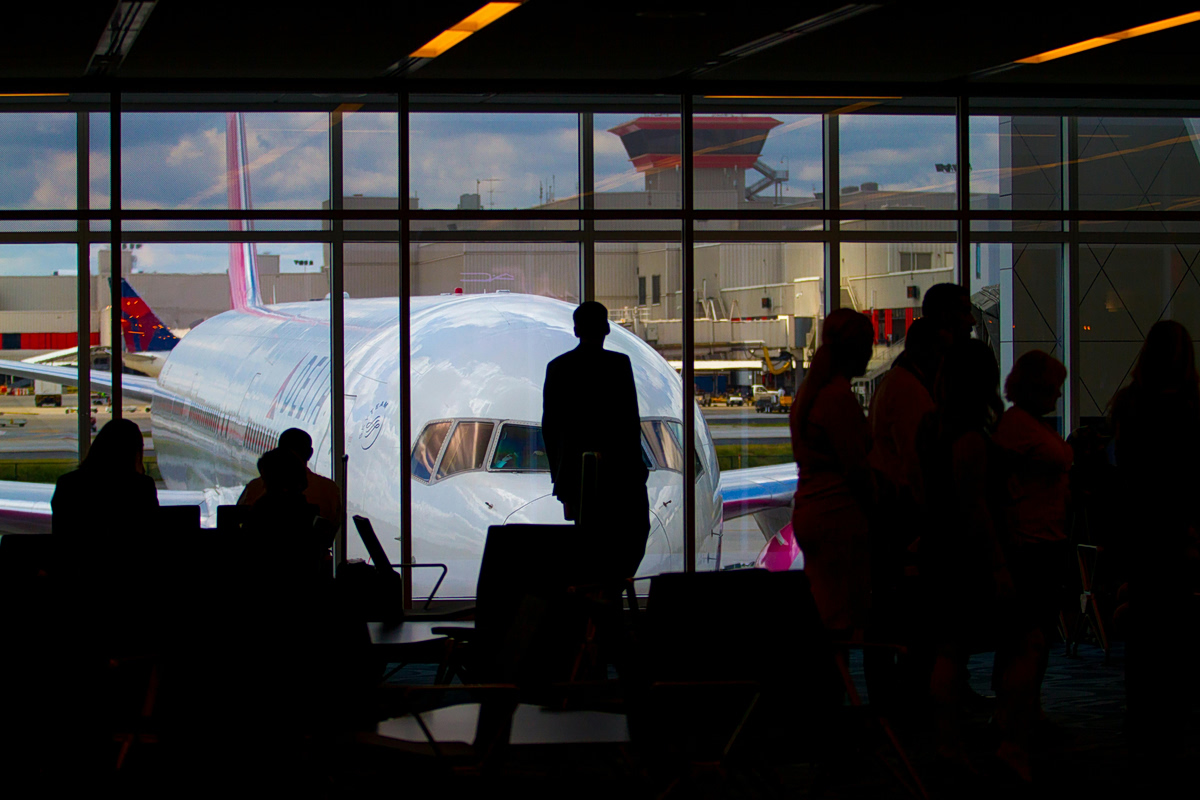
Millions of travelers such as Davis face uncertainty about their summer getaways, with air ticket prices rising due to disruptions in fuel supply and higher cost of airlines.
Some airlines cancel flights considered non-profitable, while even car holidays are affected as petrol prices are ejected.
Uplifted travel costs
Europe has «Maybe six weeks or so.» aircraft fuel reserves, Fatih Birol, head of the International Energy Agency, said.
«There will be higher prices, reduced capacity and fewer travelers this summer than expected», according to Dan Akins, a Flightpath Economics economist.
«Therefore, none of this is good for the travel industry».
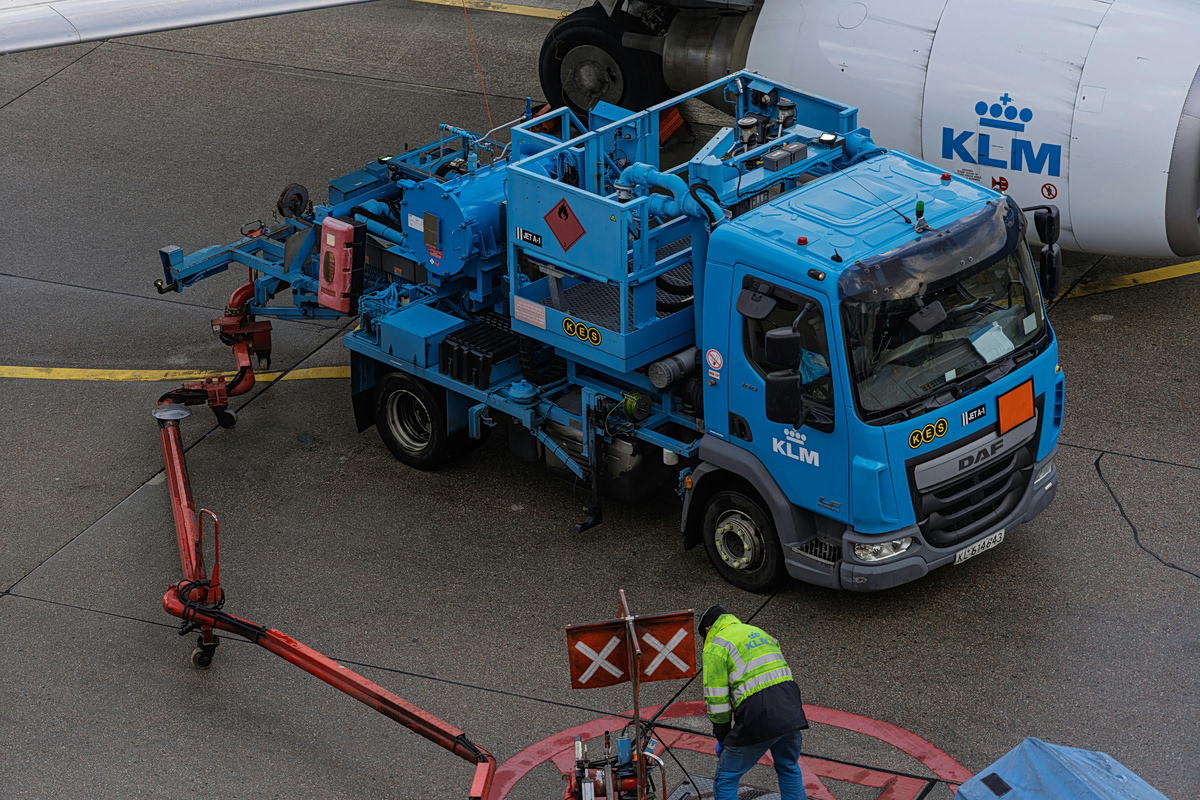
The interruption of traffic in the Strait of Hormuz, the main route for about 20% of global oil and gas, has hit aircraft and gasoline fuel supplies.
The airlines in Europe and Asia, most dependent on imports, are particularly affected.
Even American airlines, although important exporters, remain vulnerable to price fluctuations.
«Exposure to the biggest energy break in history will be transferred mainly to the US through prices», Akins said.
American airlines no longer set prices months ago, unlike many international airlines, which makes them vulnerable to shortages.
Closed airspaces around conflict zones also force a change of routes. Emirates and Qatar Airways, among others, now follow longer routes, consuming more fuel. Travellers with financial tickets feel more burdened, as extra costs are passed on to them.
Additional charges and flights reductions
JetBlue increased baggage charges, Virgin Atlantic increased certain ticket prices by nearly $500 and added fuel charges, while Qantas reduces domestic flights by 5%.
Airlines such as Cathay Pacific, United, Lufthansa, Delta, SAS, Air Canada, China Eastern and Sichuan Airlines have reduced their routes. Some also increase baggage charges.
At the same time, the Expedia booking site reports that travelers are removed from popular or distant destinations.
In the US, New York, Los Angeles, Miami, and Honolulu are replaced by Philadelphia, Palm Springs, Fort Lauderdale, and Puerto Rico. At international level, London, Paris and Rome are replaced by Dublin, Brussels and Belgium.
The American travel agency Going reports that searches for San Jose/San Francisco increased by 101%, while interest in Italy and Portugal increased by 20% and 22% respectively.
Effect on road travel
The rise in petrol prices also affects road travel to the US, a key element of summer holidays during the celebrations for the country's 250 years and the World Cup.
«So we have fewer people travelling by plane and fewer travelling by car, mainly because of the cost of travel, either through the ticket or through the tank», Akins said.
«This means that she may be the year of ‘stayction’»
Limited destinations
Some Middle East regions are now banned because of the conflict with Iran.
The U.S. State Department recommends that you review your travels to Oman, Bahrain, Dubai and Qatar. The United Kingdom recommends that you avoid all travel except necessary to the UAE and Bahrain, and be careful in Oman.
London Lydia Benatia has planned a summer trip to Oman, but the situation creates uncertainty.
«He's made us feel pretty worried about the vacation we've been waiting for.», told CNN Travel.
«We're not sure if we can finally go».
She watches developments and expects instructions from her travel agent.

Butterfly economic phenomenon
Less travelers mean reduced demand for air tickets and petrol, which affects hotels, restaurants and gas stations.
«Reduced demand for air tickets and petrol affects hotels», Akins said. «It affects the owners of local petrol stations. It affects restaurants. It affects all kinds of subsequent activities associated with summer travel».
Akins warns that economic impact can last several years.
«We've never faced such shock in offering»He said.
«So it's a harsh reality that doesn't seem to be leaving soon, and no one really saw it coming.».

