
The Greek economy is improving, but convergence with the Eurozone is lagging behind. Per capita GDP reached 68% of the EU average. in 2025, but without exceeding the 2008 level. According to Declan Costello of the European Commission, household purchasing power remains below the pre-crisis levels. Obstacles are the business environment, demographic trends, labour taxation and skills mismatch. The Recovery Fund helped, but Greece will continue to rely on European funds after its expiry in 2026.
Analyticalally:
Loading Text-to-Speech...
Although a result of the pandemic, Recovery Fund It came at a favourable juncture for the Greek economy, which was about to be ejected after the ten-year debt crisis. However, despite his unquestionable contribution, he did not make the big difference to boost convergence with the Eurozone. The purchasing power in Greece is still falling short of the 2008 level, even though it is clearly improving.
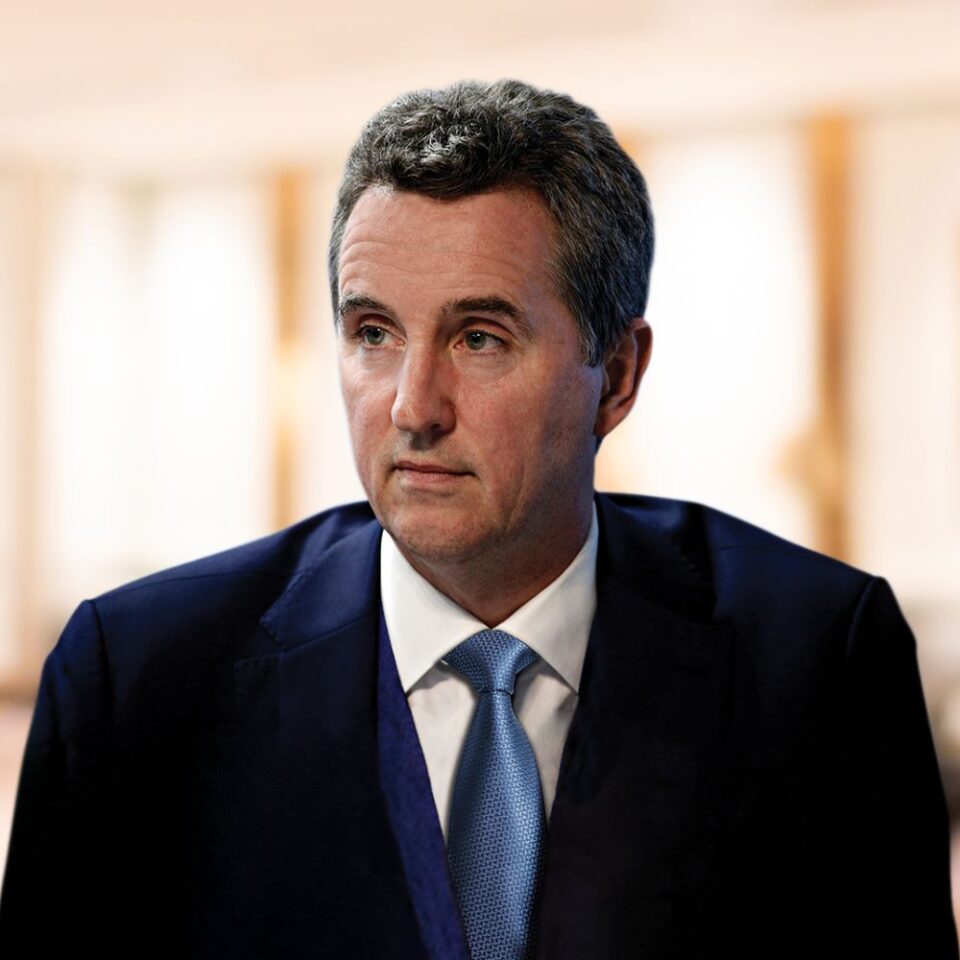
«When comparing the standard of living between countries, economists often examine per capita GDP. Based on this measure, Greece has made steady progress. In 2025 per capita GDP reached about 68% of the EU average, significantly increased from its lowest point after the crisis. But it is still below the 2008 level. However, this comparison should be done with caution, as GDP levels before the crisis were swelled due to unsustainable lending. GDP does not fully reflect how people experience their standard of living. A better measure of purchasing power is the real disposable income of households – what people really have left to spend after taxes and transfers. In this measure, although the trend in recent years has clearly been positive, Greek households are still below the pre-crisis levels.», recognizes speaking to «M» the Deputy Director-General for Economic Affairs of the European Commission, Declan Costello.
The purchasing power of the average household in Greece based on per capita expenditure was $18,700 per person in 2015, in the middle of the debt crisis. In 2025 he had now traveled a notable distance touching the $22,500. However, it has not yet reached the 2008 performance, which had been set at $24,000. His views World Data Lab (see graph), such as In the case of «M», show a return to the pre-crisis level within the next three years, and a noticeable excess of the reference point from 2030; with the footnote, in any case, that no one can know how the international macroeconomic environment will primarily evolve on the basis of stormy geopolitical developments. Note: Bank of Greece has measured that nominal disposable income in 2024 remained 9.3% lower than in 2009, despite the rise in purchasing power, which increased by 26.5% in the period from 2019 to 2024. In fact, real disposable income lags even further, by almost 20%.
The Commission's oracle
However, the European Commission He sees the glass half full. It stands for the fact that over the last five years real disposable income per person has increased on average 2.8% per year – significantly faster than the EU average. This appears to reflect improving labour market conditions, increasing wages and supporting policy measures. Looking forward, the European Commission expects this convergence to continue. According to its latest forecast, purchasing power in Greece is projected to increase by more than 3.5% per year in 2026 and 2027 – well above the EU average. This perspective is supported by continued job creation, further increase in real wages and reductions in labour taxation.
However, Costello draws attention to the fact that averages may conceal significant deviations: «The lower households income have been most affected by the recent inflation, as they spend more of their income on emergency items such as energy, food and housing. The proportion of people at risk from poverty has decreased over the last decade, but remains one of the highest in the EU. Policy has certainly played an important role in dealing with this problem. Measures such as introducing a guaranteed minimum income in 2017 and significant increases in minimum wage –about 35% since 2021 – have supported the most vulnerable. Today the minimum wage in Greece, when adjusted to price levels, is close to the EU average.».
Tourism and the Recovery Fund supported the disposable income. However, inflation, regulatory burdens, labour taxation, demographics and skills mismatch are braked.
But what are the factors preventing the faster recovery of the purchasing power of households in Greece? The assessment in Brussels is that Greece has now finally returned to a path of economic convergence with the rest of the EU. Public finances have improved significantly, with a return to budget surpluses and a rapid reduction in public debt. Supported partly by EU funds, investments have also increased the gap with the EU average. It's going down. At the same time, unemployment has been drastically reduced and has now returned to pre-crisis levels. But the speed of convergence is not what it could be.
The obstacles
«A key challenge is the business environment. While reforms have been implemented, there remain obstacles that can prevent investment, innovation and entrepreneurship. Improving the regulatory and institutional framework – so that businesses can grow, compete and integrate into global markets – is necessary to enhance productivity and ultimately wages. Demographic trends are also a restriction. Greece faces rapid ageing of the population, which will burden the workforce over time. Increasing participation in the labour market – especially among women – and improving the quality of work will be crucial. This includes further reducing the tax burden on work and extending access to child care and long-term care services. It is also necessary to strengthen education and training systems. Better alignment between labour market skills and needs – especially in the digital and green sectors – will help to ensure sustainable productivity growth and higher incomes in the long term», concludes the European official.
European funds
Gradually, the debate is inevitably carried to the milestone of the end of the Recovery Fund at the end of the year. Greece has been one of the biggest beneficiaries of the mechanism. In fact, it has the highest share in the EU, as its national plan amounts to around 36 billion euros, about 16% of GDP. So far, 23.4 billion euros have been disbursed, representing almost two-thirds of the total. In the Commission they point out that RRF will be completed in 2026, but its impact will not stop there. Many of the investments and reforms it supports – particularly in infrastructure, digitisation and green transition – are estimated to continue to boost economic activity and productivity beyond their official expiry date. In addition, the loan component of the programme will continue to support private investment through the banking system over the coming years.
Afterwards, Greece will continue to benefit from other major EU funding. Around EUR 17.9 billion remain available under the Cohesion Policy for the period 2021-2027. Additional resources will come from new instruments, such as Social Climate Fund and Island Dependence Fund from Carbon Emissions, and the Modernisation FundThe next EU budget. It is also expected to allocate considerable resources to Greece. The expectation is that this ongoing influx of EU funds. will ensure a smooth transition to the post-RRF period. «The key issue for Greece is whether there will be a lack of funds from the EU, but how to ensure timely and effective implementation of critical investments»Declan Costello told us.
IMF perspective
At the same time, in International Monetary Fund in Washington they stress the fact that – despite growth and government support measures – the purchasing power of consumers in Greece has faced pressure from high inflation and increases in cost of living. Speaking to «M» The Head of Mission of the International Monetary Fund in Athens, Jung Shik Kang, notes that per capita GDP has increased cumulatively by 25% since 2020 – an increase moving well above the EU average – reaching 92% of the level before the international financial crisis.
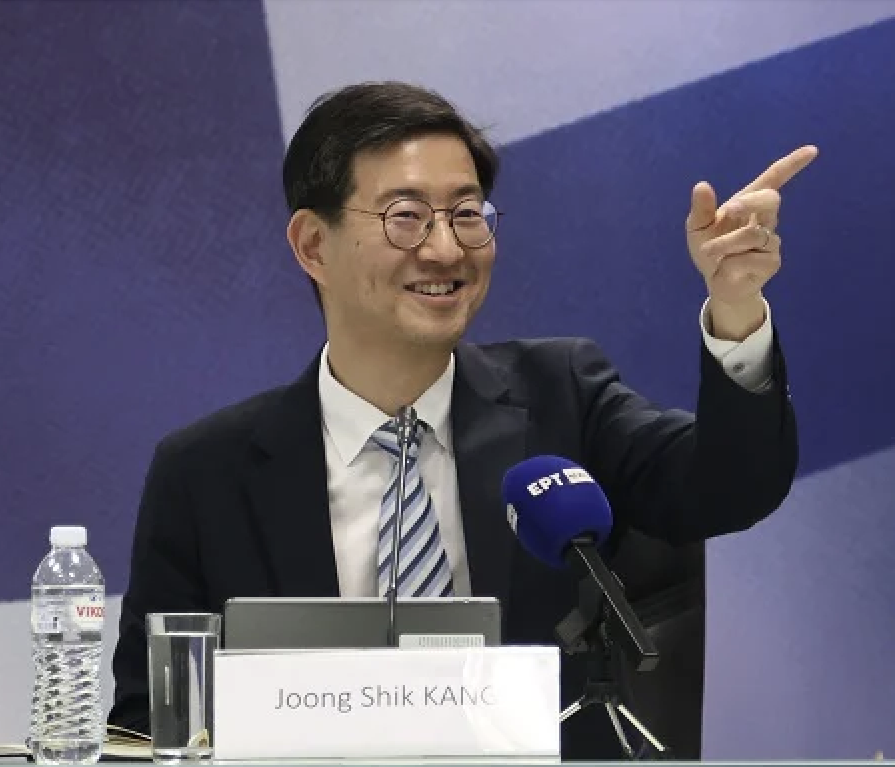
He stresses that this development was supported by the funds of the Recovery Fund and direct foreign investment, steady progress in structural reforms and strong recovery in tourism, although he acknowledges that per capita income in purchasing power terms is about a third lower than the euro area average.
Greece will continue to benefit from significant EU funding. And then the Recovery Fund. The expectation is that this ongoing influx of EU funds. will ensure a smooth transition to the post-RRF period.
«This underlines the need for further effort to address structural obstacles – low overall investments, low productivity growth, adverse demographic trends – and to maintain strong growth at a higher level, in the medium to long term. Furthermore, participation in the workforce should be increased to address the decline in the working age population, regulatory and administrative burdens should be further reduced to promote the dynamism and competition of enterprises, which will help business growth and productivity. At the same time, digital transformation in the private sector should be strengthened.»We were told by the IMF technocrat, who also welcomes progress in tackling long-term structural obstacles, including reforms in the National Land Register, the judicial system and the central credit register.

What is certain is that to the extent that inflation makes it difficult for the standard of living to rise, current geopolitical developments are not an ally of the Greek economy.

