
The artificial intelligence is no longer a tool of the future. It is already present, almost quietly, transforming the way we seek information, organizing our work and making decisions.
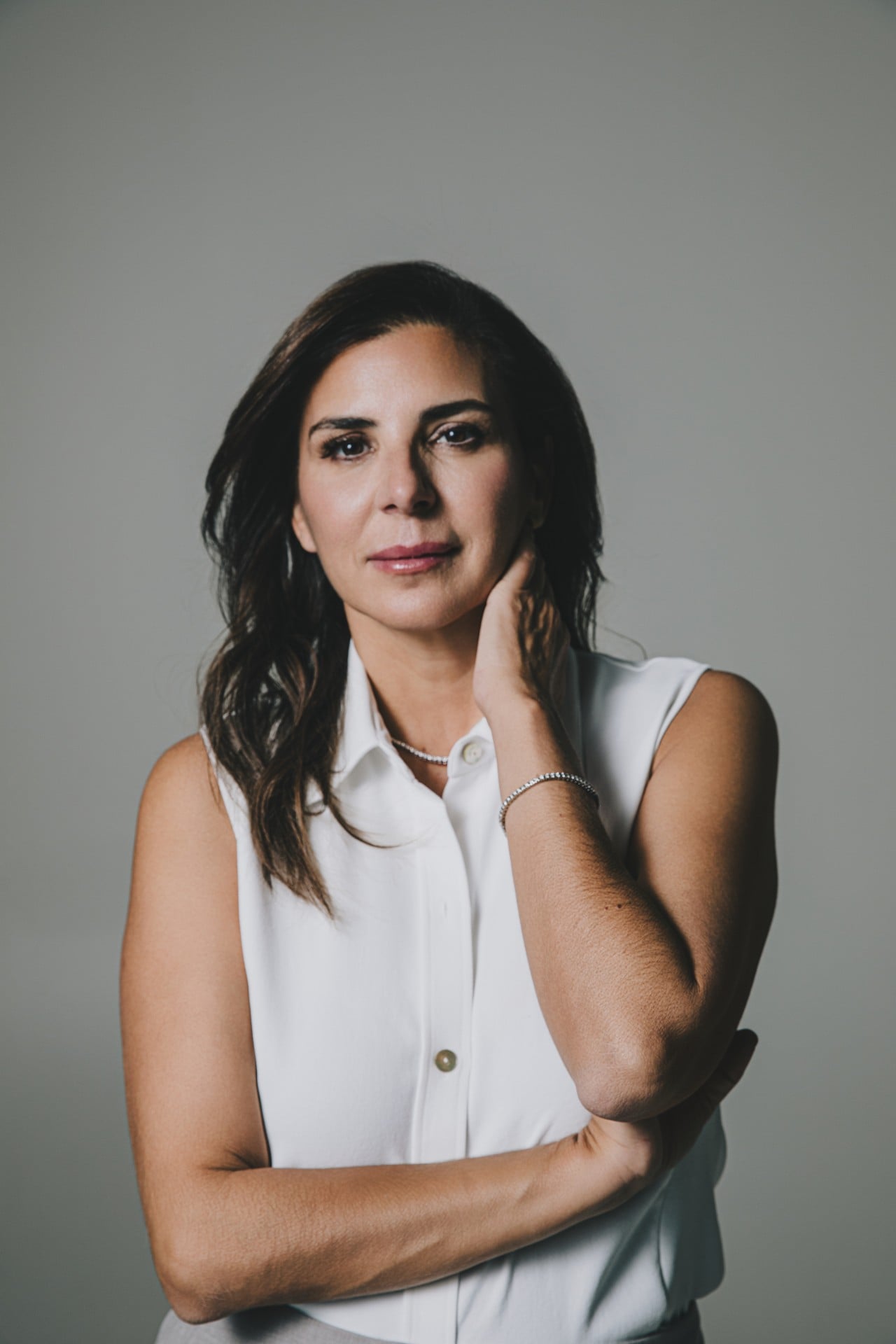
«Somehow it seems we've reached this point: talking to the machine and answering you in the most natural way», stresses in Maritime affairs Peggy Antonaku, Director-General of Google Southeastern Europe.
Mrs Antonakos, whom we met at the 11th Delphi Economic Forum, describes a profound change in user behaviour: «The world now asks in a way much more complex and lengthy. We ask each other as we speak». Search turns into conversation and AI into one «soft» personal assistant, who can organise a trip, explain an information or process data — without requiring any technical knowledge. «You don't need to know the code, not even write. You can talk or use an image», notes.
Small and medium-sized enterprises: Access to opportunities that were elusive
For the Greek economy, where small and medium-sized enterprises dominate, change is catalytic. «Over 90% of those who have used artificial intelligence have seen either a turnover increase or a productivity increase and a cost reduction», points out.
AI acts as an operational «accelerator»: allows faster data analysis, better customer understanding and content production in time that previously seemed unthinkable. «You can make a video in a few minutes, while it would take days and significant costs.»He says.
But the most impressive thing is that geographical restrictions are lifted: «You can be in Casso and have access to a global audience.». Business can now be «Run» campaigns in dozens of languages, at no translation cost, and spot customers around the world.
Labour market: «94% will be positively affected»
The speed of change fuels fear of job loss. However, the picture derived from the data is different.
«Only 6% of the professions will be negatively affected. 94% will either be positively affected or not affected at all», points out, citing a survey on Greece.
AI, as explained, does not replace — enhances: «You'll do your job better and faster. You'll have access to more knowledge.». And it simply gives examples: a doctor will better view the data, a journalist will speed up his research.
At the same time, it stresses the importance of responsibility: «We're talking about the most powerful tool we've invented. He wants responsibility and we as Google always say that we are facing and approaching the issue with innovation and with very important responsibility. So the responsibility is for us creating technology and for those who make solutions based on this technology and the way it is used.».
Misinformation: technology as part of the solution
Another concern concerns the ability of AI to produce false, convincing content. On the crucial issue of misinformation, the answer comes from technology itself. «Gemini puts digital signature on content created with artificial intelligence», explains.
However, it insists that technology is not enough in itself: «He wants knowledge, he wants responsibility, and eventually the intention of use plays a role.».
The skills that will make a difference
In a world changing at such speed, three skills emerge critical: «Adaptability, curiosity and mood for learning».
She stands particularly in the importance of familiarity with tools: «They're already there, talking to you, proposing solutions. We have to experiment.».
Especially for women says that while many understand the importance of artificial intelligence, a small percentage actively exploits it. «It's a gap we have to fill», notes, stressing that technology is now fully accessible.
Education: «Knowledge is up to us.»
Education plays a key role in the transition. As Peggy Antonakos explains, Google actively participates in an organized civil servants training program in collaboration with the Greek State.
Πρόκειται για μια θεσμική πρωτοβουλία που υλοποιείται σε συνεργασία με το Υπουργείο Εσωτερικών και το Εθνικό Κέντρο Δημόσιας Διοίκησης και Αυτοδιοίκησης, με στόχο την ενίσχυση των ψηφιακών δεξιοτήτων και την πρακτική αξιοποίηση της τεχνητής νοημοσύνης στην καθημερινή λειτουργία του κράτους.
Μόνο την περίοδο 2024–2025 καταγράφηκαν περισσότερες από 35.000 συμμετοχές δημοσίων υπαλλήλων σε προγράμματα τεχνητής νοημοσύνης, μέσα από δεκάδες εκπαιδευτικές συνεδρίες που εστιάζουν στην «πρακτική ΑΙ» και στην αξιοποίηση εργαλείων στην καθημερινή εργασία.
Στο ίδιο πλαίσιο εντάσσεται και η πρωτοβουλία «AI for All», η οποία αποσκοπεί στο να καταστήσει την τεχνητή νοημοσύνη προσβάσιμη στο σύνολο της δημόσιας διοίκησης, ενισχύοντας την αποδοτικότητα των υπηρεσιών και την ποιότητα εξυπηρέτησης των πολιτών.
Παράλληλα, η Google υλοποιεί δωρεάν εκπαιδευτικά προγράμματα για επαγγελματίες, φοιτητές και ανέργους, καθώς και δράσεις σε σχολεία και πανεπιστήμια.
Όπως επισημαίνει και η ίδια, η εκπαίδευση «είναι πλέον στο χέρι μας» — και αποτελεί προϋπόθεση για να μετατραπεί η τεχνολογία από δυνατότητα σε πραγματικό εργαλείο αλλαγής.
AlphaFold: όταν η ΑΙ επιταχύνει την επιστήμη
Η πιο εντυπωσιακή απόδειξη της δύναμης της ΑΙ βρίσκεται στην επιστήμη. Το AlphaFold, που αναπτύχθηκε από τη Google DeepMind, έλυσε ένα πρόβλημα δεκαετιών: την πρόβλεψη της τρισδιάστατης δομής των πρωτεϊνών.
Για δεκαετίες, η διαδικασία αυτή απαιτούσε χρόνια επίπονης και ακριβής εργασίας. Σήμερα, πραγματοποιείται σε ελάχιστο χρόνο.
Η βάση δεδομένων AlphaFold χρησιμοποιείται από περισσότερους από 3 εκατομμύρια ερευνητές σε πάνω από 190 χώρες και περιλαμβάνει περισσότερες από 200 εκατομμύρια πρωτεϊνικές δομές — ένα έργο που, με τις παραδοσιακές μεθόδους, θα απαιτούσε εκατοντάδες εκατομμύρια χρόνια.
Πάνω από το 30% της σχετικής έρευνας επικεντρώνεται στην κατανόηση ασθενειών, ενώ η συμβολή του αναγνωρίστηκε με το Νόμπελ Χημείας το 2024. Η επόμενη γενιά, το AlphaFold 3, επεκτείνει τις δυνατότητες σε DNA, RNA και φαρμακευτικά μόρια, ανοίγοντας τον δρόμο για μια νέα εποχή «ψηφιακής βιολογίας».
«Είμαστε η γενιά στο τιμόνι»
Ποια περιμένει η ίδια να είναι η μεγαλύτερη αλλαγή που θα φέρει η Τεχνητή Νοημοσύνη τα επόμενα 5 ή 10 χρόνια; «Θα σας πω τι ελπίζω και τι θα ονειρευόμουν. Να δούμε τεράστια διαφορά στο κομμάτι της επιστήμης, στον ρυθμό με τον οποίο τρέχει η επιστήμη… Ας ελπίσουμε ότι στα επόμενα 10 χρόνια θα έχουμε καταφέρει τρόπους να λύσουμε τις βασικές ασθένειες τις οποίες ταλαιπωρούν το είδος μας».
Κοιτάζοντας μπροστά, η Πέγκυ Αντωνάκου εστιάζει στο ουσιαστικό διακύβευμα: όχι στην τεχνολογία, αλλά στον τρόπο που θα τη χρησιμοποιήσουμε.
«Είμαστε η γενιά που βρίσκεται στο τιμόνι αυτής της αλλαγής», λέει. Και καταλήγει με μια φράση που συνοψίζει τη φιλοσοφία της νέας εποχής: «Να σώσουμε χρόνο από πράγματα που δεν χρειάζονται ανθρώπινη σκέψη και να τον επενδύσουμε στην ενσυναίσθηση, στο ήθος και σε αυτά που μας κάνουν ανθρώπους».

