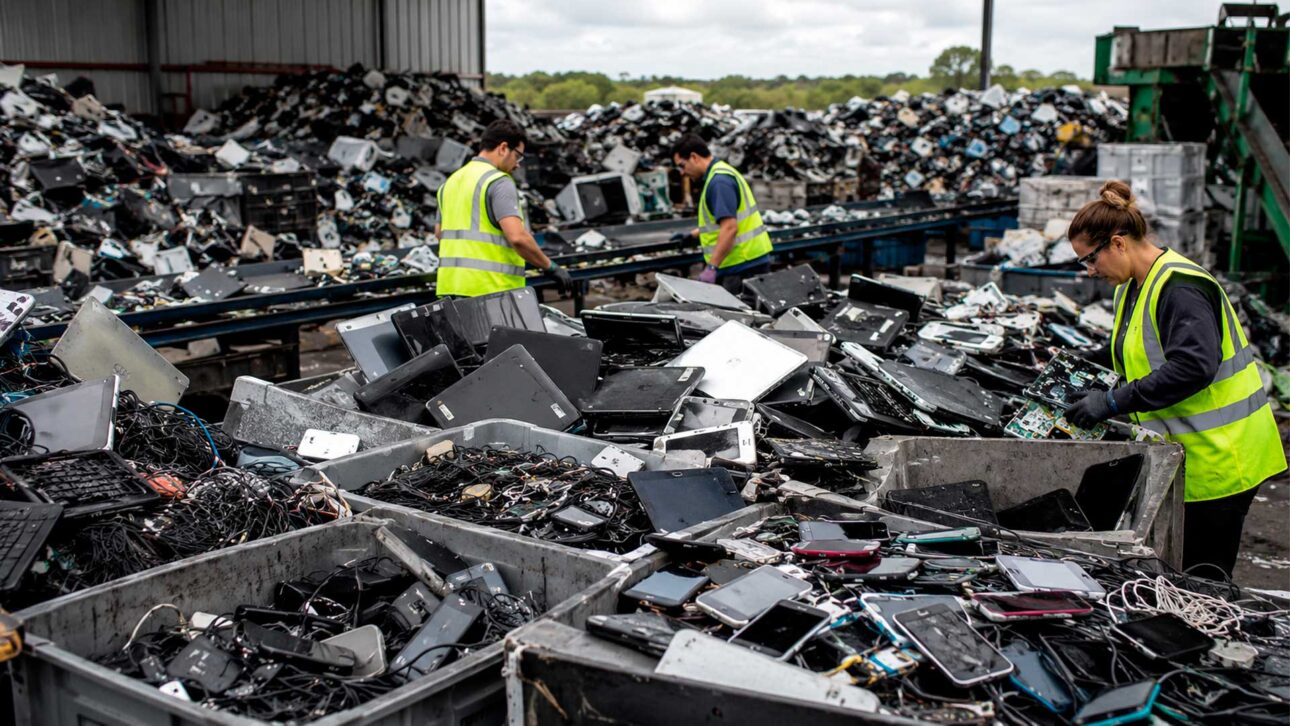
A man collected over 650 laptop batteries and converted them into a solar energy storage system.
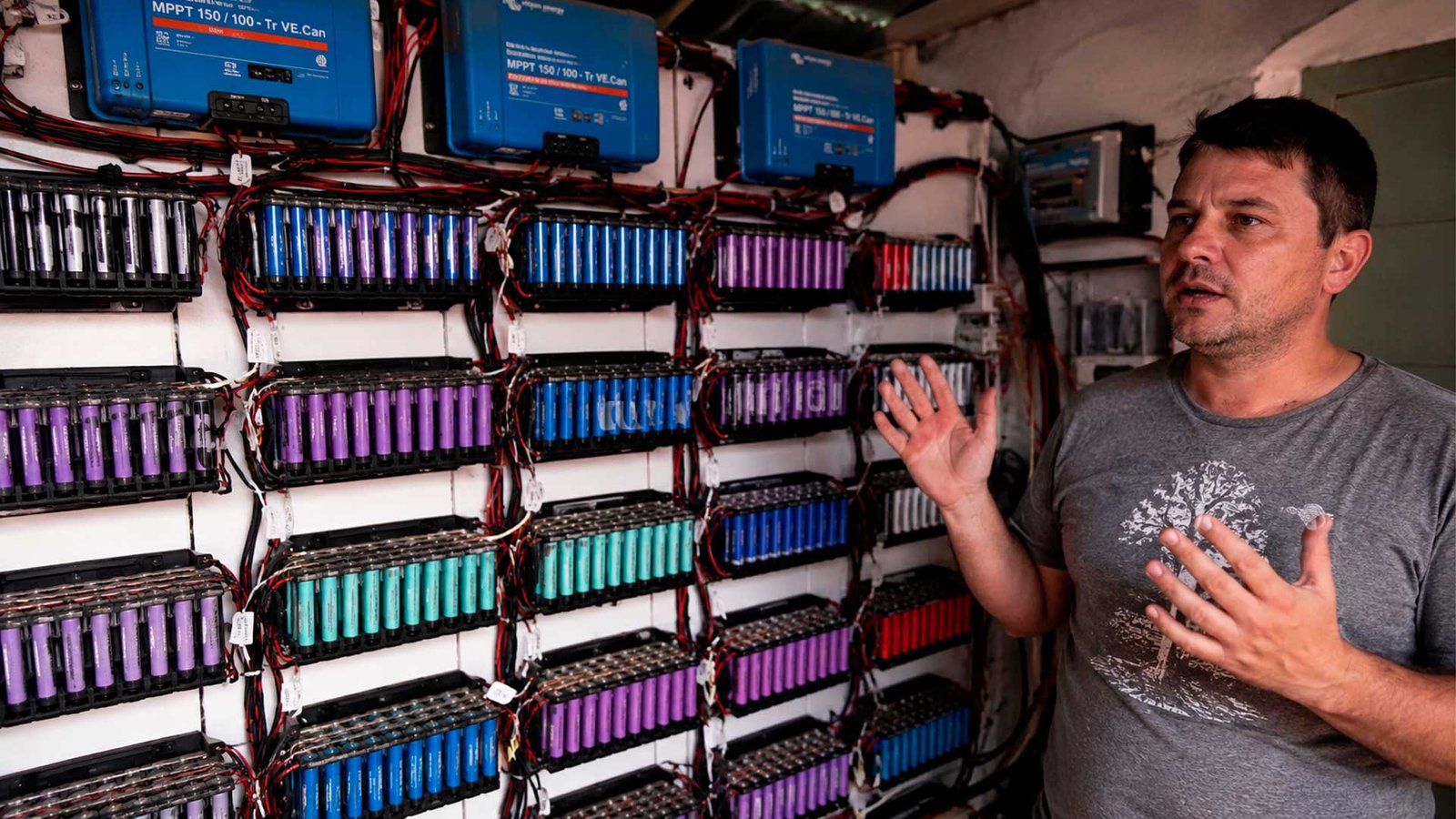
One man used more than 650 old laptop batteries and created an improvised solar energy storage system that feeds his house with Current, showing how electronic waste can lead a second life.
The project started around 2016, when he already had installed photovoltaic panels in his residence and basic off-grid operation equipment, such as old forklift batteries, charging controllers and inverter. The main problem he was trying to solve was not power generation, butstorage of energy for use when there is no sun.
Use old laptop batteries
Instead of buying new storage batteries, he began collecting rejected laptop batteries. In many cases, these units are flown whole, while only part of the internal cells have lost performance. He opened the packages himself, controlled the hives and kept as many as could be used.
According to the project records, the collection initially reached about 650 batteries and then exceeded even 1,000 units, creating a large "bank" of energy that acts as a warehouse for the photovoltaic system of the house.
The facility was placed in a separate space, about 50 meters from the residence, aiming at better organization and security of the system. The whole device includes solar panels, charging systems and converters so that the energy can be stored and used when necessary.
How the system works
The facility is based on the logic of off-grid photovoltaic systems, where panels produce energy during the day and this is stored in batteries for use at night or in periods of reduced sunshine.
University surveys examining similar technologies say that about 50% of cells from rejected batteries may be suitable for reuse, subject to control and evaluation.
Security and restrictions
Despite the interest of the idea, experts point out that lithium batteries require careful management, as incorrect connection or overload can lead to overheating or fire. For this reason, such structures are not considered safe for typical home copying without technical knowledge and protective systems.
The main message of the project is that electronic waste still has usable material, but its reuse requires know-how, control and proper energy management.