
For a quarter of a century zero or negative interest rates sent the Japanese massively to American, European and Australian bonds, turning it Japan the largest foreign holder of American sovereign debt and one of the most stable and reliable lenders worldwide.
Now the flow of money changes direction. With the yield of the ten-year Japanese bond over 3% for the first time since 1996, investments inside become attractive again. And when the world's largest savings tank stops chasing odds abroad, people lose their top financier.
The return has already begun
There is no evidence that Japan is abruptly liquidating the vast foreign debt portfolio, worth about $2.4 trillion. The evidence, however, shows steady displacement.
By August 22, Japanese investors had sold net foreign bonds worth 3 trillion yen, or about $18.7 billion – the largest outflow for a corresponding period since the 2022 sale.
At the same time, a survey by J.P. Morgan Asset Management on 82 corporate pension funds showed that the percentage of those planning to increase their placements in domestic bonds is the highest since the start of the investigation, in 2008. The same funds continue to limit foreign debt, as foreign debt compensation costs drastically reduce its actual return.
The change is felt from Sydney to London. Japanese investors who once steadily increased their positions in Australia are now limited to maintaining existing positions. On the American state bond market, managers see one of the most important marginal buyers retreating.
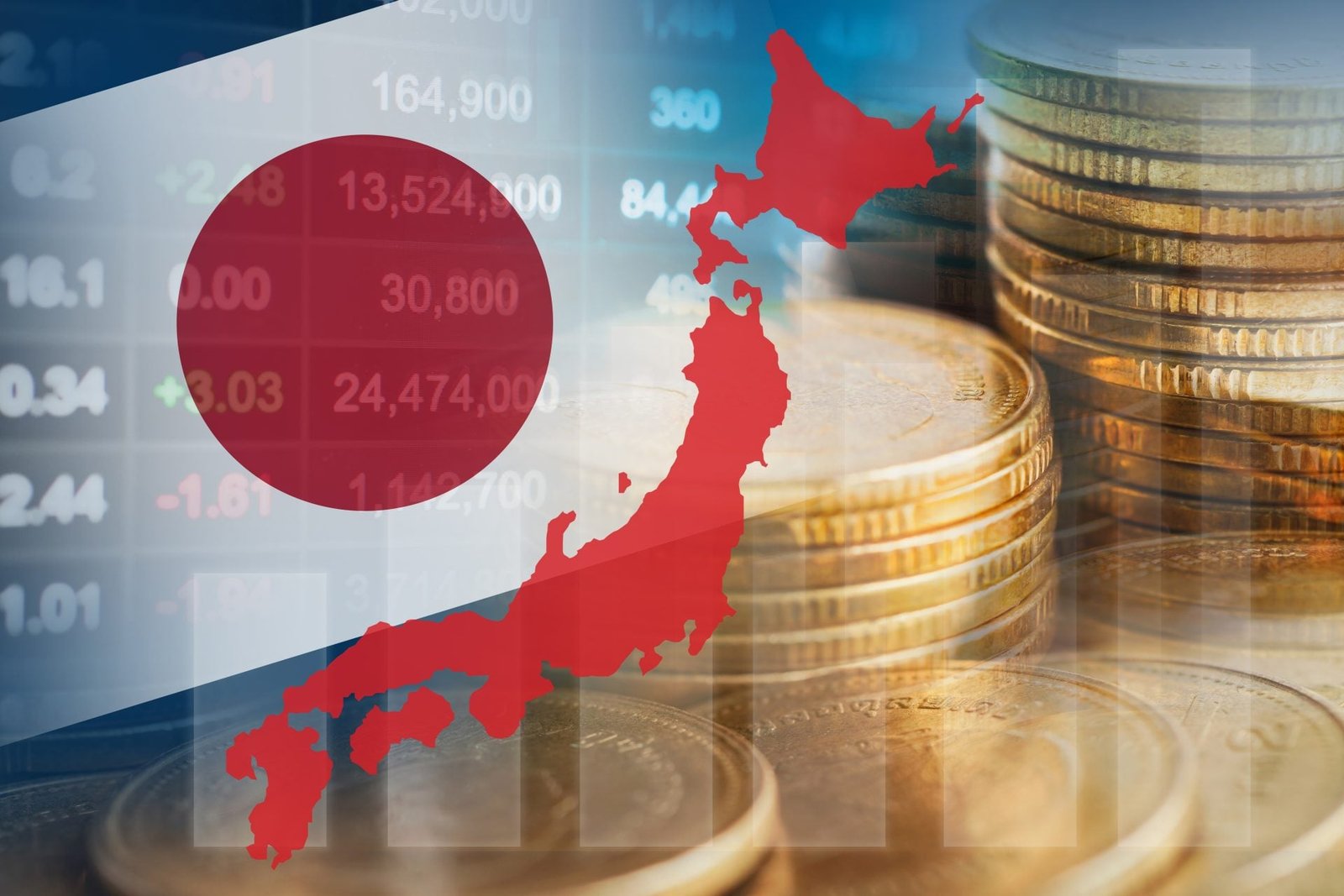
Because 3% changes the equation
Two years ago, the Japanese ten-year performance was below 1%. Today it's more than tripled. At the same time the yield of the American ten-year period increased by about one percentage point, resulting in the difference between the two markets having decreased over 100 basis points.
The nominal yield of American titles remains higher. For a Japanese investor, however, the comparison does not stop there. The exchange rate risk, its cost of compensation and the possibility of further changes in gen.
With the domestic ten-year over 3%, the Japanese bond market now offers decent performance without these additional risks. «It's easy to buy ten years over 3%», says fund manager Tosinobu Chiba, who limited his optimism about American titles and turned to the domestic market.
The critical is not a spectacular refund of trillion in a few months. It is that Japan gradually ceases to be the additional foreign debt buyer. Less new demand from one of the world's largest savers means higher returns in the US, Europe, and Australia.
The $1.8 trillion giant dilemma
World markets took a preview of their nervousness in July, when Japan left open the possibility of changes to the Government Investment Fund Pensions strategy.
The cashier manages about 1.8 trillion. He is one of the strongest institutional investors in the world. There are no indications so far that he is restructuring his portfolio. However, the possibility of strengthening domestic placements is sufficient to affect the markets.
These positions have accumulated for decades and cannot be reversed abruptly without major losses. The change will probably be gradual: fewer new foreign securities markets, a smaller part of outstanding bonds and a careful increase in domestic portfolios.
Just because it will be slow, it can prove permanent.
The 207% debt doesn't tell the whole story
The rise in yields causes reasonable concern about Japan's own public finances. With a debt of around 207% of GDP, the country shows the highest index among developed economies – almost twice the G7 average.
Η εικόνα, ωστόσο, είναι πιο σύνθετη. Το ιαπωνικό Δημόσιο έχει κλειδώσει μεγάλο μέρος του χρέους του με χαμηλά επιτόκια και μέση διάρκεια περίπου εννέα ετών. Έτσι, οι σημερινές υψηλότερες αποδόσεις περνούν αργά στον προϋπολογισμό. Το πραγματικό μέσο επιτόκιο του χρέους ήταν πέρυσι μόλις 0,7%, ενώ η οικονομία αναπτύχθηκε ονομαστικά κατά 4,5%.
Παράλληλα, το πρωτογενές έλλειμμα μειώθηκε από 8% του ΑΕΠ το 2021 σε περίπου 1% το 2025, χάρη στην ενίσχυση των φορολογικών εσόδων από τον πληθωρισμό και τους υψηλότερους μισθούς, αλλά και στη συγκράτηση των δαπανών.
Η Ιαπωνία διαθέτει επίσης τεράστια δημόσια περιουσία. Εάν από το ακαθάριστο χρέος αφαιρεθούν μόνο τα πλέον ρευστά στοιχεία, το καθαρό χρέος υποχωρεί περίπου στο 186% του ΑΕΠ. Εάν συνυπολογιστούν δάνεια και χρεόγραφα του Δημοσίου, μειώνεται στο 137%, ενώ με μια ακόμη ευρύτερη αποτίμηση, που περιλαμβάνει μετοχές και επενδυτικά κεφάλαια, περιορίζεται κοντά στο 89%.
Αυτά τα περιουσιακά στοιχεία δεν είναι όλα διαθέσιμα για την πληρωμή τρεχουσών δαπανών – τα αποθεματικά των συντάξεων, για παράδειγμα, καλύπτουν μελλοντικές υποχρεώσεις. Δείχνουν, όμως, γιατί ο εντυπωσιακός δείκτης του 207% δεν ισοδυναμεί με άμεση κρίση.
Η αργή φωτιά των τόκων και του δημογραφικού
Ο πραγματικός κίνδυνος δεν είναι μια ξαφνική αδυναμία αναχρηματοδότησης, αλλά μια αργή επιδείνωση. Καθώς το φθηνό παλαιό χρέος λήγει και αντικαθίσταται από ακριβότερο, οι πληρωμές τόκων προβλέπεται να διπλασιαστούν μεταξύ 2025 και 2031.
Την ίδια στιγμή, η γήρανση του πληθυσμού θα αυξάνει τις δαπάνες για υγεία και μακροχρόνια φροντίδα. Υπό τις σημερινές πολιτικές, ο δείκτης χρέους μπορεί να υποχωρήσει κοντά στο 190% του ΑΕΠ στα μέσα της δεκαετίας του 2030, αλλά στη συνέχεια αναμένεται να κινηθεί ξανά ανοδικά.
Η Ιαπωνία διαθέτει χρόνο, βαθιά εγχώρια αγορά, χρέος εκδομένο σχεδόν αποκλειστικά στο δικό της νόμισμα και σημαντικά περιουσιακά στοιχεία. Δεν διαθέτει όμως περιθώριο εφησυχασμού.
Η αντιστροφή μιας παγκόσμιας εποχής
Για δεκαετίες η Ιαπωνία μπορούσε να χρηματοδοτεί φθηνά το τεράστιο χρέος της και ταυτόχρονα να εξάγει αποταμιεύσεις στον υπόλοιπο κόσμο. Τώρα οι δύο πλευρές αυτής της εξίσωσης αλλάζουν: το Τόκιο θα πληρώνει περισσότερο και οι Ιάπωνες επενδυτές θα έχουν μικρότερη ανάγκη να αναζητούν αποδόσεις αλλού.
Δεν χρειάζεται να υπάρξει μαζική πώληση αμερικανικών ή ευρωπαϊκών ομολόγων για να γίνει αισθητός ο αντίκτυπος. Αρκεί να σταματήσει η σταθερή ροή νέων ιαπωνικών κεφαλαίων.
Η μεγάλη μεταβολή, επομένως, δεν είναι ότι η Ιαπωνία εγκαταλείπει τον κόσμο. Είναι ότι, έπειτα από τρεις δεκαετίες, το σπίτι έγινε ξανά αρκετά ελκυστικό για να κρατήσει τα χρήματά της. Και για έναν πλανήτη ήδη πλημμυρισμένο από χρέος, η απώλεια αυτού του αγοραστή μπορεί να αποδειχθεί πολύ ακριβή.
preferred source on Google
To show more articles by Maritime in your searches easily and quickly, you must add the site to your preferred sources. You can do it by going Here..

